Tradition of State Fairs: From 1841 to Today

August 18, 2024
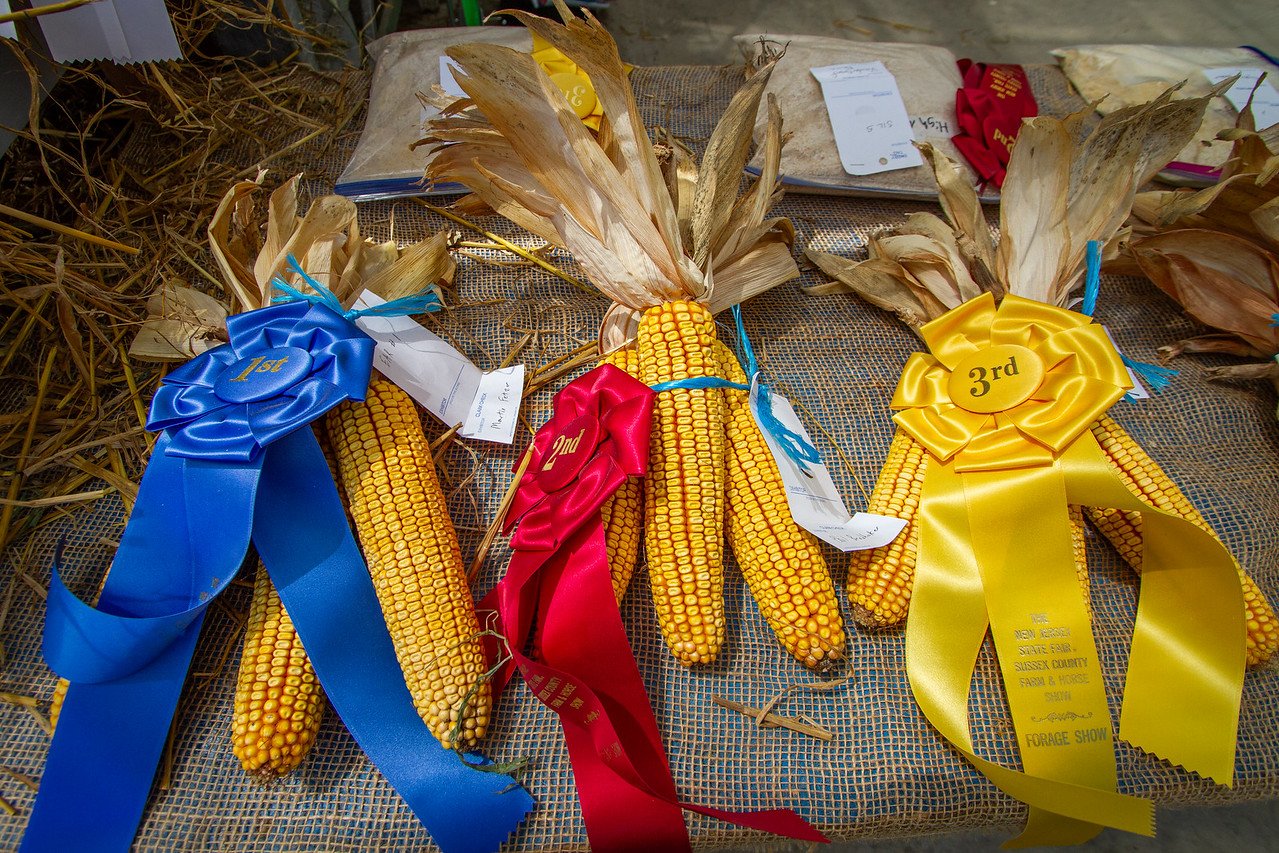
State fairs have become an iconic American tradition, known for their vibrant blend of agriculture, entertainment, and community spirit. These events, which bring together people from all walks of life, have a long and storied history that dates back to the mid-19th century. The roots of this beloved tradition can be traced back to 1841, when an agricultural industry group organized the country’s first state fair in Syracuse, New York. This marked the beginning of a trend that would spread across the United States, evolving into the grand celebrations we know today.
Origins: Syracuse, New York, 1841
The idea of a state fair was born out of a desire to showcase the achievements of the agricultural industry, which was the backbone of the American economy at the time. In 1841, the New York State Agricultural Society took the initiative to organize the first state fair in Syracuse. The event was designed to promote agricultural innovation, provide a platform for farmers to exchange ideas, and offer a space to exhibit the best livestock, crops, and farming equipment.
The Syracuse fair was a modest affair compared to the sprawling events of today, but it laid the foundation for what would become a nationwide phenomenon. The fair featured livestock competitions, displays of agricultural products, and demonstrations of the latest farming techniques. It was a place where farmers could learn from one another, gain inspiration, and celebrate the importance of agriculture to the nation’s economy and way of life.
Spread of State Fairs Across the Nation
The success of the first state fair in New York inspired other states to organize similar events. As the 19th century progressed, state fairs began to pop up across the country, each reflecting the unique agricultural practices and cultural traditions of its region. These fairs quickly became annual events, eagerly anticipated by rural communities as a chance to come together, celebrate their hard work, and enjoy a break from the rigors of farm life.
By the late 1800s, state fairs had become a staple of American life. They were more than just agricultural showcases; they had evolved into major social events that included entertainment, food, and various forms of competition. As the country expanded westward, state fairs followed, becoming a key part of the cultural fabric of the United States.
Evolution of State Fairs: From Agriculture to Entertainment
While agriculture remains a central theme of state fairs, these events have grown to encompass much more. As American society became more urbanized and diversified, state fairs adapted to include a wider range of attractions. Today, state fairs are known for their eclectic mix of offerings, from carnival rides and games to live music, food competitions, and art exhibits.
One of the most beloved aspects of state fairs is the food—often indulgent, sometimes bizarre, but always memorable. Deep-fried creations, oversized portions, and regional specialties have become synonymous with state fairs, reflecting the diverse culinary traditions of the United States. Fairgoers flock to try everything from deep-fried Oreos and corn dogs to funnel cakes and BBQ, turning the fair into a gastronomic adventure.
In addition to food, entertainment has become a major draw. State fairs now feature concerts by popular musicians, talent competitions, rodeos, and even demolition derbies. These attractions ensure that there’s something for everyone, whether you’re a city dweller looking for a taste of rural life or a local farmer eager to show off your prize-winning livestock.
Community Connection: Why State Fairs Matter
Despite the changes over the years, the essence of the state fair remains the same: it’s about community. State fairs bring together people from all backgrounds to celebrate their shared heritage, culture, and achievements. They provide a space for rural and urban communities to connect, for old traditions to be honored, and for new memories to be made.
State fairs also play a significant role in preserving and promoting agricultural education. For many young people involved in 4-H and FFA (Future Farmers of America), the state fair is an opportunity to showcase the skills they’ve learned, whether it’s raising animals, growing crops, or mastering a craft. These experiences are invaluable, instilling a sense of pride, responsibility, and connection to the land that continues to be a cornerstone of American life.
As we look to the future, state fairs continue to evolve, reflecting changes in technology, culture, and society. Sustainability and environmental consciousness are becoming increasingly important themes, with fairs showcasing innovations in green agriculture, energy-efficient farming practices, and organic food production.
However, the core of the state fair—the celebration of agriculture and community—remains steadfast. Whether it’s the traditional livestock competitions or the ever-growing array of entertainment options, state fairs continue to provide a unique and cherished experience for millions of Americans each year.
Related Articles

The Heart Association Just Told Millions of Coffee Drinkers to Relax a Little
New guidance from the American Heart Association says up to five cups a day is […]