DRIFT AUDIO
Listen to this story
Choose a voice, then press play.
In M. Night Shyamalan’s Trap, pop music isn’t just a background soundtrack—it’s a crucial element that shapes the narrative and impacts the lives of its characters. From the first note, the film hints that music will play a pivotal role, not just in setting the tone but in driving the plot forward. Yet, for all its clever setup and intriguing premise, Trap ultimately falls short of being a genre-defining thriller. Despite this, its use of pop music as a transformative force is worth examining, offering a unique take on how soundtracks can transcend their typical roles in cinema.
Pop music’s influence in the film is subtle at first, manifesting as the soundtrack to everyday moments. Shyamalan uses familiar pop songs to ground the audience, drawing them into the world of the characters. But as the story unfolds, it becomes clear that these aren’t just songs—they’re narrative devices. They signal shifts in mood, foreshadow key events, and even provide a kind of emotional shorthand for the characters’ internal struggles.
The protagonist’s relationship with music is central to the plot. In Trap, Shyamalan introduces a character whose life has been profoundly influenced by a single pop song—a song that becomes a recurring motif throughout the film. This piece of music isn’t just a memory or a reminder of the past; it’s a catalyst for action, a trigger that sets the plot in motion. The idea that a pop song can hold such power—enough to change the course of a person’s life—is an intriguing concept that Shyamalan explores with his usual mix of psychological tension and supernatural elements.
Yet, despite its promising setup, Trap stumbles in its execution. The film’s reliance on pop music as a narrative device feels both innovative and forced. While Shyamalan clearly aims to highlight the emotional and psychological impact of music, the film sometimes overplays its hand. Certain scenes feel overly orchestrated, as if the music is dictating the action rather than enhancing it. This can create a disconnect between the audience and the characters, making it difficult to fully invest in the story.
Moreover, Trap struggles to maintain its momentum. The pacing falters midway through the film, and what begins as a tense, music-driven thriller gradually loses steam. The plot becomes predictable, and the twists—once a Shyamalan trademark—feel telegraphed. By the time the final act rolls around, the audience can see the ending coming from a mile away. This predictability undercuts the impact of the music, which initially seemed poised to elevate the film above standard thriller fare.
However, Trap does succeed in illustrating the profound connection between music and memory. Shyamalan effectively taps into the idea that certain songs can evoke powerful emotions, transporting us back to specific moments in our lives. This theme resonates throughout the film, even as the plot falters. The characters’ relationships with music mirror their relationships with each other—complicated, layered, and often tinged with regret. It’s in these quieter, more introspective moments that the film shines, reminding us of the ways in which pop music can indeed change our lives.
For all its flaws, Trap remains a compelling exploration of the power of music. While it may not fully deliver as a thriller, it offers enough food for thought to make it worth watching. Shyamalan’s use of pop music as both a narrative tool and a thematic element is bold, even if the execution doesn’t always match the ambition. In the end, Trap serves as a reminder that music, like film, has the power to move us in unexpected ways—even when the final product isn’t quite what we hoped for.
As you delve deeper into the film’s strengths and weaknesses in your editorial, consider focusing on how Shyamalan’s approach to music sets Trap apart from other thrillers. While the film may not reach the heights of his earlier work, it still offers valuable insights into the role of pop music in storytelling. By examining the ways in which music shapes the characters’ lives and drives the plot, you can provide readers with a nuanced analysis of a film that, despite its shortcomings, has something important to say about the power of soundtracks.
Related Articles
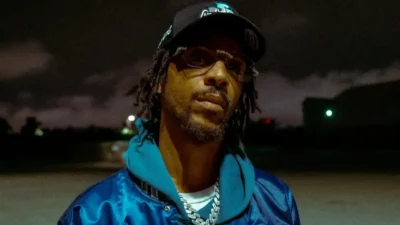
Boldy James in Orbit With “Flowers at the Bezzle”
Detroit's most unhurried storyteller and a New York wildcard split under three minutes of Real Bad Man production, the advance single from Strobe Light.