Gen Z Is Having Less Sex: Dating App Fatigue, Digital Desire, and the Modern Intimacy Crisis

June 2, 2026
The so-called “sex recession” has become a recurring term in cultural and sociological debates. In simpler terms, it refers to a measurable decline in sexual experiences and intimate relationships among younger people compared to previous generations at the same age.
Data supports this. According to the Survey Center on American Life (2024), only 56% of Gen Z adults in the United States reported having a romantic relationship during their teenage years. For Gen Z men specifically, 54% had limited or no stable relationship experiences in adolescence — with 44% of Gen Z men reporting no relationship experience at all during their teen years, double the rate for older generations.
Pew Research Center analyses from 2023–2025 similarly highlight declines in romantic relationship formation and dating frequency among Gen Z compared to Millennials at comparable ages. These figures point beyond mere behavioral shifts toward a deeper structural transformation in how desire forms and sustains itself in a digital era.
Young adults aged 18–29 now lead America’s “sex recession,” with weekly sexual activity across adults falling from 55% in 1990 to just 37% in 2024.
Follow: @AFpost pic.twitter.com/i8wRei4mSJ
— AF Post (@AFpost) August 31, 2025
stir
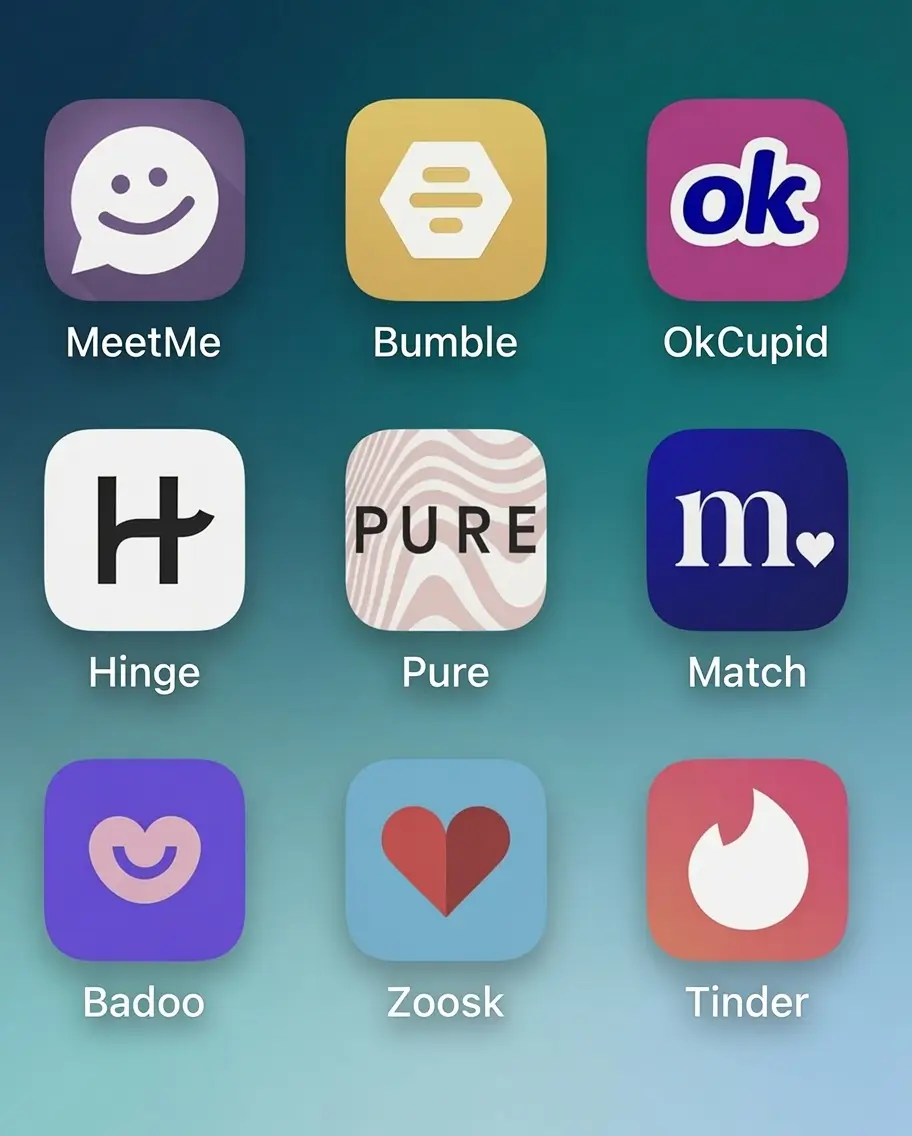
In the 2010s, the dominant narrative centered on “hookup culture”: fluid, immediate sexuality decoupled from long-term commitment. This was framed as liberation from traditional structures — casual sex as empowerment. Dating apps like Tinder (launched 2012) and later Hinge accelerated this with their promise of near-unlimited choice.
Today, the conversation has shifted. Cultural outlets like The Guardian frequently discuss “dating app fatigue”: cognitive and emotional exhaustion from endless swiping, gamified interactions, and paradox-of-choice overload.
A Forbes Health survey found that 78% of users — especially Gen Z — report burnout from dating apps. Users describe matches feeling transactional, conversations repetitive, and the process akin to “admin” rather than romance. The partner becomes just another option in an infinite scroll; the match a dopamine hit that rarely translates offline. This abundance paradoxically reduces emotional investment. Why invest deeply when another profile is one swipe away?
The result is not greater freedom but relational saturation — a state where the volume of potential connections dilutes the quality and depth of any single one. Many young people report disillusionment: the apps deliver volume but starve genuine desire.
flow
Gen Z is the first generation to grow up with social media as a core mediator of identity and relationships. The body is not just experienced privately — it is constantly performed, curated, and quantified publicly.
Desirability operates as social capital. Being attractive (in the algorithmic sense) often matters more than experiencing attraction. Sex and intimacy migrate toward a semiotic realm: mirror selfies, thirst traps, “soft launches” of relationships on Instagram stories, and close-friends-only content. A revealing photo becomes less about inviting physical intimacy and more about harvesting validation through likes, comments, and shares. The metric of success shifts from embodied connection to measurable digital affirmation.
This creates a feedback loop. Intimacy increasingly occurs in controlled, low-risk digital spaces — less vulnerable to raw rejection. The erotic becomes aesthetic labor: constant self-optimization, filtering, posing, and narrative crafting. Contemporary sensuality is performative self-branding.
Psychological language further complicates this. Terms borrowed from clinical psychology — “anxious attachment,” “avoidant,” “love languages,” “trauma response” — now saturate everyday romantic discourse. Relationships are not only lived but simultaneously analyzed, categorized, and therapized in real time. Every text, read receipt, or delayed response gets decoded through a therapeutic lens. While this fosters self-awareness, it can erode spontaneity, turning potential partners into case studies and intimacy into a managed project rather than a risky, present encounter.
In LGBTQ+ spaces, apps like Grindr exemplify the double edge. They provide vital connection in often hostile environments, but the hyper-speed of interaction, profile consumption, and fragmented chats create their own disillusionment. The slot-machine mechanics — endless scrolling for the next hit — heighten the tension between apparent abundance and felt scarcity of meaningful encounters.
desire
Material conditions matter profoundly. Economic precarity, skyrocketing housing costs, student debt, unstable gig work, and delayed milestones (homeownership, stable careers) compress the “carefree” space traditionally needed for exploratory sexuality and relationships.
Sex and deep intimacy require presence, vulnerability, and some baseline sense of safety and future orientation. When daily life feels like psychological survival amid burnout, inflation, and uncertainty, desire gets deprioritized. The American Psychological Association’s reports consistently show elevated anxiety, stress, and burnout among young adults, linked to economic pressures, digital overstimulation, and social isolation.
Younger cohorts report higher average stress levels (often 5.8–6/10) than older generations, with many feeling “completely overwhelmed.” Chronic fight-or-flight mode is antithetical to the relaxation and trust needed for satisfying sexual experiences.
Broader culture shifts compound this: declining third places for organic social interaction, pandemic aftereffects on socializing, increased screen time, and evolving gender dynamics (including safety concerns post-#MeToo and polarized online discourse). Some Gen Z women cite political and safety reasons for reduced sexual activity; some men report withdrawal amid perceived risks or rejection sensitivity.
hx
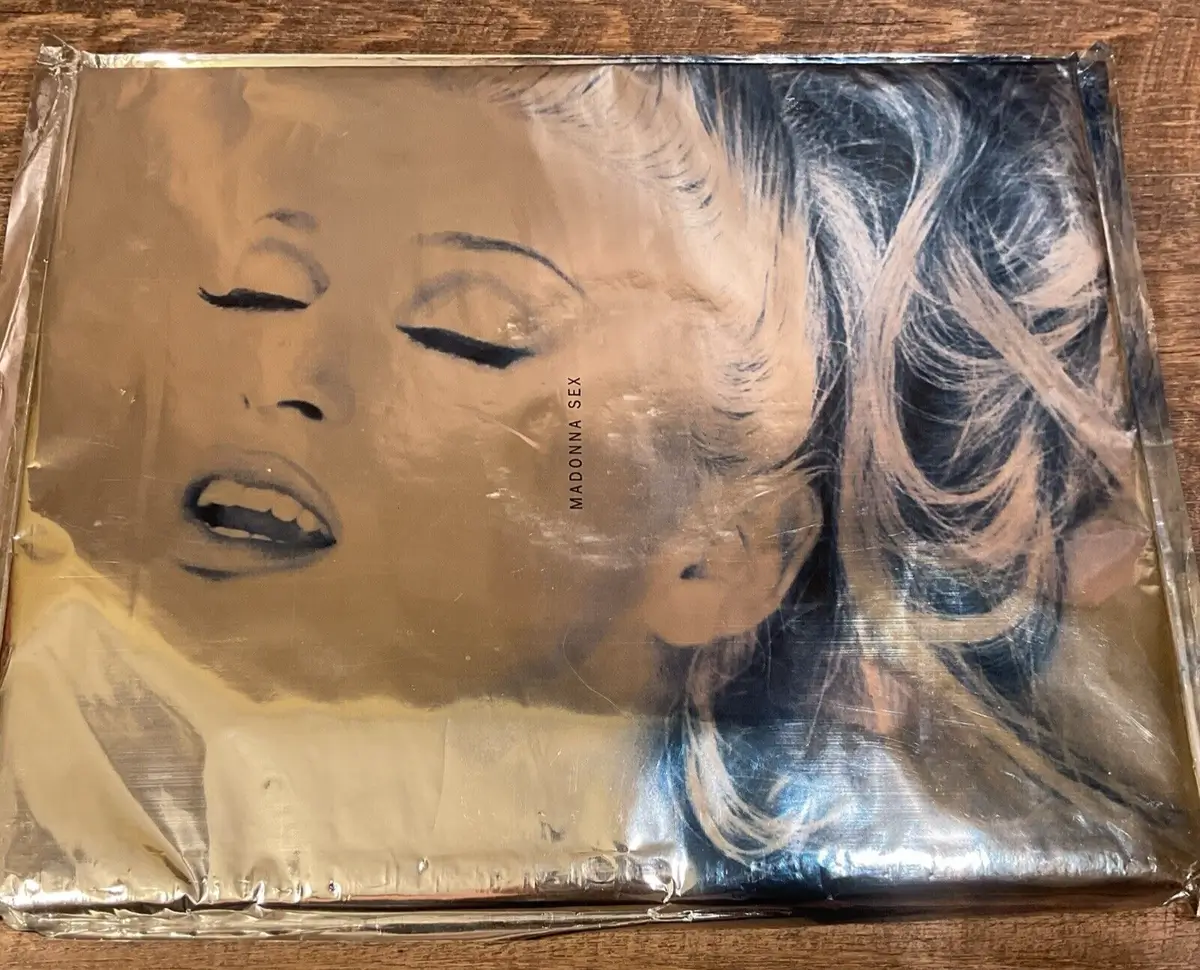
Contrast this with earlier eras. Madonna’s 1992 book Sex was a bold, explicit culture intervention amid the AIDS crisis — provocative, political, and tied to safe-sex advocacy. Pop sexuality in the 90s and early 2000s often felt like rebellion or liberation.
Today, sexual representation is omnipresent yet fragmented: algorithmic content optimized for engagement rather than provocation or connection. Porn, OnlyFans, and social media amplify hypervisibility while potentially desensitizing or raising expectations in ways that make real-world encounters feel comparatively mundane or risky.
Data from the CDC and other sources shows Gen Z reporting significantly lower rates of partnered sexual experience than Millennials or Gen X at the same age. One in four Gen Z adults in some surveys report never having had partnered sex.
frame
The question “Why is Gen Z having less sex?” risks oversimplification. What we’re witnessing is not necessarily a lack of libido but a profound reconfiguration of desire’s conditions: aesthetic (the body as image), economic (precarity), digital (hyperconnection and performance), and psychological (awareness bordering on hyper-analysis).
Desire now navigates hypervisibility and control, abundance and paralysis, freedom and exhaustion. Dating apps promised democratization of choice but delivered choice overload, comparison, and fatigue. Social media promised connection but often delivers isolation and performance pressure. Economic systems promise meritocratic futures but deliver uncertainty that discourages long-term vulnerability.
This isn’t mere moral panic or nostalgia for “simpler times.” It’s a culture form — a symptom of late-digital modernity where the self is both infinitely projectable and profoundly fragile.
Some counter-trends exist: a subset of Gen Z emphasizes intentionality, slower dating, clearer boundaries, or even deliberate celibacy as resistance to commodified intimacy. Others seek offline communities, third spaces, or analog reconnection. Optimistic readings suggest higher standards for emotional safety and mutual respect. Pessimistic ones warn of deepening loneliness epidemics with downstream effects on mental health, birth rates, and social cohesion.
Ultimately, the sex recession invites deeper inquiry: What conditions foster genuine desire today? How do we reclaim spontaneity, vulnerability, and unmediated presence in an age of mediation? How do we build economic and social structures that support — rather than undermine — human connection?
Gen Z may have access to more sexual possibility than any gen in history. The paradox is that this very access, combined with precarity and digital saturation, seems to be making the lived experience of desire more elusive. The real story isn’t abstinence versus promiscuity. It’s the shh transformation of how wanting itself feels in the 21st century.
Related Articles
France Just Banned Social Media for Kids Under 15, and the Fight Over Anonymity Is Only Getting Started
France becomes the first EU nation to bar under 15s from social platforms, and critics […]