review: Zendaya × On — The Shape of Performance, Rewritten

April 13, 2026
2 days ago
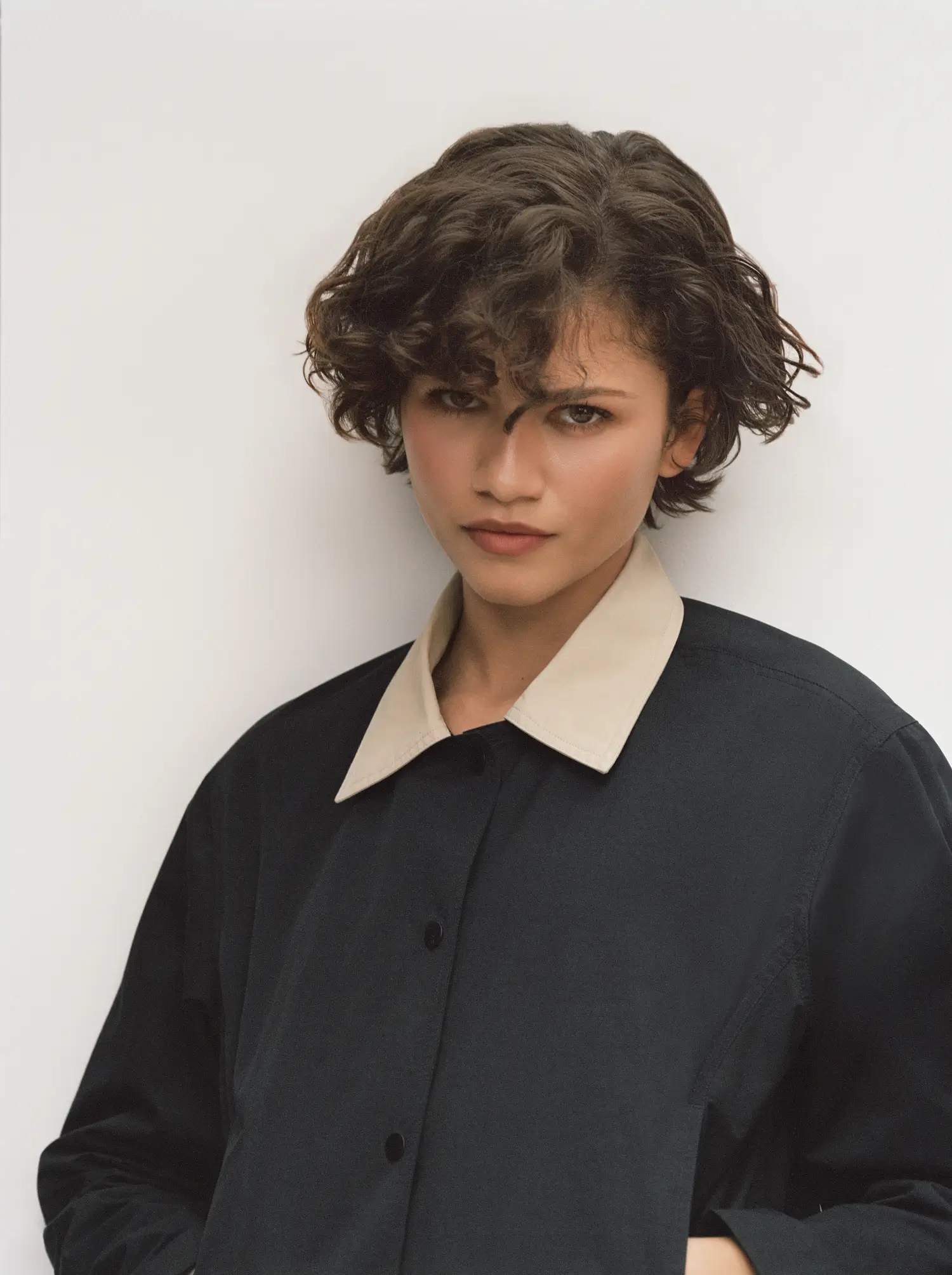
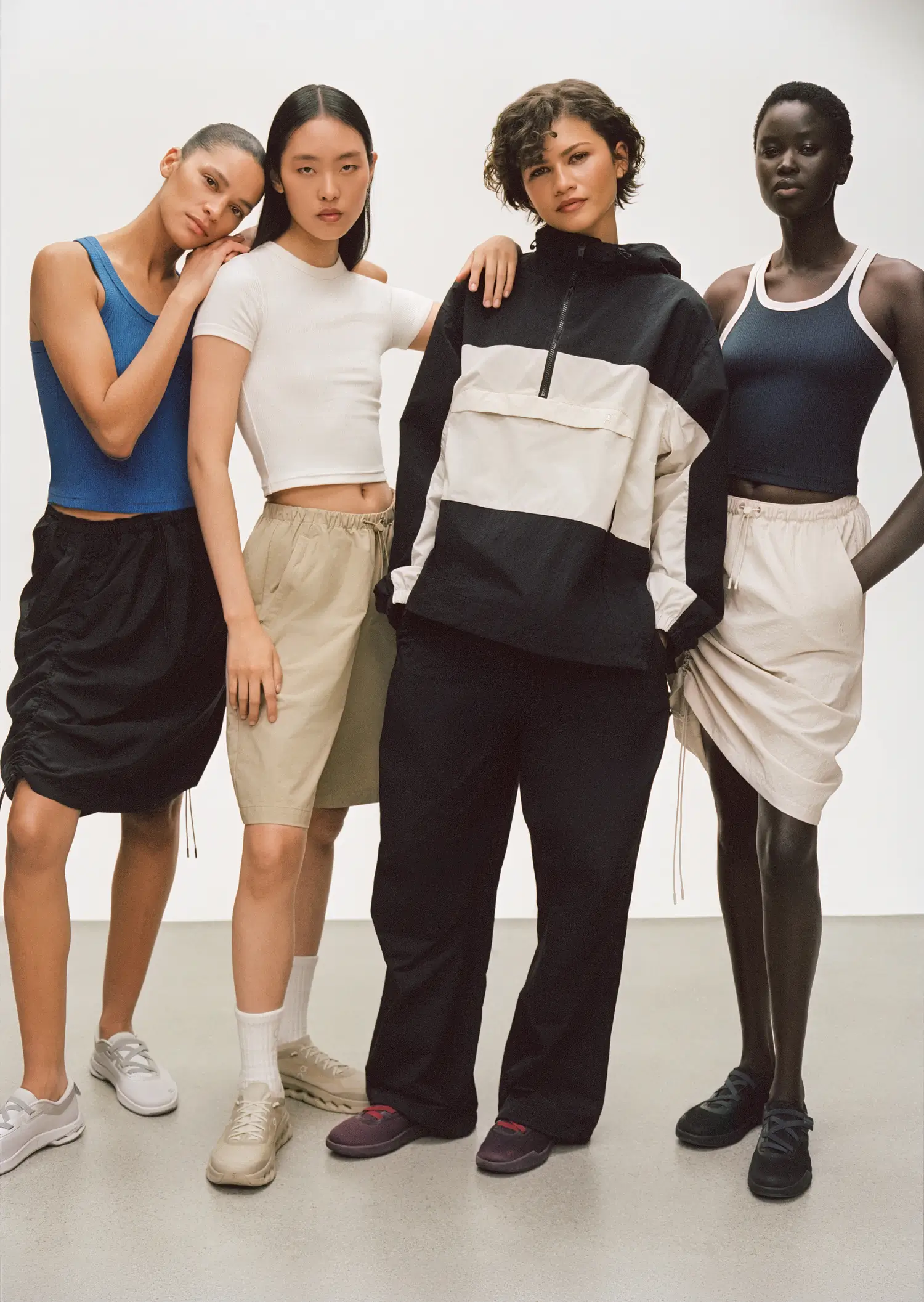
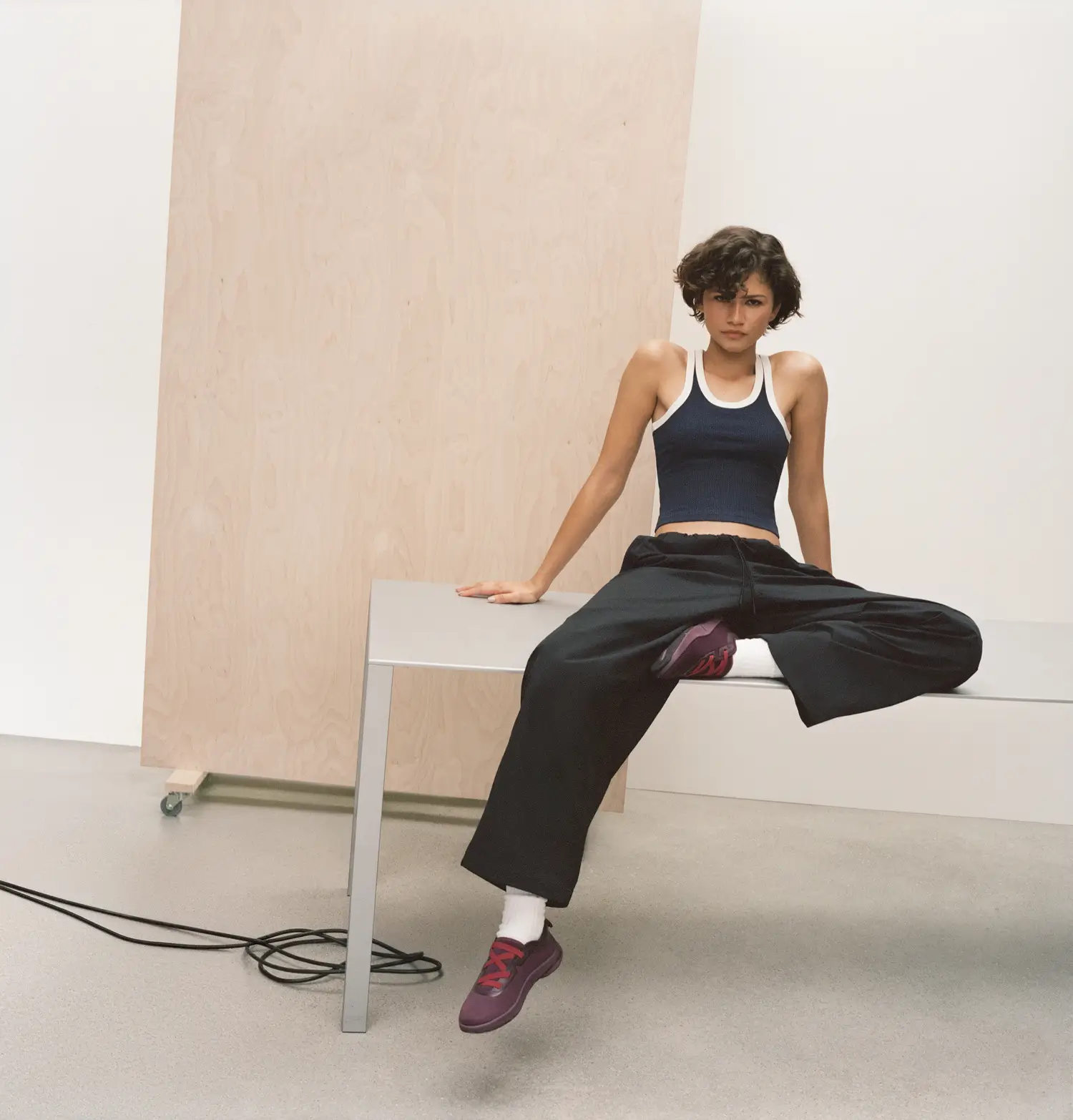
Clothing here doesn’t arrive as a static proposal. It bends, shifts, performs. The first co-designed collection between Zendaya and On opens not with product, but with transformation—a visual thesis delivered through “Shape of Dreams,” a three-minute film directed by Spike Jonze.
The premise is simple, almost childlike: bodies become shapes, shapes become garments, garments become identity. Yet the execution is layered. What appears whimsical—a square-bodied Zendaya, sleeves twisting into new configurations—reveals something more structural underneath. This is not just fashion storytelling. It is a redefinition of how performance wear can exist in a cultural frame.
Zendaya has long occupied the space between categories: actor, athlete-adjacent figure, fashion muse, brand architect. With On, she doesn’t step into sportswear; she distorts it, softens it, repositions it into something fluid and contemporary.
stir
Law Roach has described Zendaya as his “fashion soulmate,” a phrase that risks cliché until you see it operationalized. Their collaboration here is not about dressing—it is about constructing a visual system.
In “Shape of Dreams,” Roach doesn’t simply style Zendaya. He manipulates her form, reshaping her silhouette into exaggerated geometries, turning clothing into a variable rather than a fixed endpoint. The humor—her transformation into a SpongeBob-like square—acts as an entry point, but the underlying idea is serious: garments are tools of reconfiguration.
Their Instagram extensions of the campaign continue this logic in a more casual register. Zendaya, now cast as Roach’s assistant, flips the power dynamic into something comedic, almost improvisational. The message is consistent across formats: fashion is not hierarchical; it is collaborative, iterative, alive.
flow
Spike Jonze brings a distinct sensibility that elevates the campaign beyond standard brand storytelling. Known for blending surrealism with emotional clarity, Jonze approaches the collection not as product placement but as narrative material.
The dream lab setting feels intentionally artificial—clean, controlled, slightly absurd. Within it, bodies are reshaped, proportions exaggerated, identities temporarily suspended. This is not performance wear in motion; it is performance wear in concept.
The effect is disarming. Instead of watching athletes push physical limits, the viewer watches clothing push perceptual ones. It reframes the idea of “performance” from physical output to visual and cultural adaptability.
View this post on Instagram
sil
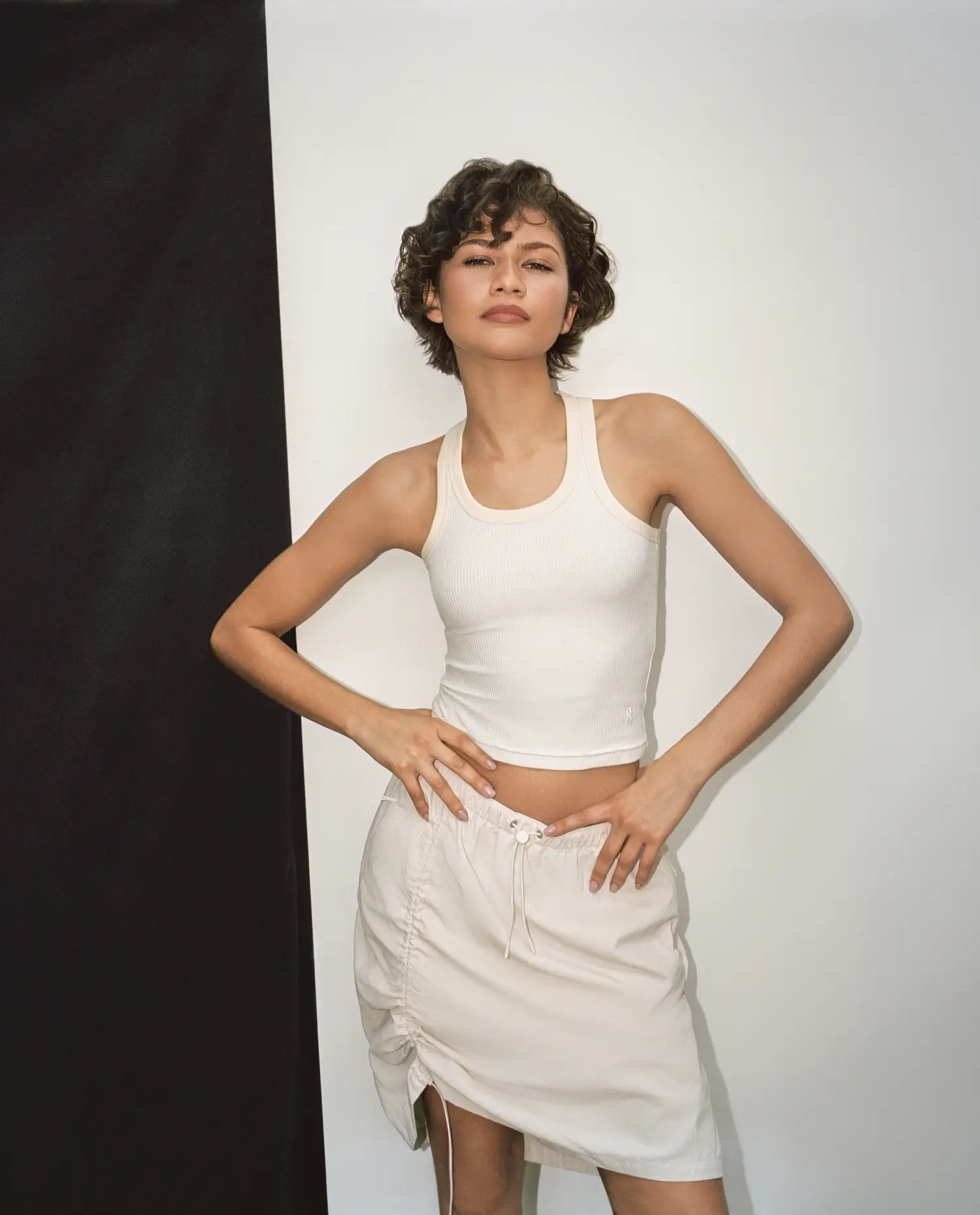
The collection itself is built on a vocabulary of essentials—ribbed tanks, t-shirts, half-zip anoraks, coach jackets—but nothing feels basic. Each piece operates within a system of proportion and adaptability.
Ribbed tanks sit close to the body, grounding the collection in familiarity. From there, silhouettes begin to open outward. Midi skirts introduce length without sacrificing movement, while parachute pants and Bermuda shorts expand volume in controlled ways.
The half-zip anorak becomes a central node. It is both functional and expressive, capable of shifting between athletic and lifestyle contexts without friction. Coach jackets, often tied to Americana, are reinterpreted through On’s technical lens—lighter, more fluid, less rigid in structure.
This is where Zendaya’s influence becomes most visible. Her personal style—often balancing sharp tailoring with relaxed sport elements—translates into garments that refuse to commit to a single category.
mat
At its core, On is a performance brand. Its identity is built on engineering—CloudTec cushioning, lightweight constructions, precision design.
This collaboration doesn’t abandon that DNA; it redistributes it. Performance is no longer isolated in footwear or hidden within technical specs. It is integrated into silhouette, into drape, into how garments interact with the body.
Fabrics appear chosen for movement rather than rigidity. Breathability, weight, and flexibility are prioritized, but without overt signaling. There are no aggressive technical cues. Instead, performance is embedded quietly, almost invisibly.
This subtlety aligns with a broader shift in sportswear. Consumers no longer need garments to announce their functionality. They expect it as a baseline. What differentiates a product now is how seamlessly it integrates into everyday life.
rare
At the center of the collection sits the Cloudnova Moon, a new sneaker model that encapsulates the collaboration’s ethos.
It is described as “edgy,” but the edge is controlled. The silhouette balances performance geometry with lifestyle wearability. It does not lean fully into running nor fully into fashion—it occupies the space between.
This hybrid positioning is deliberate. The modern consumer doesn’t segment their wardrobe by activity. A sneaker must transition from commute to casual setting to light performance without friction.
The Cloudnova Moon appears built for that fluidity. Its design language suggests movement, but its styling potential suggests versatility. It is less about peak athletic performance and more about sustained, everyday adaptability.
In that sense, it mirrors Zendaya herself—capable of moving across contexts without losing coherence.
lang
One of the most striking elements of the campaign is its humor. The transformation sequences, the exaggerated shapes, the playful Instagram clips—none of it takes itself too seriously.
This is a strategic choice. Sportswear often leans into intensity: speed, strength, endurance. By contrast, Zendaya and On introduce lightness. They allow space for play.
Humor here becomes a design language. It softens the technical aspects of the collection, making them more accessible. It invites the viewer into the narrative rather than positioning them as an observer.
This approach reflects a broader cultural shift. In 2026, audiences respond less to authority and more to relatability. Brands that can balance expertise with approachability gain traction.
position
Zendaya occupies a unique position within contemporary culture. She is both insider and outsider—deeply embedded in fashion systems while maintaining a sense of distance from them.
Her collections tend to reflect that duality. They are informed by high fashion, but they rarely feel exclusive. Instead, they translate complex ideas into accessible forms.
With On, she extends that approach into sportswear. She doesn’t attempt to out-engineer the brand. Instead, she reframes its output through a cultural lens, making it resonate beyond performance contexts.
This is where the connections succeeds most clearly. It doesn’t try to redefine On from the inside. It reinterprets it from the outside.
rel
The collection drops online on April 16, with a sign-up system in place for early notifications. This controlled release strategy aligns with contemporary consumption patterns—anticipation is built gradually, access is structured, demand is concentrated.
It also reflects the hybrid nature of the collect. While rooted in performance, the collection adopts elements of fashion release culture—limited drops, narrative campaigns, digital engagement.
The result is a product launch that feels less like a standard retail event and more like a cultural moment.
flow
What emerges from Zendaya x On is not a traditional capsule collection. It is a system of ideas expressed through garments, footwear, and media.
Shape becomes metaphor. Performance becomes adaptable. Humor becomes connective tissue.
The collaboration suggests that the future of sportswear lies not in pushing technical boundaries alone, but in redefining how those boundaries are perceived. It is not enough for clothing to perform; it must also communicate, adapt, and resonate.
Zendaya and On understand this. They build a collection that moves between categories, between tones, between expectations.
And in doing so, they offer something that feels increasingly rare: a coherent vision that doesn’t need to declare itself loudly to be understood.