DRIFT

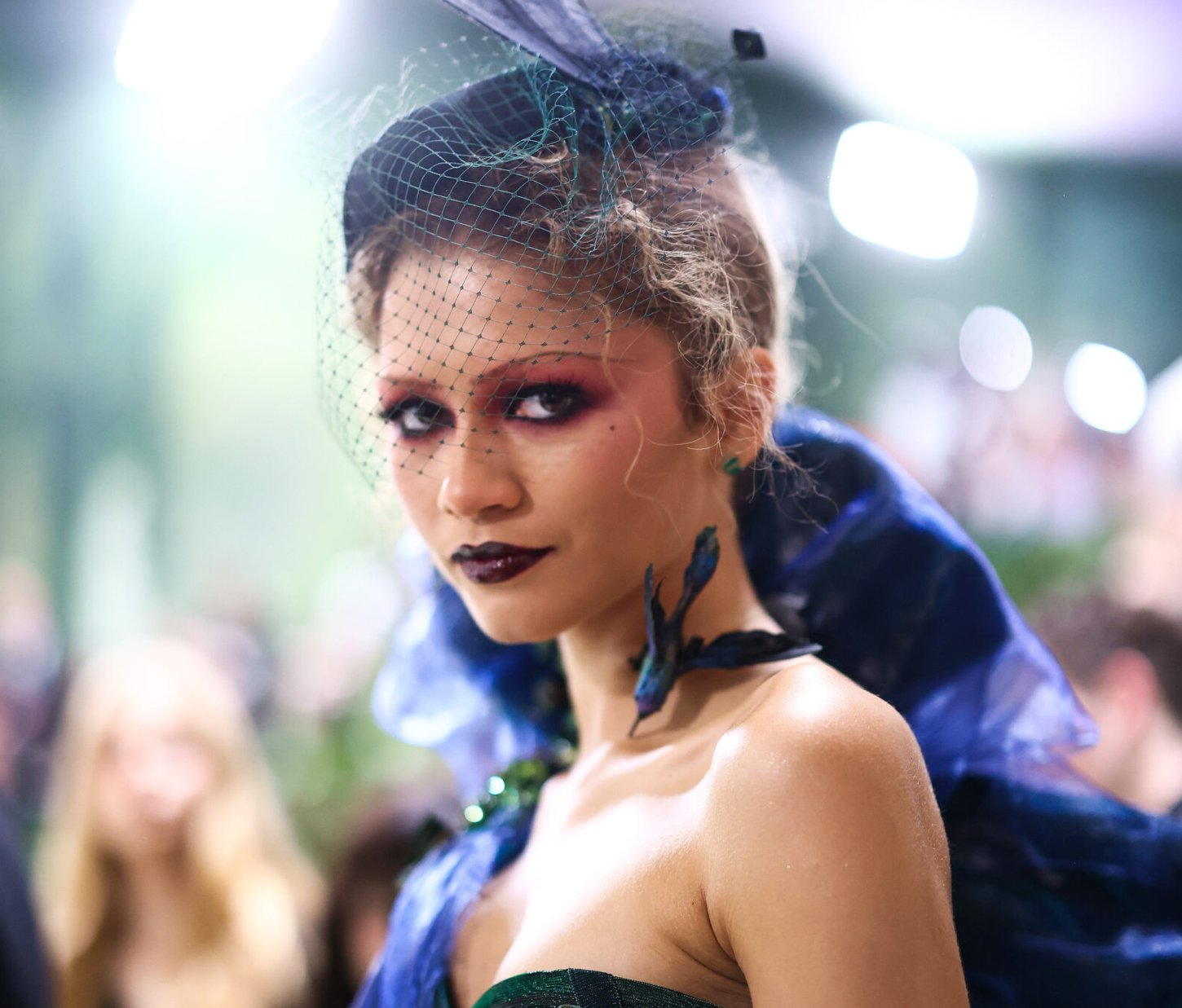
The first Monday of May has become an annual spectacle—where fashion, art, and celebrity converge on the red-carpeted steps of the Metropolitan Museum of Art. In 2025, that spectacle promises to be more meaningful than ever. On May 5th, the Met Gala returns with a theme that dives deeper than surface glamour. Titled “Tailored for You,” the event will celebrate the Costume Institute’s spring exhibition, “Superfine: Tailoring Black Style.”

Rather than centering European couture houses or avant-garde fashion futurism, this year’s theme is rooted in cultural reclamation. “Superfine” explores the history, evolution, and influence of Black dandyism—an aesthetic and social practice where fashion becomes not just personal expression, but political action. The 2025 Met Gala will be more than just a party. It will be a cultural reckoning dressed in double-breasted suits, silk cravats, and the sharp lines of self-possession.

Black Dandyism: More Than a Style

To understand the importance of “Superfine” is to understand Black dandyism—not as a niche subculture, but as a centuries-long tradition of resistance through elegance. Rooted in West African sartorial heritage and refined under the oppressive gaze of Western society, Black dandyism is the art of dressing with deliberate dignity in a world that often denies that dignity.

From Frederick Douglass to André Leon Talley, from 19th-century freedmen to contemporary icons like Jidenna and Steve Lacy, the Black dandy uses fashion not only to express individuality but to challenge racist power structures that seek to limit it. Suits, hats, and fine tailoring become armor, defiance, and performance all at once.

Fashion has always been political for the marginalized. When you’ve been historically denied the full range of humanity, simply dressing with intention and opulence becomes an act of reclamation. The sharpness of the Black dandy is not just in his cuffs or collars—it’s in his critique.

“Tailored for You”: A Dress Code with Purpose

Every Met Gala comes with a dress code, often abstract (“Heavenly Bodies,” “Camp,” “Gilded Glamour”), designed to provoke interpretation and creativity. But “Tailored for You” is refreshingly literal—and powerful. It signals a shift away from spectacle-for-spectacle’s-sake toward something intimate and political.

The phrase invites attendees to consider the cultural specificity of their garments. It asks: Who are you dressing for? What does your tailoring say about you? About your lineage? Your politics? Your sense of belonging?

Expect to see precision suiting, but with flair—traditional African fabrics reimagined in Savile Row silhouettes, bold color palettes, exaggerated lapels, custom linings that carry personal or historical meaning. Menswear rules the evening, but through a lens of identity, queerness, and cultural memory.

The Costume Institute’s Exhibition: “Superfine”

The Costume Institute’s spring exhibition, “Superfine: Tailoring Black Style,” will feature an expansive survey of Black fashion from the 18th century to the present. Curated by Kimberly Jenkins, founder of the Fashion and Race Database, the exhibit brings together archival garments, portraits, ephemera, and contemporary designs to tell a story often excluded from fashion history.

From the zoot suits of Harlem’s swing era to the soft elegance of modern Black designers like Wales Bonner, the exhibition reveals how Black people have continuously reshaped Western fashion norms while creating entirely new ones. It also explores the tension between fashion as a tool of assimilation and as a form of subversion.

Expect pieces from emerging Black tailors alongside works from fashion legends—Ozwald Boateng, Patrick Kelly, Dapper Dan, and Virgil Abloh. But “Superfine” isn’t just a fashion timeline—it’s a socio-political map. One where every hem, button, and cut carries the weight of survival and style.

Cultural Context: From Enslavement to Empowerment

This year’s Met Gala doesn’t just look good—it looks back.

In antebellum America, enslaved Black people were often denied the right to dress themselves freely. Clothing was a tool of control. But even under these circumstances, enslaved and free Black individuals found ways to subvert expectations—dyeing fabrics, modifying uniforms, creating personal flair wherever possible. The desire to self-style never disappeared; it adapted.

During Reconstruction and Jim Crow, Black excellence in dress became a way to combat degrading stereotypes. In the Harlem Renaissance, it bloomed into swagger. During the Civil Rights Movement, it sharpened into uniformity—dark suits and ties conveying seriousness and solidarity. In the 1980s and ’90s, hip-hop remixed dandyism with streetwear and luxury logos, while Black queer and ballroom communities pioneered gender-fluid fashion decades ahead of the mainstream.

The throughline is clear: Black style is never just about trends. It’s about survival, status, soul—and the right to be seen on your own terms.

Who Will Show Up, and How

The Met Gala guest list is notoriously exclusive—Hollywood stars, athletes, designers, artists, and the fashion elite. But 2025’s theme demands more than glamor. It demands intentionality.

Expect standout looks from Black designers and stylists who’ve long operated on the edges of fashion’s white-dominated elite. Law Roach, who has styled Zendaya and Celine Dion with unmissable flair, is likely to deliver a masterclass in tailored storytelling. Designers like Christopher John Rogers, Telfar Clemens, and Thebe Magugu could redefine red carpet menswear with silhouettes that blur the binary and spotlight Black identity.

Musicians will likely lean into theatrical tailoring—think Janelle Monáe in gender-bending tuxedo dresses, or Tyler, The Creator in vintage-inspired, pastel-laced suiting. Beyoncé may channel Harlem Renaissance glamour. Rihanna may show up draped in history, wrapped in silk and symbolism. But more than outfits, we’ll be watching for intent.

This year, the best-dressed list won’t just be about fabric—it’ll be about narrative.

The Politics of the Gala

The Met Gala has often come under fire for being detached from real-world struggles—an insular parade of extravagance. But “Tailored for You” suggests an effort to ground the event in deeper meaning.

By centering Black dandyism—a style historically excluded or appropriated—the Gala reframes fashion as a tool of both critique and celebration. It doesn’t erase the gala’s inherent exclusivity, but it does challenge attendees to show up with more than just designer labels. It asks them to do their homework.

The stakes are different when you’re dressing in conversation with a history of oppression and artistry. This isn’t costume; it’s continuity.

Beyond the Red Carpet: What This Moment Means

Fashion is memory. It’s politics. It’s aspiration and archive. The 2025 Met Gala may be the most significant yet because it makes that plain.

It also comes at a time when conversations about cultural appropriation, equity in fashion, and the erasure of Black creatives remain unresolved. The industry still lags in meaningful inclusion behind the scenes. Black designers still face barriers to funding, visibility, and institutional support. The exhibit and gala can’t solve that—but they can shine a light.

And more importantly, they can elevate the conversation. They can make space for audiences, critics, and creators to re-evaluate how we tell the story of fashion—and whose stories get told.

Impression

The 2025 Met Gala, with its “Tailored for You” dress code and “Superfine” exhibition, invites us into a moment of intentional beauty. One where the seams of clothing hold decades of resistance, joy, struggle, and excellence. One where the red carpet becomes a runway for Black identity not as trend, but as foundation.

This isn’t just about what celebrities will wear. It’s about the larger story that fashion tells—and who gets to be its author. By highlighting Black dandyism, the Met signals that fashion history is incomplete without the voices and visions of those who have long shaped it from the margins.

In this moment, the tailoring is not just aesthetic—it’s symbolic. It’s about clothing that fits the body and the history it walks in.

Because fashion, when done right, is not just tailored for you. It’s tailored by you. And that makes all the difference.

Related Articles

Modern data center facility with a solar-panel-clad exterior, bright green administrative offices, and secure perimeter fencing, showcasing sustainable digital infrastructure and renewable energy integration

Lombardy’s Data Center Boom: Balancing Digital Ambition with Environmental Responsible

Lombardy has emerged as Italy’s primary hub for new digital infrastructures, particularly data centers—vast complexes […]

In a highly anticipated reunion after 24 years, Adidas Originals and Coca-Cola have joined forces once again to celebrate the FIFA World Cup 2026™. The collaboration revives their iconic 2002 partnership from the Japan-South Korea tournament, now reimagined for the biggest global sporting event of 2026, co-hosted by the United States, Canada, and Mexico. Set to launch on June 6, 2026, this collection masterfully blends Adidas' streetwear heritage with Coca-Cola's timeless branding, creating a vibrant fusion of football culture, nostalgia, and modern style. The drop arrives at a perfect moment. With the World Cup kicking off on June 11, 2026, fans worldwide are gearing up for a summer of football excitement. This collaboration isn't just merch—it's a cultural statement that merges two legendary brands under the banner of "Originals are the Real Thing," a clever twist on Coca-Cola's famous slogan. Historical Context: A Reunion 24 Years in the Making Adidas and Coca-Cola first collaborated during the 2002 FIFA World Cup, producing limited-edition pieces that captured the era's energy. That partnership helped define early 2000s football-streetwear crossover culture. Fast-forward to 2026, and the brands are back with fresh energy, leveraging Adidas' deep FIFA ties (as an official partner) and Coca-Cola's long-standing sponsorship of the tournament. The 2026 edition promises to be historic as the first 48-team World Cup, spanning three countries and generating unprecedented global hype. This collab taps into that momentum, offering fans wearable pieces that celebrate both brands' legacies while looking forward to the future of football fashion. Collection Overview and Design Philosophy The Adidas Originals x Coca-Cola collection fuses 2000s street style with classic sporting aesthetics. Expect bold reds, creams, whites, and silver accents inspired by Coca-Cola's iconic packaging—think classic script logos, droplet detailing, and can-inspired motifs. The lineup spans footwear, apparel, and accessories, divided into two visual directions: one logo-heavy and graphic-forward, the other drawing from vintage advertising aesthetics. Designs pay homage to Coca-Cola's visual language while staying true to Adidas Originals' archival roots. High-quality materials, attention to detail, and versatile silhouettes make these pieces suitable for both match-day wear and everyday street style. The campaign, featuring young football star Lamine Yamal and a diverse cast in everyday scenes building anticipation for the tournament, reinforces themes of originality and shared cultural moments. Footwear Highlights Footwear takes center stage in this collaboration, with reimagined takes on iconic 2000s Adidas silhouettes: Samba and Superstar Models: These classics get Coca-Cola treatment with white/cream/red colorways and prominent script branding. The Samba blends street heritage with football roots, while the Superstar II features weathered bases and bold side panels. Expected pricing around $110–$130. Adistar Control 5: A standout with droplet detailing mimicking condensation on a cold Coke can. This model brings performance-inspired design into lifestyle territory. Predator Sala: Indoor/hybrid style with silver-and-red accents, nodding to predatory precision on the pitch and Coca-Cola's bold energy. Climacool 1: Revived with breathable tech and Coke-inspired graphics, perfect for warm summer days. Megaride F50: A highlight paying tribute to the iconic Coca-Cola glass bottle, with unique contours and refreshing design cues. Each pair incorporates thoughtful details like embroidered logos, custom insoles, and packaging that mimics vintage Coke crates or cans. These shoes are built for durability and comfort, appealing to sneakerheads, football fans, and casual wearers alike. Apparel and Accessories Beyond kicks, the collection offers a full lifestyle range: Track Tops and Jerseys: Standout jerseys fuse retro Coca-Cola advertising from different eras into cohesive football designs. Track jackets feature signature three stripes alongside Coke branding, in vibrant reds and classic whites. Shorts and T-Shirts: Relaxed fits with graphic prints, ideal for casual wear or layering. Expect motivational football motifs blended with refreshing beverage references. Accessories: A bright red airliner bag stands out as a functional statement piece. Additional items may include caps, socks, and tote bags carrying the collaborative spirit. The apparel emphasizes comfort with premium cotton blends, mesh panels for breathability, and oversized silhouettes popular in contemporary streetwear. Unisex sizing and inclusive fits make the collection accessible to a broad audience. Cultural Impact and Fan Appeal This collaboration resonates on multiple levels. For football fans, it represents national pride and global unity ahead of the 2026 tournament. Sneaker enthusiasts will appreciate the nostalgic 2000s revival mixed with modern execution. Streetwear collectors see it as a prime example of how heritage brands can innovate through partnerships. In an era where sports and fashion increasingly intersect, Adidas and Coca-Cola deliver pieces that transcend the pitch. Wear them to watch matches at home, attend watch parties, or hit the streets in any host city—New York, Los Angeles, Toronto, or beyond. The designs are versatile enough for gym sessions, festivals, or daily commutes. The timing aligns perfectly with rising interest in football in North America, boosted by the co-hosting nations. Young talents like Lamine Yamal in the campaign help bridge generational gaps, attracting newer fans while satisfying longtime supporters. Where to Buy and Release Details The collection launches globally on June 6, 2026, via: Adidas CONFIRMED app (for early access and raffles) Adidas.com Select retailers and flagship stores worldwide Some regions may see staggered drops, with Japan and other markets getting early access. Prices are expected to range from $50–$150 depending on the item, making it relatively accessible compared to ultra-limited drops. Pro Tips for Copping: Enable notifications on the CONFIRMED app. Check local stock at Adidas stores in major cities. Monitor resale platforms post-drop for exclusive colorways, but be wary of markups. Size up slightly for oversized apparel fits. Given the World Cup hype, popular items like the Sambas and jerseys are likely to sell out quickly. International shipping is available, but factor in potential customs delays. Styling Suggestions Match Day Look: Pair a collaborative jersey with classic black shorts and Samba sneakers for effortless fan style. Streetwear Rotation: Layer a track top over a graphic tee with wide-leg pants and the Megaride F50 for a bold urban ensemble. Casual Summer: White Superstar with denim shorts and the airliner bag for a refreshing, vacation-ready vibe. These pieces mix seamlessly with existing Adidas or neutral wardrobes, maximizing versatility. Broader Context in 2026 Fashion and Sports The Adidas x Coca-Cola drop is part of a larger wave of high-profile collaborations tied to the World Cup. Adidas continues its dominance in football kit design, while Coca-Cola leverages its sponsorship with collectibles, bottles, and experiential activations like the Trophy Tour. In the sneaker industry, this collab exemplifies the ongoing trend of lifestyle reinterpretations of performance silhouettes. It also highlights how global brands use major events to drive cultural conversations around unity, originality, and joy—core values for both companies. Sustainability notes (based on Adidas' broader initiatives) suggest some pieces may incorporate recycled materials, aligning with modern consumer expectations. Looking Forward: Legacy and Excitement As the countdown to kickoff continues, this collection serves as the perfect prelude to an unforgettable summer of football. Whether you're a die-hard supporter, a fashion-forward collector, or someone seeking motivation through style, the Adidas Originals x Coca-Cola FIFA World Cup 2026 lineup delivers. Expect potential restocks, special event exclusives in host cities, and continued campaign content featuring more athletes. This isn't just clothing—it's a ticket to participate in the global celebration of the beautiful game. Mark your calendars for June 6, 2026. Refresh your wardrobe, lace up those Sambas, and get ready to cheer on your team in style. The "Real Thing" meets the Originals in what promises to be one of the most talked-about releases of the year. This collaboration captures the essence of football's universal appeal: bringing people together through shared passion, iconic brands, and unforgettable moments. As the world prepares for 2026's expanded tournament, Adidas and Coca-Cola remind us that some partnerships are truly timeless.

Adidas Originals x Coca-Cola Collection: FIFA World Cup 2026

In a highly anticipated reunion after 24 years, Adidas Originals and Coca-Cola have joined forces […]

Loewe shoulder bag crafted in brown and black leather with minimalist lion face detailing and a matching fur tail charm

180 Years Unfolded: The Full Story Behind Loewe’s New Campaign

The year was 1846. Queen Victoria was on the British throne and the telephone, the […]