DRIFT AUDIO
Listen to this story
Choose a voice, then press play.
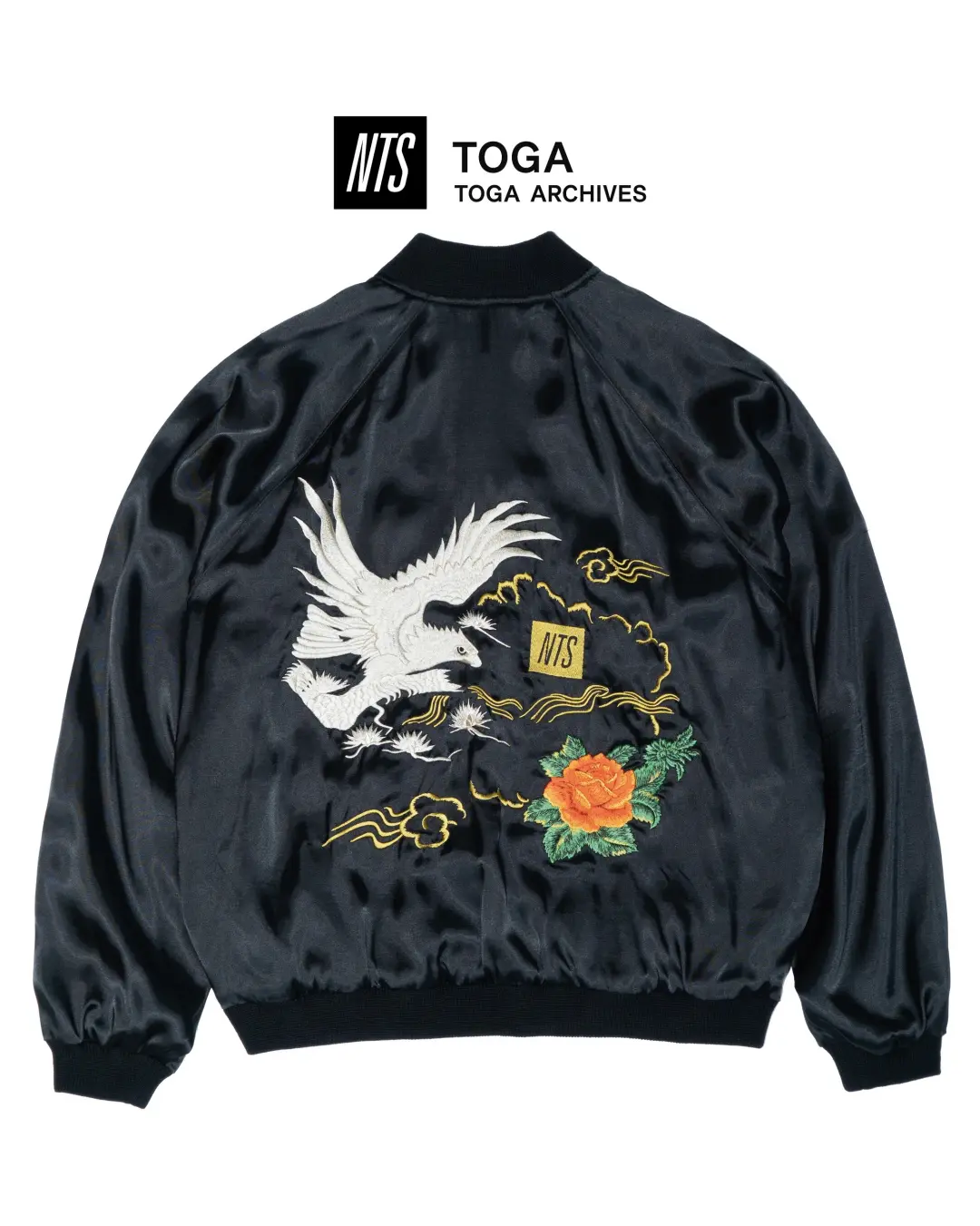
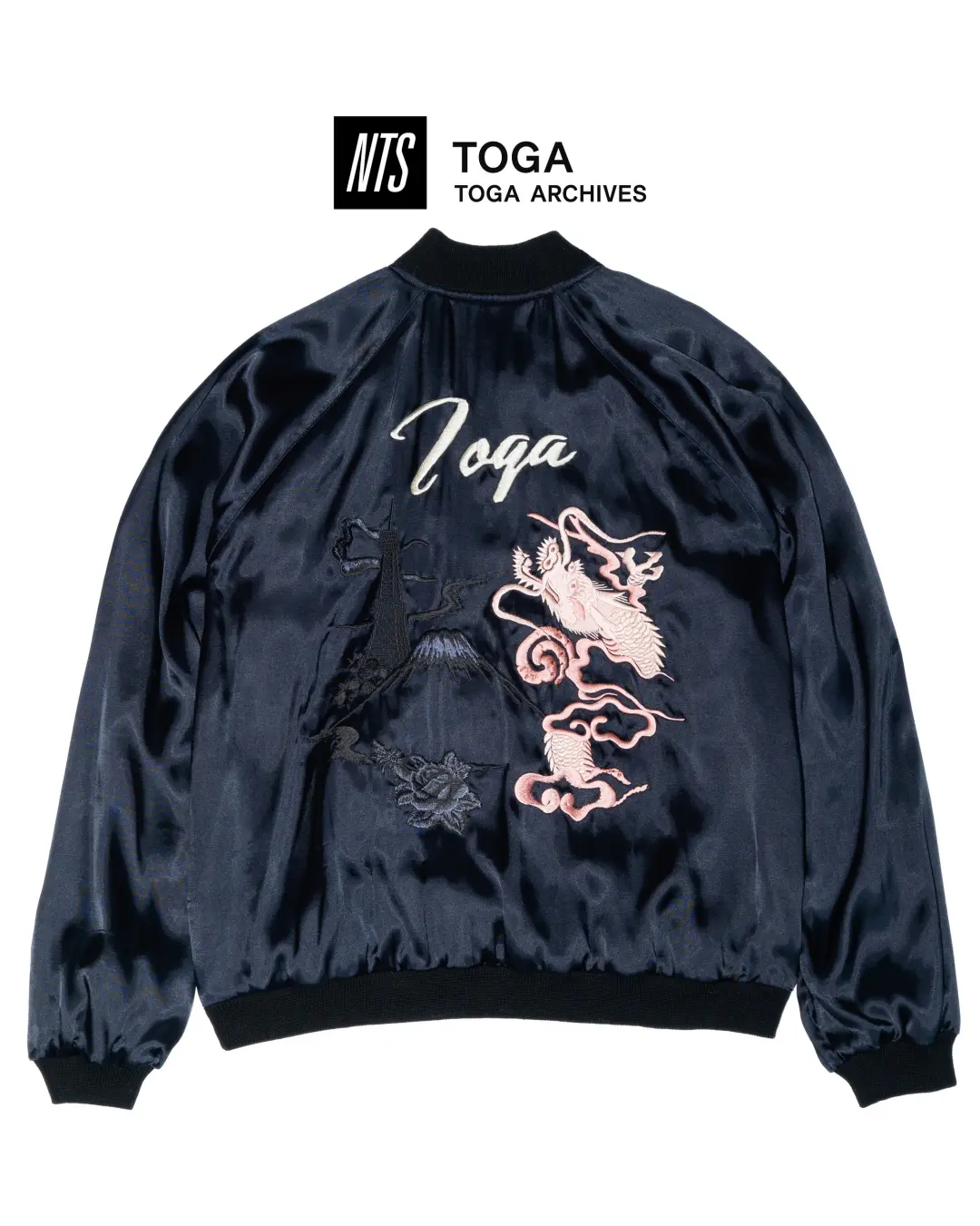
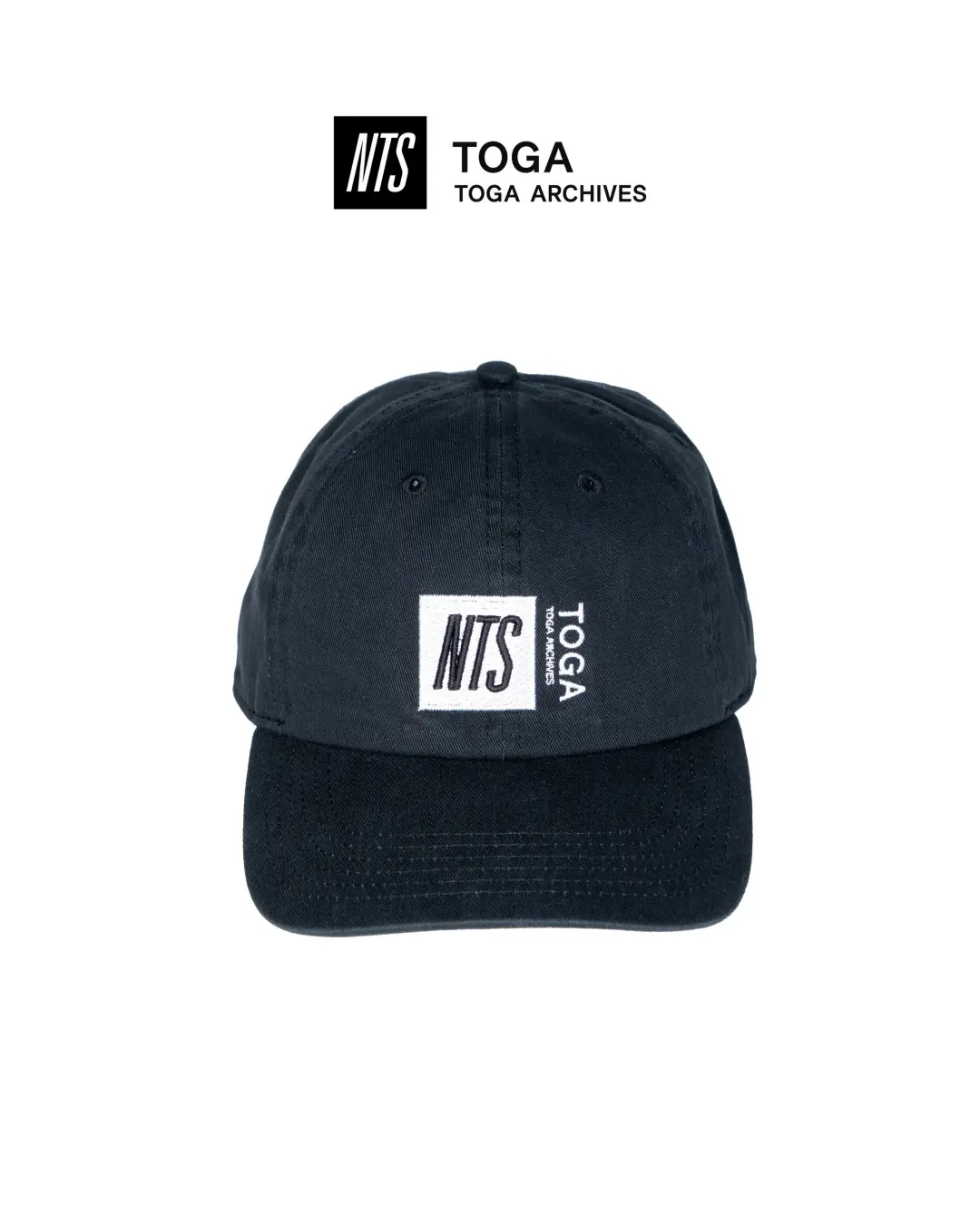
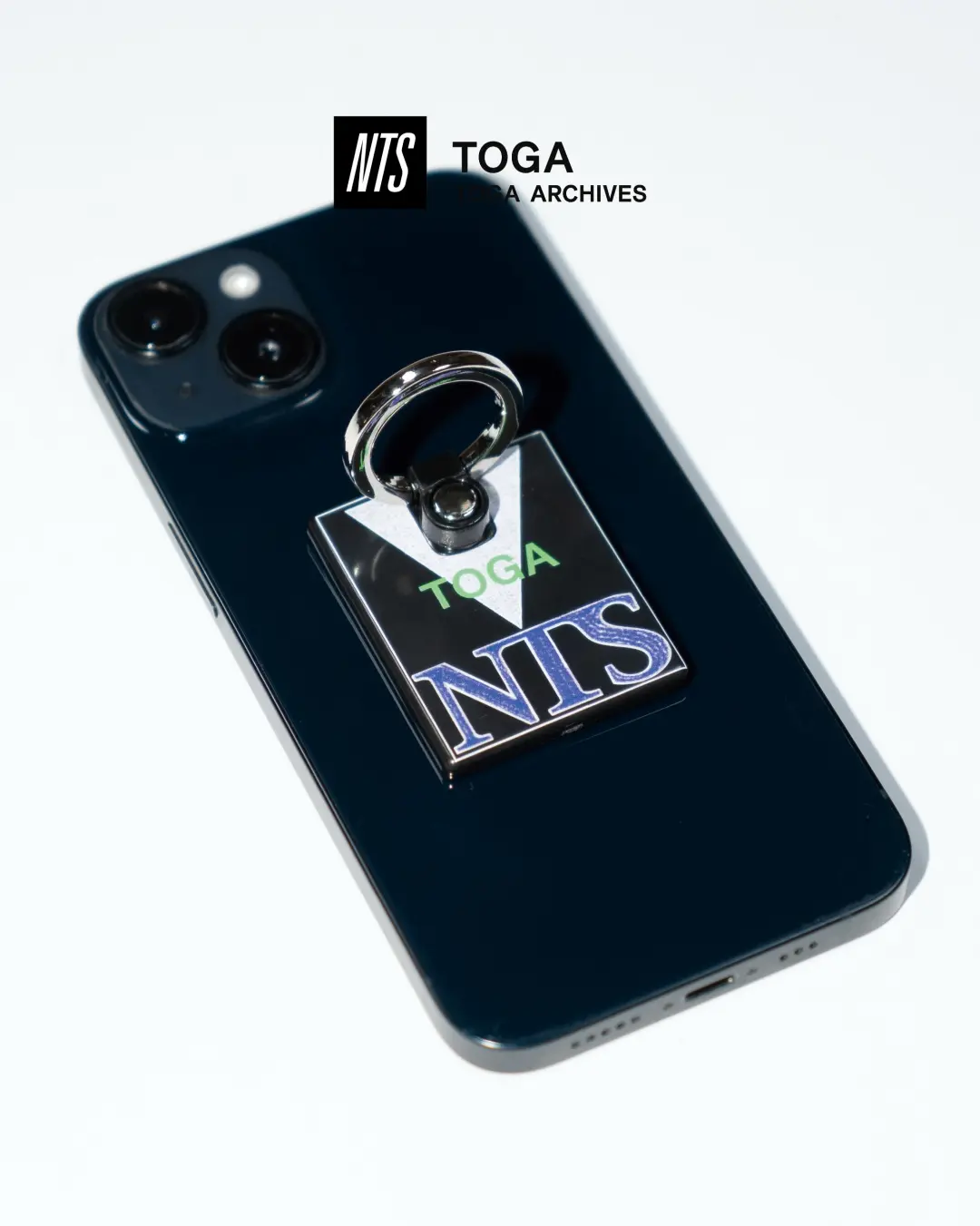
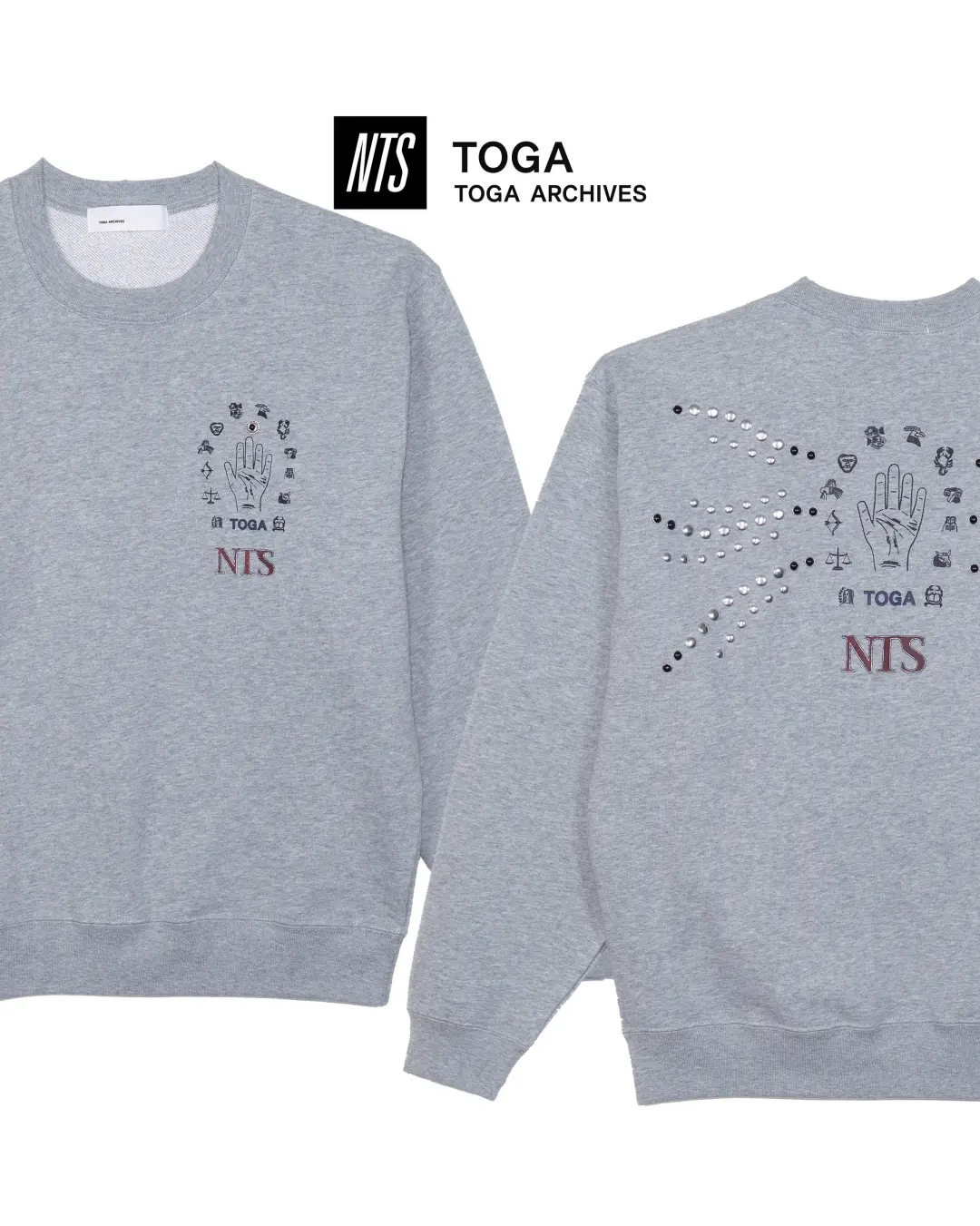
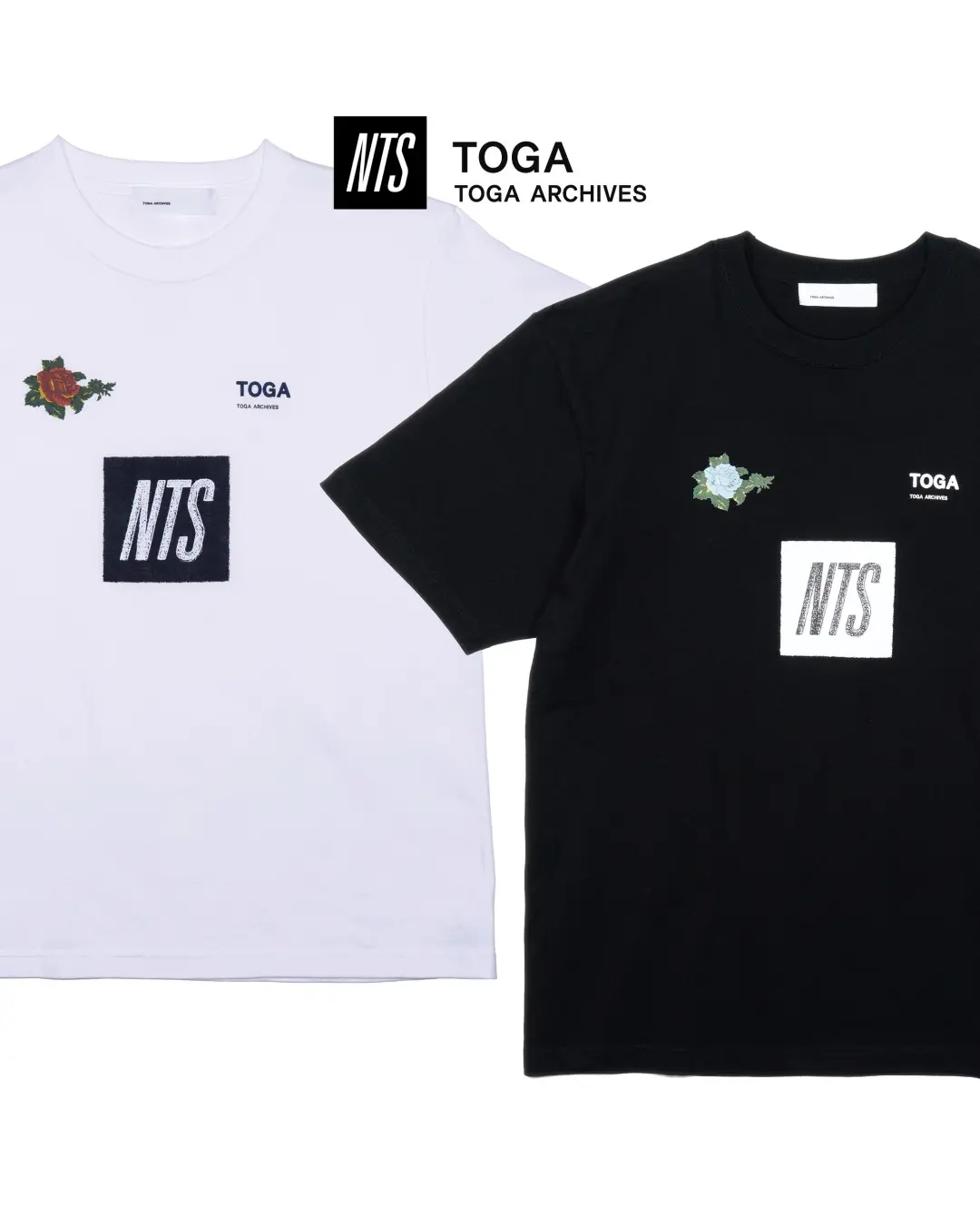
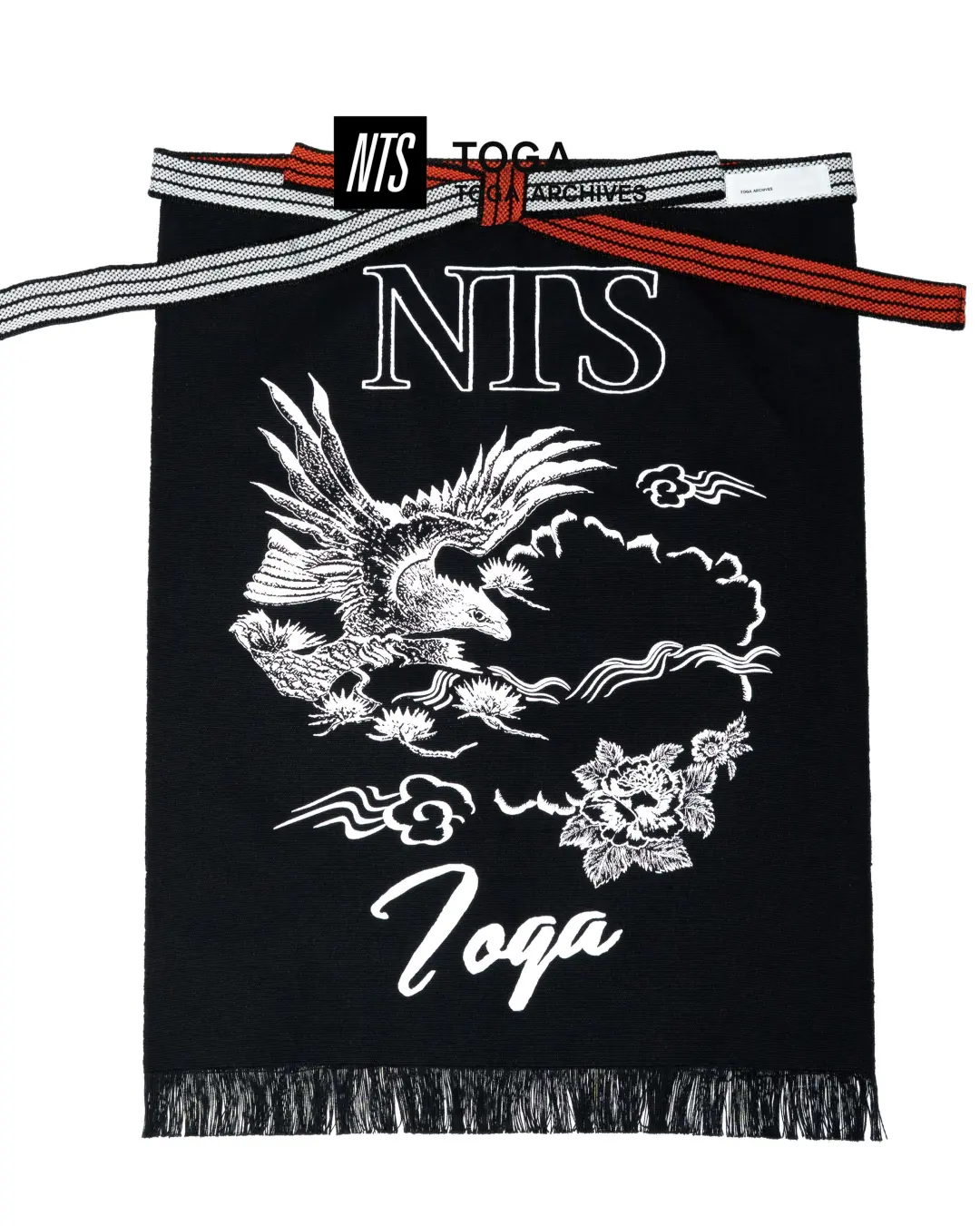
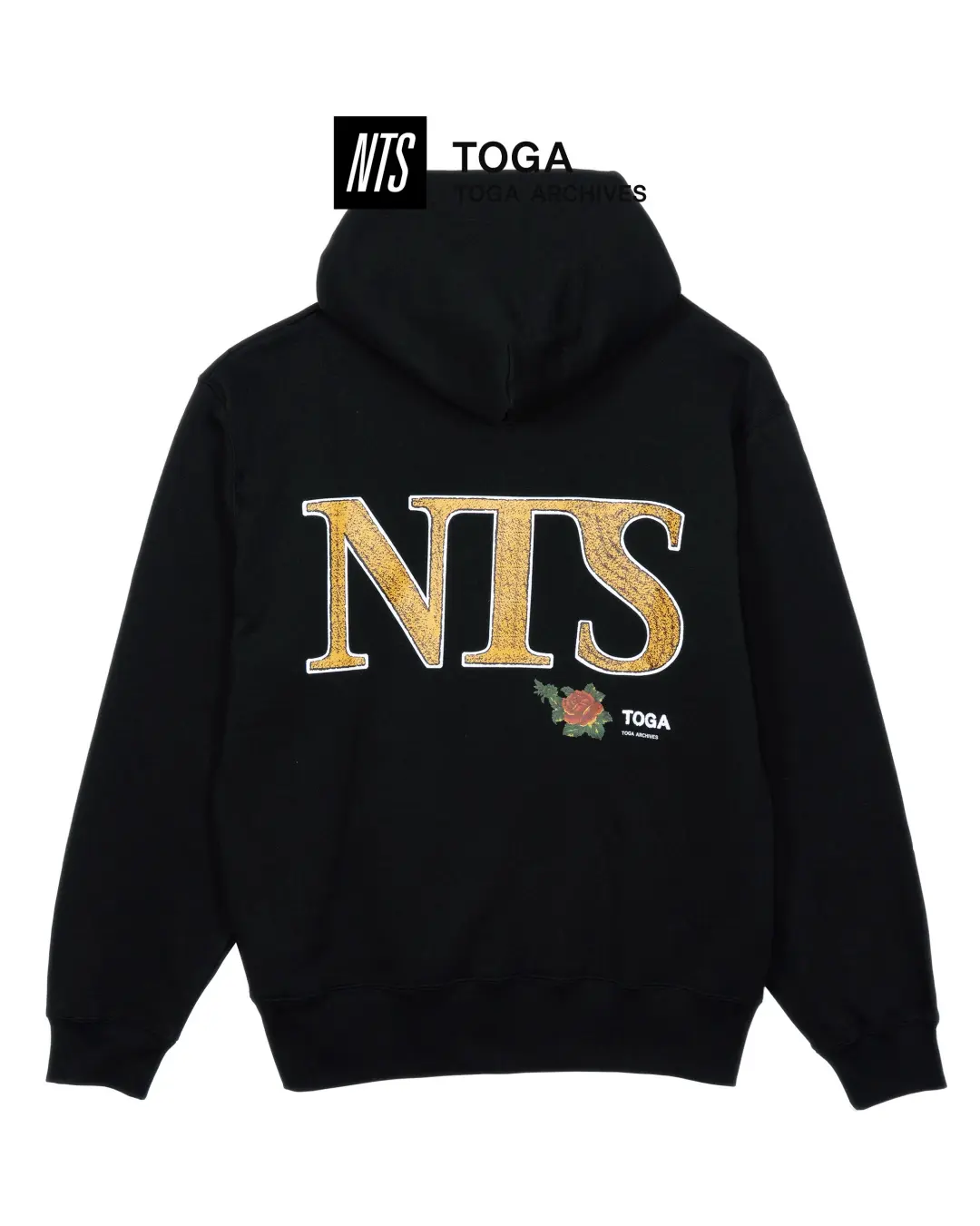
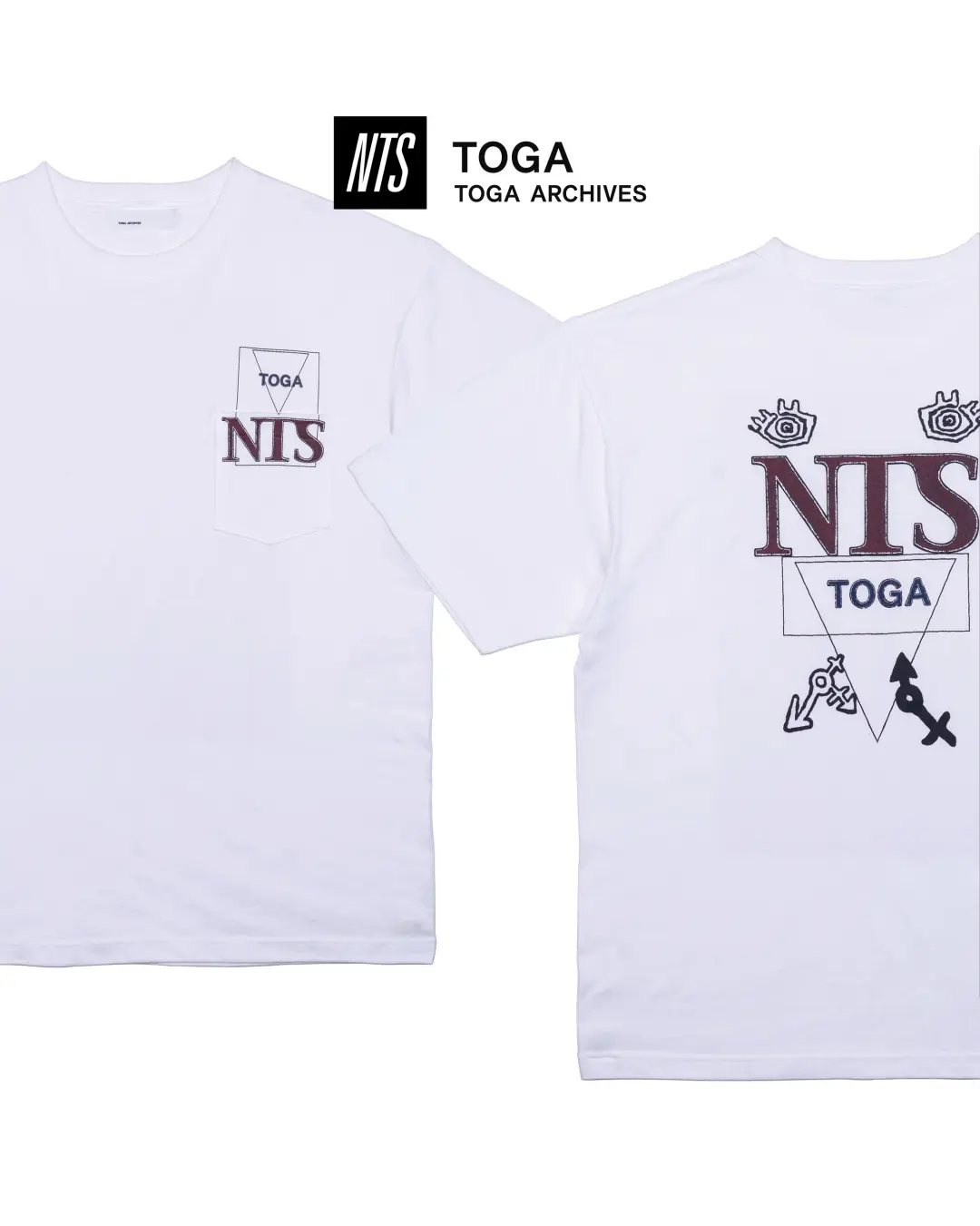
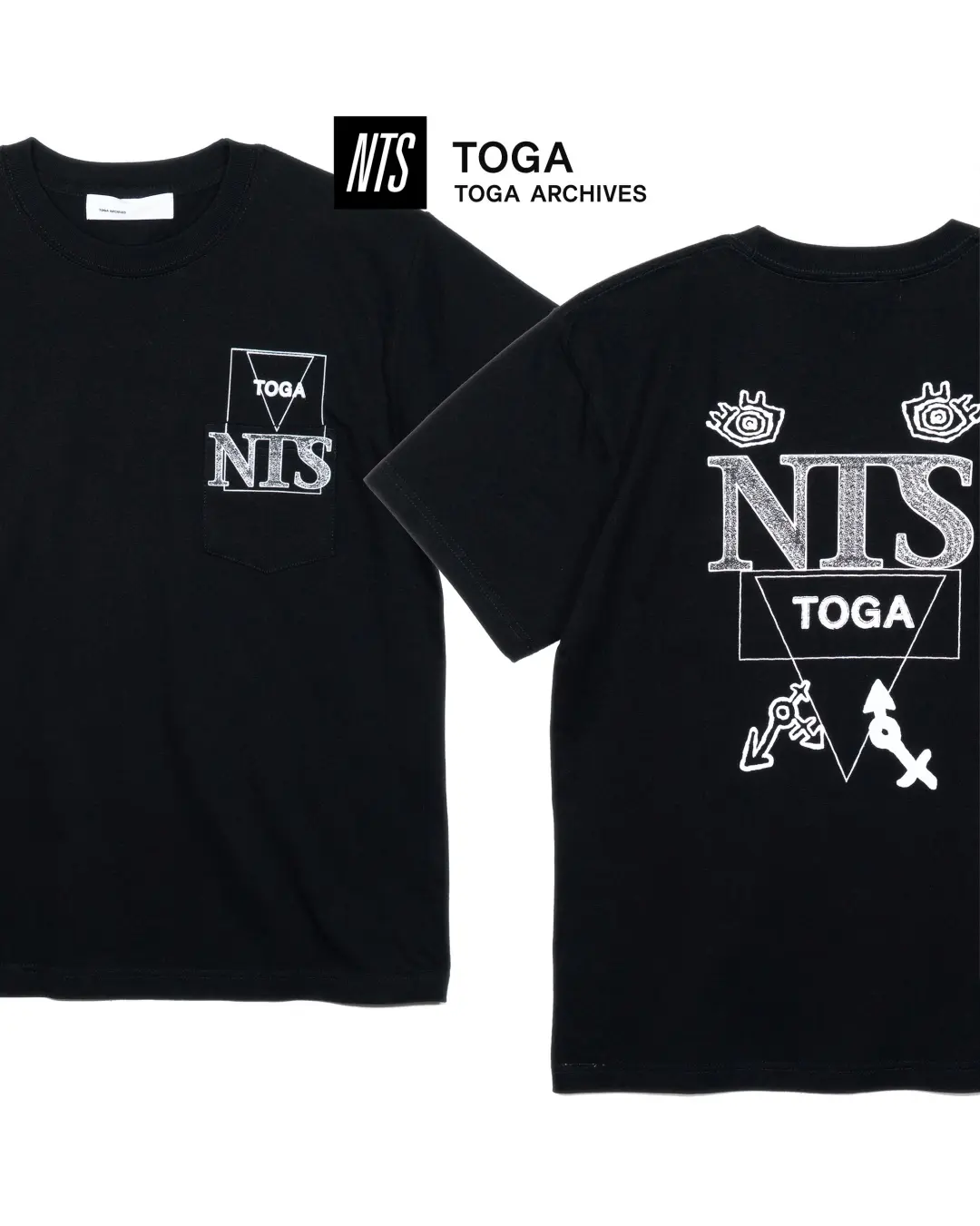
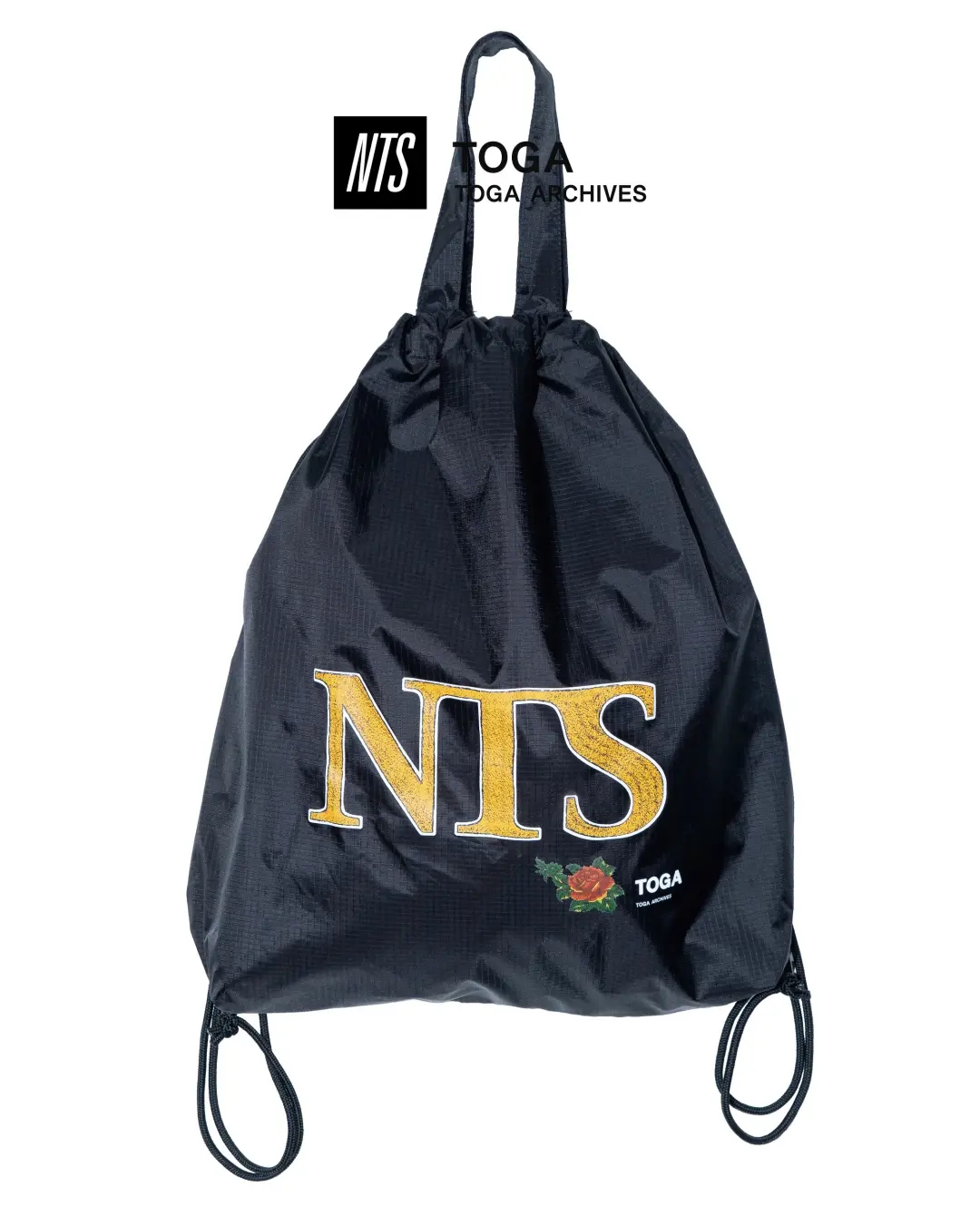
TOGA and NTS Radio open their first ever capsule collection on July 31, eleven pieces built around a graphic that first surfaced on a runway months earlier.
Somewhere between a runway show in September and a Paris party in June sat the actual product, and it arrives this week. TOGA and NTS Radio are rel their debut joint capsule on July 31, and the line reads less like a licensing exercise than like two organizations that have circled each other for years finally sitting down to make something.
stir
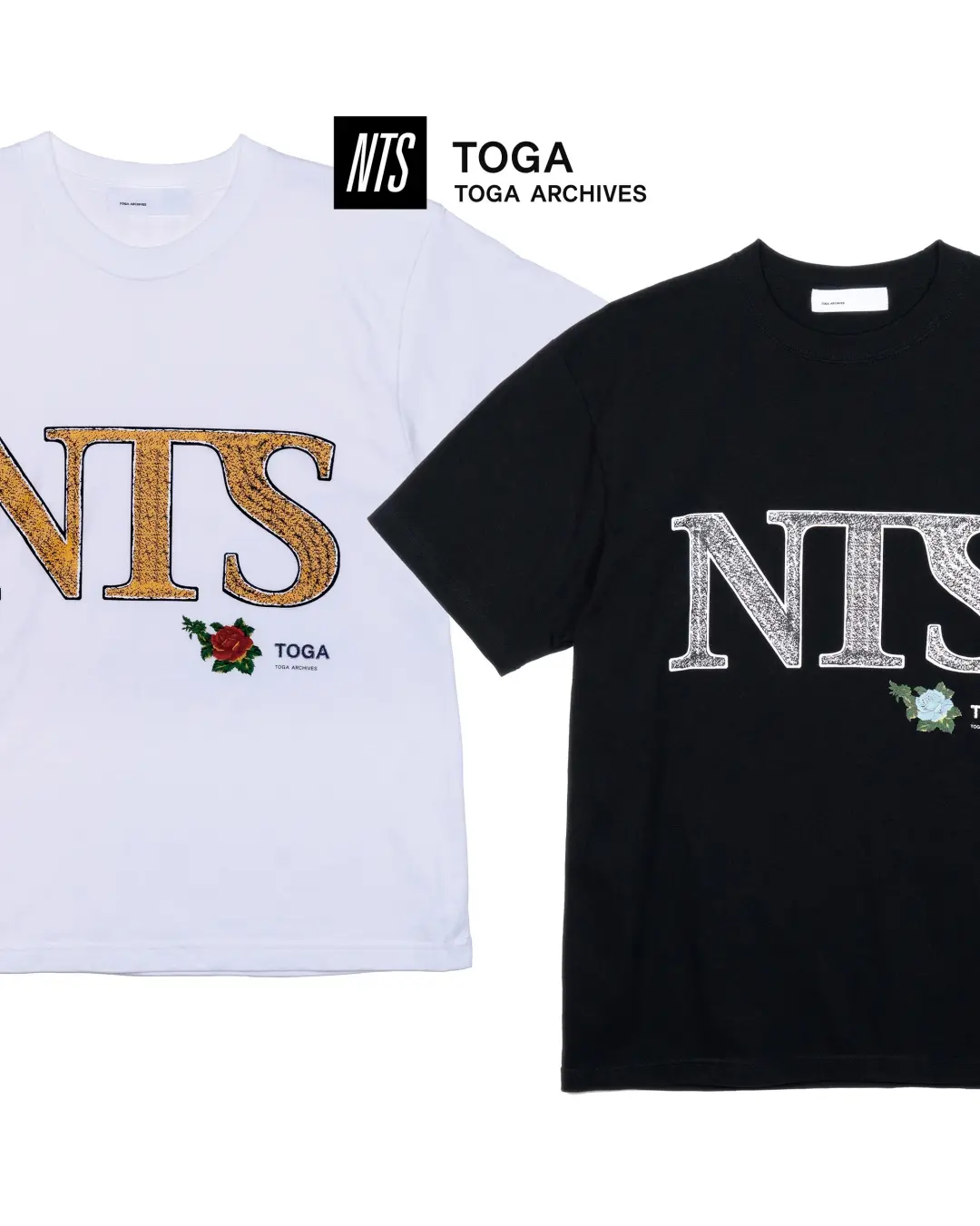
The graphic anchoring the collection is a chalk textured yellow mark, the kind of loose, slightly worn typographic treatment that looks hand rendered rather than vector perfect. It did not appear out of nowhere. NTS confirmed that the same logo walked TOGA’s Spring/Summer 2026 runway show in September, tucked into a collection built around the ordinary object: pleat folded trousers, ruffled board shorts, satin polos that traded intellectual pretense for something closer to daily wear observed closely. Designer Yasuko Furuta has described that season as a step away from complexity for its own sake, and the NTS mark fit that mood. It read as a music station’s identity translated into TOGA’s own view language rather than a sticker slapped onto an existing garment.
View this post on Instagram
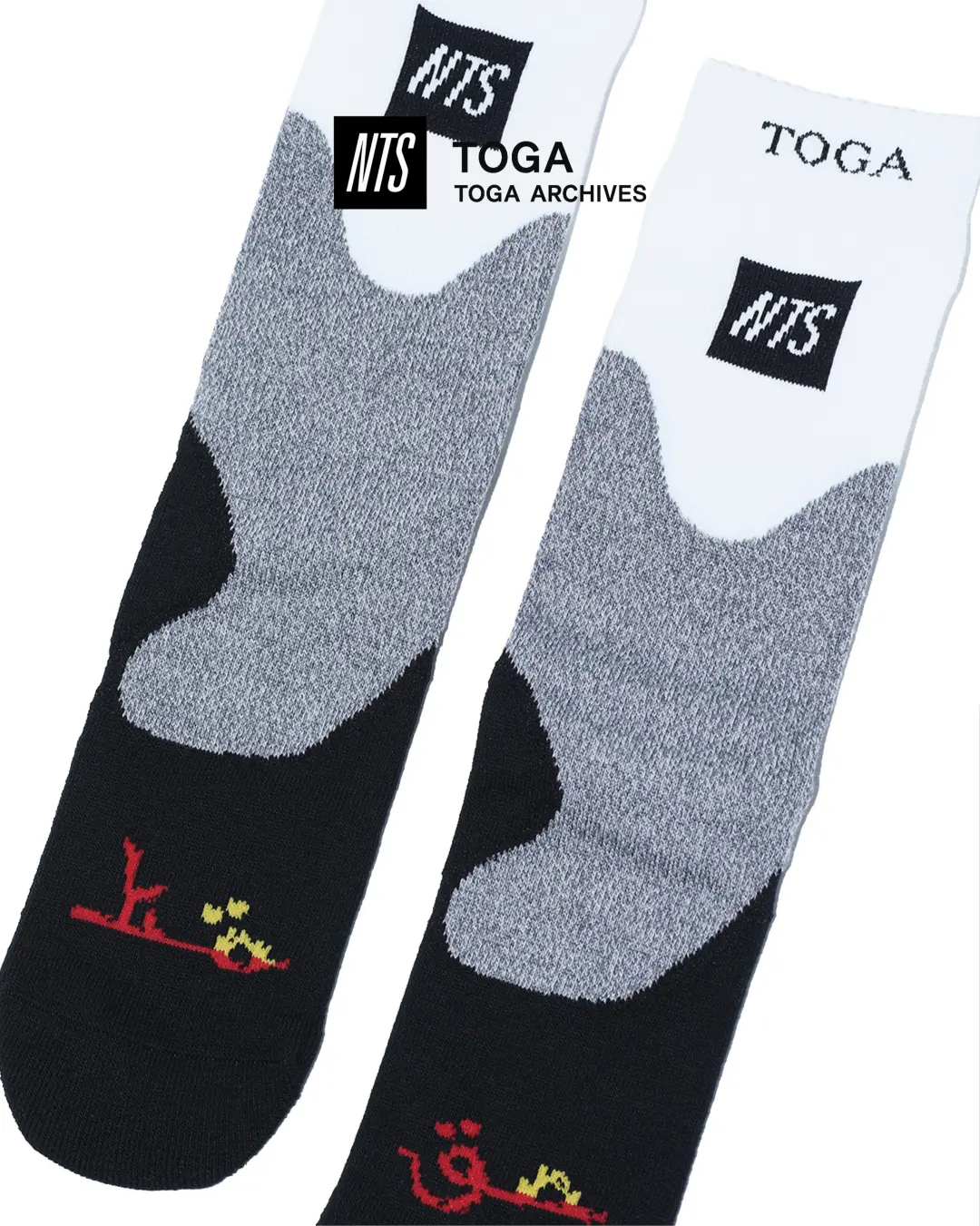
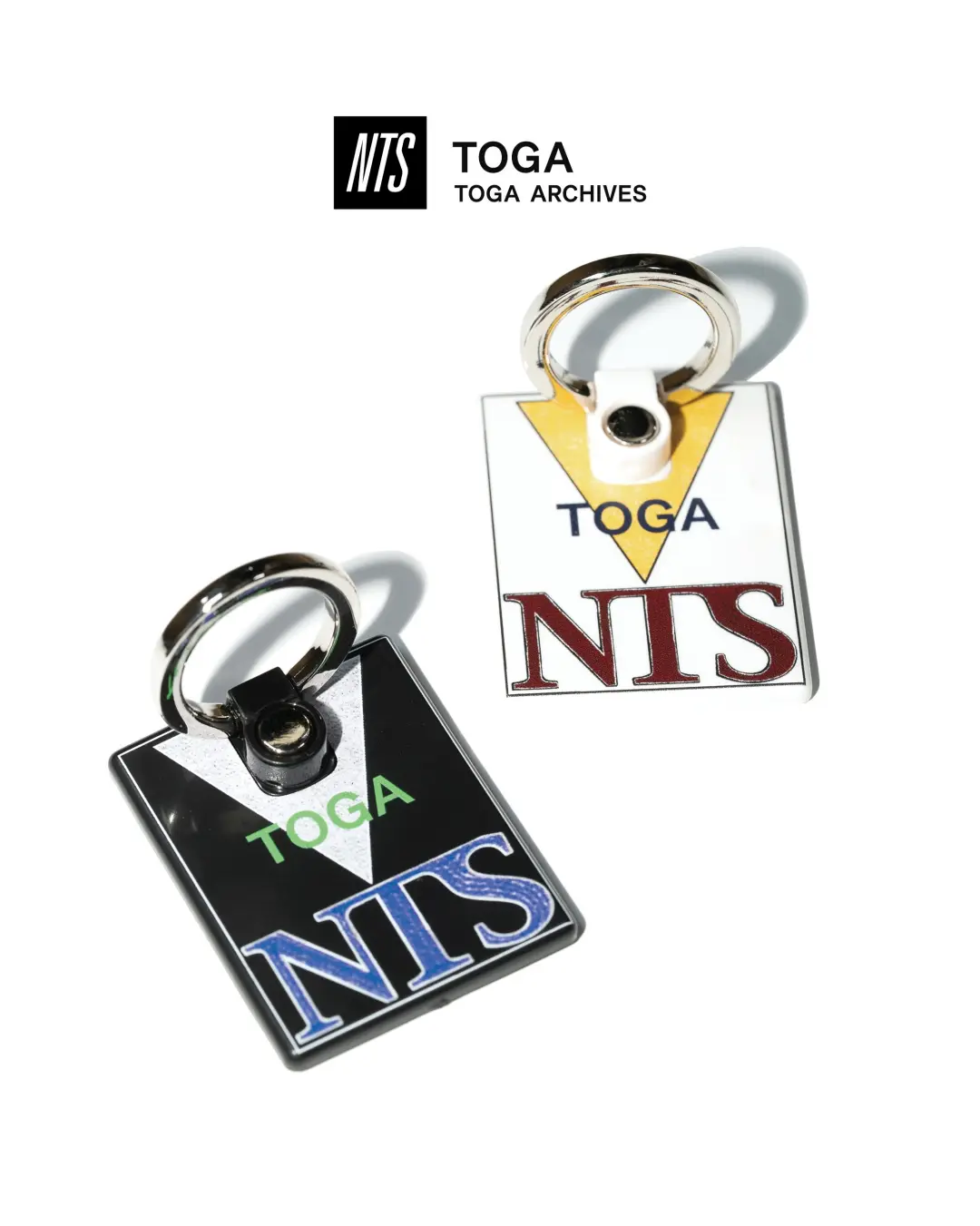
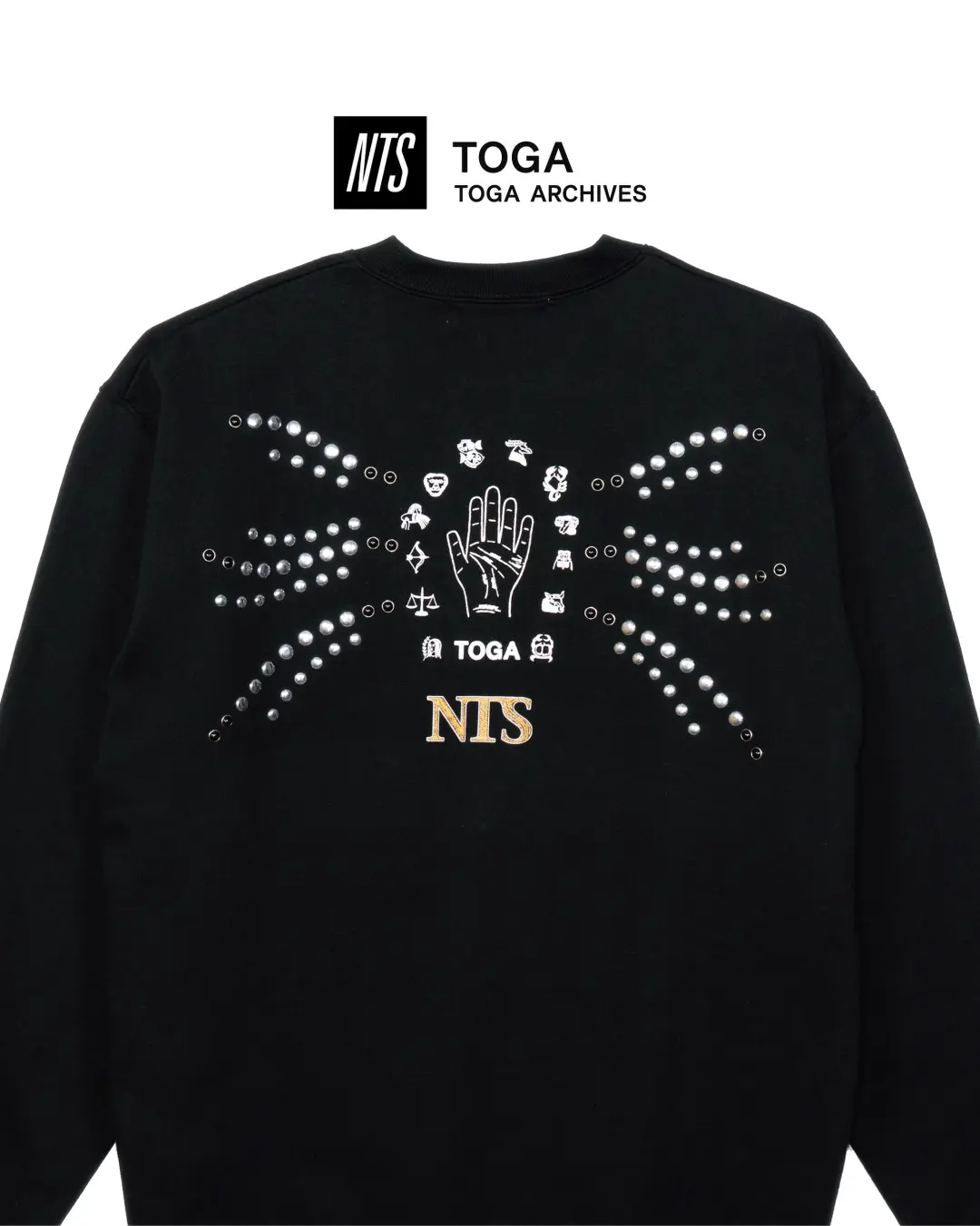
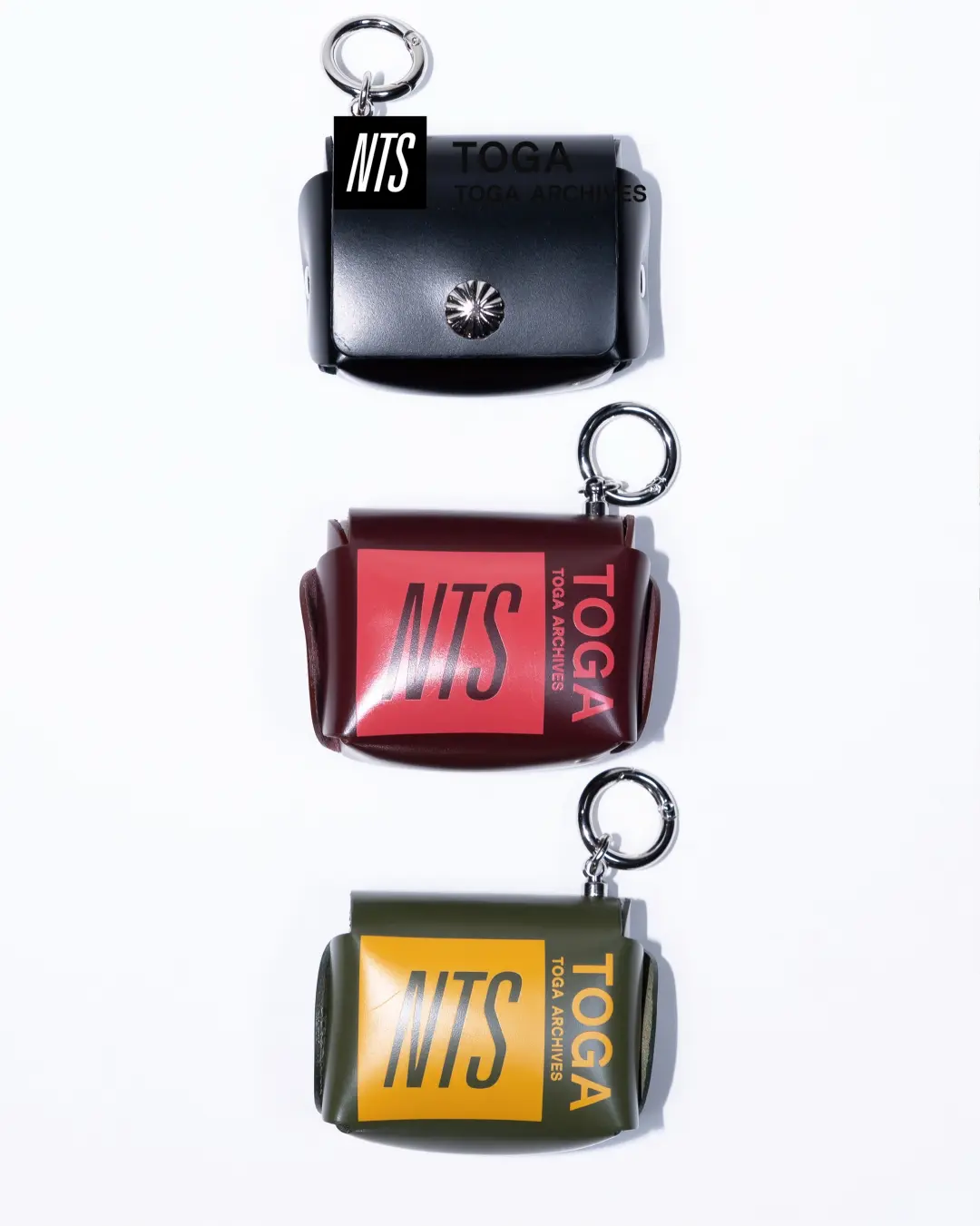
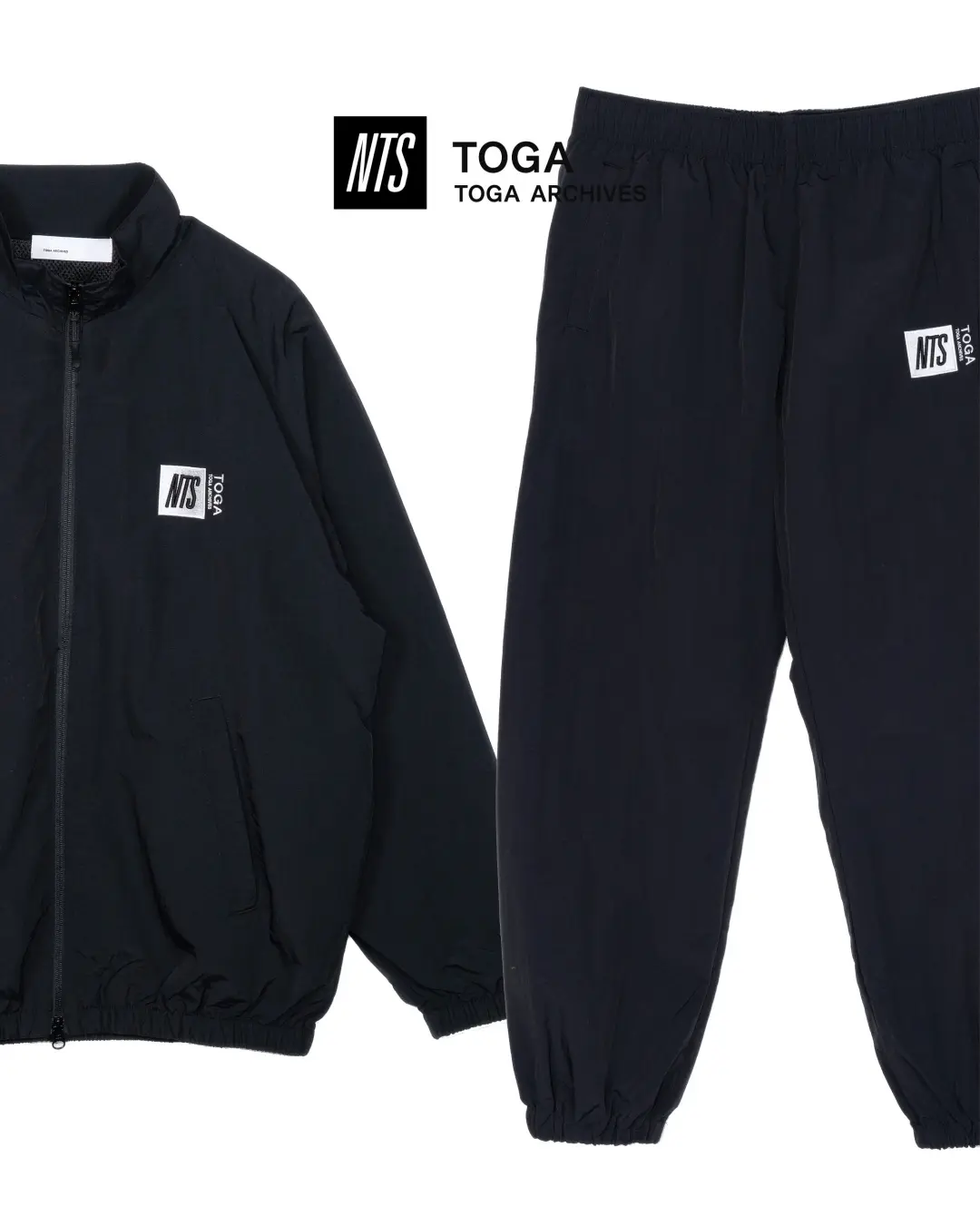
That distinction matters for how the capsule itself was assembled. Eleven styles make up the collection: Tee, sweatshirts, tracksuits, an earphone case, and a sock line built with Japanese hosiery maker Tabio. It’s a tighter range than some of TOGA’s other collides, which have run to fifteen or more pieces, but it covers the full spread of how someone actually gets dressed to go somewhere with music jure, from the tracksuit worn on the way there to the case that holds the earphones once you arrive.
There’s a practical logic buried in that range, too. A Tee and a sweatshirt are the kind of pieces that get worn constantly and photograph well on their own, which is presumably part of why they anchor almost every capsule collection of this type. But the earphone case is a stranger inclusion, and a telling one. It’s not a garment at all, it’s an accessory built specifically around the act of listening to something, which puts NTS’s actual function, a station people plug into rather than a lifestyle brand people wear, directly into the object itself rather than leaving it implied by a logo. Few fashion collaborations bother with an item that specific. Most default to the safest four or five categories: a hoodie, a tee, a cap, maybe a tote. Building an earphone case into an eleven piece capsule suggests someone on the design side was thinking about what NTS actually is to the people who listen to it, not just what NTS looks like as a logo on a chest.
routine
TOGA has never been a solo act in the way its runway presentations might suggest. Furuta founded the label in 1997, in Tokyo, after training at Esmod Japon and then at Esmod Paris, and she has spent nearly three decades building a business that treats connection as a recurring format rather than an occasional stunt. The relationship with Japanese bag maker PORTER dates to 2019 and has produced seven capsules to date, each one selling through quickly enough that raffle style releases became the norm rather than the exception. A partnership with British sportswear brand Umbro landed earlier this year, pairing TOGA’s cutting techniques with Umbro’s football heritage across game shirts, a nylon blouson, and a one piece dress that folded a relaxed game shirt into a pleated midi skirt. TOGA has also worked with ASICS on footwear, and this is not even the label’s first time in the sock aisle with Tabio specifically. The two collided in 2021 on a four style release built around a flower motif lifted from a past TOGA VIRILIS collection, sold in silver packaging through TOGA’s own online store.
What ties these together isn’t a single aesthetic thread so much as a pattern of behavior. Furuta moved TOGA’s own runway presentations to Paris in 2005 and added London in 2014, and by her own account in past interviews, she has always thought about the brand’s audience as international first rather than built for a domestic market and exported later. Collaboration, in that context, functions the way it does for a lot of independent labels operating at this scale: it’s a way to reach an audience that already trusts a different name, without dilute whatever makes TOGA’s own main line recognizable on its own terms. NTS Radio is a departure from footwear and bags in that it isn’t a product brand at all. It’s a station, which makes the T-shirts and tracksuits in this capsule closer to merchandise for a listening habit than merchandise for a co-branded object.
Furuta’s own background helps explain why that distinction would matter to her specifically. Before TOGA existed, she spent time working as a costume designer, producing one off pieces meant to register instantly on camera rather than survive years in a closet. That instinct, toward garments built to make an immediate impression, has stayed visible in TOGA’s main line long after she stopped designing costumes for a living, and it shows up in how the brand treats collaboration too. A TOGA capsule rarely reads as two logos stitched onto the same shirt. It tends to read as one idea filtered through TOGA’s own hand, whether that idea originated with a sportswear brand’s football heritage, a bag maker’s nylon hardware, or, now, a radio station’s identity. NTS’s own description of the collection leans into that same logic, framing the yellow logo not as a new asset created for retail but as a piece of the runway show repurposed for people who couldn’t be in the room to see it walk.
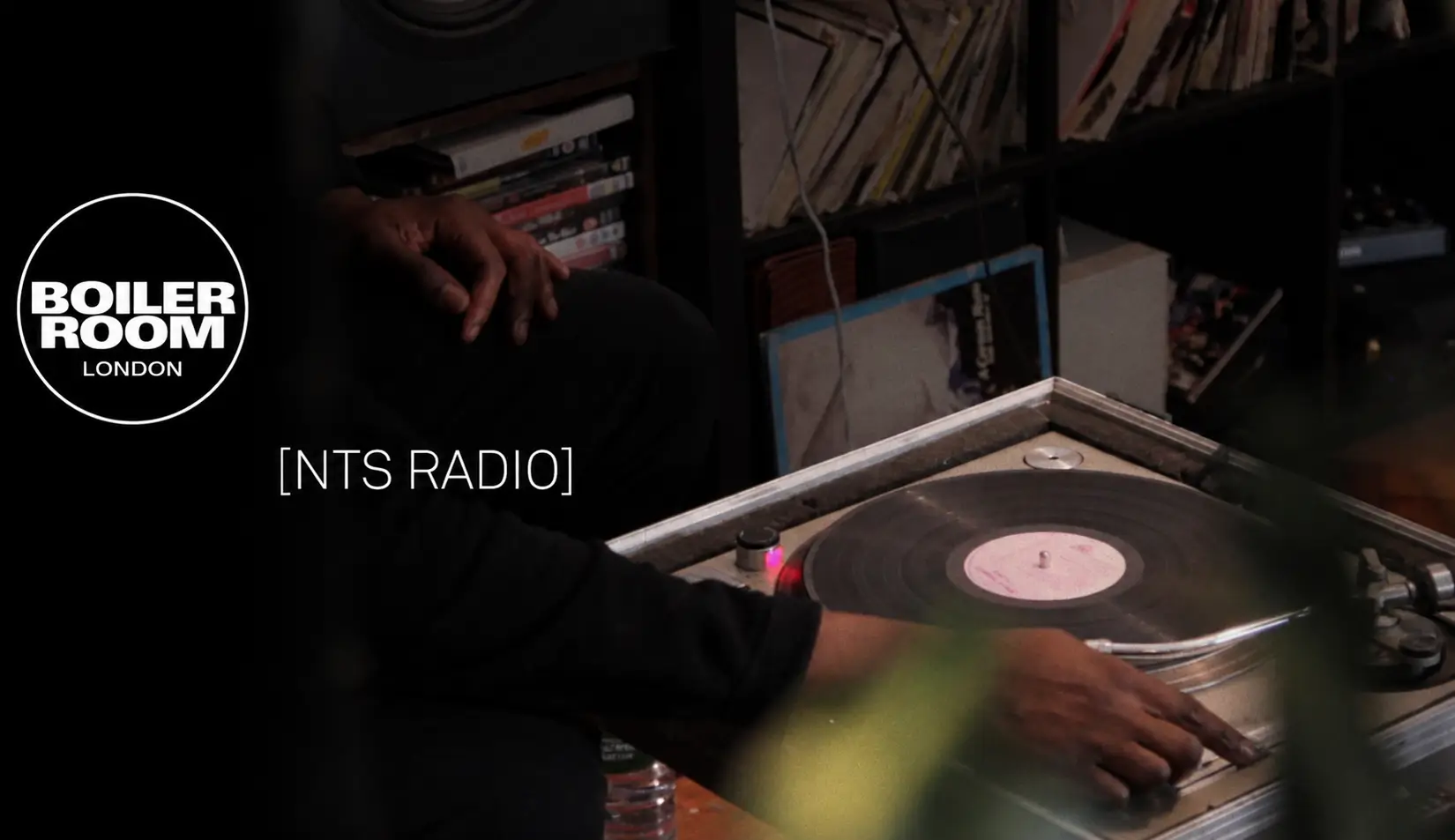
The Boiler Room London × NTS Radio visual strips away promotional copy to spotlight the iconic Boiler Room logo alongside a turntable in an intimate vinyl-filled listening space, emphasizing the atmosphere of independent radio and record culture.
stance
NTS Radio’s own origin story has been told often enough that its details have calcified into shorthand, but the specifics are worth restating here because they explain why a fashion label would want its name on a Tee in the first place. Femi Adeyemi launched the station in April 2011 from a small studio in Dalston’s Gillett Square in Hackney, East London, on a reported budget of around five thousand pounds. He had already been involved in founding Boiler Room, and NTS grew out of a music blog he ran called Nuts to Soup, itself a play on the American phrase “soup to nuts” and, by his own account, a nod to a Simpsons joke. Adeyemi put up posters around London reading simply “independent radio station,” expecting perhaps a dozen replies. Closer to sixty people showed up.
Fourteen plus years later, NTS operates studios across multiple cities and broadcasts a roster that runs from Theo Parrish to Erykah Badu to guest spots from figures well outside music entirely, and a 2024 New York Times report put the station’s average daily listenership at 360,000 during that March alone. Sean McAuliffe, whom Adeyemi met as a resident DJ at the London club Plastic People, now serves as chief executive alongside Adeyemi’s role steering the station’s creative direction. The station’s tagline, “Don’t Assume,” has become something close to a mission statement: a commitment to programming built around curiosity rather than format, which is presumably part of what made a slower burning, texture focused label like TOGA a workable creative match rather than an odd pairing.
NTS has done fashion tie ins before. The station has worked with Adidas on a football inspired range built around its resident DJs, with Diesel on a global remaster capsule under creative director Glenn Martens, and with smaller vintage focused labels like Unified Goods on merchandise drawing from cult film and VHS era rental culture. TOGA is, notably, the first time the station has paired with a runway fashion house of this scale for an inaugural connection built specifically around apparel rather than sport or streetwear staples.
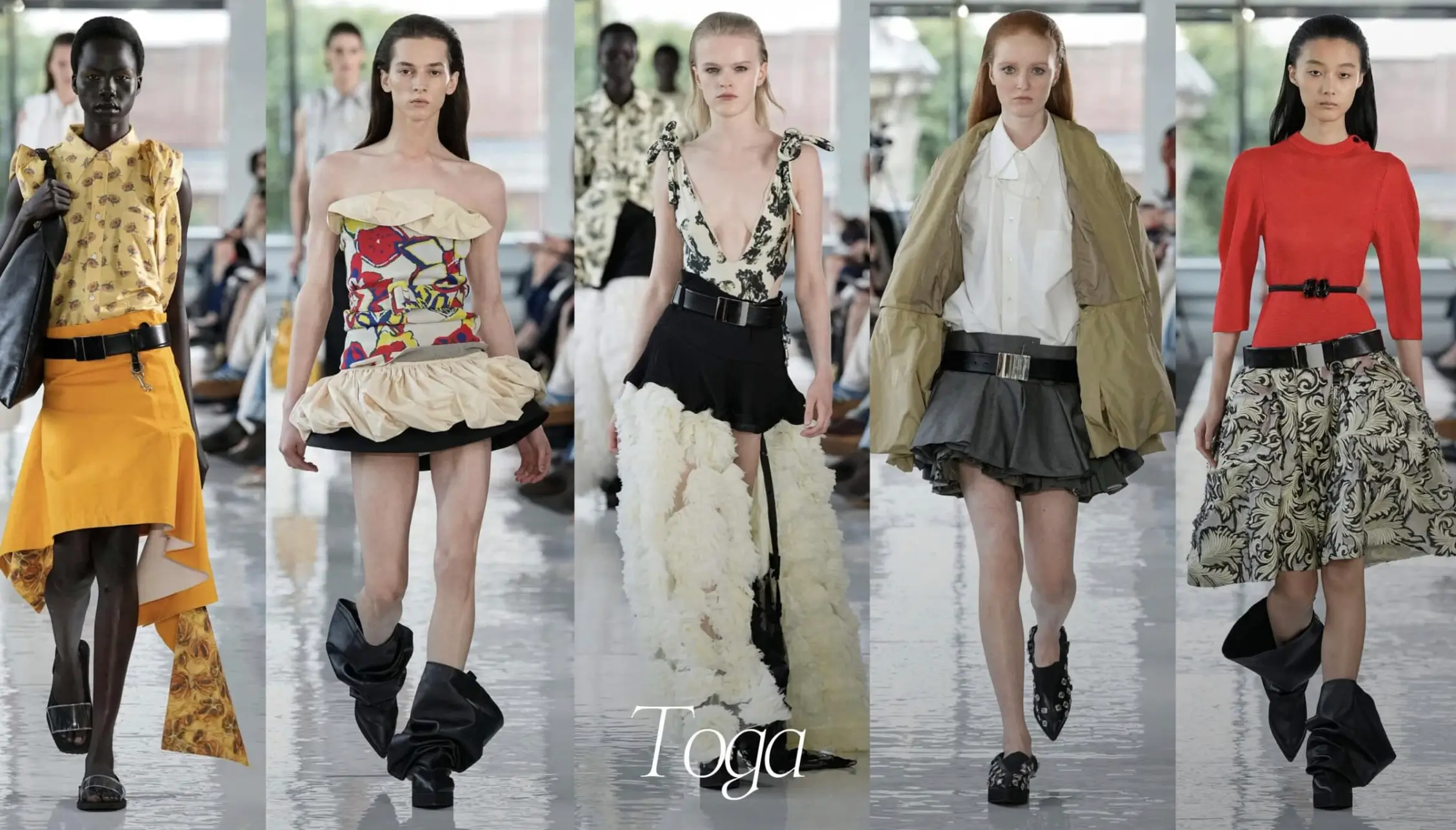
The TOGA runway collection juxtaposes sculptural proportions, graphic prints, crisp tailoring, and exaggerated accessories, reflecting the label’s signature balance of contemporary elegance and experimental design.
show
The capsule wasn’t sprung on anyone without warning. NTS hosted a launch party in Paris on June 26 to mark the collection’s forthcoming release, a limited capacity event that required RSVP for venue details rather than a public address. It’s the kind of soft launch that fashion labels and music platforms alike have leaned on for years: give the collection a room full of the people already inclined to buy it before the wider retail rollout, generate a wave of documentation from people who were actually there, and let anticipation do some of the marketing work before the product pages go live. The event copy described the collection at that point in almost identical terms to how it reads now, eleven styles, the Tabio sock collaboration, and the yellow runway logo repurposed for retail.
That five week gap between the Paris party and the July 31 release is short by the standards of a lot of fashion collaborations, which often tease a collection for months before it actually ships. It suggests a rollout built more around momentum than a long marketing runway, consistent with how NTS tends to operate: shows go up with little advance notice, specials get announced close to broadcast, and the station’s overall identity leans into immediacy over anticipation.
add
It would be easy to treat the sock line as the smallest, least consequential piece of an eleven style drop, but the structure of that particular item says something about how the whole collection was built. The socks aren’t just TOGA branded merchandise made by Tabio; they’re described explicitly as a triple collaboration among TOGA, NTS, and Tabio, which puts a sixty plus year old Japanese hosiery manufacturer directly into a partnership usually framed as a two way deal between a fashion label and a media platform.
Tabio was founded in 1968 and now operates roughly 270 stores across Japan, the United States, France, the United Kingdom, China, and Taiwan, built on a reputation for technical sock construction rather than branding alone: three dimensional knitting techniques designed to fit the actual shape of a foot, alongside more novelty focused runs like the 2021 TOGA collaboration’s flower pattern piece. Bringing Tabio in as a named third partner rather than a silent manufacturer fits the pattern Furuta has followed elsewhere, treating a collaborator’s own name and craft history as part of the product’s story rather than background infrastructure. It also gives the capsule a piece with a genuinely different center of gravity from the T-shirts and tracksuits: something built around fit and material technique first, graphics second.
hint
Here is where the reporting runs into a real limit. TOGA’s own online store lists the label’s connective capsules through its regular retail channels once they go live, and a small number of specialty retailers, including a Kyoto based stockist, have already listed a TOGA x NTS page ahead of the July 31 date, though without view pricing at the time of writing. TOGA’s past connections offer a rough sense of range: the Umbro capsule earlier this year priced pieces between roughly 39,600 and 92,400 yen, somewhere in the neighborhood of 270 to 580 US dollars depending on the exchange rate at the time, while the 2021 Tabio sock collaboration sat much lower, between 23 and 28 dollars a pair. Whether the NTS capsule lands closer to the sock end or the tracksuit end of that spectrum for its own tracksuits and outerwear has not been independently confirmed as of this writing, and no official per style pricing has surfaced from either brand’s own channels.
What is confirmed is the release date itself, the eleven style count, the involvement of Tabio, and the graphic’s runway origin. The rest, exact retail pricing across all eleven pieces, the full list of stockists carrying the collection outside Japan, and whether any pieces will be limited to a single region, will need to firm up as the collection actually goes live on July 31.
n
From the DRIFT archive: Y-3 Sets the Tone for Its Spring/Summer 2026 Collection · Saint Laurent Unveils New Visuals For Its Spring 2026 Collection
Related Articles
HUF Put The Triple Triangle On Fruit Of The Loom
First collision. Underwear 2P pack. Rib tank 2P pack. ¥4,950 each. Kentucky cotton. Special box. […]