DRIFT AUDIO
Listen to this story
Choose a voice, then press play.
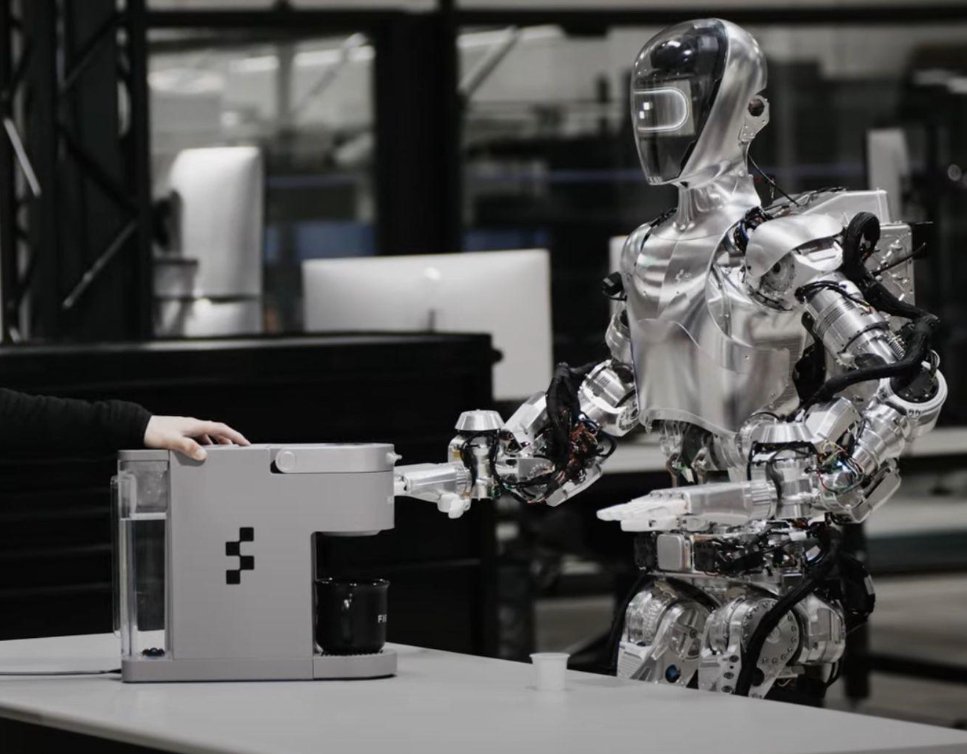
The dream of owning a humanoid robot capable of handling household chores like doing laundry and brewing your morning coffee is no longer confined to the realm of science fiction. A new humanoid robot, set to hit the consumer market next year, promises to revolutionize home automation by combining advanced AI capabilities with practical functionality. This innovative device represents a leap forward in robotics, making complex tasks as simple as a voice command.
The Rise of Humanoid Robots in Home Automation
Humanoid robots have long fascinated humanity, from fictional characters like C-3PO in Star Wars to real-world prototypes developed in research labs. The transition from prototype to practical household robot has been slow but steady, driven by advancements in artificial intelligence (AI), machine learning, and robotics engineering.
The upcoming release of this humanoid robot marks a significant milestone in making these technologies accessible and functional for the average consumer. Unlike traditional home automation devices like robotic vacuums or smart assistants, this robot aims to provide a more comprehensive solution by mimicking human capabilities.
Key Features of the Humanoid Robot
This humanoid robot is designed to handle a range of household tasks with precision and efficiency. Here are some of its standout features:
Task Versatility
•Laundry Assistance: The robot can sort, load, and operate washing machines and dryers. It even folds clothes and organizes them.
•Coffee Preparation: Equipped with precise motor control and recipe programming, it can prepare your coffee just the way you like it, whether it’s a simple espresso or a frothy cappuccino.
•Cleaning Tasks: Beyond laundry, the robot can perform light cleaning duties, such as wiping surfaces and organizing clutter.
Advanced AI and Machine Learning
•The robot leverages AI to learn from its environment and adapt to user preferences. For instance, it can remember how you like your laundry folded or the exact temperature for your coffee.
Human-Like Interaction
•Voice Recognition: The robot responds to voice commands, allowing for seamless communication.
•Facial Recognition: It identifies household members and customizes tasks based on individual preferences.
•Emotive Responses: With a face-like display, it can express emotions, making interactions more natural and engaging.
Mobility and Dexterity
•The robot’s humanoid design includes articulated arms and legs, allowing it to navigate stairs, retrieve items from shelves, and handle delicate objects.
Connectivity and Integration
•The robot integrates with smart home systems, enabling it to coordinate with other devices like thermostats, security cameras, and lighting systems.
Potential Applications in Daily Life
The introduction of this humanoid robot could transform daily routines, offering convenience, efficiency, and even companionship. Here are a few ways it might impact daily life:
Simplifying Household Chores
Time-consuming tasks like laundry and coffee preparation are handled effortlessly, freeing up valuable time for other activities. Families with busy schedules can particularly benefit from this level of automation.
Supporting Elderly and Disabled Individuals
For those with limited mobility, the robot can act as a caregiver, assisting with daily tasks and providing companionship. Its ability to adapt to specific needs makes it an invaluable resource.
Enhancing Smart Homes
The robot’s integration capabilities allow it to serve as a central hub for smart home systems, streamlining automation and making home management more intuitive.
Educational and Entertainment Value
For households with children, the robot can double as an educational tool, helping with homework or teaching basic coding skills. Its emotive responses and storytelling capabilities also make it a fun companion.
Challenges and Considerations
While the prospect of owning a humanoid robot is exciting, there are several challenges and considerations to keep in mind:
Expenditure
Advanced robotics doesn’t come cheap. The initial cost of the robot could be prohibitive for many households, though prices are expected to decrease as the technology matures.
Maintenance
Like any complex machine, the robot will require regular maintenance and updates to function optimally. Users must be prepared for potential repair costs and software upgrades.
Privacy Concerns
With features like facial recognition and voice recording, data privacy is a valid concern. Ensuring that user data is stored securely and used responsibly will be crucial.
Learning Curve
For some users, learning how to operate and program the robot might be a barrier. However, developers are focusing on creating user-friendly interfaces to minimize this issue.
Ethical and Social Implications
The widespread adoption of humanoid robots raises important ethical and social questions:
Impression on Employment
As robots take on more household tasks, their presence could extend into industries like hospitality and retail, potentially displacing human workers.
Human Dependency
Over-reliance on robots for daily tasks could impact basic skills and self-sufficiency, particularly among younger generations.
Redefining Relationships
For some, robots might provide emotional support and companionship, blurring the lines between human and machine relationships.
The Future of Home Robotics
The introduction of a humanoid robot capable of handling household chores is just the beginning. As technology continues to advance, we can expect even greater capabilities and efficiencies from home robots. Here are some potential future developments:
Enhanced Multi-Tasking
Future robots might handle even more complex tasks, such as preparing entire meals or assisting with home repairs.
Increased Affordability
As production scales and technology becomes more accessible, prices will likely decrease, making humanoid robots a viable option for a broader audience.
Specialized Robots
We may see robots designed for specific tasks, such as childcare, eldercare, or even gardening, allowing for more tailored solutions.
Connective Robots
Robots that work alongside humans to enhance productivity, rather than replacing them, could become the norm in both households and workplaces.
The arrival of a humanoid robot that can do laundry and make coffee marks a significant milestone in the evolution of home automation. By combining advanced AI, human-like interaction, and practical functionality, this robot offers a glimpse into a future where daily tasks are no longer a burden but an opportunity for efficiency and convenience.
While challenges remain in terms of cost, privacy, and societal impact, the potential benefits of such technology are immense. Whether it’s simplifying chores, supporting vulnerable populations, or enhancing smart home systems, this humanoid robot represents a bold step toward a more connected and automated future.
For now, the idea of waking up to a perfectly brewed coffee and neatly folded laundry may feel like a luxury. But as technology continues to advance, it’s only a matter of time before humanoid robots become a common and essential part of modern life. The future is here, and it’s bringing coffee.
Related Articles

Pocket-sized Xbox Ctrl
Xbox Nano Controller. Announced 14 October 2026 by James Hunter. $49.99. Rechargeable battery. Programmable Action Button. Xbox Wireless and Bluetooth.