DRIFT

The mid-1990s were not designed for ambiguity in footwear. Categories were fixed, almost doctrinal. Basketball shoes belonged to hardwood courts. Running shoes existed in the disciplined rhythm of athletics. Skate shoes, meanwhile, were still carving out their identity—flat-soled, abrasion-resistant, and built with the brutal honesty of repeated impression.

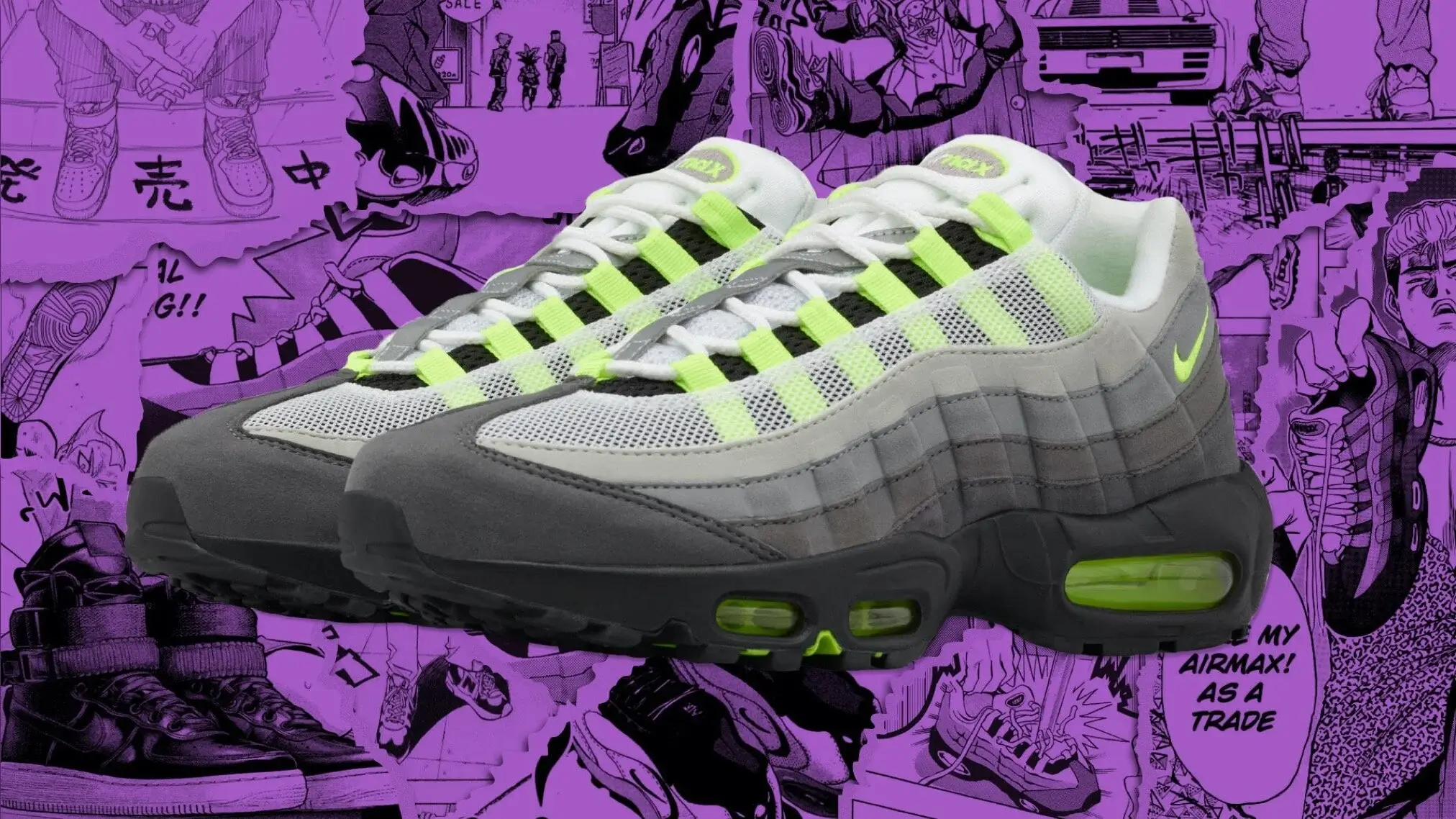
Into this taxonomy stepped the Nike Air Max 95—a shoe that had no intention of respecting those boundaries.

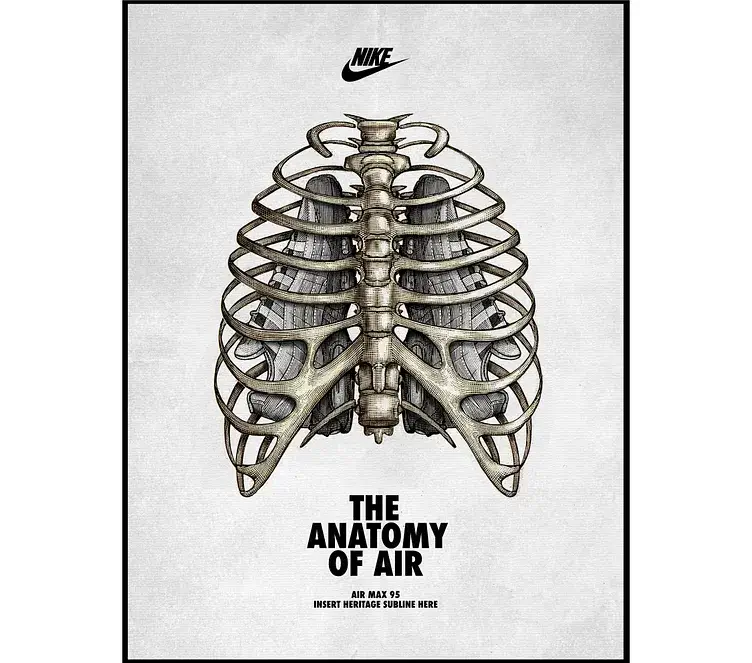
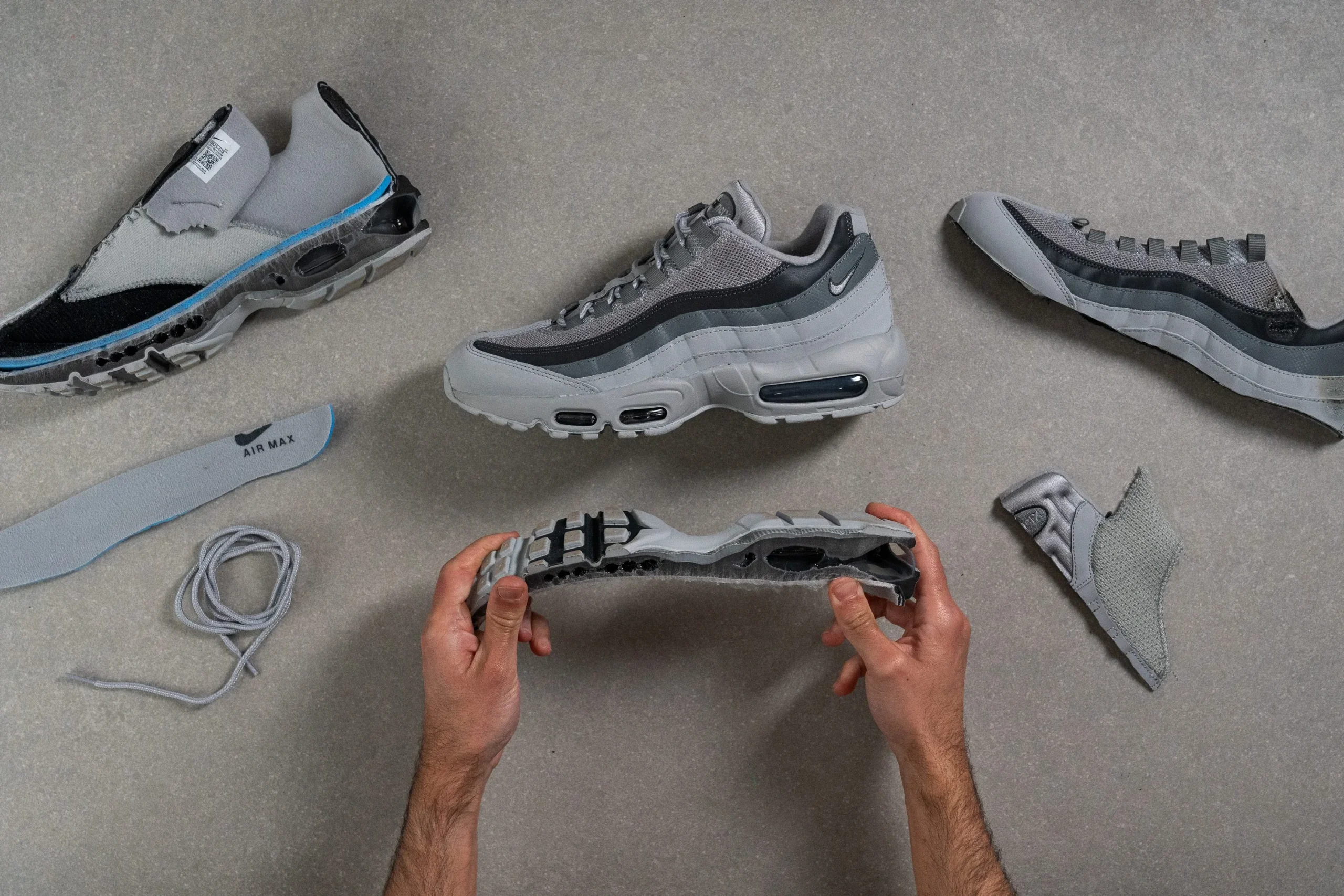
Originally conceived by Sergio Lozano as a performance running silhouette inspired by human anatomy, the Air Max 95 carried a layered upper mimicking muscle fibers, a spine-like midsole, and visible Air units that felt almost architectural. It was futuristic, aggressive, and entirely unsuited—on paper—for skateboarding.

Yet that is precisely why it mattered.


View this post on Instagram


A post shared by House of Heat° (@houseofheat)

retro

Before the Air Max 95 entered the periphery of skate culture, the dominant visual language of skate shoes was grounded in utility. Brands like Vans, Etnies, and DC Shoes prioritized:

  • Flat vulcanized soles for board feel
  • Reinforced ollie zones for durability
  • Suede uppers for grip and abrasion resistance
  • Minimal cushioning to maintain control

The aesthetic followed function. Shoes were often bulky but intentionally simple, built for punishment rather than spectacle. Even as skateboarding edged into mainstream visibility, its footwear remained insular—designed by skaters, for skaters.

The Air Max 95 disrupted this ecosystem not by trying to compete—but by existing outside of it entirely.

pervade-raid

Where traditional skate shoes flattened experience, the Air Max 95 elevated it—literally and metaphorically.

Its most radical feature was the visible forefoot Air cushioning. While previous Air Max models had introduced visible units, the 95 redistributed them, placing emphasis on the forefoot in a way that altered gait and perception. The shoe’s stance was lifted, almost defiant.

For skateboarding, this was heresy.

Board feel—the sacred connection between foot and deck—was compromised by thick cushioning. The layered upper, while visually compelling, lacked the straightforward durability of suede panels designed specifically for grip tape abuse.

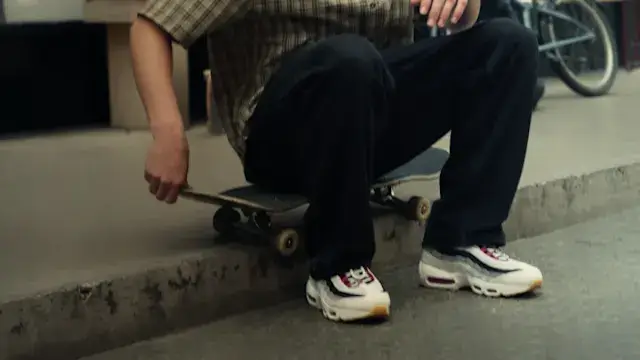
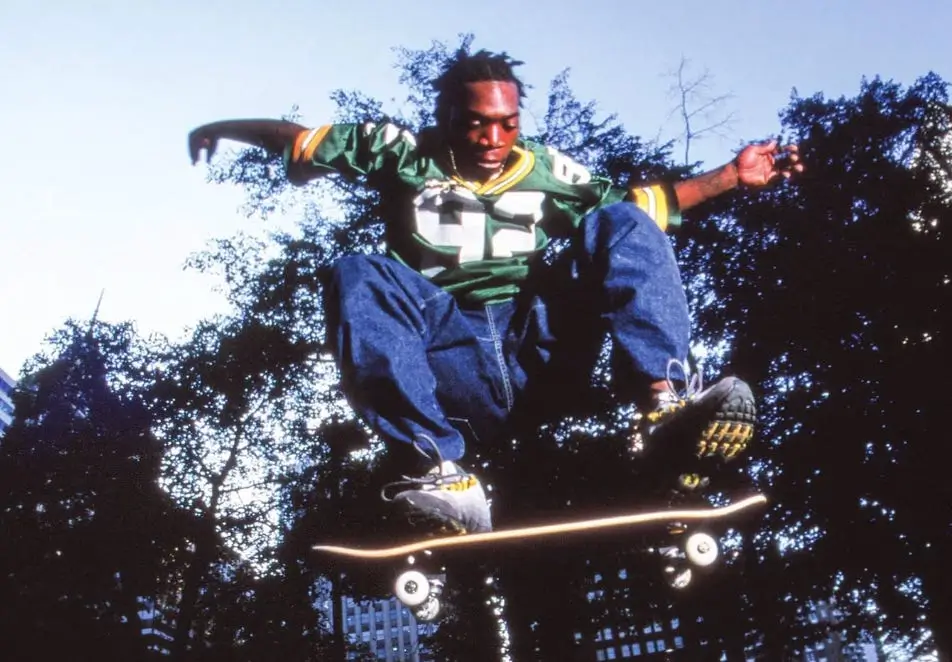
And yet, skaters wore them.

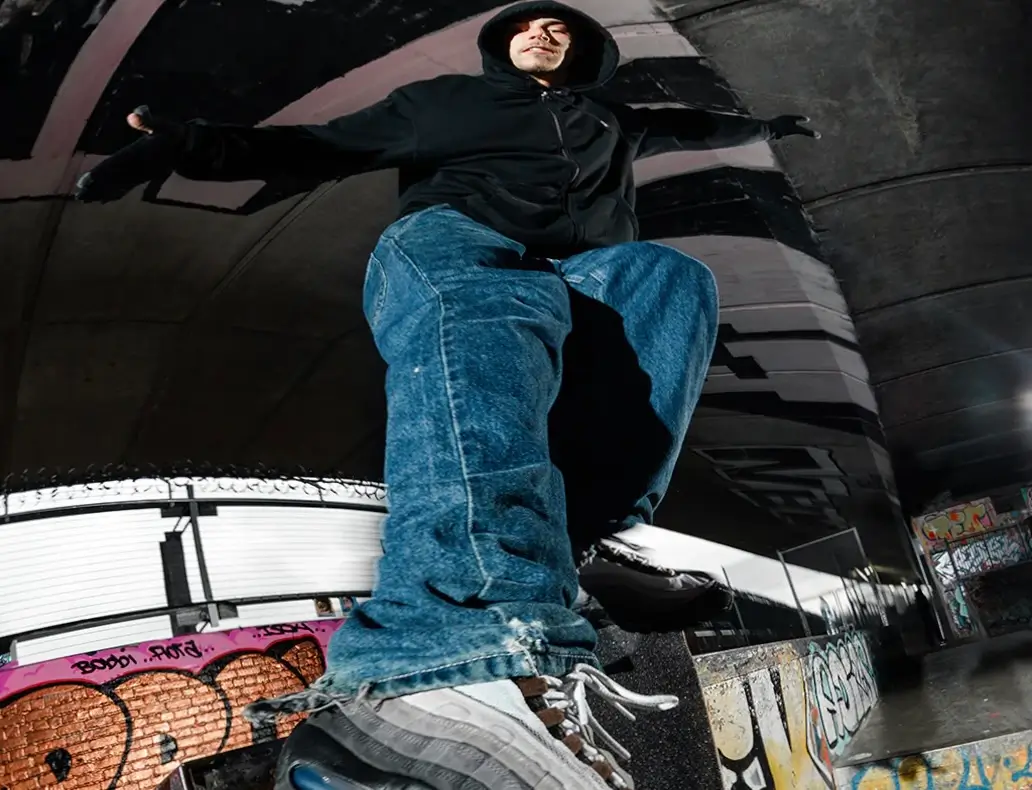
Not in competition. Not in sanctioned environments. But in the streets, in the margins, in the off-board spaces where style began to matter as much as function.

show

What the Air Max 95 introduced into skate culture was not technical superiority, but symbolic power.

By the late 1990s and early 2000s, skateboarding had begun to intersect more visibly with music, fashion, and youth identity. The rise of streetwear blurred categorical boundaries. Sneakers were no longer just tools—they were statements.

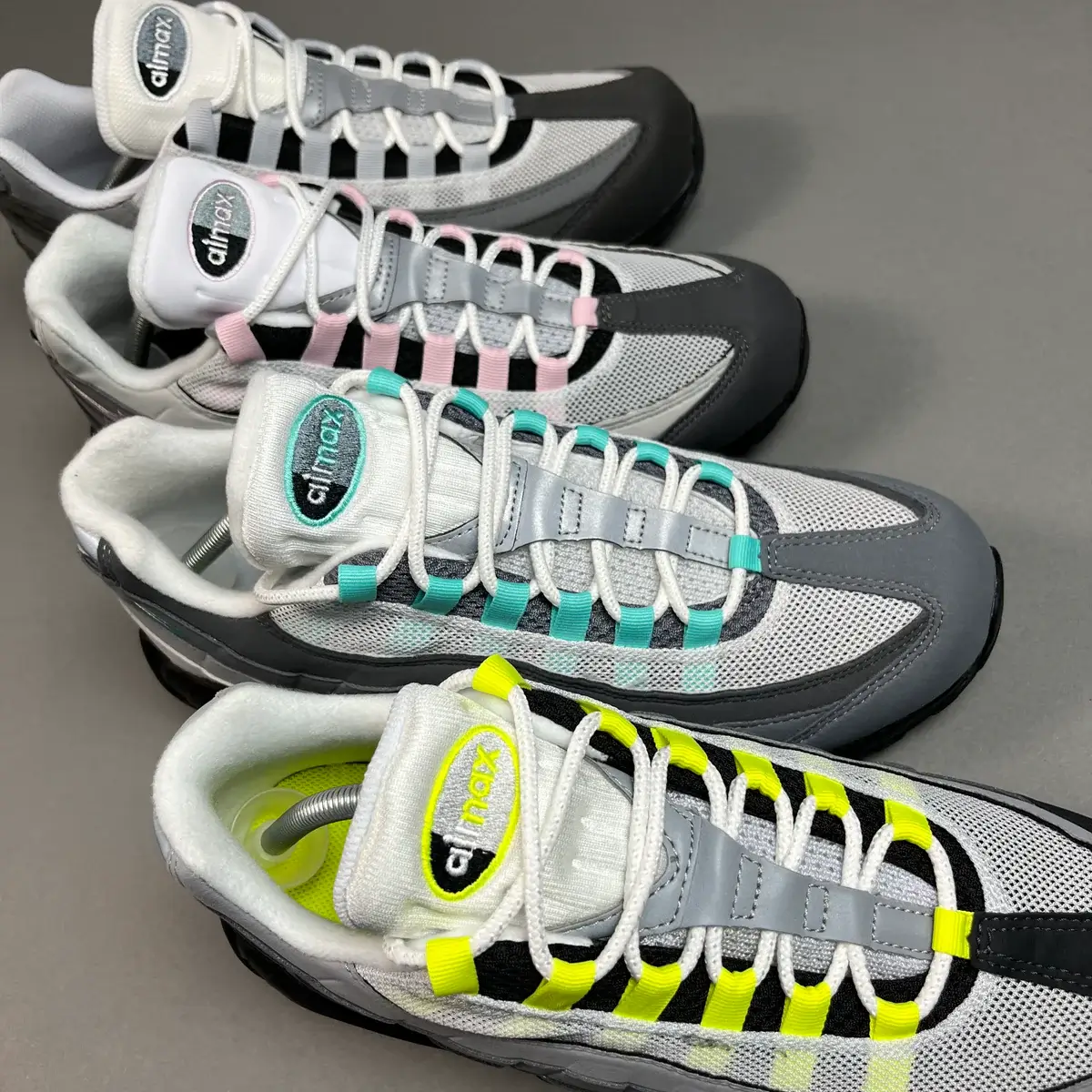
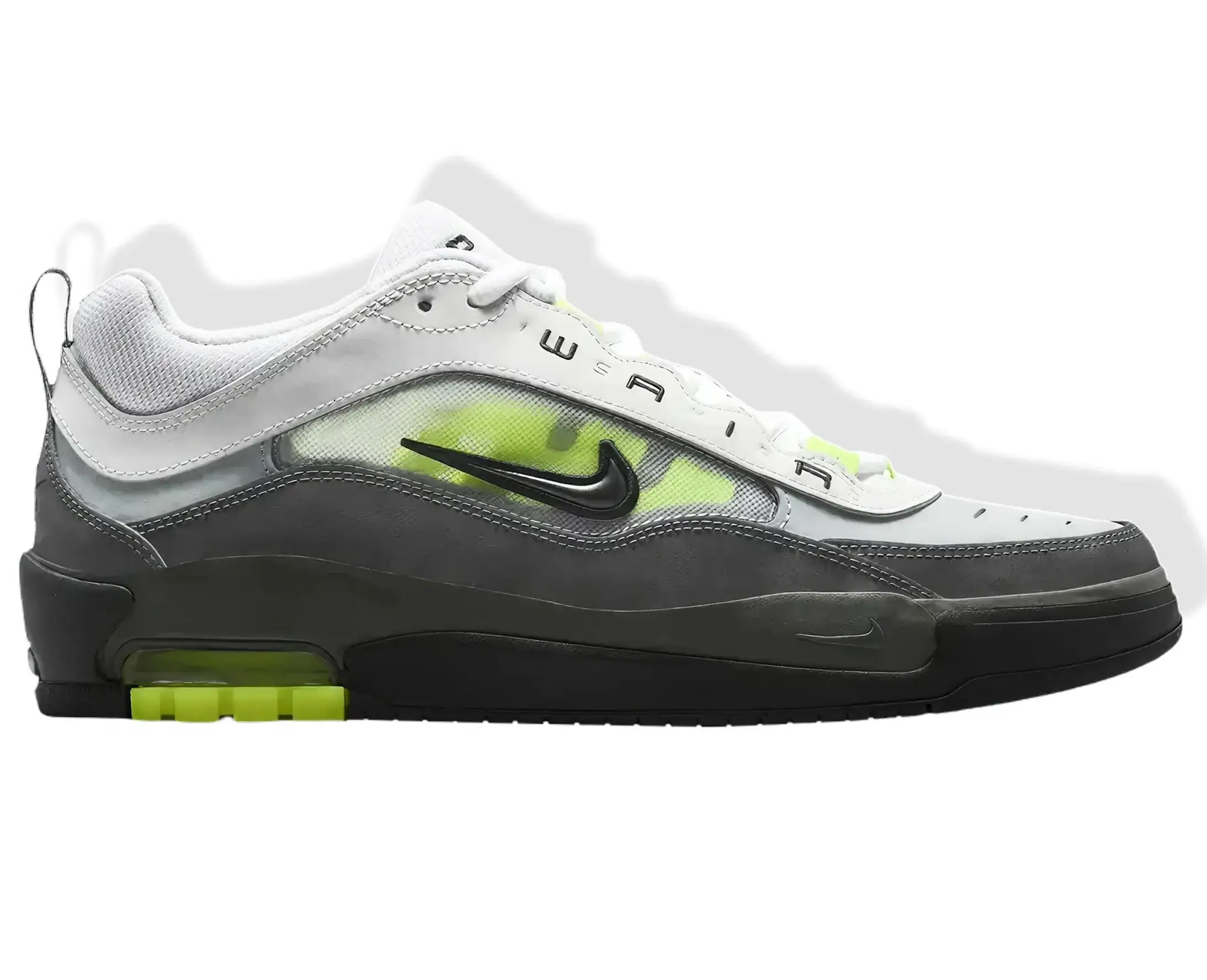
The Air Max 95, with its gradient uppers and neon accents, became a visual anchor in this shift.

It didn’t replace skate shoes. It reframed them.

Suddenly, what you wore to the spot—and not just what you skated in—became part of the narrative. The Air Max 95 existed in that liminal space: too technical to be purely lifestyle, too stylized to be purely functional.

It suggested that skate culture could absorb influence without losing authenticity.

influ

Unlike later eras where collaborations between skate brands and major sportswear companies became standard, the Air Max 95 infiltrated skate culture organically.

There was no co-sign. No campaign.

Its adoption mirrored similar patterns in hip-hop communities, particularly in cities like London and New York, where the silhouette became synonymous with urban identity. Skaters, often operating at the intersection of multiple subcultures, absorbed the shoe through proximity rather than endorsement.

This mattered.

Because it meant the Air Max 95 didn’t dilute skate culture—it expanded its vocabulary.

lang

The visual language of skate shoes began to shift in subtle ways following the Air Max 95’s rise.

While core performance models remained grounded in function, off-board footwear—and eventually even some on-board designs—started to incorporate:

  • More aggressive paneling
  • Layered materials beyond simple suede
  • Color gradients and bold accents
  • Increased cushioning experimentation

Brands that had once resisted overt stylization began to explore it, albeit cautiously. The influence was not direct imitation, but atmospheric pressure—a gradual recalibration of what a skate shoe could look like.

Even the emergence of chunkier silhouettes in the late 1990s and early 2000s can be read, in part, as a response to the visual dominance of models like the Air Max 95.

nike

It would take years before Nike SB formally entered the skateboarding space. When it did, it faced resistance. Skateboarding, protective of its autonomy, viewed corporate intrusion with skepticism.

But the groundwork had already been laid.

The presence of models like the Air Max 95 in skate-adjacent spaces had familiarized a generation of skaters with Nike’s design language. By the time Nike SB launched in the early 2000s, the idea of a non-core brand participating in skate culture was no longer entirely foreign.

In a sense, the Air Max 95 functioned as a Trojan horse—not through strategy, but through cultural osmosis.

blur

The Air Max 95 never became a true skate shoe. It was not optimized for flick, grip, or board control. Its cushioning, while comfortable for walking, introduced instability for technical tricks.

But this mismatch created a productive tension.

It forced a distinction between skating and skate culture—between the act and the identity.

You could skate in Vans and wear Air Max 95s to the after. You could embody skate culture without being bound to its functional uniform. This separation opened the door for greater stylistic experimentation within the community.

It also mirrored broader shifts in fashion, where authenticity began to be expressed through curation rather than adherence.

leg

Today’s skate footwear exists in a landscape that would have been unrecognizable in the early 1990s.

Models like the Nike SB Dunk, Adidas Tyshawn, and others reflect a synthesis of performance and style that owes something—however indirectly—to the disruption initiated by the Air Max 95.

Cushioning technologies have advanced. Aesthetic considerations are no longer secondary. Collaborations between skate brands and high-fashion labels are not anomalies but expectations.

The boundaries have dissolved.

how

Nearly three decades after its release, the Air Max 95 remains a fixture—not just in sneaker culture, but in the broader conversation around design and identity.

Its endurance is not solely due to nostalgia. It is rooted in the way it redefined possibility.

By existing outside of skateboarding yet influencing it profoundly, the Air Max 95 demonstrated that cultural impact does not require direct participation. Sometimes, the most significant shifts come from adjacent spaces.

It flipped the script not by becoming a skate shoe, but by making skate shoes reconsider themselves.

sum

The story of the Air Max 95 within skate culture is not one of conquest, but of quiet disruption.

It did not arrive with the intention to belong. It did not conform to the expectations of the community it would influence. Instead, it offered an alternative—a different way of thinking about footwear, identity, and expression.

In doing so, it expanded the frame.

Skateboarding, long defined by its resistance to external influence, absorbed the Air Max 95 not as a compromise, but as an evolution. The shoe’s presence suggested that authenticity was not fragile—that it could withstand, and even benefit from, outside ideas.

And in that subtle shift, the script was flipped.


Related Articles
Modern data center facility with a solar-panel-clad exterior, bright green administrative offices, and secure perimeter fencing, showcasing sustainable digital infrastructure and renewable energy integration

Lombardy’s Data Center Boom: Balancing Digital Ambition with Environmental Responsible

Lombardy has emerged as Italy’s primary hub for new digital infrastructures, particularly data centers—vast complexes […]

In a highly anticipated reunion after 24 years, Adidas Originals and Coca-Cola have joined forces once again to celebrate the FIFA World Cup 2026™. The collaboration revives their iconic 2002 partnership from the Japan-South Korea tournament, now reimagined for the biggest global sporting event of 2026, co-hosted by the United States, Canada, and Mexico. Set to launch on June 6, 2026, this collection masterfully blends Adidas' streetwear heritage with Coca-Cola's timeless branding, creating a vibrant fusion of football culture, nostalgia, and modern style. The drop arrives at a perfect moment. With the World Cup kicking off on June 11, 2026, fans worldwide are gearing up for a summer of football excitement. This collaboration isn't just merch—it's a cultural statement that merges two legendary brands under the banner of "Originals are the Real Thing," a clever twist on Coca-Cola's famous slogan. Historical Context: A Reunion 24 Years in the Making Adidas and Coca-Cola first collaborated during the 2002 FIFA World Cup, producing limited-edition pieces that captured the era's energy. That partnership helped define early 2000s football-streetwear crossover culture. Fast-forward to 2026, and the brands are back with fresh energy, leveraging Adidas' deep FIFA ties (as an official partner) and Coca-Cola's long-standing sponsorship of the tournament. The 2026 edition promises to be historic as the first 48-team World Cup, spanning three countries and generating unprecedented global hype. This collab taps into that momentum, offering fans wearable pieces that celebrate both brands' legacies while looking forward to the future of football fashion. Collection Overview and Design Philosophy The Adidas Originals x Coca-Cola collection fuses 2000s street style with classic sporting aesthetics. Expect bold reds, creams, whites, and silver accents inspired by Coca-Cola's iconic packaging—think classic script logos, droplet detailing, and can-inspired motifs. The lineup spans footwear, apparel, and accessories, divided into two visual directions: one logo-heavy and graphic-forward, the other drawing from vintage advertising aesthetics. Designs pay homage to Coca-Cola's visual language while staying true to Adidas Originals' archival roots. High-quality materials, attention to detail, and versatile silhouettes make these pieces suitable for both match-day wear and everyday street style. The campaign, featuring young football star Lamine Yamal and a diverse cast in everyday scenes building anticipation for the tournament, reinforces themes of originality and shared cultural moments. Footwear Highlights Footwear takes center stage in this collaboration, with reimagined takes on iconic 2000s Adidas silhouettes: Samba and Superstar Models: These classics get Coca-Cola treatment with white/cream/red colorways and prominent script branding. The Samba blends street heritage with football roots, while the Superstar II features weathered bases and bold side panels. Expected pricing around $110–$130. Adistar Control 5: A standout with droplet detailing mimicking condensation on a cold Coke can. This model brings performance-inspired design into lifestyle territory. Predator Sala: Indoor/hybrid style with silver-and-red accents, nodding to predatory precision on the pitch and Coca-Cola's bold energy. Climacool 1: Revived with breathable tech and Coke-inspired graphics, perfect for warm summer days. Megaride F50: A highlight paying tribute to the iconic Coca-Cola glass bottle, with unique contours and refreshing design cues. Each pair incorporates thoughtful details like embroidered logos, custom insoles, and packaging that mimics vintage Coke crates or cans. These shoes are built for durability and comfort, appealing to sneakerheads, football fans, and casual wearers alike. Apparel and Accessories Beyond kicks, the collection offers a full lifestyle range: Track Tops and Jerseys: Standout jerseys fuse retro Coca-Cola advertising from different eras into cohesive football designs. Track jackets feature signature three stripes alongside Coke branding, in vibrant reds and classic whites. Shorts and T-Shirts: Relaxed fits with graphic prints, ideal for casual wear or layering. Expect motivational football motifs blended with refreshing beverage references. Accessories: A bright red airliner bag stands out as a functional statement piece. Additional items may include caps, socks, and tote bags carrying the collaborative spirit. The apparel emphasizes comfort with premium cotton blends, mesh panels for breathability, and oversized silhouettes popular in contemporary streetwear. Unisex sizing and inclusive fits make the collection accessible to a broad audience. Cultural Impact and Fan Appeal This collaboration resonates on multiple levels. For football fans, it represents national pride and global unity ahead of the 2026 tournament. Sneaker enthusiasts will appreciate the nostalgic 2000s revival mixed with modern execution. Streetwear collectors see it as a prime example of how heritage brands can innovate through partnerships. In an era where sports and fashion increasingly intersect, Adidas and Coca-Cola deliver pieces that transcend the pitch. Wear them to watch matches at home, attend watch parties, or hit the streets in any host city—New York, Los Angeles, Toronto, or beyond. The designs are versatile enough for gym sessions, festivals, or daily commutes. The timing aligns perfectly with rising interest in football in North America, boosted by the co-hosting nations. Young talents like Lamine Yamal in the campaign help bridge generational gaps, attracting newer fans while satisfying longtime supporters. Where to Buy and Release Details The collection launches globally on June 6, 2026, via: Adidas CONFIRMED app (for early access and raffles) Adidas.com Select retailers and flagship stores worldwide Some regions may see staggered drops, with Japan and other markets getting early access. Prices are expected to range from $50–$150 depending on the item, making it relatively accessible compared to ultra-limited drops. Pro Tips for Copping: Enable notifications on the CONFIRMED app. Check local stock at Adidas stores in major cities. Monitor resale platforms post-drop for exclusive colorways, but be wary of markups. Size up slightly for oversized apparel fits. Given the World Cup hype, popular items like the Sambas and jerseys are likely to sell out quickly. International shipping is available, but factor in potential customs delays. Styling Suggestions Match Day Look: Pair a collaborative jersey with classic black shorts and Samba sneakers for effortless fan style. Streetwear Rotation: Layer a track top over a graphic tee with wide-leg pants and the Megaride F50 for a bold urban ensemble. Casual Summer: White Superstar with denim shorts and the airliner bag for a refreshing, vacation-ready vibe. These pieces mix seamlessly with existing Adidas or neutral wardrobes, maximizing versatility. Broader Context in 2026 Fashion and Sports The Adidas x Coca-Cola drop is part of a larger wave of high-profile collaborations tied to the World Cup. Adidas continues its dominance in football kit design, while Coca-Cola leverages its sponsorship with collectibles, bottles, and experiential activations like the Trophy Tour. In the sneaker industry, this collab exemplifies the ongoing trend of lifestyle reinterpretations of performance silhouettes. It also highlights how global brands use major events to drive cultural conversations around unity, originality, and joy—core values for both companies. Sustainability notes (based on Adidas' broader initiatives) suggest some pieces may incorporate recycled materials, aligning with modern consumer expectations. Looking Forward: Legacy and Excitement As the countdown to kickoff continues, this collection serves as the perfect prelude to an unforgettable summer of football. Whether you're a die-hard supporter, a fashion-forward collector, or someone seeking motivation through style, the Adidas Originals x Coca-Cola FIFA World Cup 2026 lineup delivers. Expect potential restocks, special event exclusives in host cities, and continued campaign content featuring more athletes. This isn't just clothing—it's a ticket to participate in the global celebration of the beautiful game. Mark your calendars for June 6, 2026. Refresh your wardrobe, lace up those Sambas, and get ready to cheer on your team in style. The "Real Thing" meets the Originals in what promises to be one of the most talked-about releases of the year. This collaboration captures the essence of football's universal appeal: bringing people together through shared passion, iconic brands, and unforgettable moments. As the world prepares for 2026's expanded tournament, Adidas and Coca-Cola remind us that some partnerships are truly timeless.

Adidas Originals x Coca-Cola Collection: FIFA World Cup 2026

In a highly anticipated reunion after 24 years, Adidas Originals and Coca-Cola have joined forces […]

Loewe shoulder bag crafted in brown and black leather with minimalist lion face detailing and a matching fur tail charm

180 Years Unfolded: The Full Story Behind Loewe’s New Campaign

The year was 1846. Queen Victoria was on the British throne and the telephone, the […]