DRIFT AUDIO
Listen to this story
Choose a voice, then press play.
a return
There is no spectacle in the way Apple Inc. reintroduces its over-ear flagship. No abrupt reinvention, no overt disruption. Instead, the AirPods Max 2 arrives as a refinement—an object that absorbs time, feedback, and expectation, then returns with a quieter kind of authority.
The original AirPods Max was always an anomaly: heavy, expensive, and uncompromising in materiality. It didn’t chase mass adoption; it defined a ceiling. The second generation does not dismantle that philosophy—it calibrates it.
Where the first model was about establishing presence, the AirPods Max 2 is about removing friction. The experience becomes less about wearing headphones and more about inhabiting sound as an environment.
subtle
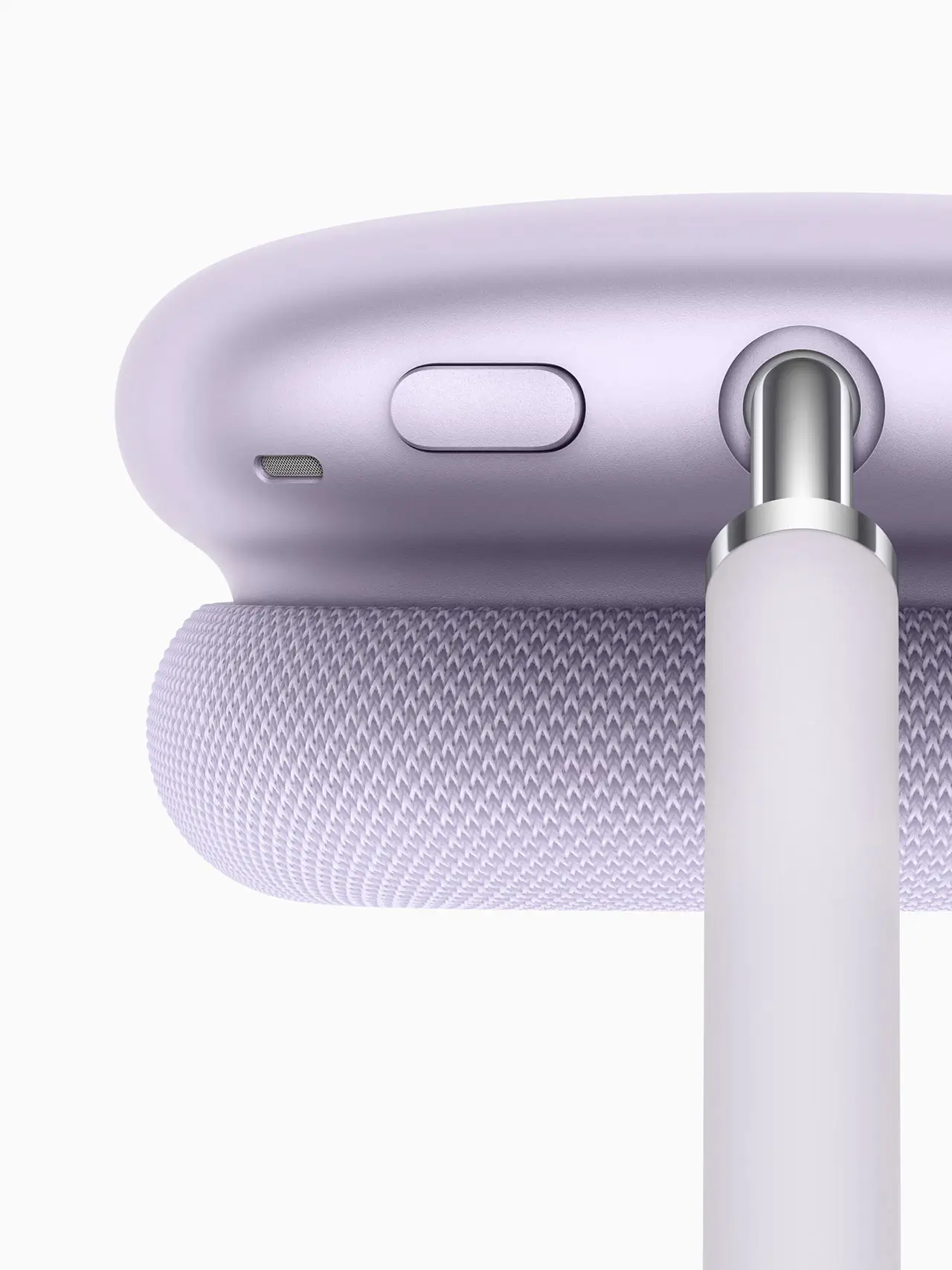
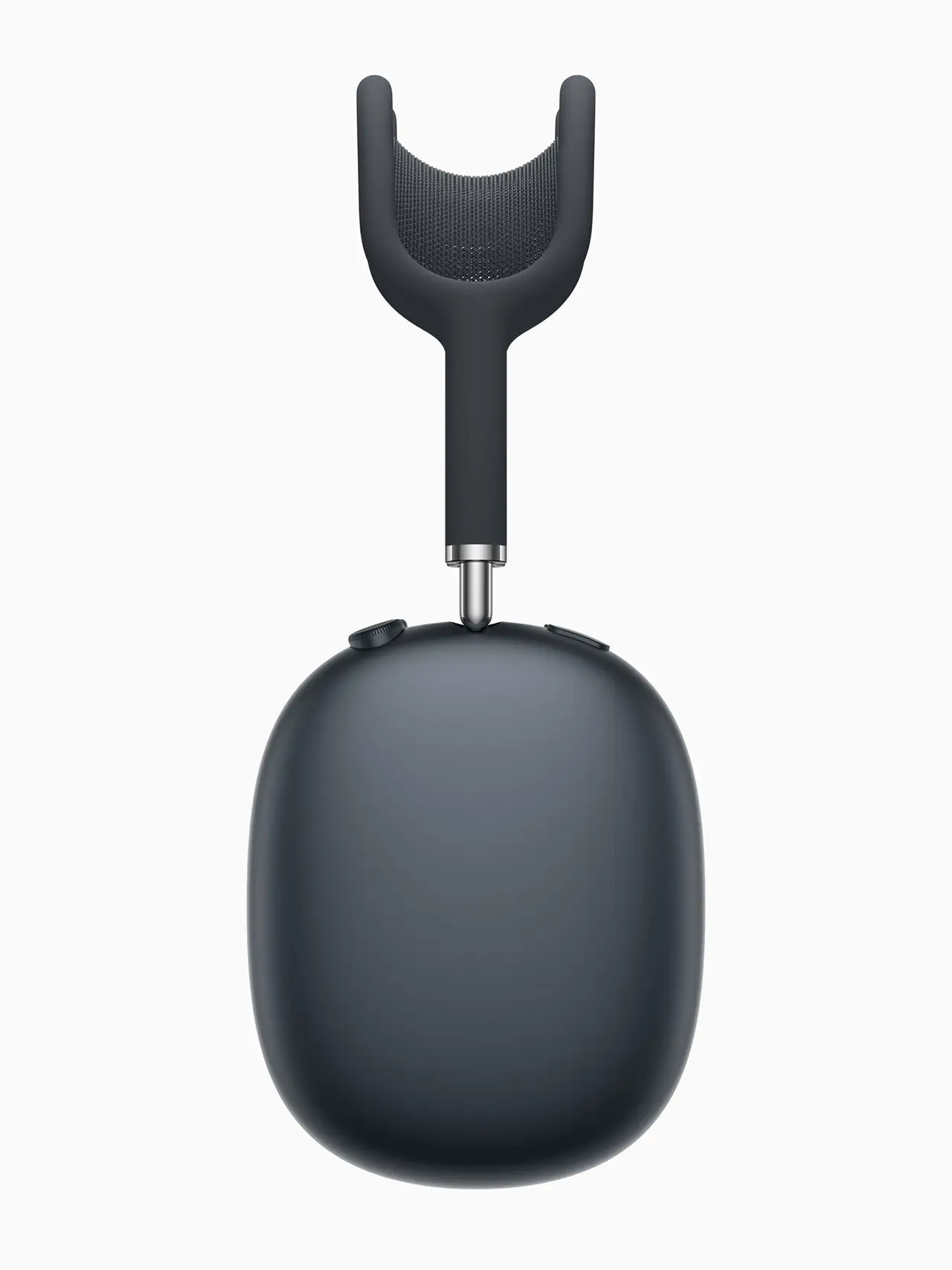
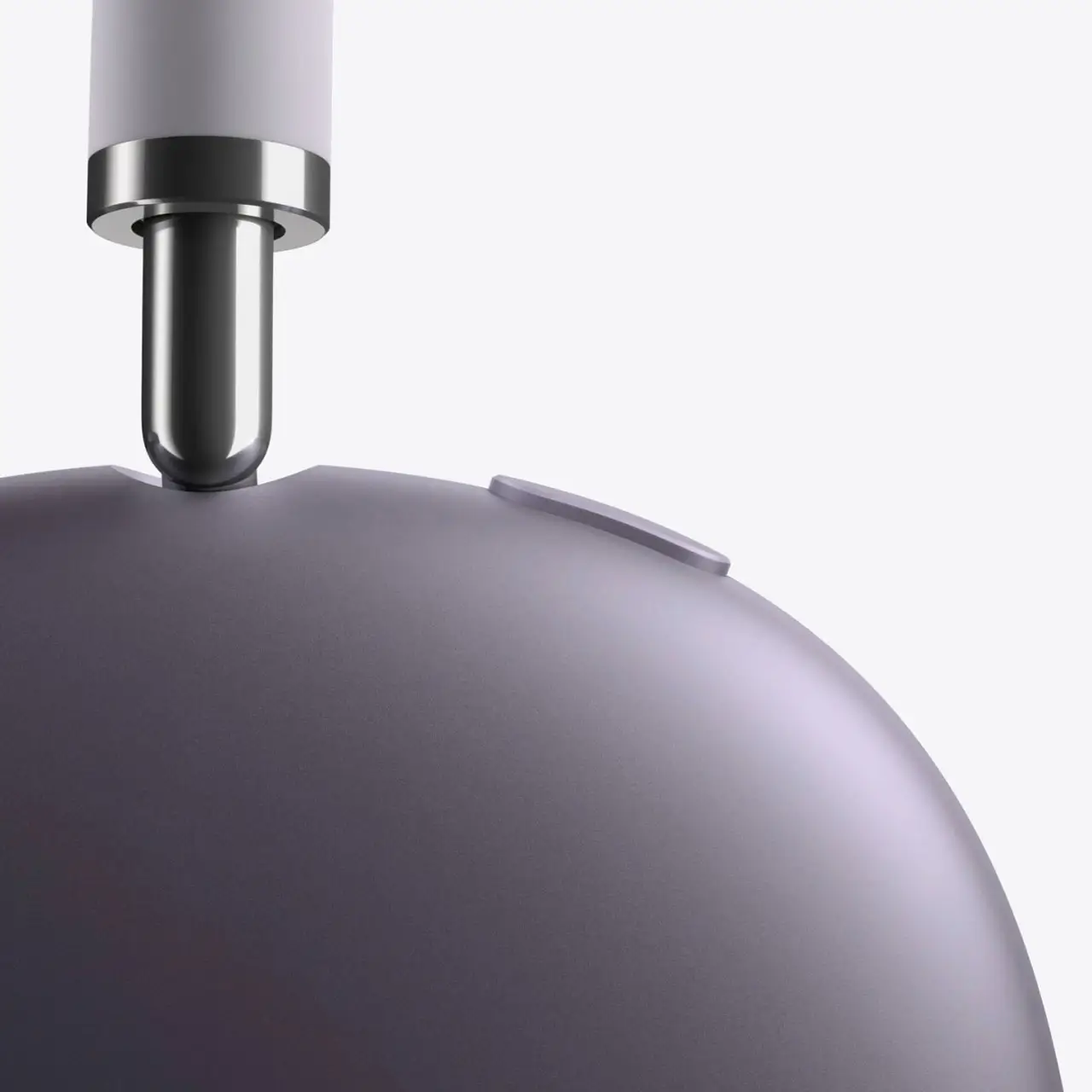
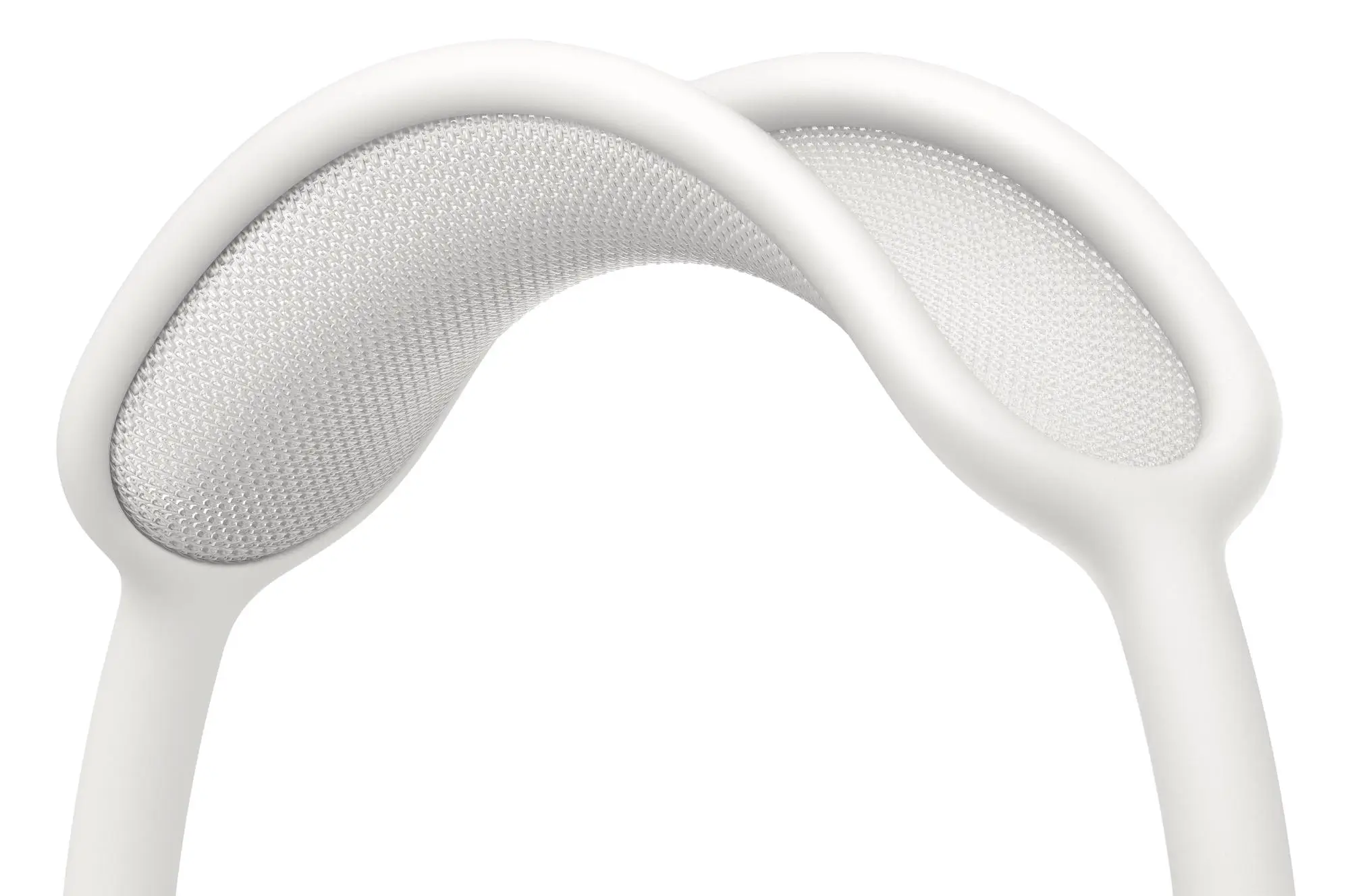
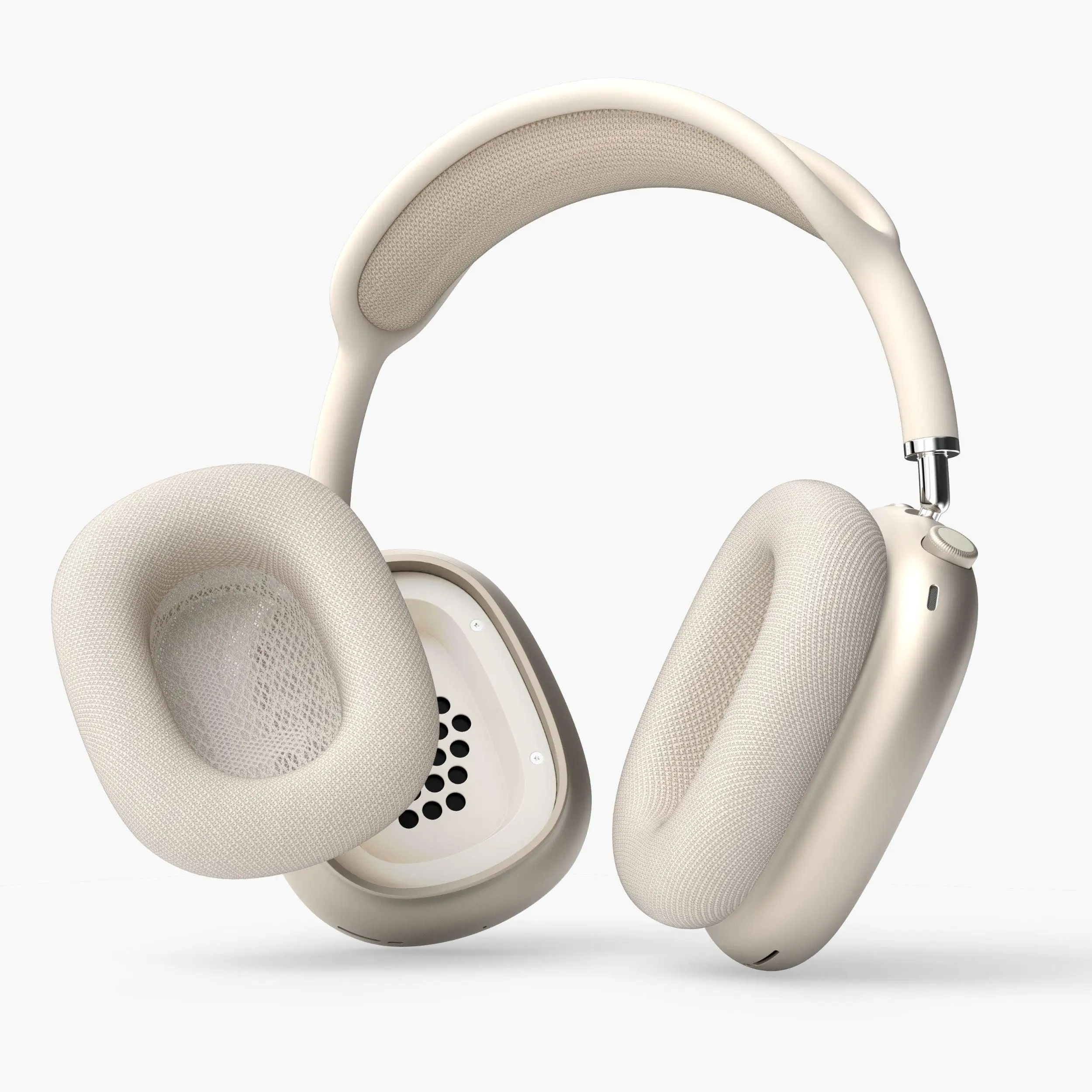
The silhouette remains instantly recognizable. The anodized aluminum ear cups, the mesh canopy, the telescoping arms—these are not discarded, because they never needed to be.
But what changes is weight distribution, tactility, and intent.
Apple has reportedly reduced overall fatigue through internal rebalancing rather than dramatic weight cuts. The headband mesh feels more responsive, adapting dynamically to pressure rather than simply resting. Ear cushions introduce improved breathability, a response to long-standing critiques of heat retention.
The most visible update is the long-awaited shift to USB-C, aligning the AirPods Max 2 with Apple’s broader ecosystem transition. It is less a feature than a correction—one that removes a point of friction rather than adding novelty.
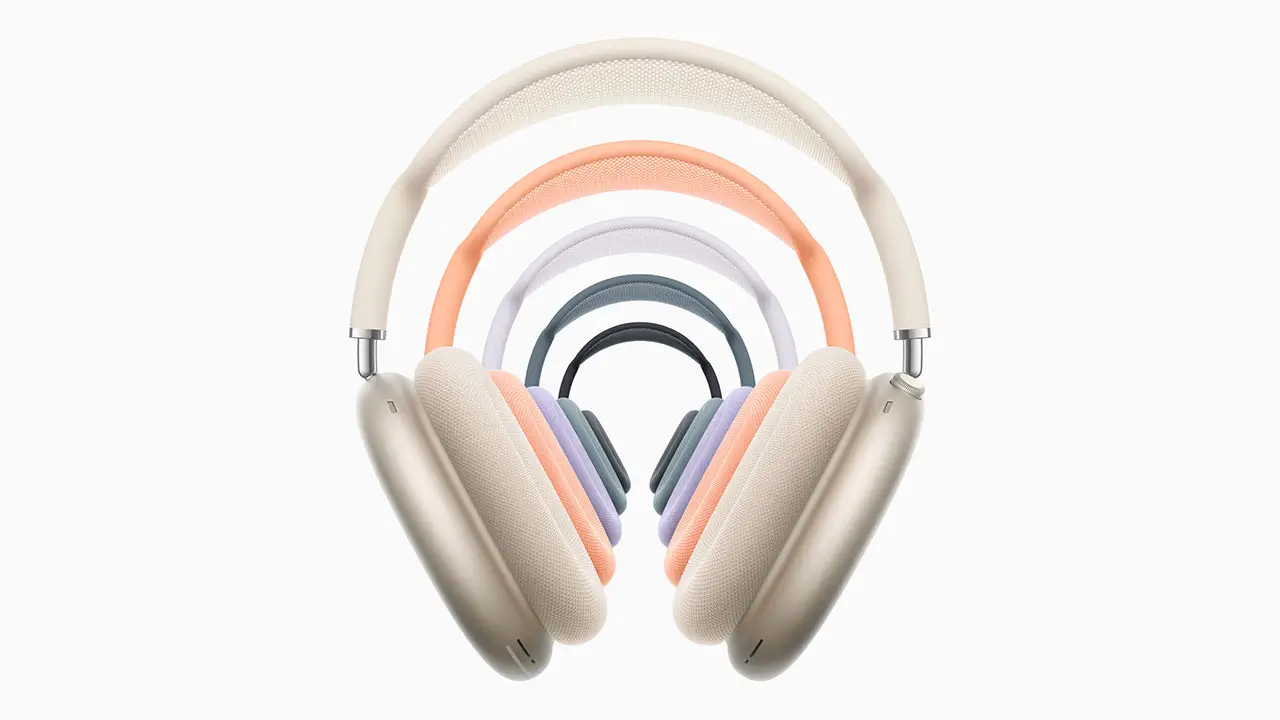
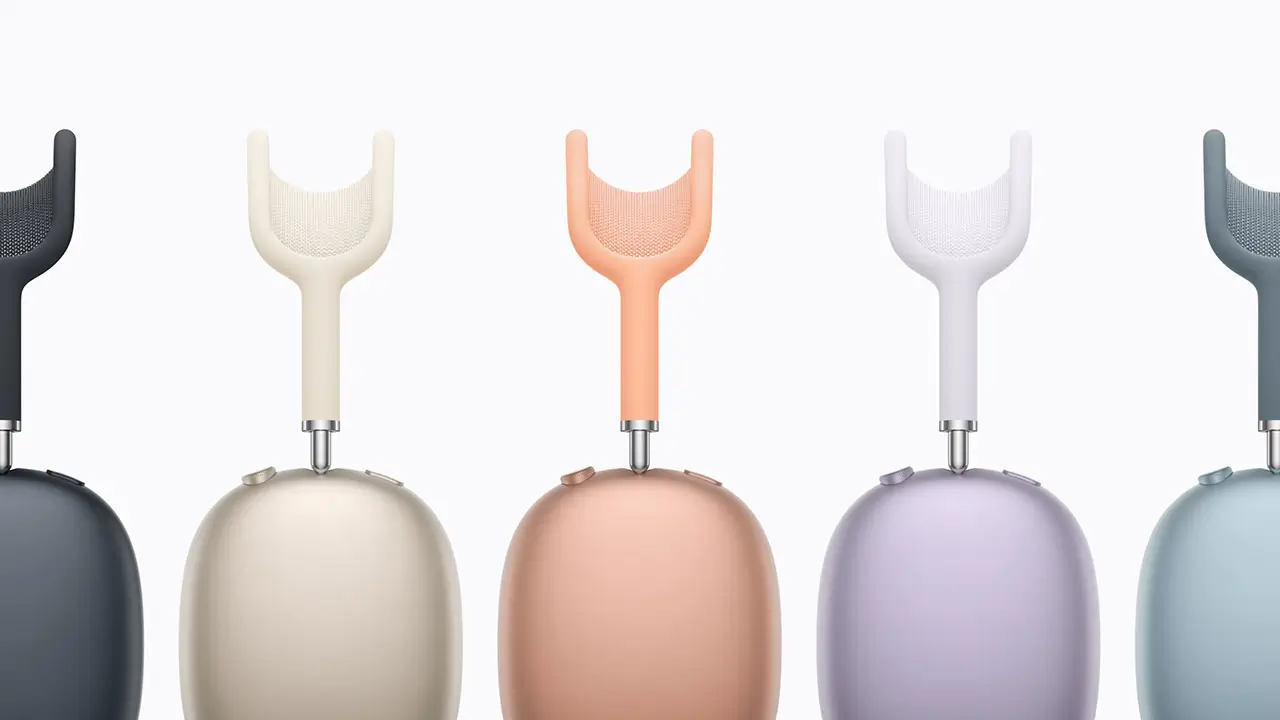
Colorways expand slightly, leaning into muted, material-forward tones rather than seasonal statements. This is not fashion in the traditional sense; it is industrial continuity.
flow
If the first generation emphasized clarity, the AirPods Max 2 leans into control.
At the center is a new computational audio architecture—likely powered by an evolved Apple silicon chip—that refines how sound is processed in real time. The goal is not louder bass or sharper highs; it is consistency across environments.
Music no longer feels like a static file being played back. Instead, it behaves as something responsive, subtly adjusting to external noise, head position, and even listening habits.
There is a noticeable tightening of the low end—not exaggerated, but more deliberate. High frequencies are less prone to fatigue, suggesting a recalibration toward longer listening sessions. The midrange, often where Apple products quietly excel, becomes more dimensional, allowing vocals and instrumentation to occupy clearer space.
This is not a headphone tuned for spectacle. It is tuned for endurance—for hours, not moments.
View this post on Instagram
stir
Spatial Audio is no longer an accessory feature—it is the organizing principle.
Originally introduced as a way to simulate surround sound, Apple’s implementation has evolved into something more architectural. With the AirPods Max 2, Spatial Audio becomes adaptive, personalized, and persistent.
Using head tracking and device integration, the sound field stabilizes in space rather than moving with the listener. Turn your head, and the audio remains anchored—as if it exists independently of the headphones.
What’s new is the degree of personalization. Through iPhone-based ear scanning, the system builds a custom spatial profile, adjusting how sound reflects and disperses. The result is less gimmick, more presence.
Content mixed in Dolby Atmos benefits most, but even standard stereo tracks are subtly expanded, suggesting Apple is less interested in format dependency and more focused on perceptual consistency.
idea
Noise cancellation in the AirPods Max 2 is no longer static. It behaves like a system that learns.
Adaptive ANC responds to shifting environments—subway rumble, office chatter, wind interference—without requiring manual toggles. Transparency mode, once a binary switch, becomes more nuanced, allowing certain frequencies (like voices) to pass through while suppressing others.
This creates a layered listening experience. You are not simply “in” or “out” of the world; you exist somewhere in between.
The effect is subtle but cumulative. Over time, the headphones feel less like a barrier and more like a filter.
shh
Battery life sees incremental gains, but the real advancement lies in efficiency. Power management adapts based on usage patterns, extending longevity without requiring user awareness.
Connectivity remains deeply integrated within the Apple ecosystem. Pairing across devices—iPhone, iPad, Mac—feels instantaneous, almost anticipatory.
The shift to USB-C also introduces potential for lossless wired audio, a feature long requested by audiophiles. While wireless still dominates, the option for higher fidelity through cable suggests Apple is acknowledging a more discerning listener.
eco
The AirPods Max 2 does not exist in isolation. It is part of a network.
Within the Apple ecosystem, transitions between devices are seamless. Start a film on a MacBook, continue on an iPad, answer a call on an iPhone—the headphones follow without friction.
This is where Apple’s advantage becomes most visible. Competitors may match or exceed individual features, but few replicate the continuity of experience.
The headphones become less a product and more an extension of the system.
id
There is a reason Apple continues to emphasize aluminum over plastic, mesh over foam, density over lightness. The AirPods Max 2 is not designed to disappear physically—it is designed to justify its presence.
This creates a tension. In a market moving toward lighter, more minimal designs, Apple insists on a certain weight—both literal and symbolic.
Wearing the AirPods Max 2 is not neutral. It communicates something about preference, about alignment with a specific design language. It is less about branding and more about recognition.
held
In a landscape populated by strong competitors—Sony, Bose, and others—the AirPods Max 2 does not attempt to out-spec every rival. Instead, it reinforces a different value proposition.
Where others prioritize feature lists, Apple prioritizes cohesion. The experience is not defined by individual metrics but by how those metrics interact.
This approach narrows the audience but deepens the connection. The AirPods Max 2 is not for everyone. It is for those already within—or willing to enter—the Apple ecosystem.
position
There is a broader shift happening in how we think about sound. It is no longer just something we consume; it is something we inhabit.
The AirPods Max 2 aligns with this shift. Spatial Audio, adaptive noise control, computational tuning—these are not isolated features. They are components of a larger idea: audio as environment.
This reframes the role of headphones. They are not merely playback devices; they are tools for shaping perception.
limit
Despite its advancements, the AirPods Max 2 does not resolve every critique.
Price remains high, positioning it firmly in the luxury segment. Weight, while improved in distribution, may still deter some users. And while Spatial Audio continues to evolve, its full potential depends on content availability.
These are not oversights—they are trade-offs. Apple is not trying to satisfy every use case. It is refining a specific vision.
fin
The AirPods Max 2 does not announce a new era. It quietly adjusts the current one.
It takes what already exists—Spatial Audio, computational processing, ecosystem integration—and makes it more cohesive, more intuitive, more invisible.
In doing so, it suggests a future where technology recedes, leaving only experience behind.
The headphones remain. The interface disappears. The sound stays.
Related Articles

Garage Italia’s Electric Spiaggina Puts the Fiat 500’s Riviera Years on Battery Power
Ten kilowatts, rattan seats and a €85,000 starting price: Garage Italia's 500 Spiaggina rebuilds Ghia's 1958 beach car for the yacht crowd.