Valve Pinkie Promises the Steam Machine Will Be Here This Summer – But There’s Still One Obvious Piece Missing

June 5, 2026
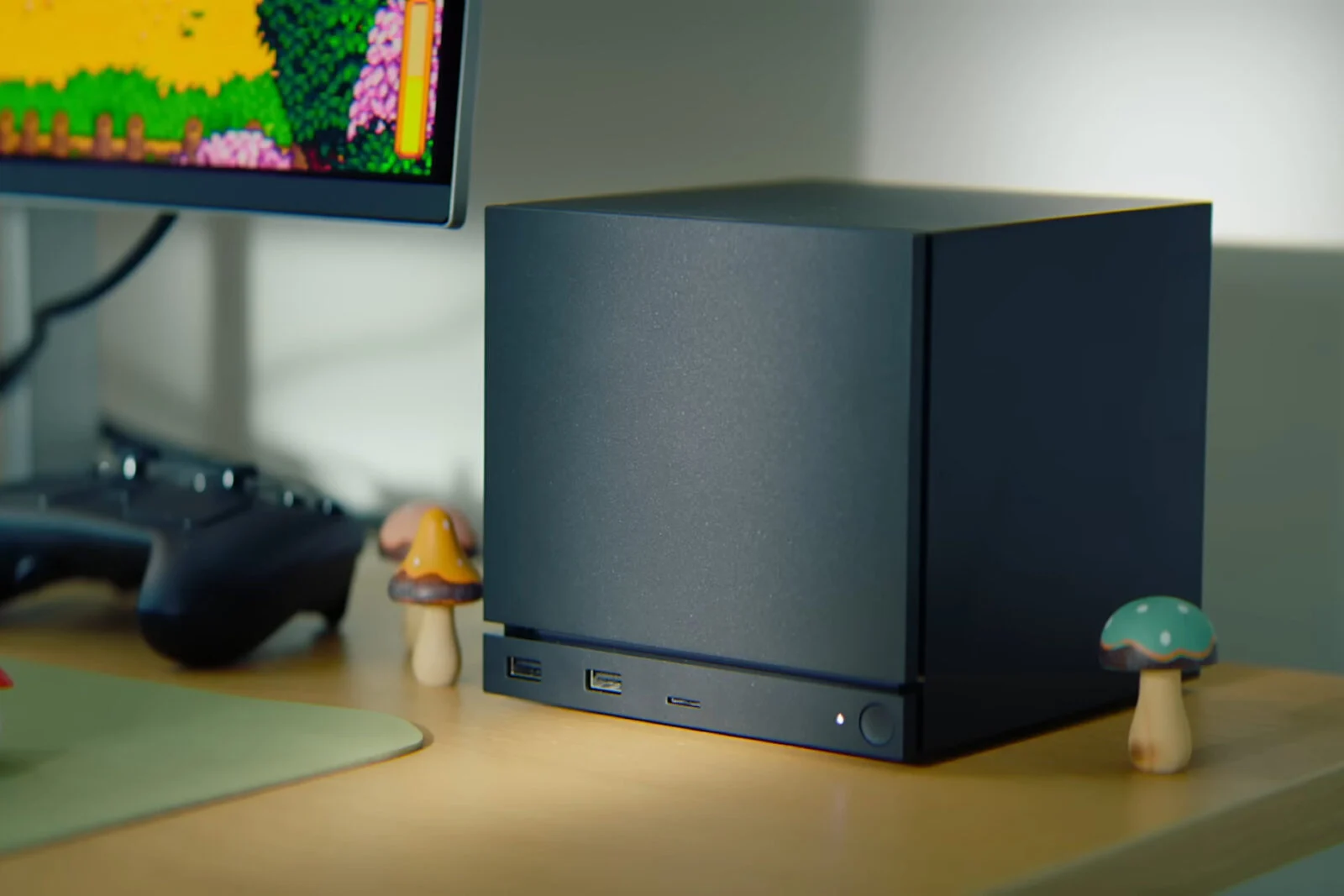
In the high-stakes world of gaming hardware, few companies command the loyalty and skepticism of Valve. On June 4, 2026, the company once again teased its long-awaited Steam Machine and companion Steam Frame VR headset, confirming via a Steamworks developer update that both are “shipping this summer.” It’s a pinkie promise of sorts—earnest, optimistic, but lacking the full commitment of a firm date or, crucially, pricing.
stir
The original Steam Machines launched in 2015 as a consortium of third-party hardware partners running SteamOS, aiming to bring PC gaming to the TV. They failed spectacularly—high prices, fragmented ecosystem, and poor performance relative to expectations doomed the effort. Fast-forward a decade: the wildly successful Steam Deck (2022) proved Valve could master portable PC gaming with SteamOS optimizations, Proton compatibility, and seamless library integration.
Announced in late 2025 alongside the new Steam Controller and Steam Frame, the 2026 Steam Machine is Valve’s in-house, refined take: a compact ~6-inch black cube packing desktop-class AMD power. It promises “over six times the horsepower” of the Steam Deck, targeting 4K/60fps gaming with FSR upscaling on your big screen.
Valve’s June 4 announcement expands the Steam Verified program to these devices, signaling developer readiness and consumer confidence in performance. Yet the vagueness persists: “this summer” (June–August window) without specifics, echoing past delays driven by global memory/storage shortages tied to AI demand.
Announcing: New @Steam Hardware, coming in 2026:
Steam Controller
Steam Machine
Steam FrameWatch our jazzy announcement video and wishlist now: https://t.co/TUKoZdzn9B pic.twitter.com/A355CpwcFr
— Valve (@valvesoftware) November 12, 2025
flow
The Steam Machine embodies minimalist industrial design—matte black, compact (roughly 152 x 162 x 156mm), with a customizable front LED strip for status or ambiance. It’s engineered for quiet operation and easy living-room integration, complete with a removable faceplate.
Key Specs (based on official and reliable reporting):
- CPU: Semi-custom AMD Zen 4, 6 cores/12 threads, up to 4.8 GHz.
- GPU: Semi-custom AMD RDNA 3, ~28 Compute Units, 8GB GDDR6 VRAM (comparable to entry-mid desktop cards).
- RAM: 16GB DDR5.
- Storage: 512GB or 2TB NVMe SSD, expandable via microSD.
- Connectivity: Wi-Fi 6E, Bluetooth 5.3, Gigabit Ethernet, HDMI 2.0, DisplayPort 1.4, multiple USB ports (including USB-C).
- OS: SteamOS, with full desktop mode for versatility.
This setup targets couch gaming with your entire Steam library, sleep/wake functionality, and broad compatibility. It bridges console simplicity and PC flexibility—no subscriptions, no walled gardens, just plug in and play.
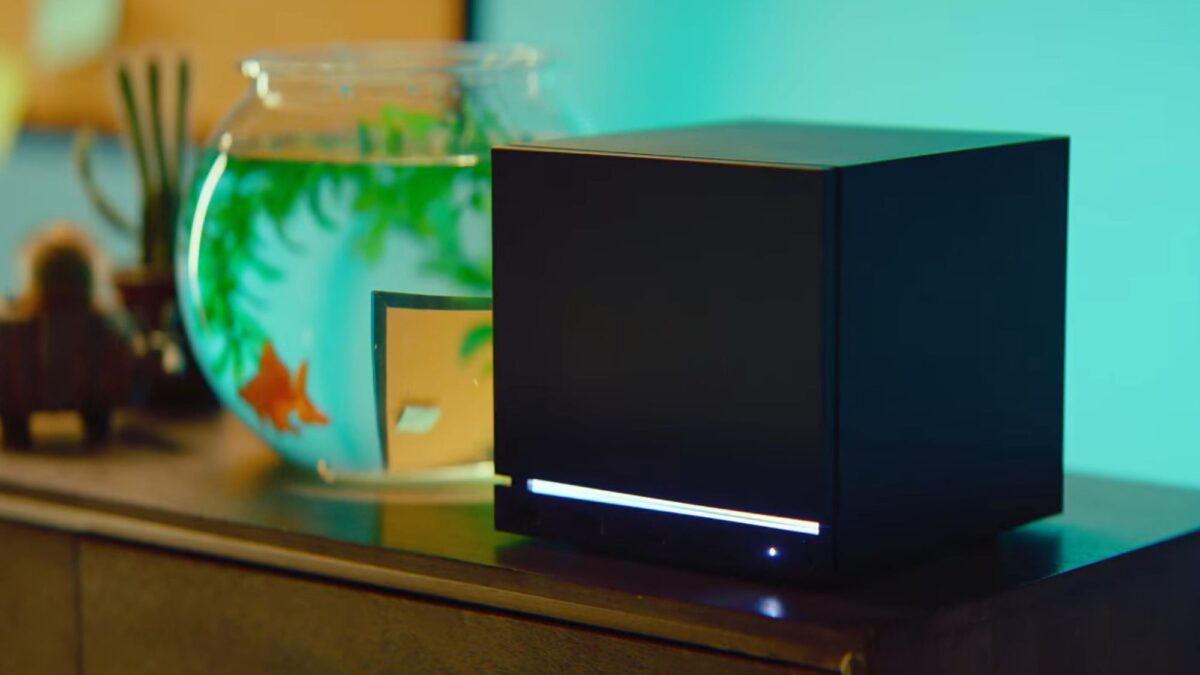
Paired hardware includes the refreshed Steam Controller (larger battery, improved haptics) with built-in wireless adapter, enhancing the living-room experience.
frame
The Steam Frame complements the Machine as a standalone/wireless VR headset powered by Snapdragon 8 Series, running SteamOS. Specs include dual 2160×2160 LCDs (pancake optics), 72–144Hz refresh, 110° FOV, inside-out tracking, eye tracking, and standalone capabilities with 16GB RAM and 256GB/1TB storage options. It supports PC streaming and native VR/non-VR games via emulation layers.
This positions Valve in the growing standalone VR space, competing with Meta Quest while leveraging Steam’s massive library—potentially a game-changer for accessible, high-fidelity VR.

culture
2026 gaming trends favor hybrid experiences: portability (Deck success), living-room resurgence post-pandemic, and VR/AR maturation amid digital fatigue. Valve’s ecosystem approach—SteamOS as a unifying layer—challenges closed consoles while appealing to PC enthusiasts wary of lockdowns.
The Steam Machine revives “Steam Box” dreams but with Deck-honed software maturity. It democratizes high-end PC gaming for non-builders, emphasizing ease without sacrificing power. In an era of AI-driven hardware costs and economic pressures, Valve’s transparency on delays builds trust, even as skepticism lingers from 2015.
Broader implications: strengthened SteamOS ecosystem could pressure Microsoft and Sony, expand indie/AAA accessibility, and influence mini-PC design trends. Culturally, it embodies Valve’s ethos—player-focused, anti-gatekeeping innovation.
scope
Here’s the obvious gap: no official pricing. Leaks and estimates vary wildly—from optimistic $600–800 to $950+ for base models—exacerbated by component shortages. Valve has stated it won’t subsidize like consoles, pricing it competitively with equivalent DIY PCs.
This opacity fuels speculation. A premium tag risks alienating the mass market the original Steam Machines missed. Success hinges on perceived value: full library access, upgradability potential, and Steam sales ecosystem recouping costs. Summer shipping without price details suggests final tweaks or strategic timing (perhaps near Summer Game Fest).
narr
For enthusiasts, the Steam Machine invites living-room setups with minimalist aesthetics—cube on media console, LED glow syncing with gameplay. Pair with large TVs for 4K immersion or multi-monitor productivity in desktop mode. VR enthusiasts eye Steam Frame for wireless freedom without tethering compromises.
SEO-friendly angles: “Steam Machine 2026 review,” “Valve living room PC,” “SteamOS console alternative.” Alt text: “Valve Steam Machine compact black cube gaming hardware for 4K Steam library on TV.”
challenge
Supply chain volatility, competition from handhelds/consoles, and software polish remain hurdles. Yet Valve’s track record with Deck suggests they’ll iterate rapidly post-launch.
If priced accessibly and delivered as promised, the Steam Machine could redefine console-PC boundaries, cementing Steam as the ultimate gaming platform. The pinkie promise feels binding—summer 2026 will test Valve’s hardware ambitions once more.
fin
Valve’s reaffirmation signals momentum, but the pricing reveal will define reception. In 2026’s vibrant tech landscape, the Steam Machine represents thoughtful reduction: powerful yet approachable, flexible yet focused. As we await concrete details, anticipation builds for a device that could finally fulfill the living-room PC dream.
Related Articles

Hyrule’s Cutting Room Floor: The Scrapped Ocarina of Time Ideas That Could Save the Switch 2 Remake
A muted Direct reveal has fans nervous. Decades of cut content sitting in Nintendo’s archive […]