
DRIFT AUDIO
Listen to this story
Choose a voice, then press play.
The induction of the Wu-Tang Clan into the Rock and Roll Hall of Fame as part of the 2026 performer class is not a symbolic stretch or a revisionist gesture. It is a straightforward acknowledgment of documented influence. Announced on April 13, 2026, the group will be formally inducted on November 14 at the Peacock Theater in Los Angeles, with the ceremony set to air later via ABC and Disney+.
What defines this moment is not novelty. Wu-Tang Clan is not the first rap group to enter the Hall—acts like Run-D.M.C., Public Enemy, and N.W.A established that precedent years ago. What distinguishes Wu-Tang is the breadth of their contribution: not only a catalog of influential recordings, but a structural shift in how hip-hop groups could operate, expand, and retain control.
flow
Wu-Tang Clan formed in the early 1990s in Staten Island, New York, anchored by RZA, alongside his cousins GZA and Ol’ Dirty Bastard. The lineup expanded to include Method Man, Raekwon, Ghostface Killah, Inspectah Deck, U-God, and Masta Killa, with Cappadonna later integrated into the extended structure now recognized by the Hall.
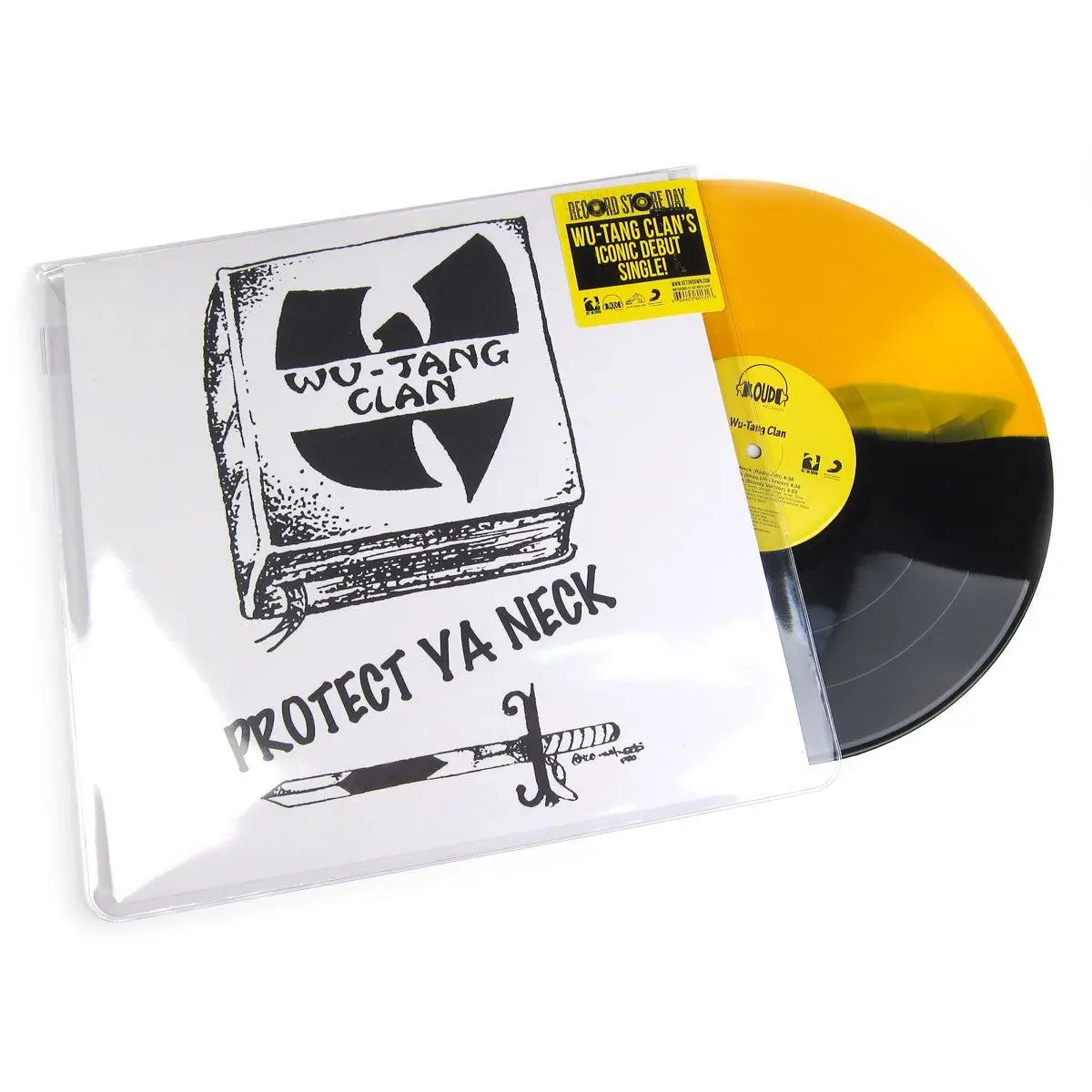
Their early trajectory is well documented. Before major-label success, the group independently promoted their first single, “Protect Ya Neck,” distributing copies themselves and pushing it through regional radio. This grassroots approach was not branding strategy—it was necessity. It also established a pattern: Wu-Tang’s rise was built through circulation and persistence rather than immediate industry endorsement.
cept
Released in 1993, Enter the Wu-Tang (36 Chambers) remains the clearest evidence of the group’s impact. Produced primarily by RZA, the album diverged sharply from the dominant commercial rap sound of the time. Its construction—minimal, abrasive, sample-heavy—stood in contrast to the polished, radio-friendly production then prevalent.
This is not a matter of interpretation; it is reflected in both critical reception and long-term influence. Tracks like “C.R.E.A.M.” and “Protect Ya Neck” became foundational within hip-hop’s canon, with “C.R.E.A.M.” in particular frequently cited as one of the genre’s defining records. The album achieved platinum status by 1995, confirming that its unconventional sound did not limit its reach.
The sonic approach was deliberate. RZA’s production incorporated fragments of soul records and dialogue from martial arts films, creating a layered environment rather than a conventional beat structure. The result was a cohesive but raw sound that prioritized atmosphere and tension over clarity and polish.

very
One of Wu-Tang Clan’s most significant contributions lies in their contractual structure. When the group signed with Loud Records, they negotiated terms that allowed individual members to pursue solo deals with other labels while retaining their collective identity.
This arrangement is widely recognized as unprecedented at the time. It enabled a dual system: Wu-Tang Clan as a unified group and each member as an independent artist. The immediate outcome was a sequence of influential solo releases—Tical, Liquid Swords, Only Built 4 Cuban Linx…, Ironman—that expanded the group’s reach without fragmenting its identity.
The importance of this model is measurable. It altered how record labels approached group contracts and demonstrated that commercial success and artistic autonomy could coexist. Many later collectives and solo artists have adopted variations of this approach, making it one of Wu-Tang’s most enduring legacies.

culture
Wu-Tang Clan’s influence extends beyond recorded music into documented cultural impression. The launch of Wu Wear in the mid-1990s positioned the group among the first hip-hop acts to successfully translate musical identity into a retail brand.
This was not an isolated venture. The group’s view identity—the “W” logo in particular—became globally recognizable. Their presence extended into film, television, and gaming, reinforcing a consistent symbolic system.
Scholarly and institutional analyses, including those from the Rock Hall, identify this expansion as part of Wu-Tang’s broader contribution: the creation of a cohesive cultural framework that combined music, visual identity, and narrative.
scope
Wu-Tang Clan’s influence is not abstract. It is traceable through specific artists and movements. The Rock Hall explicitly identifies figures such as JAY-Z, Nas, and Pusha T as artists shaped by Wu-Tang’s sound and approach.
This influence manifests in multiple areas: lyrical density, production style, group dynamics, and business strategy. The group’s emphasis on individuality within a collective framework has become a standard model in hip-hop and beyond.
Additionally, the widespread sampling of Wu-Tang’s catalog across genres demonstrates their continued relevance. Their recordings remain active components of contemporary music production, not static artifacts.
position
Wu-Tang Clan enters the Hall alongside artists including Phil Collins, Iron Maiden, Billy Idol, Oasis, Sade, Joy Division / New Order, and Luther Vandross.
This placement reflects the Hall’s broader definition of “rock and roll” as encompassing artists who have shaped popular music at a fundamental level. Wu-Tang’s inclusion aligns with this framework, reinforcing the idea that genre boundaries are less relevant than cultural and musical impact.

shh
The induction also carries the absence of Ol’ Dirty Bastard, who died in 2004. His role within the group is well documented: unpredictable, charismatic, and central to the group’s dynamic.
His inclusion among the inducted members ensures that the group’s history is represented accurately, without revision or omission. The ceremony will inevitably function as both recognition and remembrance.
cognizant
The Rock and Roll Hall of Fame’s criteria for induction include musical excellence, influence, and impression. Wu-Tang Clan meets these criteria through verifiable evidence:
Their debut album altered the sound of hip-hop in the 1990s.
Their business model reshaped artist-label relationships.
Their cultural expansion extended hip-hop’s reach into fashion and global branding.
Their influence is documented across multiple generations of artists.
This is not a case of retrospective elevation. It is a formal acknowledgment of established fact.
sum
Wu-Tang Clan’s induction does not conclude their relevance. Their catalog continues to circulate, their influence continues to be cited, and their structural innovations remain embedded in the music industry.
The ceremony at the Peacock Theater will provide a focal point, but it does not define the group’s legacy. That legacy is already distributed across decades of recordings, business practices, and cultural impact.
What the induction does provide is clarity. It places Wu-Tang Clan within an institutional narrative that now recognizes what has long been evident: their contribution is not peripheral to popular music history. It is central to it.