Bizzy Bone’s Netflix Biopic: Inside the Bone Thugs-n-Harmony Legend’s Journey

May 24, 2026
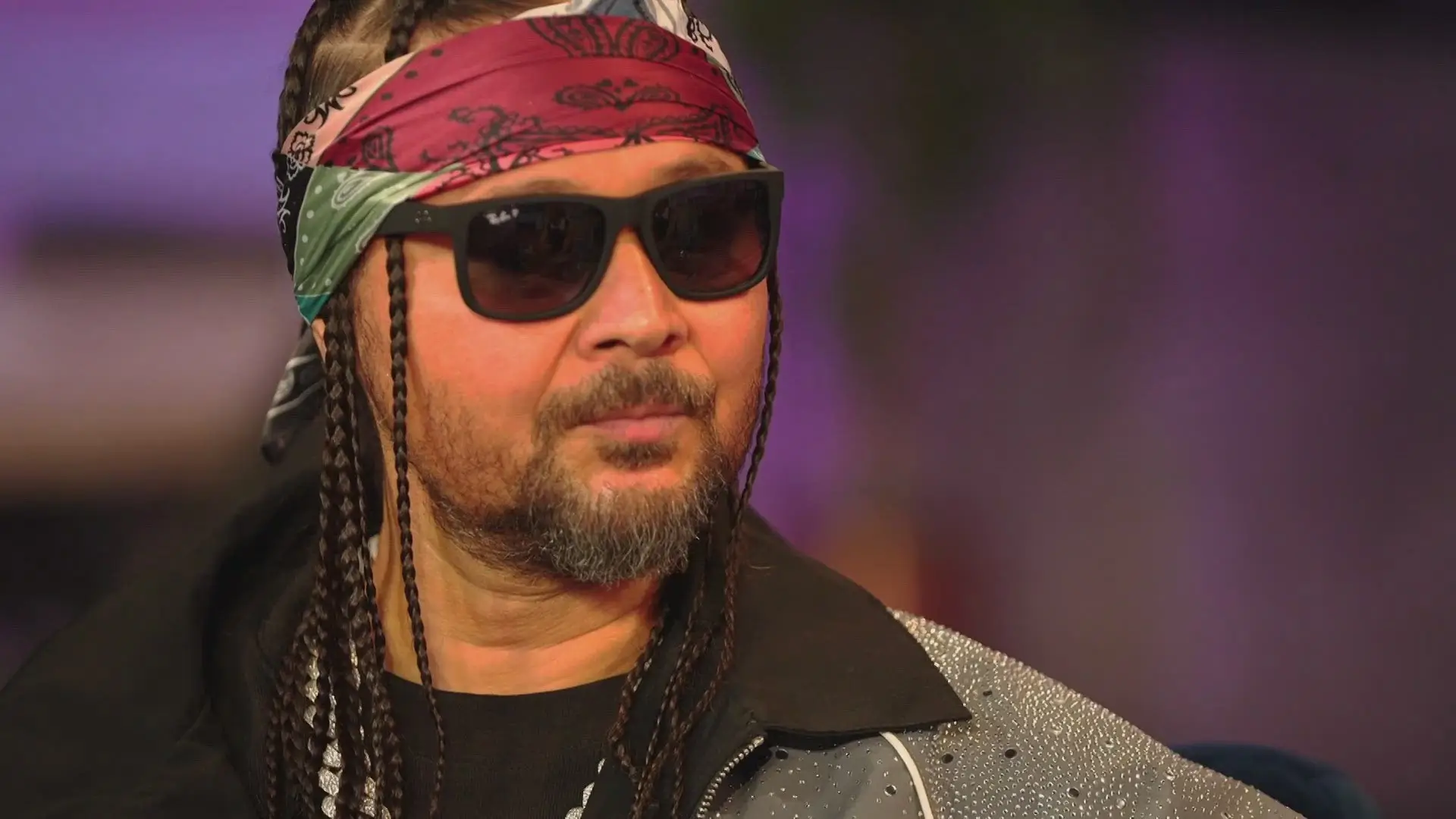
In a recent announcement that has Hip-Hop fans buzzing, Bizzy Bone (Bryon Anthony McCane II) revealed he has been developing a biopic/documentary project since 2016. The Netflix-bound project chronicles his extraordinary life—from a harrowing childhood kidnapping and years of abuse to his rise as one of the most distinctive and resilient voices in Hip-Hop as a core member of Bone Thugs-n-Harmony.
Bizzy’s story is not just another rags-to-riches tale. It is a testament to human endurance, the redemptive power of art, and the complex realities behind the flashy facade of fame. At nearly 50 years old (born September 12, 1976), the Cleveland legend continues to evolve, turning personal pain into platinum records and now, potentially, a major view narrative.
View this post on Instagram
stir
Bizzy Bone’s trauma began early. In 1981, at just four years old, he and his two sisters were abducted by their mother’s ex-husband (sometimes referred to as a stepfather figure), Bryon McCane. The abductor, who had connections and knowledge of how to evade authorities, took the children across state lines, primarily in northern Oklahoma.
For over two years, the siblings lived a nightmare—shuffled between motels, apartments, cars, and even a Kaw Indian Reservation. They were told their mother and grandmother were dead. Physical beatings, torture, and sexual abuse were part of their daily existence. Bizzy later revealed he was molested by the son of one of his captor’s associates.
Rescue arrive thanks to the groundbreaking efforts of John Walsh and America’s Most Wanted. The 1983 TV movie Adam, about Walsh’s own son’s tragic murder, ended with photos of missing children. A babysitter recognized young Bizzy’s image, leading to the children’s recovery. This made Bizzy one of the early success stories of the missing children awareness movement.
Returning home brought its own challenges. Foster care, family instability, and the lingering psychological scars followed. Bizzy has spoken openly about these experiences, including on America’s Most Wanted in 2002, where he performed a song thanking John Walsh. The trauma influenced his music profoundly—lyrics laced with references to pain, foster homes, skeletons in the closet, and spiritual searching.
from
By his early teens, Bizzy was living with his sister near Cleveland. There, he connected with Layzie Bone, Krayzie Bone, Wish Bone, and Flesh-n-Bone, forming Bone Enterprise (later Bone Thugs-n-Harmony). The group’s unique style—melodic, rapid-fire delivery blending singing and rapping—set them apart in an era dominated by West Coast gangsta rap and East Coast boom-bap.
Eazy-E of N.W.A discovered them in 1993 and signed them to Ruthless Records. Their 1994 EP Creepin’ on ah Come Up exploded with “Thuggish Ruggish Bone,” introducing the world to their harmonious yet street-hardened sound. The follow-up album E. 1999 Eternal (1995) cemented their legend. The single “Tha Crossroads,” reworked after Eazy-E’s death from AIDS, became a massive hit—debuting at No. 2 on the Billboard Hot 100, hitting No. 1 for eight weeks, winning a Grammy, and becoming a cultural touchstone for grief and remembrance.
Bone Thugs sold millions, influenced countless artists, and brought Cleveland Hip-Hop to the global stage. Bizzy’s high-pitched, intricate flows—often delivered at breakneck speed—made him a standout. Songs like those on his solo debut Heaven’z Movie (1998) delved deeper into personal themes: loss, faith, struggle, and triumph. Tracks like “Thugs Cry” and “Nobody Can Stop Me” openly referenced his past.
challenge
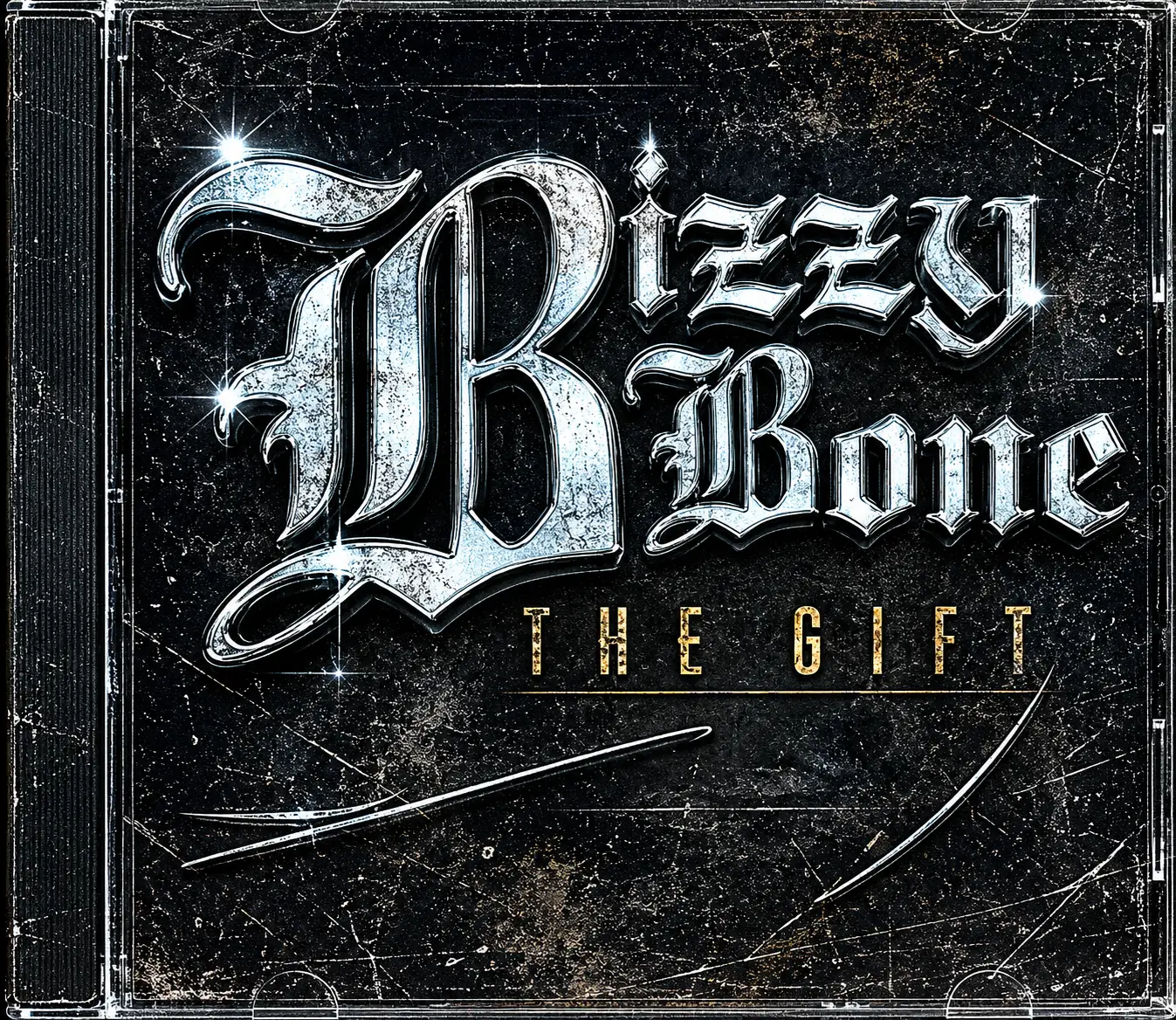
Bizzy launched a prolific solo career alongside group work. Albums like The Gift (2001), Alpha and Omega (2004), A Song for You (2008), and later releases such as Carbon Monoxide (2019), The Mantra (2020), and more recent projects demonstrate his work ethic. He has released over 20 solo albums, often independently, showcasing versatility from rap-rock experiments to spiritually infused tracks.
Success was not without setbacks. In 2002, he was temporarily dismissed from the group after an incident involving drinking on stage. Internal label issues with Ruthless and personal demons—stemming from childhood trauma, including struggles with alcohol and instability—surfaced publicly. He has spoken about periods of homelessness as a youth, writing lyrics in bus stations, and later battles with addiction and loss (including the murder of a close friend and foster brother).
Yet Bizzy’s resilience shines through. He has channeled pain into public speaking, advocacy for abused children, and consistent output. Father to multiple children (reports vary around 8–10 from different relationships), he has emphasized family and growth in interviews. Reunions with Bone Thugs, despite occasional tensions, highlight the group’s enduring bond.
His music often explores themes of redemption, God, street life, and mental health—making him relatable to fans facing their own crossroads. Bizzy’s ability to maintain a career for over three decades in a notoriously cutthroat industry speaks volumes about his talent and determination.
scope
Bizzy has been developing this project since 2016. He has submitted scripts and concepts to influential figures, including connections at Netflix. The documentary/biopic will cover his abduction, the abuse, foster care, meeting the Bones, the Eazy-E discovery, massive success, personal lows, and ongoing evolution.
In announcements, Bizzy described it as a “great story to tell,” tying into his public speaking. It aims to inspire, showing how trauma can fuel creativity rather than destroy it. Unlike earlier semi-autobiographical efforts (like the 2007 film I Tried), this promises a fuller, more personal scope.
The timing feels right. In an era where artists like 50 Cent (Get Rich or Die Tryin’) and others have successfully translated lives to screen, Bizzy’s narrative—with its elements of true crime, redemption, and Hip-Hop history—has strong potential. It could highlight broader issues like child abduction awareness (linking back to John Walsh) and mental health in the music industry.
resil
Bizzy Bone’s impact extends beyond sales. Bone Thugs-n-Harmony pioneered a style that influenced everyone from Twista’s speed rapping to modern melodic rappers. Their harmonies brought emotional depth to gangsta rap. Bizzy, as the youngest and often most volatile member, embodied the group’s raw energy and vulnerability.
His solo work showcases an artist unafraid to evolve—experimenting with rock, gospel influences, and conscious themes. Despite industry politics, label changes, and personal battles, he persists. Recent albums on his birthday demonstrate discipline and a desire to connect directly with fans.
Resilience defines him. From believing his family was dead as a child to navigating fame’s pitfalls, Bizzy turned survival into art. He has used his platform to discuss molestation, foster care failures, and healing—topics still stigmatized. His story resonates because it is authentic: no filter, no gloss, just truth.
look
As the documentary develops, it represents more than a career retrospective. It is Bizzy Bone claiming his narrative fully. In Hip-Hop, where many stories go untold or get sensationalized, this project offers a chance for depth and context.
Fans eagerly await details—potential directors, casting (who could play young Bizzy or Eazy-E?), and release timeline. For Bizzy, it closes a circle: the boy rescued by a TV movie now creating one to inspire others.
Bizzy Bone’s journey—from Oklahoma motels to Cleveland stages, from trauma to triumph—embodies Hip-Hop’s core ethos: turning adversity into advantage. As one of the genre’s most resilient voices, his documentary will likely stand as both personal catharsis and culture document.
In a 2025–2026 interview context, Bizzy reflected on how these experiences fuel his public speaking and art. The project, long in the making, promises to reveal the full man behind the legend: the survivor, the father, the innovator, and the voice that harmonized pain into something eternal.
Related Articles
Inside Zhou Guanyu’s Road From Shanghai Karting to Formula 1 and Fashion’s Front Row – Tommy Hilfiger
Zhou Guanyu spent over a decade fighting to become China’s first Formula 1 driver. Now […]