Cartier and The King’s Foundation Launch Decorative Métiers d’Art Programme in Watchmaking

April 16, 2026
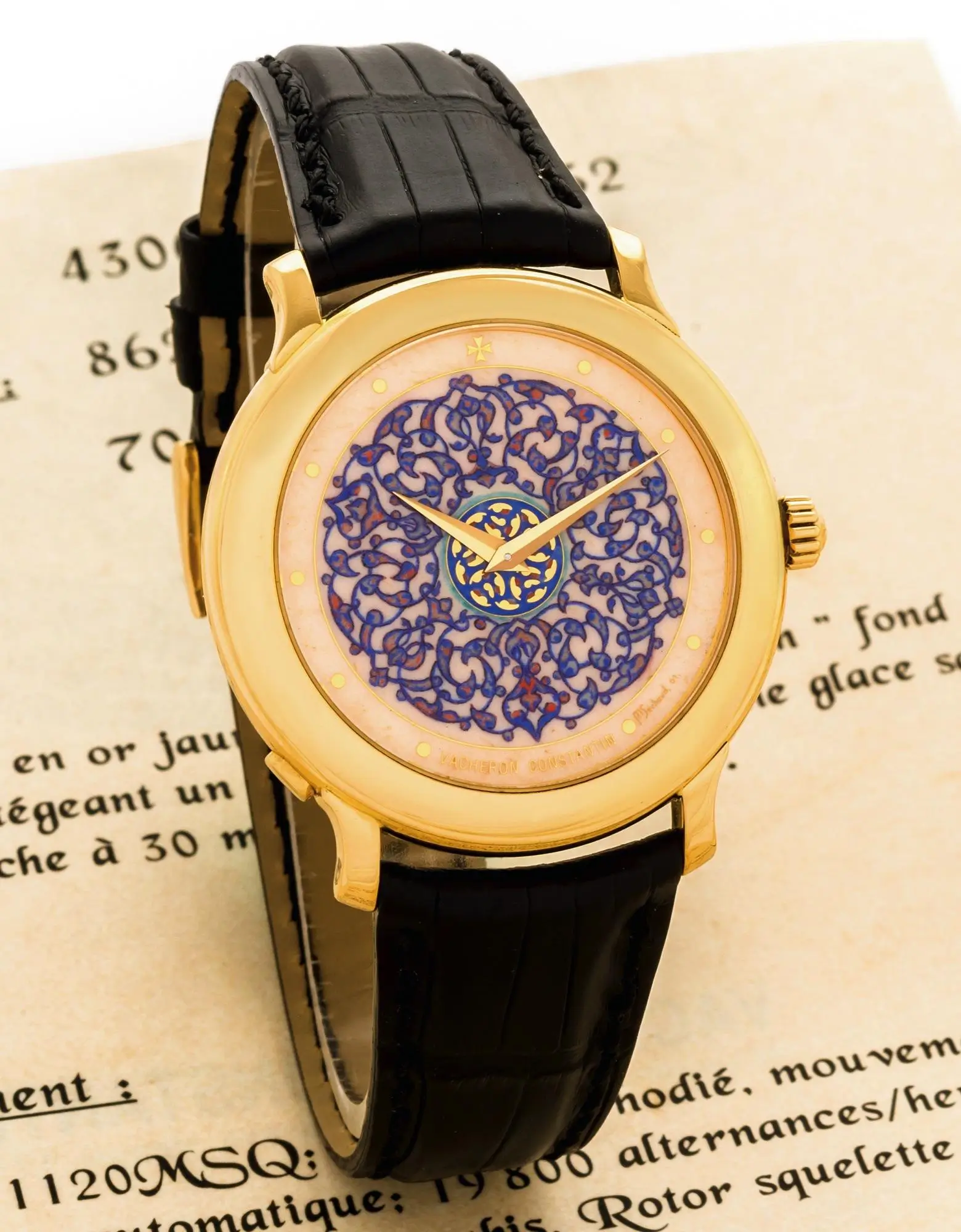
The history of watchmaking has never been linear. It advances in increments—technical, aesthetic, philosophical—yet always circles back to the hand. Beneath the mythology of precision engineering lies something quieter: a discipline shaped by human touch, by repetition, by a way of seeing that slows the world down enough to render it in miniature. Within this space, decorative métiers d’art have long functioned as watchmaking’s most intimate language. They do not announce themselves with complication or spectacle. Instead, they operate through surface, through detail, through the subtle transformation of raw material into something enduring.
stir
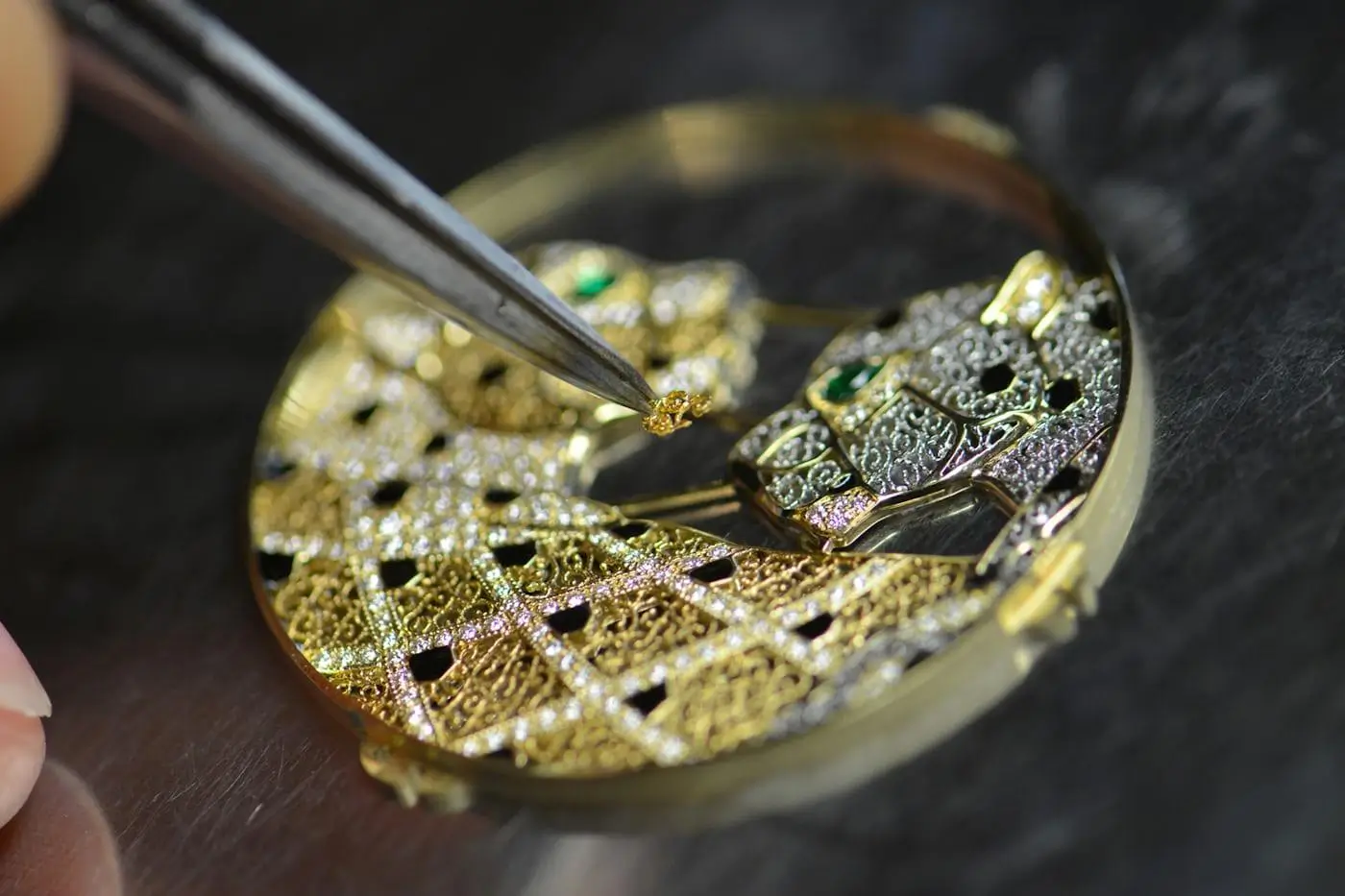
These techniques—champlevé, grisaille, marquetry—exist at the edge of visibility. To the untrained eye, they may register simply as ornament. But within the culture of horology, they signal something more complex: time extended through labor. Each layer of enamel, each inlaid fragment of wood or shell, represents hours that cannot be compressed or automated. The process resists acceleration. It demands stillness. And it is precisely this resistance that now places these crafts in a precarious position.
The threat facing decorative métiers d’art is not dramatic. There is no singular event, no abrupt disappearance. Instead, the erosion is gradual, almost imperceptible. Fewer apprentices commit to the years required to master these techniques. Fewer institutions maintain the infrastructure needed to teach them at depth. The knowledge itself—largely tacit, transmitted through demonstration rather than documentation—becomes increasingly fragile. In a culture oriented toward immediacy, the logic of such work begins to feel misaligned with the pace of contemporary life.
flow
It is within this context that The King’s Foundation and Cartier have introduced the Decorative Métiers d’Art in Watchmaking programme. The announcement does not arrive with spectacle. It is measured, deliberate, and quietly consequential. At its core, the programme proposes a simple but significant intervention: to create conditions under which these endangered practices can be learned, sustained, and reinterpreted by a new generation.
style
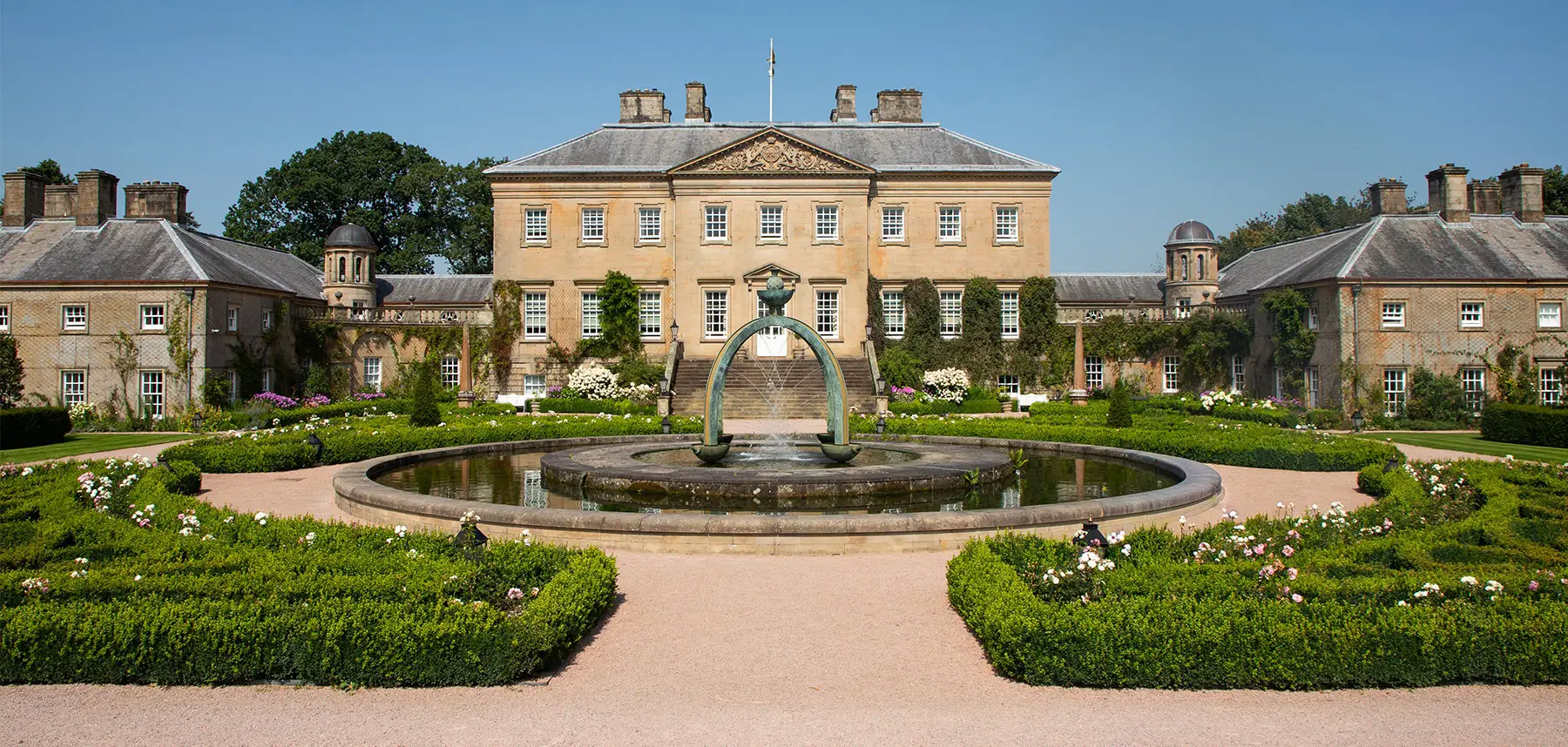
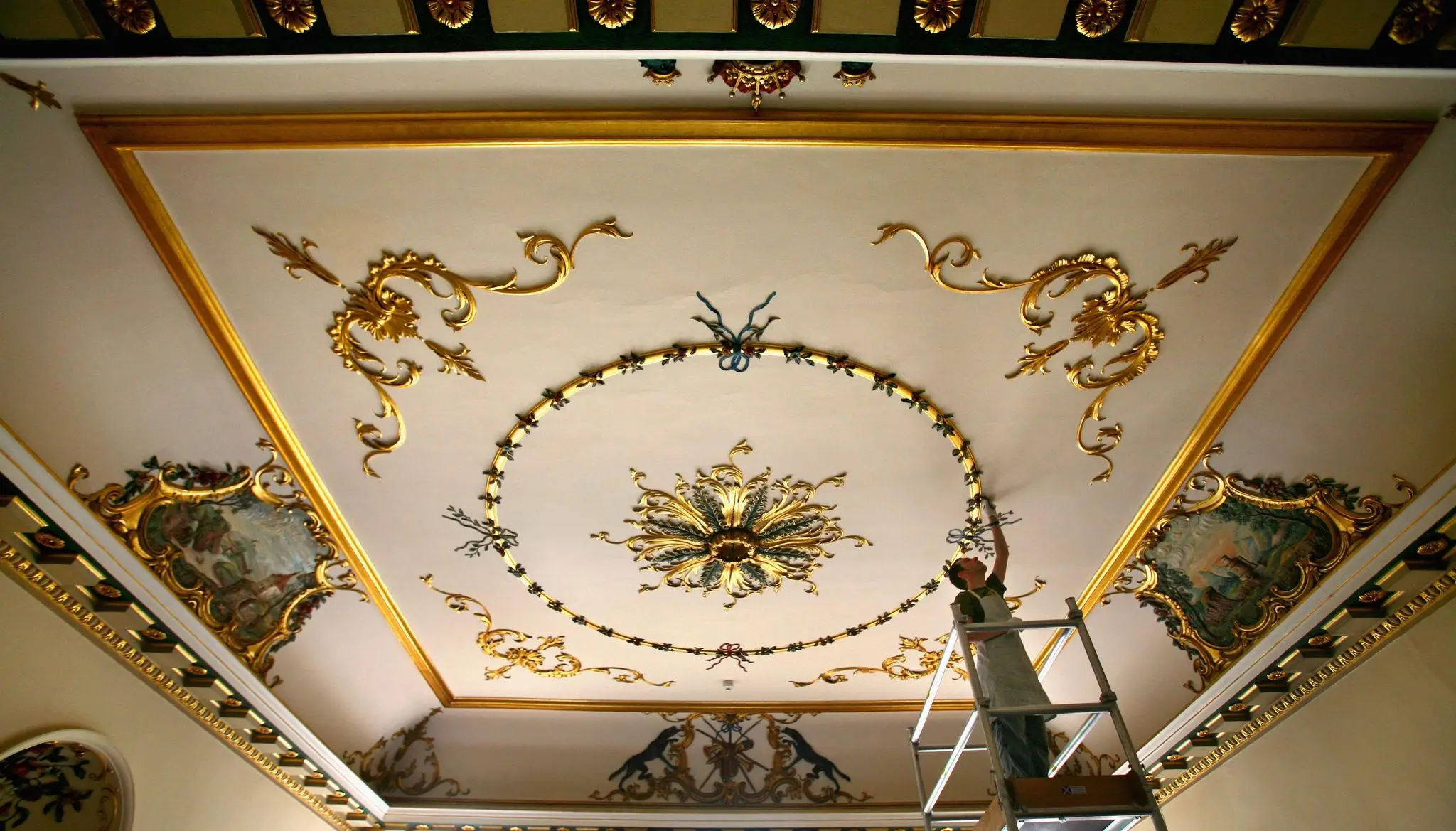
The structure of the initiative reflects this intention with precision. Over seven months, participants move through an environment designed to prioritize immersion over fragmentation. The first five months unfold at Dumfries House, an 18th-century estate whose restoration has already become synonymous with the preservation of traditional crafts. Here, the setting is not incidental. It shapes the rhythm of learning. Removed from urban distraction, the estate creates a spatial and temporal buffer—one that allows focus to deepen, habits to form, and attention to recalibrate.
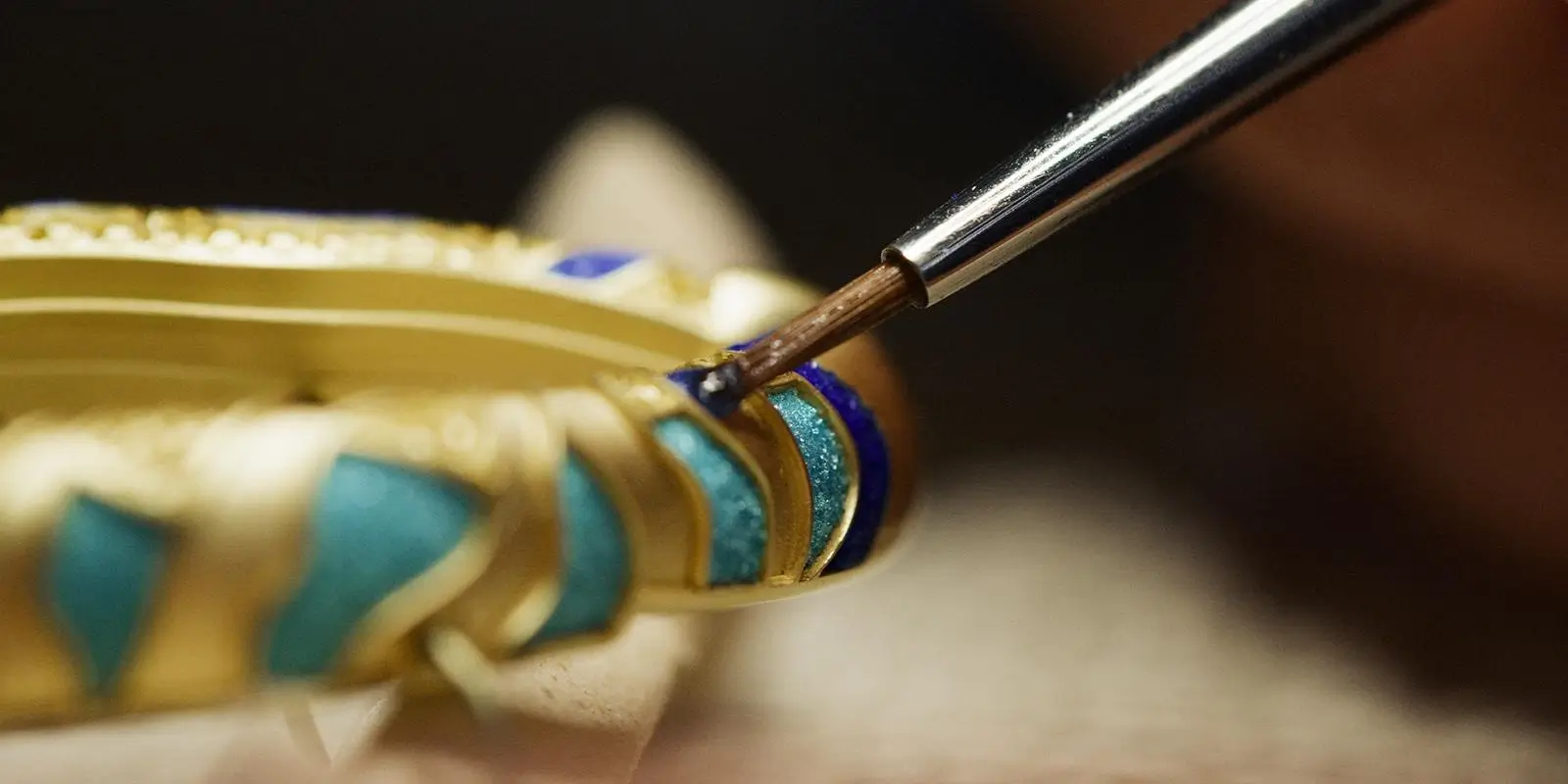
Within this environment, the curriculum turns toward the foundational techniques that define decorative watchmaking. Champlevé enamelling begins with the removal of material—small cavities carved into a metal surface, later filled with powdered glass and fired at high temperatures. The process is iterative, each firing introducing the possibility of imperfection. Grisaille, by contrast, builds through subtraction and addition simultaneously: layers of white enamel applied over a dark ground, gradually revealing form through controlled opacity. Marquetry introduces a different logic altogether, assembling images through the precise placement of minute fragments—wood, shell, metal—each chosen for grain, tone, and texture.
These are not merely technical exercises. They function as systems of thought. Each technique requires the practitioner to internalize a specific relationship to time, to error, to material resistance. Progress cannot be forced. Mastery emerges through repetition, through failure, through the gradual alignment of intention and outcome. In this sense, the programme does more than teach skills; it recalibrates perception.
grad
After this period of intensive study, participants transition into a two-month project phase. Here, the structure loosens. The emphasis shifts from replication to authorship. Under continued guidance, each artisan develops a body of work that reflects both technical competence and individual direction. This phase is critical. Without it, the programme would risk becoming purely preservational—a static transmission of existing knowledge. By introducing authorship, it acknowledges that tradition survives only through adaptation.
region
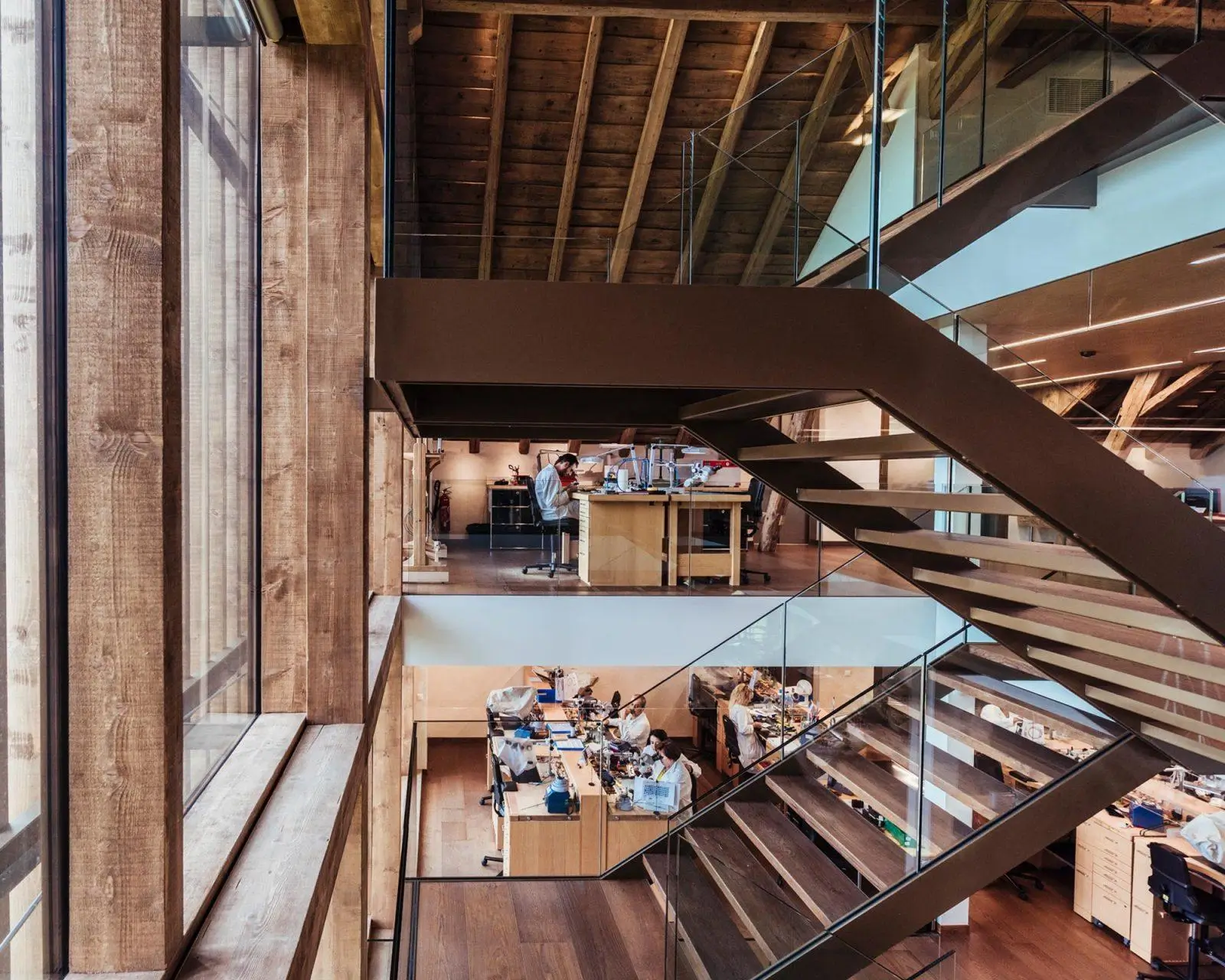
Parallel to the residency in Scotland are modules held at Maison des Métiers d’Art Cartier. If Dumfries House provides the conditions for reflection and learning, Cartier’s Swiss ateliers introduce another dimension: exposure to a contemporary, high-performance environment where these same techniques are applied at the highest level of luxury watchmaking. Here, the scale shifts. The tools become more specialized, the expectations more exacting.
What distinguishes this component is the nature of the exchange. Participants are not positioned as passive recipients of knowledge. Instead, the programme is structured around dialogue. Cartier’s master artisans—individuals whose expertise has been refined over decades—engage directly with students, offering insight into process, material selection, and conceptual framing. At the same time, the presence of emerging practitioners introduces a degree of openness, a willingness to question established methods and explore new directions.
custom
This dual structure—historic estate and contemporary atelier—forms the conceptual backbone of the programme. It resists the binary that often defines discussions of craft: preservation versus innovation. Instead, it positions tradition as something dynamic, capable of absorbing new influences without losing its integrity. The environment at Dumfries House encourages depth, patience, and continuity. The ateliers in Switzerland introduce precision, experimentation, and application at scale. Together, they create a continuum rather than a contrast.
Eligibility criteria further reinforce the programme’s intent. By focusing on UK-based graduates in jewellery or watchmaking, as well as emerging designers within the first three years of practice, the initiative ensures a baseline level of proficiency. Participants arrive with foundational skills already in place. This allows the programme to operate at a level of intensity that would be difficult in a more general educational setting. It also reflects an understanding that the preservation of these crafts depends not on broad accessibility alone, but on depth of engagement among those already committed to the field.
attend
The bursary structure is equally significant. Financial barriers have long limited access to specialized craft education, particularly at the level required for métiers d’art. By removing these constraints, the programme reframes mastery as something that should be attainable through dedication rather than privilege. It is a practical acknowledgment that the survival of these techniques depends on widening the pool of practitioners without diluting the rigor of training.
Applications open on April 27, 2026, through The King’s Foundation, with the first cohort expected to present their work in a public exhibition in spring 2027. This final component—the exhibition—extends the programme beyond its immediate participants. It introduces a public dimension, inviting audiences to engage with the results of this intensive process. In doing so, it addresses another aspect of the current crisis: the diminishing view of these crafts within broader cultural discourse.
present
Vision matters. Without it, even the most carefully preserved techniques risk becoming insular, disconnected from the cultural contexts that give them meaning. By situating the final works within an exhibition framework, the programme creates an interface between specialist practice and public perception. It allows these objects to be seen not only as haute artifacts, but as manifestations of time, labor, and intention.
View this post on Instagram
extent
What emerges from this initiative is not a definitive solution to the challenges facing decorative métiers d’art. The scale is modest. A single cohort, even if successful, cannot reverse decades of gradual decline. Yet the significance lies elsewhere—in the model it proposes. It suggests that preservation is most effective when it is embedded within practice, when it is supported by institutions willing to invest in long-term outcomes rather than immediate visibility.
More broadly, the programme reflects a shifting understanding of value within contemporary culture. In an era defined by speed, by the constant circulation of images and information, there is a growing recognition that certain forms of knowledge cannot be compressed without losing their essence. The skills taught within this programme belong to that category. They are slow by necessity. They require attention that cannot be divided. They produce objects that resist instant consumption.
rel
This resistance is not a limitation. It is a form of relevance. As digital systems continue to accelerate the pace of production and exchange, the presence of practices that operate according to a different logic becomes increasingly important. They offer an alternative framework—one in which time is not something to be minimized, but something to be inhabited.
The partnership between The King’s Foundation and Cartier can be understood within this broader context. It is not simply about safeguarding a set of techniques. It is about affirming the conditions under which those techniques can continue to evolve. It recognizes that craft is not static, that its survival depends on its ability to remain connected to contemporary culture without becoming subsumed by it.
approach
For the individuals who will participate in the programme, the implications are both practical and conceptual. They will acquire skills that are increasingly rare, positioning them within a niche but highly valued segment of the watchmaking industry. At the same time, they will engage with a lineage that extends far beyond their own practice. They will become part of a continuum—one that links past, present, and future through the shared language of making.
The impression of this cohort may not be immediately visible. It will unfold over time, through the work these artisans produce, through the practices they establish, through the ways in which they transmit their knowledge to others. If the programme succeeds, its influence will extend beyond its initial framework, inspiring similar initiatives, encouraging collaboration between institutions, and contributing to a broader ecosystem in which decorative métiers d’art can continue to thrive.
fin
For now, the significance of the initiative lies in its clarity of purpose. It identifies a problem that is often overlooked, proposes a structured response, and commits the resources necessary to sustain it. It does so without overstating its scope, without reducing complexity to narrative. In this sense, it mirrors the very practices it seeks to preserve: precise, deliberate, attentive to detail.
There is, finally, an invitation embedded within this programme. It is directed not only at potential applicants, but at a wider audience. It asks us to reconsider the value of slowness, of patience, of work that unfolds over time rather than in response to immediate demand. It suggests that within these qualities lies a form of knowledge that remains essential, even—perhaps especially—in a world defined by speed.
For those who feel drawn to this mode of making, the opportunity is rare. To study within the environment of Dumfries House, to engage with master artisans at Cartier, to move from learning to authorship within a structured yet open framework—these are conditions that seldom align. The programme offers a point of entry into a lineage that is both fragile and resilient, one that depends on each generation to carry it forward.
In the end, the future of decorative métiers d’art will not be determined by a single initiative. It will depend on a network of efforts—educational, institutional, individual—each contributing to the preservation and evolution of these practices. The Decorative Métiers d’Art in Watchmaking programme represents one such effort. Its scale may be limited, but its intention is expansive. It seeks not only to sustain a tradition, but to ensure that it continues to live, to change, and to matter.
Related Articles

A 1.2 Million Pound Machine Is Making Grown Men Cry, and Nobody Warned the Midwest
Union Pacific’s Big Boy No. 4014 is deep into a coast to coast tour, and […]