DRIFT

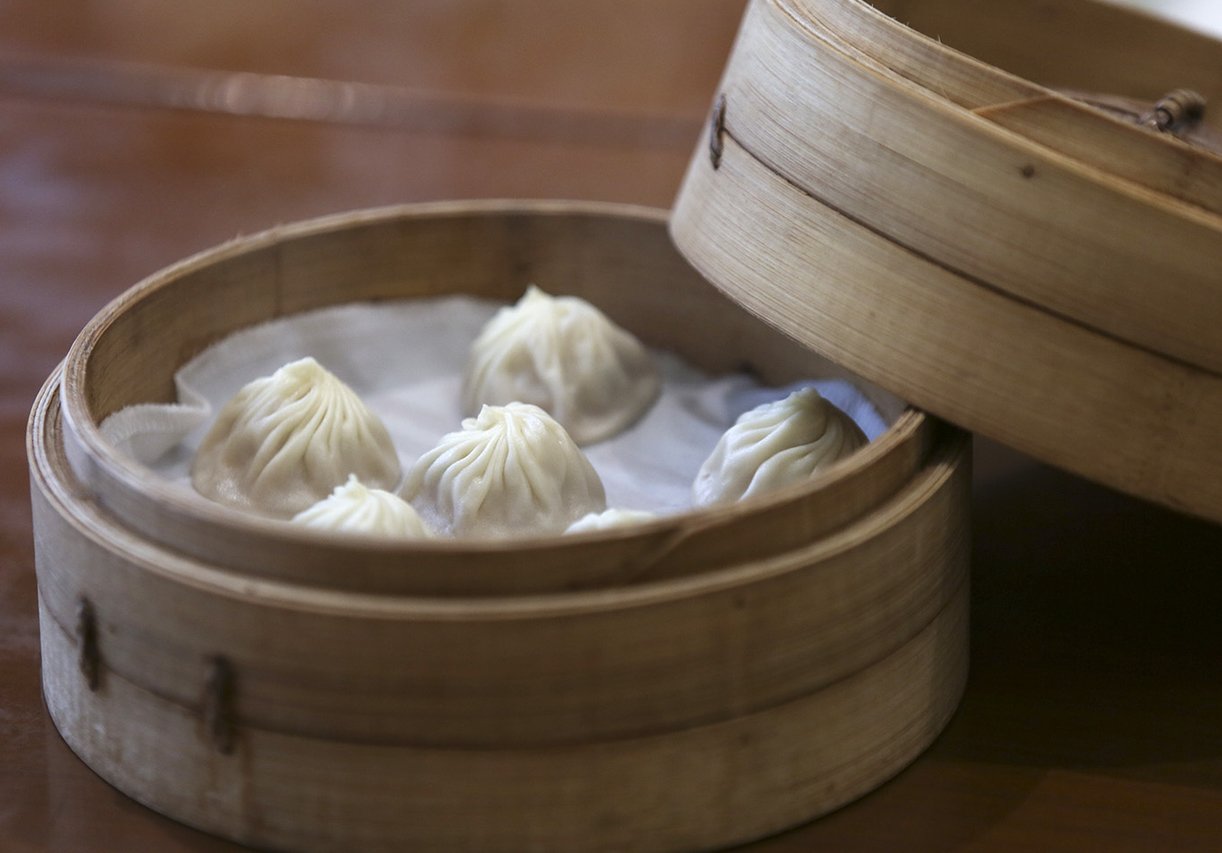
In a restaurant landscape dominated by household names and fast-casual behemoths, one name is quietly—and unmistakably—reshaping the notion of dining excellence and profitability: Din Tai Fung. The Taiwan-based chain, globally revered for its precision-crafted xiao long bao (soup dumplings), has quietly engineered a culinary conquest in the United States that is redefining not only how Americans eat, but how they measure success in the hospitality sector. In 2024, Din Tai Fung’s 16 U.S. locations achieved an average unit volume (AUV) of $27.4 million per store, a figure that eclipses even the most opulent steakhouses and entertainment dining giants.

To understand the magnitude of this figure, consider this: a single Din Tai Fung location generates the same revenue as two Cheesecake Factories, or nearly seven McDonald’s—and does so without drive-thrus, gimmicks, or Big Mac bundles. The chain’s runaway success is not a fluke, but the result of a delicate choreography of scale, pricing, quality, ambiance, and cultural resonance.

This is a story about food, yes—but more than that, it’s about perception, ritual, and the latent hunger for experiential authenticity.

The Geometry of Appetite: Design, Space, and Efficiency

One of the most understated secrets to Din Tai Fung’s success lies in the architectural language of its restaurants. Their U.S. locations span a vast range—from intimate 5,580-square-foot venues to sprawling flagship behemoths, like the 25,000-square-foot Manhattan outpost that opened in 2023. The sheer scale of these spaces allows the brand to serve more guests at once without compromising the pacing or intimacy of the dining experience.

Each restaurant is designed with near-clinical precision—marrying minimalist Taiwanese modernism with high-volume operational flow. Behind the clean lines and serene aesthetics are orchestrated systems: glass-enclosed dumpling rooms where customers can watch the intricate folding of each xiao long bao, and open kitchen concepts that spotlight the choreography of wok and steam. Visibility breeds trust, and spectacle drives demand.

This transparency is more than theater—it’s assurance. In a landscape where so much of fast food is cloaked in corporate opacity, Din Tai Fung offers its process on full display, enhancing both the experience and the appetite.

The Wait Is the Meal: Ritual and Desire

Despite being infamously busy, Din Tai Fung doesn’t repel diners with its crowds—it seduces them. The wait has become part of the ritual. Long queues snake around mall entrances and urban sidewalks, filled with patrons who seem less bothered by the delay than eager to participate in a communal rite.

At the Disneyland location alone, over 10,000 soup dumplings are sold per day. Families plan entire days around lunch at Din Tai Fung; influencers document the wait as eagerly as the meal. For many, especially in cities like Los Angeles, Seattle, and Las Vegas, dining here is not merely a question of sustenance—it’s a pilgrimage.

This willingness to wait stems from more than food quality. It’s about consistency, heritage, and a kind of culinary reverence rarely seen in chains. Din Tai Fung has positioned itself not as a restaurant, but as an institution of gastronomic precision—an atelier of flavor, where every fold of dough and drop of soup is treated with sacred respect.

The Haute of the Familiar: Pricing and Accessibility

Unlike opulent steakhouses or tasting-menu restaurants where the price of entry often exceeds $200 per person, Din Tai Fung offers a premium-feel experience at an accessible price point. The average check hovers around $55 per diner, which strikes a remarkable balance: expensive enough to feel like a special experience, affordable enough for repeat visits.

What makes this pricing even more strategic is that it blurs the line between casual and upscale dining. Guests receive white-tablecloth service, ceramic ware, and attentive pacing—without the formal dress codes or pretentious atmosphere that often defines fine dining. In short, Din Tai Fung delivers Michelin-level consistency with mall-accessible ease.

The menu itself is expansive yet focused. While the xiao long bao remain the crown jewel, the offerings span multiple culinary genres: Taiwanese greens with garlic, wok-fried rice cakes, pork chop fried rice, sweet taro xiao long bao for dessert. Each dish feels purpose-built, not trend-chasing. There are no avocado toasts or truffle aiolis here—just deeply rooted dishes executed with quiet mastery.

A Study in Brand Discipline

Unlike many Western chains that grow rapidly and dilute brand identity in the process, Din Tai Fung has taken a deliberate, almost surgical approach to expansion. With only 16 U.S. locations as of 2024, the brand exerts tight control over every facet of its presence—from architectural uniformity and menu fidelity to training protocols and sourcing standards.

That restraint has worked in its favor. While others chase exponential growth, Din Tai Fung has cultivated reputational scarcity. You don’t find Din Tai Fung on every corner—you seek it out. That scarcity turns each visit into an event.

And while the brand is globally beloved—with outposts across Australia, Southeast Asia, and the Middle East—its entrance into the American market was tactically patient, waiting until Asian cuisines reached sufficient critical mass in mainstream culture. Now, bolstered by America’s growing culinary pluralism and fascination with East Asian aesthetics, the brand sits at a perfect confluence of timing, taste, and trend.

The Asian Sit-Down Renaissance

Din Tai Fung is not an isolated phenomenon. It is the tip of the spear in a broader rise of Asian sit-down restaurant chains thriving in the U.S., even as the broader casual dining industry faces saturation and stagnation. Brands like KPOT Korean BBQ, Kyuramen, and Kura Sushi have ridden a cultural and demographic wave—where Gen Z and millennial diners crave experiential dining, global flavors, and interactive formats.

According to data from Technomic, sales at Asian chains were up 7.6% in 2024, a striking contrast to flat or declining growth across the casual dining spectrum. These concepts succeed not only because of flavor profiles but because they offer rituals—from conveyor-belt sushi and tabletop grills to steaming baskets of dumplings.

Din Tai Fung sits atop this trend as its most elegant ambassador. It refrains from over-branding or theatrical kitsch, choosing instead to elevate the cultural cuisine itself, inviting diners to slow down, savor, and witness.

Beyond Food: Culture, Prestige, and Diplomacy

At its midst, Din Tai Fung is a cultural emissary. It introduces Taiwanese culinary philosophy to a global audience through craft, not compromise. It does not Americanize its flavors but invites American palates to meet it where it stands.

This positioning has helped it become not only a restaurant but a cultural touchstone—a favored dining destination for diplomats, celebrities, and business leaders alike. When world leaders visit Taiwan or cities like Singapore or Tokyo, a stop at Din Tai Fung is often on the itinerary. That same international prestige now infuses the brand’s U.S. identity with global cachet.

Its integration into luxury retail centers and destinations like Disneyland is strategic—not because these places need more food options, but because Din Tai Fung enhances the perception of place. It raises the status of its surroundings simply by existing.

The Future: Scaling Without Diluting

As of mid-2025, questions swirl about whether Din Tai Fung can maintain its aesthetic and culinary integrity as it continues U.S. expansion. Can the brand replicate its formula at scale without losing the magic?

All signs suggest that it can—if it continues to value training, curation, and patience over speed. Early prototypes in New York, Las Vegas, and Seattle have shown that the formula can be adapted without dilution. However, each new location must retain its almost monastic commitment to craft and culture.

There is speculation that Din Tai Fung could anchor its own branded luxury experiences in the future—perhaps boutique hotels, curated home cooking kits, or even immersive culinary studios. But either or not it pursues these avenues, the foundation it has built in America is unshakable.

Flow

Din Tai Fung’s success isn’t just a story of dumplings. It’s a case study in deliberate scale, cultural fidelity, operational excellence, and architectural hospitality. It is the rare restaurant that manages to be global and local, elite and accessible, traditional and modern—all at once.

In a saturated world of restaurant chains trying to be everything to everyone, Din Tai Fung succeeds by being precisely what it is: a shrine to the steam basket, a temple of the handmade fold, a meal that makes you wait and rewards you for it.

It is, quite possibly, the most meticulously orchestrated restaurant experience in America today—and it’s only just beginning to stretch its legs.


Related Articles

Modern data center facility with a solar-panel-clad exterior, bright green administrative offices, and secure perimeter fencing, showcasing sustainable digital infrastructure and renewable energy integration

Lombardy’s Data Center Boom: Balancing Digital Ambition with Environmental Responsible

Lombardy has emerged as Italy’s primary hub for new digital infrastructures, particularly data centers—vast complexes […]

In a highly anticipated reunion after 24 years, Adidas Originals and Coca-Cola have joined forces once again to celebrate the FIFA World Cup 2026™. The collaboration revives their iconic 2002 partnership from the Japan-South Korea tournament, now reimagined for the biggest global sporting event of 2026, co-hosted by the United States, Canada, and Mexico. Set to launch on June 6, 2026, this collection masterfully blends Adidas' streetwear heritage with Coca-Cola's timeless branding, creating a vibrant fusion of football culture, nostalgia, and modern style. The drop arrives at a perfect moment. With the World Cup kicking off on June 11, 2026, fans worldwide are gearing up for a summer of football excitement. This collaboration isn't just merch—it's a cultural statement that merges two legendary brands under the banner of "Originals are the Real Thing," a clever twist on Coca-Cola's famous slogan. Historical Context: A Reunion 24 Years in the Making Adidas and Coca-Cola first collaborated during the 2002 FIFA World Cup, producing limited-edition pieces that captured the era's energy. That partnership helped define early 2000s football-streetwear crossover culture. Fast-forward to 2026, and the brands are back with fresh energy, leveraging Adidas' deep FIFA ties (as an official partner) and Coca-Cola's long-standing sponsorship of the tournament. The 2026 edition promises to be historic as the first 48-team World Cup, spanning three countries and generating unprecedented global hype. This collab taps into that momentum, offering fans wearable pieces that celebrate both brands' legacies while looking forward to the future of football fashion. Collection Overview and Design Philosophy The Adidas Originals x Coca-Cola collection fuses 2000s street style with classic sporting aesthetics. Expect bold reds, creams, whites, and silver accents inspired by Coca-Cola's iconic packaging—think classic script logos, droplet detailing, and can-inspired motifs. The lineup spans footwear, apparel, and accessories, divided into two visual directions: one logo-heavy and graphic-forward, the other drawing from vintage advertising aesthetics. Designs pay homage to Coca-Cola's visual language while staying true to Adidas Originals' archival roots. High-quality materials, attention to detail, and versatile silhouettes make these pieces suitable for both match-day wear and everyday street style. The campaign, featuring young football star Lamine Yamal and a diverse cast in everyday scenes building anticipation for the tournament, reinforces themes of originality and shared cultural moments. Footwear Highlights Footwear takes center stage in this collaboration, with reimagined takes on iconic 2000s Adidas silhouettes: Samba and Superstar Models: These classics get Coca-Cola treatment with white/cream/red colorways and prominent script branding. The Samba blends street heritage with football roots, while the Superstar II features weathered bases and bold side panels. Expected pricing around $110–$130. Adistar Control 5: A standout with droplet detailing mimicking condensation on a cold Coke can. This model brings performance-inspired design into lifestyle territory. Predator Sala: Indoor/hybrid style with silver-and-red accents, nodding to predatory precision on the pitch and Coca-Cola's bold energy. Climacool 1: Revived with breathable tech and Coke-inspired graphics, perfect for warm summer days. Megaride F50: A highlight paying tribute to the iconic Coca-Cola glass bottle, with unique contours and refreshing design cues. Each pair incorporates thoughtful details like embroidered logos, custom insoles, and packaging that mimics vintage Coke crates or cans. These shoes are built for durability and comfort, appealing to sneakerheads, football fans, and casual wearers alike. Apparel and Accessories Beyond kicks, the collection offers a full lifestyle range: Track Tops and Jerseys: Standout jerseys fuse retro Coca-Cola advertising from different eras into cohesive football designs. Track jackets feature signature three stripes alongside Coke branding, in vibrant reds and classic whites. Shorts and T-Shirts: Relaxed fits with graphic prints, ideal for casual wear or layering. Expect motivational football motifs blended with refreshing beverage references. Accessories: A bright red airliner bag stands out as a functional statement piece. Additional items may include caps, socks, and tote bags carrying the collaborative spirit. The apparel emphasizes comfort with premium cotton blends, mesh panels for breathability, and oversized silhouettes popular in contemporary streetwear. Unisex sizing and inclusive fits make the collection accessible to a broad audience. Cultural Impact and Fan Appeal This collaboration resonates on multiple levels. For football fans, it represents national pride and global unity ahead of the 2026 tournament. Sneaker enthusiasts will appreciate the nostalgic 2000s revival mixed with modern execution. Streetwear collectors see it as a prime example of how heritage brands can innovate through partnerships. In an era where sports and fashion increasingly intersect, Adidas and Coca-Cola deliver pieces that transcend the pitch. Wear them to watch matches at home, attend watch parties, or hit the streets in any host city—New York, Los Angeles, Toronto, or beyond. The designs are versatile enough for gym sessions, festivals, or daily commutes. The timing aligns perfectly with rising interest in football in North America, boosted by the co-hosting nations. Young talents like Lamine Yamal in the campaign help bridge generational gaps, attracting newer fans while satisfying longtime supporters. Where to Buy and Release Details The collection launches globally on June 6, 2026, via: Adidas CONFIRMED app (for early access and raffles) Adidas.com Select retailers and flagship stores worldwide Some regions may see staggered drops, with Japan and other markets getting early access. Prices are expected to range from $50–$150 depending on the item, making it relatively accessible compared to ultra-limited drops. Pro Tips for Copping: Enable notifications on the CONFIRMED app. Check local stock at Adidas stores in major cities. Monitor resale platforms post-drop for exclusive colorways, but be wary of markups. Size up slightly for oversized apparel fits. Given the World Cup hype, popular items like the Sambas and jerseys are likely to sell out quickly. International shipping is available, but factor in potential customs delays. Styling Suggestions Match Day Look: Pair a collaborative jersey with classic black shorts and Samba sneakers for effortless fan style. Streetwear Rotation: Layer a track top over a graphic tee with wide-leg pants and the Megaride F50 for a bold urban ensemble. Casual Summer: White Superstar with denim shorts and the airliner bag for a refreshing, vacation-ready vibe. These pieces mix seamlessly with existing Adidas or neutral wardrobes, maximizing versatility. Broader Context in 2026 Fashion and Sports The Adidas x Coca-Cola drop is part of a larger wave of high-profile collaborations tied to the World Cup. Adidas continues its dominance in football kit design, while Coca-Cola leverages its sponsorship with collectibles, bottles, and experiential activations like the Trophy Tour. In the sneaker industry, this collab exemplifies the ongoing trend of lifestyle reinterpretations of performance silhouettes. It also highlights how global brands use major events to drive cultural conversations around unity, originality, and joy—core values for both companies. Sustainability notes (based on Adidas' broader initiatives) suggest some pieces may incorporate recycled materials, aligning with modern consumer expectations. Looking Forward: Legacy and Excitement As the countdown to kickoff continues, this collection serves as the perfect prelude to an unforgettable summer of football. Whether you're a die-hard supporter, a fashion-forward collector, or someone seeking motivation through style, the Adidas Originals x Coca-Cola FIFA World Cup 2026 lineup delivers. Expect potential restocks, special event exclusives in host cities, and continued campaign content featuring more athletes. This isn't just clothing—it's a ticket to participate in the global celebration of the beautiful game. Mark your calendars for June 6, 2026. Refresh your wardrobe, lace up those Sambas, and get ready to cheer on your team in style. The "Real Thing" meets the Originals in what promises to be one of the most talked-about releases of the year. This collaboration captures the essence of football's universal appeal: bringing people together through shared passion, iconic brands, and unforgettable moments. As the world prepares for 2026's expanded tournament, Adidas and Coca-Cola remind us that some partnerships are truly timeless.

Adidas Originals x Coca-Cola Collection: FIFA World Cup 2026

In a highly anticipated reunion after 24 years, Adidas Originals and Coca-Cola have joined forces […]

Loewe shoulder bag crafted in brown and black leather with minimalist lion face detailing and a matching fur tail charm

180 Years Unfolded: The Full Story Behind Loewe’s New Campaign

The year was 1846. Queen Victoria was on the British throne and the telephone, the […]