DRIFT AUDIO
Listen to this story
Choose a voice, then press play.
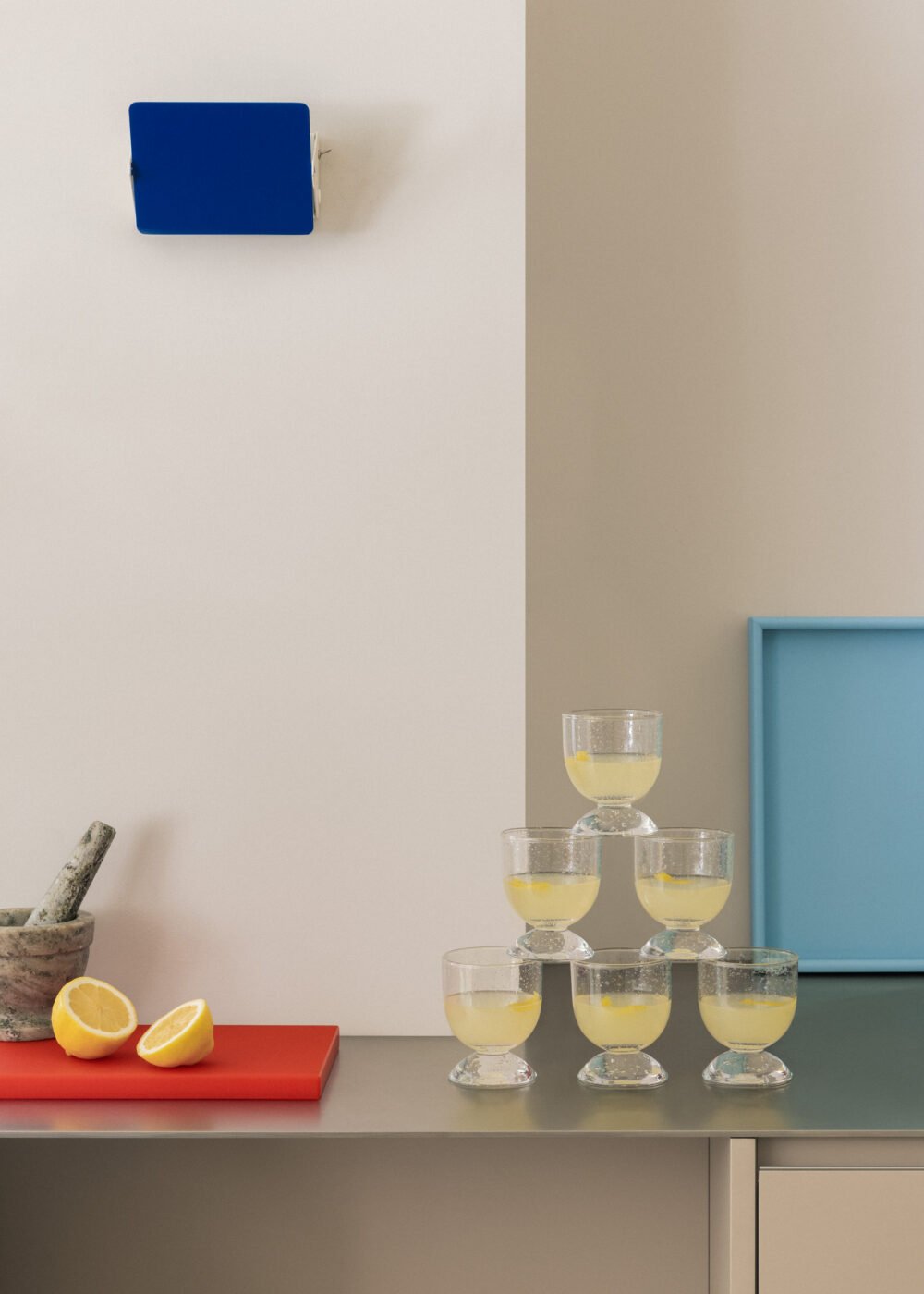
As your guests arrive, there’s no better way to welcome them than with a small, chilled glass of a perfectly balanced petite sour. This cocktail, rooted in the classic sour template—spirit, citrus, sweetener, and water—has stood the test of time, evolving into a cornerstone of mixology. Its simplicity belies its versatility, making it a go-to choice for both novice and seasoned bartenders.
The Origins of the Classic Sour
The classic sour template can be traced back to the mid-19th century, a time when cocktails were beginning to take shape as a distinct category of drinks. The combination of spirit, citrus, sweetener, and water was revolutionary in its balance, offering a harmonious interplay of flavors that could adapt to a wide range of base spirits. Early iterations of the sour were often made with whiskey, giving rise to the now-legendary Whiskey Sour, but the formula quickly expanded to include other spirits like gin, rum, and brandy.
The sour’s enduring popularity lies in its ability to highlight the unique characteristics of the base spirit while tempering its intensity with bright acidity and subtle sweetness. This balance makes it an ideal aperitif, stimulating the palate and setting the stage for the meal to come.
The Anatomy of a Sour
At its core, the classic sour follows a simple formula:
Spirit: The backbone of the drink, providing depth and character. Whiskey, rum, gin, tequila, and even vodka can serve as the base.
Citrus: Freshly squeezed lemon or lime juice adds brightness and acidity, cutting through the richness of the spirit.
Sweetener: Simple syrup, honey, or flavored syrups bring balance to the tartness of the citrus.
Water: Often introduced in the form of ice or a splash of soda water, it dilutes the drink slightly, making it more approachable.
Optional additions, such as egg white for a creamy texture or bitters for complexity, can elevate the drink further, but the basic template remains unchanged.
Versatility in Practice
The beauty of the sour lies in its adaptability. Here are a few iconic variations that showcase its range:
Whiskey Sour: A timeless classic, made with bourbon or rye whiskey, lemon juice, and simple syrup. The addition of egg white creates a silky texture and frothy top.
Daiquiri: A rum-based sour, combining white rum, lime juice, and simple syrup. Light, refreshing, and endlessly customizable.
Gimlet: A gin sour with a twist, featuring gin, lime juice, and a touch of sugar or lime cordial. Crisp and herbaceous.
Margarita: A tequila sour, blending tequila, lime juice, and orange liqueur (such as Cointreau or triple sec). Salt on the rim adds a savory contrast.
Pisco Sour: A South American gem, made with pisco (a grape-based brandy), lime juice, simple syrup, and egg white. Aromatic and smooth.
Each variation highlights the unique qualities of its base spirit, proving the sour’s ability to adapt to different flavor profiles.
Crafting the Perfect Sour
To create a sour that will impress your guests, follow these steps:
Choose Your Spirit: Select a high-quality base spirit that complements the occasion. For a rich, robust flavor, opt for whiskey or aged rum. For a lighter, more refreshing drink, gin or vodka works beautifully.
Use Fresh Citrus: Always squeeze your lemon or lime juice fresh. Bottled juice lacks the vibrancy and complexity of freshly squeezed citrus.
Balance Sweetness: Adjust the amount of sweetener to taste. Too little can make the drink overly tart, while too much can mask the spirit’s nuances.
Shake Vigorously: Shake the ingredients with ice to chill and dilute the drink slightly. If using egg white, dry shake (without ice) first to create a frothy texture.
Garnish Thoughtfully: A twist of citrus peel, a sprig of herbs, or a dash of bitters can add visual appeal and enhance the aroma.
Modern Twists on the Classic
While the traditional sour remains beloved, modern mixologists have embraced the template as a canvas for innovation. Here are a few contemporary takes:
Herbal Sours: Infuse your spirit with fresh herbs like basil, thyme, or rosemary for a fragrant twist.
Spiced Sours: Add a dash of cinnamon, cardamom, or chili syrup to introduce warmth and complexity.
Tropical Sours: Incorporate exotic fruits like passionfruit, mango, or guava for a vibrant, summery vibe.
Smoky Sours: Use mezcal or a peated whiskey for a smoky, earthy flavor profile.
These variations demonstrate the sour’s ability to evolve with changing tastes and trends while retaining its fundamental appeal.
Why the Sour Endures
The classic sour’s longevity can be attributed to its perfect balance of flavors, its adaptability, and its ability to showcase the base spirit. Whether you’re sipping a Whiskey Sour by a crackling fire or enjoying a Daiquiri on a sun-drenched beach, the sour’s versatility ensures it’s always in style.
As you welcome your guests with a chilled glass of this timeless cocktail, you’re not just offering them a drink—you’re sharing a piece of history, a celebration of balance, and a testament to the art of mixology. So raise your glass to the classic sour, a two-shot wonder you won’t regret.
Related Articles

Pocket-sized Xbox Ctrl
Xbox Nano Controller. Announced 14 October 2026 by James Hunter. $49.99. Rechargeable battery. Programmable Action Button. Xbox Wireless and Bluetooth.