DRIFT AUDIO
Listen to this story
Choose a voice, then press play.
In the late 1980s and through the 1990s, UK skateboarding carved out a raw, distinctly British identity amid grey skies, concrete jungles, and a stubborn DIY ethos. Far from the sun-soaked ramps and polished commercialism of California, British skaters navigated rain-slicked streets, hostile security guards, and limited resources, forging a scene defined by grit, ingenuity, and community. This era—spanning roughly 1987 to 2002—represents what many call the golden age of UK skateboarding: a time before widespread internet access, heavy sponsorships, and global commercialization reshaped the culture.
View this post on Instagram
At the mid of preserving and celebrating this history is Neil Macdonald, the founder of the influential Science Versus Life archive (via Instagram and earlier platforms) and author of the landmark new book Elsewhere: The Story of UK Skateboarding 1987–2002, published by Batsford in May 2026. A lifelong skater who started in 1988, Macdonald has spent years amassing magazines, ephemera, photographs, and conducting hundreds of interviews to create what is widely regarded as the definitive oral and visual history of the period.
stir
Skateboarding in the UK had earlier waves. The 1970s boom, fueled by Skateboard! magazine and TV exposure, saw the rise of commercial skateparks that largely faded by the early 1980s due to insurance issues and economic pressures. By the mid-to-late 1980s, a new gen emerged, transitioning from the declining vert scene to street skating. This shift mirrored global trends but took on a uniquely British flavor: adapting to urban environments like multi-storey car parks, embankments, and council estates.
Magazines conjured a pivotal role. R.A.D. (Read and Destroy), evolving from BMX roots around 1987, became a cornerstone, capturing the energy of the late ’80s. It later influenced Sidewalk Magazine, which launched in 1995 and documented the street explosion. Other titles like Document, Kingpin, and regional zines filled gaps, providing inspiration in an era when US videos were expensive imports. Macdonald himself was a voracious collector, keeping nearly complete runs of these publications from his teenage years.
The scene was decentralized. While London had hubs like Slam City Skates (opened in 1986) and the South Bank Undercroft, cities like Manchester, Bristol, Glasgow, Birmingham, and even smaller towns developed strong local crews. Spots like Meanwhile Gardens or car parks became legendary not for their perfection but for their accessibility and the battles fought to skate them. Security guards were a constant adversary—”Elsewhere” was the dismissive instruction skaters often received, inspiring the book’s title.
flow
The UK’s golden age produced iconic figures whose influence extended far beyond tricks.
Geoff Rowley from Liverpool exemplified technical street prowess and resilience, later becoming a global pro. Photos from the era show him navigating gritty urban terrain with determination.
Tom Penny, often hailed as one of the most naturally gifted skaters, brought effortless style that influenced worldwide. His appearances in UK media highlighted the talent bubbling up domestically.
Curtis McCann stood out for his style and creativity, though injury cut his career short. Images of him at Meanwhile 2 skatepark capture the raw, improvisational spirit—skating gaps near abandoned cars in unpolished environments.
Simon Evans is credited with pioneering the Adidas Gazelle in skateboarding, rejecting “corny” American skate fashion for affordable, flat-soled classics that felt better on the board. This choice rippled globally, embedding UK influence in streetwear.
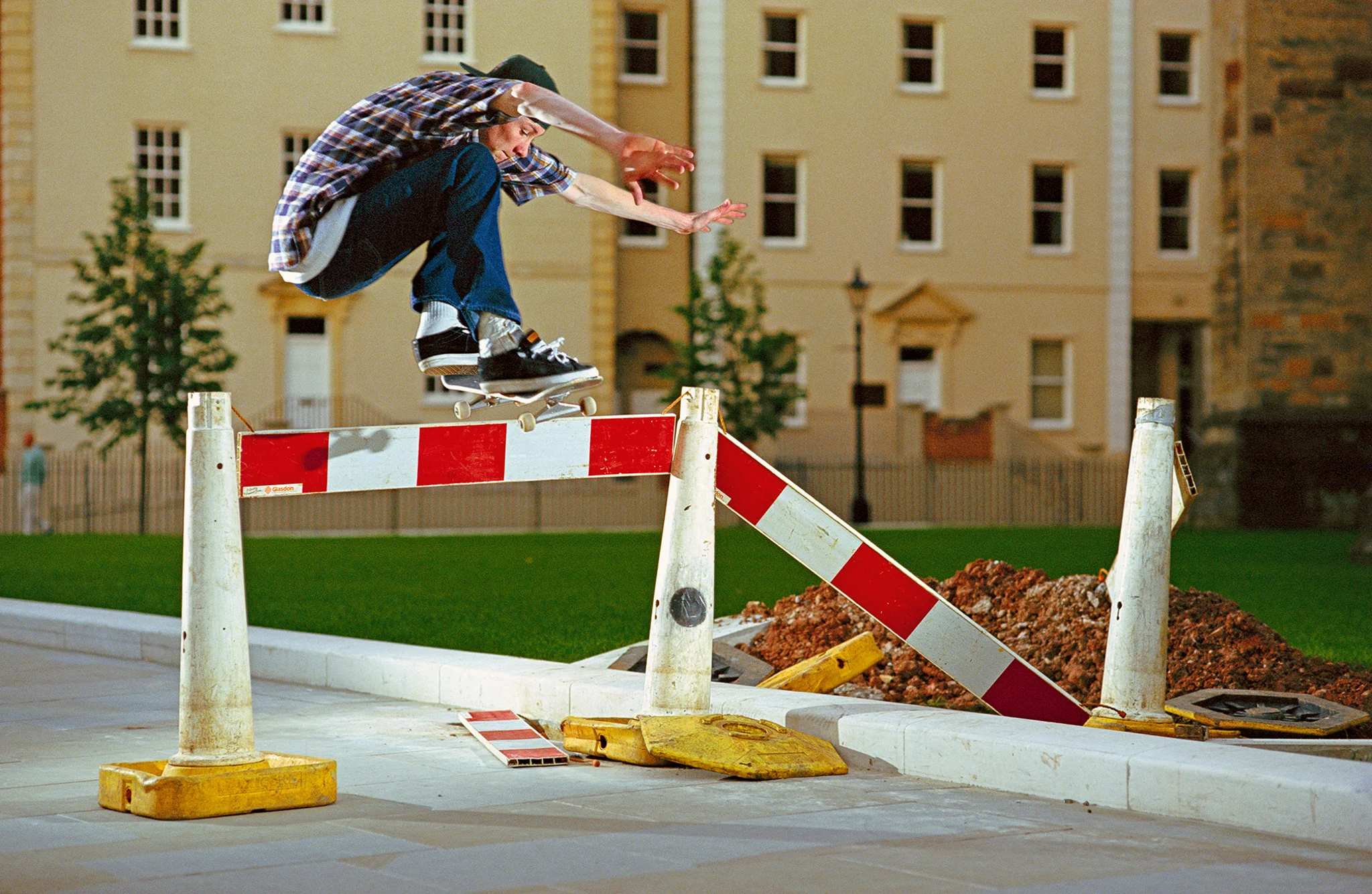
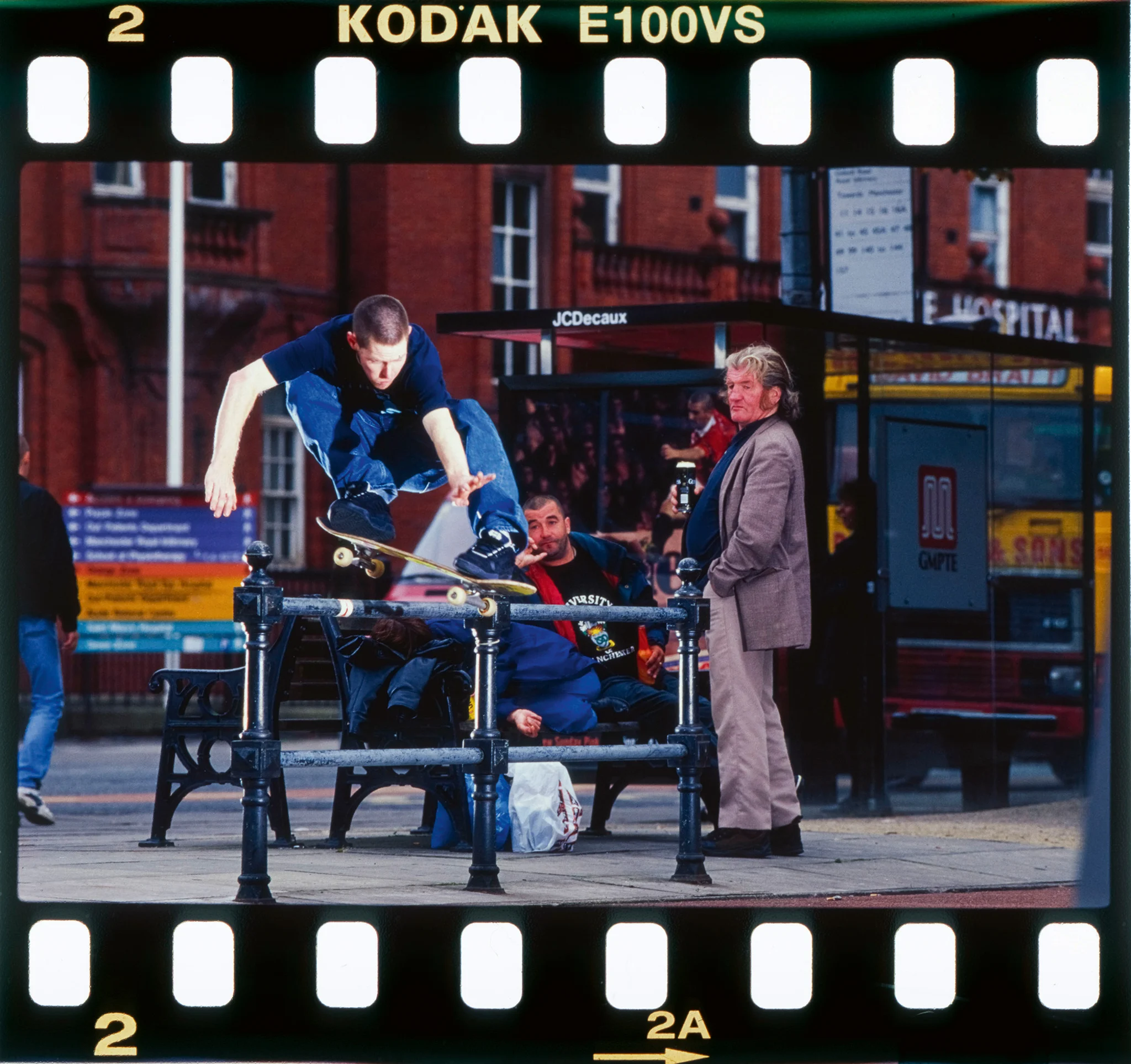
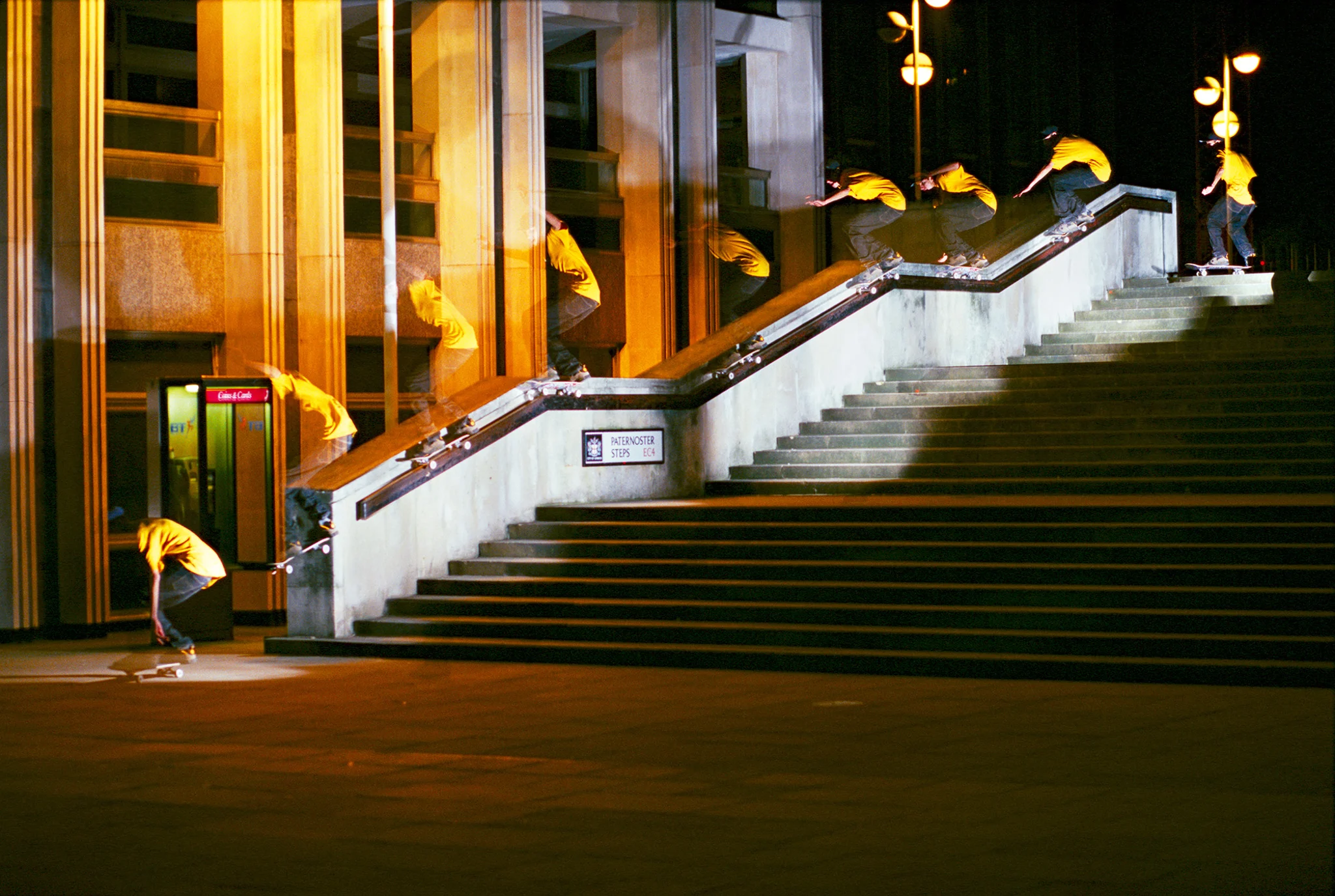
Jimmy Boyes, Colin Kennedy, Winstan Whitter, Danny Wainwright, Mike Manzoori, and many others populate the era’s stories. Photographers like Wig Worland, Leo Sharp, Tim Leighton-Boyce, and others documented it all, often with “snaps” that now hold immense historical value—unposed moments of day skating rather than staged magazine shots.
Women like Michelle Ticktin in Glasgow ripped vert at spots like The Church, challenging the male-dominated scene. The culture was rebellious and inclusive in pockets, though not without its flaws.
Macdonald’s book features extensive interviews with these pioneers, revealing not just the skating but the social fabric: friendships forged in rain, resourcefulness with broken boards and Shoe Goo repairs, and the thrill of discovery in pre-digital times.
straddle
What sets the UK scene—and Macdonald’s work—apart is the emphasis on tangible artifacts. In an era of limited means, physical items carried deep meaning: well-worn decks saved for memories, stickers, flyers, mail-order catalogs from shops, and meticulously scanned magazine pages. Skaters stared at ads for new gear, trading or customizing what they had. “Physical things were coveted,” Macdonald notes. Boards on birthdays or Christmas had to last.
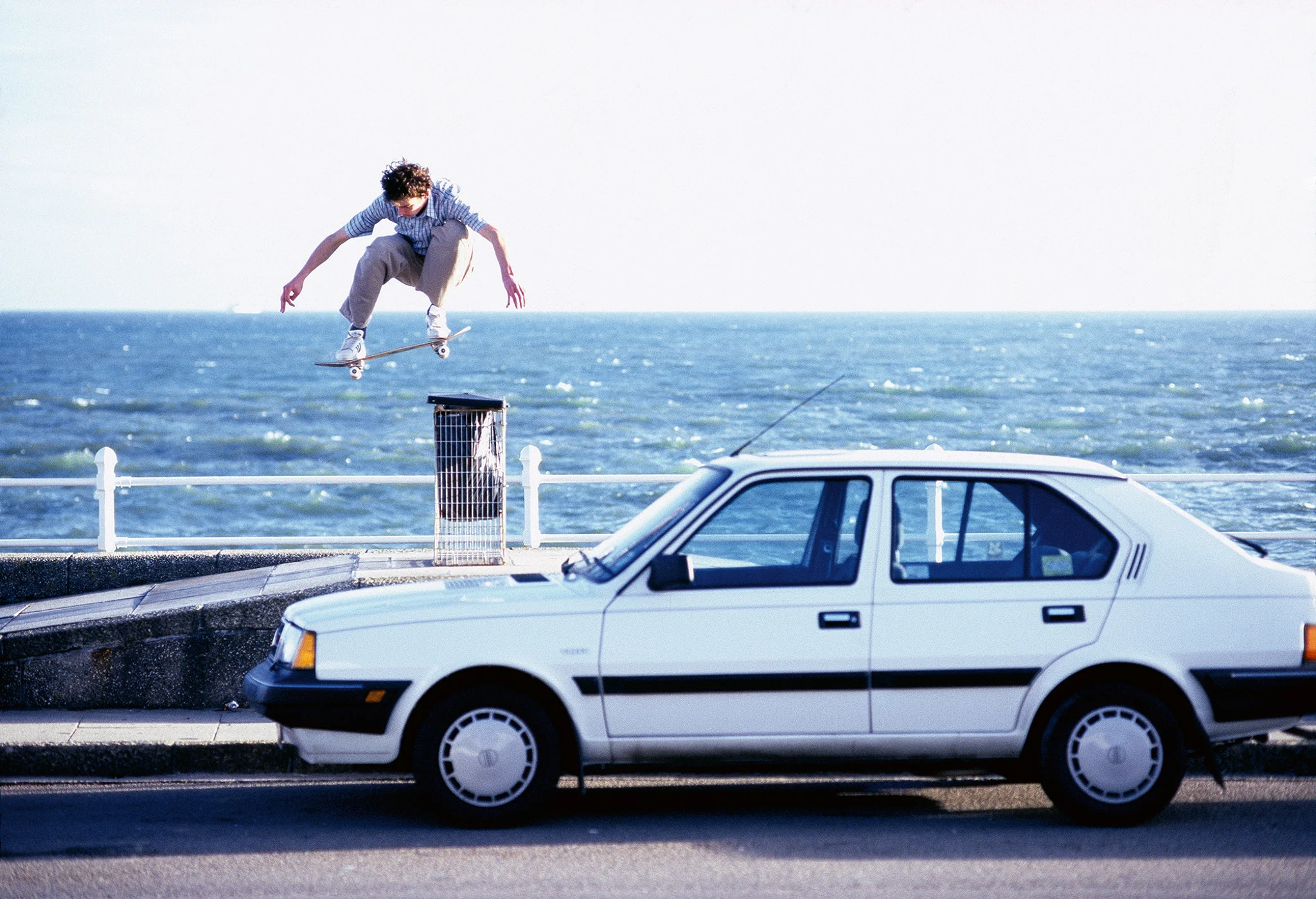
Elsewhere is a visual feast: hundreds of pages of rare and classic photos, board graphics, posters, and ephemera. It contrasts the UK’s griminess—grey concrete, rain, industrial backdrops—with the brighter US counterpart. One iconic image shows Ben Bodilly ollieing high above a car in Cornwall for Sidewalk’s first issue cover, blending skate ambition with everyday British seaside architecture.
This archiving effort began when Macdonald rediscovered his magazine collection while clearing his childhood home. Connecting with other collectors like Kevin Marks, he started sharing scans online, evolving into Science Versus Life. The Instagram account became a communal hub, sparking conversations and reunions.
impression
UK skateboarding in this period wasn’t just about tricks; it influenced fashion, music, art, and media. The shift to street skating aligned with hip-hop, punk, and indie scenes. Baggy jeans, hoodies, and Gazelles defined the look—practical and anti-mainstream. Brands like Blueprint (co-founded by figures in the scene) allowed pros to make a living without relocating to the US, a milestone.
Videos and DIY filming with camcorders democratized documentation. Contests, park sessions, and street missions built lore. The scene’s grit fostered creativity: adapting to weather, finding hidden spots, and building community amid economic challenges of the era.
This golden age predated the full internet boom. Information spread via magazines, word-of-mouth, and VHS tapes. The late ’90s into early 2000s saw growing professionalization, with more sponsorship and exposure, setting the stage for broader recognition.
evolve
The turn of the millennium marked transitions. The early 2000s saw continued growth but also the dot-com influences and rising commercialization. UK skaters gained international prominence, with talents like Rowley and others competing globally. Street skating dominated, but the raw DIY spirit persisted in spots battles and independent videos.
Post-2000, the scene professionalized further. The South Bank Undercroft became a cultural battleground, saved through campaigns like Long Live Southbank in 2017, highlighting skateboarding’s role in public space activism.
Recent decades have brought infrastructure booms. A 2020s national audit by Skateboard GB identified over 2,000 skateable spaces, with new concrete plazas, pump tracks, and inclusive designs. The COVID-19 pandemic sparked an unlikely resurgence: more women, families, and older returnees took up skating, echoing the accessible, community-driven ’90s ethos.
Trends today include greater diversity, Olympic inclusion (since 2020), and fusion with art/fashion. Social media has globalized local scenes but also commodified them—contrasting the pre-digital intimacy Macdonald documents. Yet, independent mags like Grey, Free, and North keep print culture alive, while archives like Science Versus Life bridge generations.
Modern UK skateboarding builds directly on the ’80s/’90s foundation: technical progression, street focus, and culture influence. Brands born in that era remain relevant, and the grit—resilience against urban constraints—endures in new forms, from DIY spots to advocacy for better facilities.
archive
Neil Macdonald’s Elsewhere is more than a book; it’s a culture artifact and love letter. At 464 pages, with deep oral histories and visuals, it captures a pivotal time when UK skateboarding found its voice—grittier, more resourceful, and influential in its own right. It counters the disposability of digital culture by celebrating the physical and personal.
Macdonald’s work as journalist, curator, and archivist underscores history’s importance. As he notes in interviews, these stories define the culture. In an age of algorithms and fleeting content, Elsewhere preserves the characters, photos, and ephemera that made the golden age golden: imperfect, rain-soaked, but profoundly real.
For veterans, it’s nostalgia; for newcomers, inspiration. The UK’s skate scene continues evolving—more parks, broader participation, global impression—but roots in that gritty era ground its authenticity. As Macdonald’s project shows, looking back isn’t just reminiscing; it’s understanding how we got here and where we might go next.
Related Articles
Victoria Beckham Brings Her Runway Codes to the Dinner Table
A shell-shaped butter dish in a green box, hammered cutlery and rippled glass: Victoria Beckham’s […]