



DRIFT AUDIO
Listen to this story
Choose a voice, then press play.
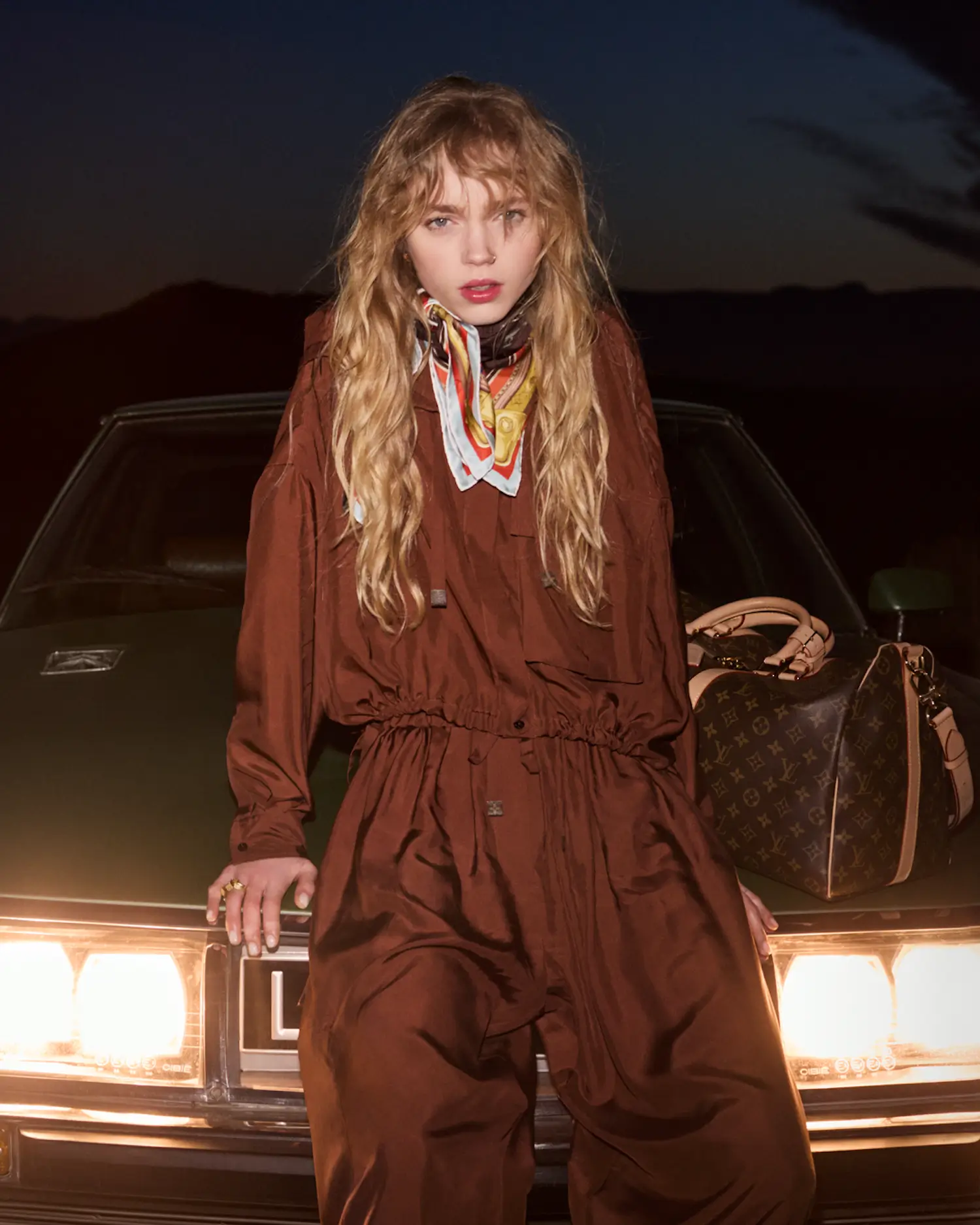
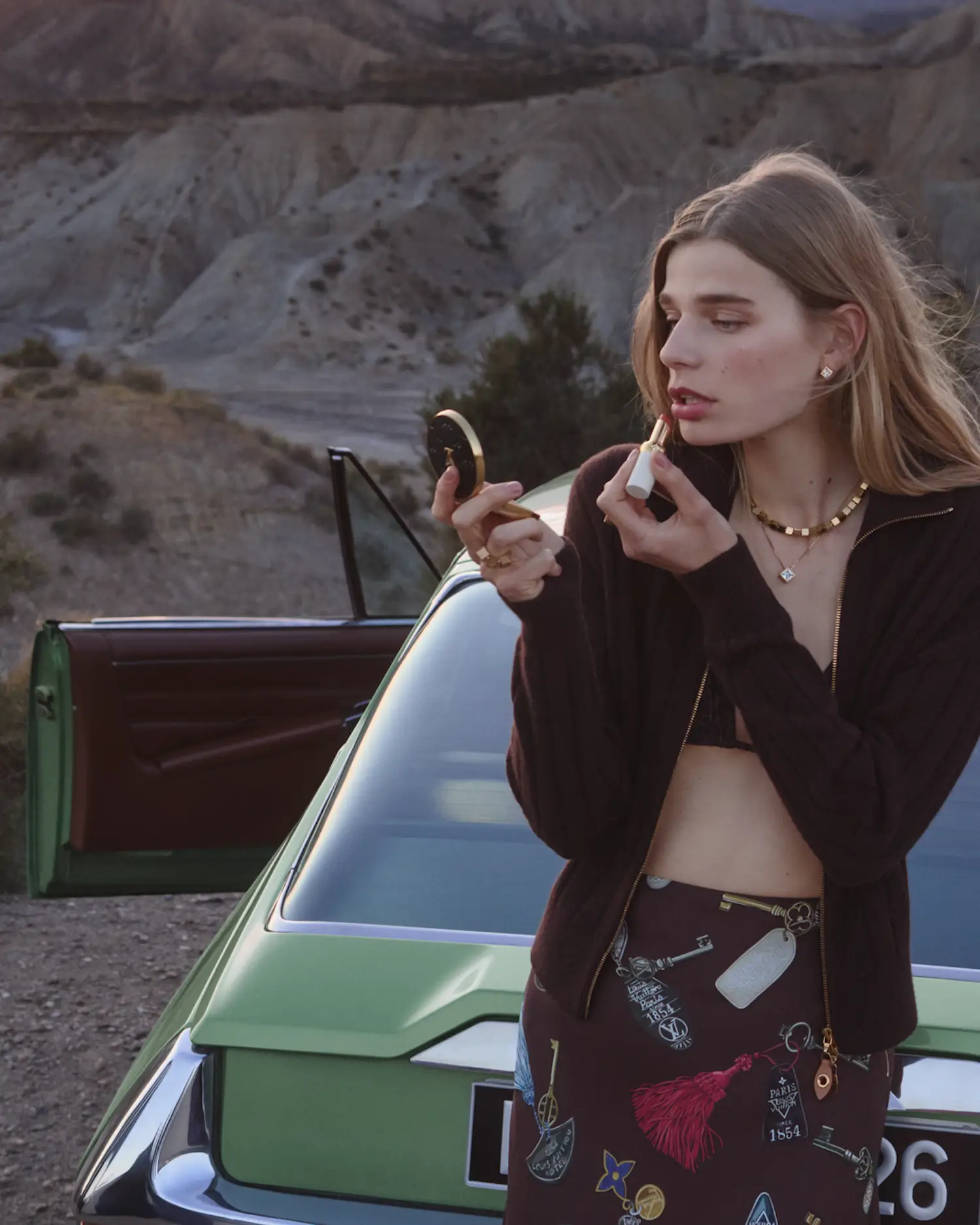
Louis Vuitton’s “Flight Mode” 2026 collection is not a seasonal statement. It is a recalibration—a deliberate, design-led response to the evolving rhythms of modern life. In an era defined by fluid identities, blurred work-leisure boundaries, and a growing demand for intentionality, the house returns to one of its most enduring legacies: the Art of Travel. But this is not nostalgia. It is evolution. “Flight Mode” reinterprets that heritage through a lens of functional elegance, where every silhouette, material choice, and construction detail serves a dual purpose: to move with the body and to reflect a refined sensibility.
flow
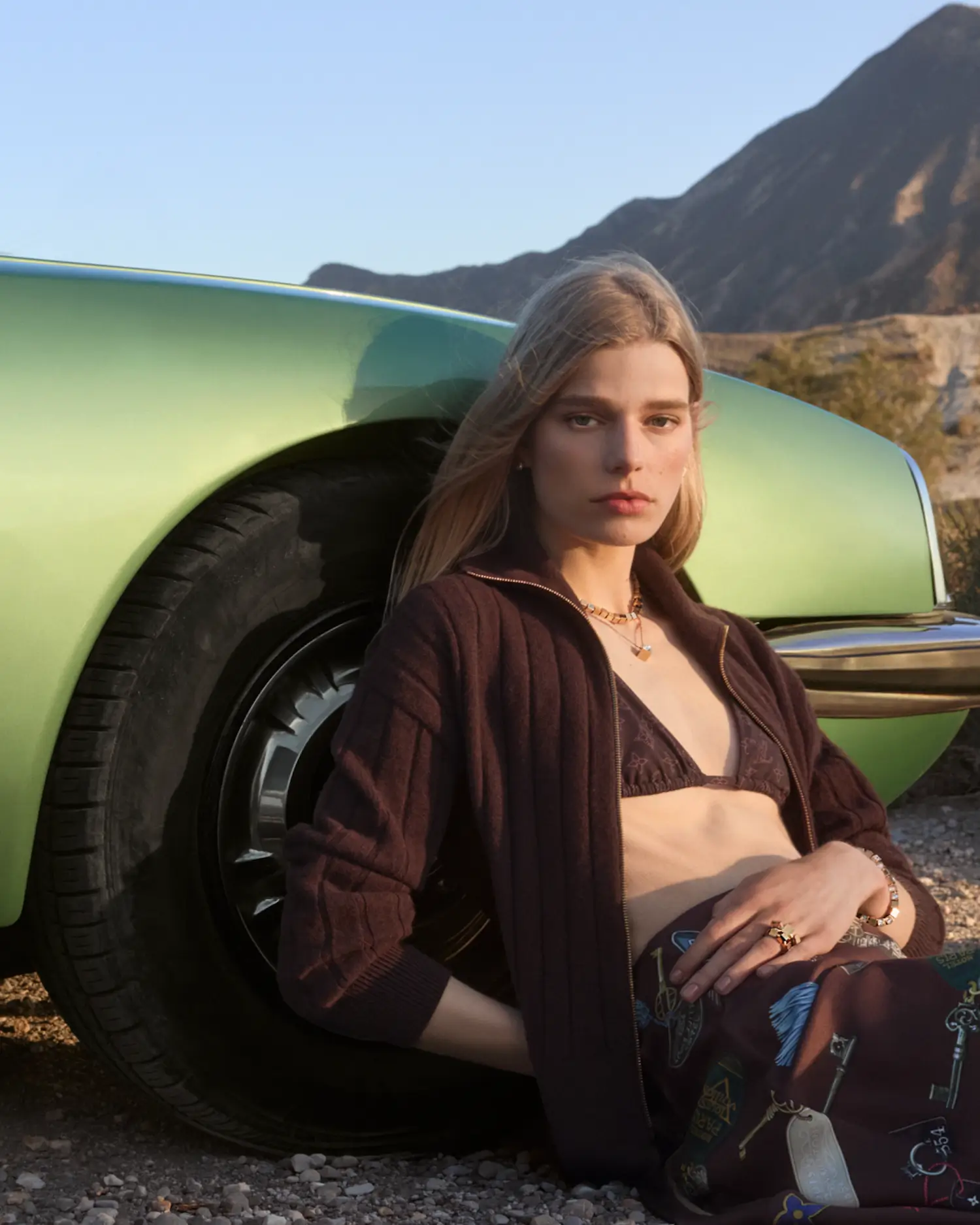
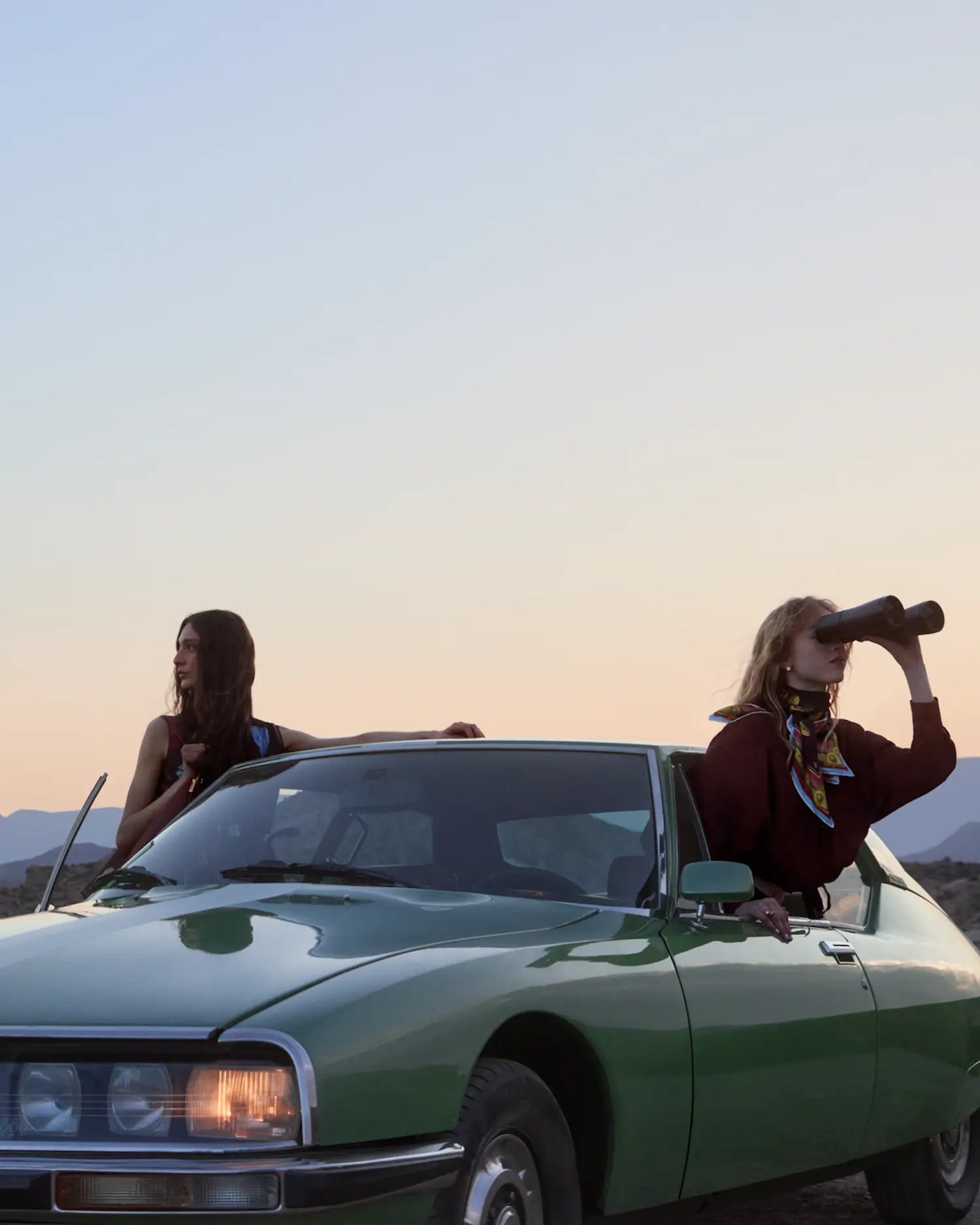
The collection unfolds as a narrative of movement, beginning in the arid expanses of California’s Central Valley—vast, sun-scorched, and quietly cinematic. The palette is grounded in the earth: oxidized ochre, dusty sage, and warm sandstone, rendered in lightweight, breathable fabrics that respond to both climate and motion. Linen-cotton blends dominate, their natural slubs and soft drape offering a tactile counterpoint to the rigidity of traditional tailoring.
Jackets are cut with dropped shoulders and slightly extended sleeves, allowing for ease without collapse. The waist is gently defined—not cinched—using internal shaping rather than overt darts. It’s subtle engineering, almost invisible, yet it supports posture and movement with precision.
View this post on Instagram
stir
This is clothing built for transitional time—the hours spent in motion, the shift from meeting to terminal, the unscripted intervals that define contemporary travel. A double-faced wool-cashmere coat in pale taupe encapsulates this philosophy. Lightweight yet insulating, it folds into itself, packing into an internal pocket and securing with a leather strap.
The collar stands high against the wind, but folds down to reveal a muted cobalt lining—a restrained moment of contrast. Sleeves are articulated at the elbow, borrowed from technical outerwear, enabling full range of motion whether reaching, lifting, or adjusting within confined spaces.
narr
As the journey progresses westward, the collection shifts in tone and texture. The palette cools—deep indigo, seafoam, and luminous white—mirroring the transition from inland heat to coastal air. Fabrics evolve accordingly: moisture-wicking technical weaves, matte silk-noil, and ultra-fine merino wool layered with intention.
A standout hybrid parka defines this phase. Constructed from a proprietary nylon-cotton blend with a durable water-repellent finish, it maintains a streamlined silhouette while offering internal adaptability. A removable thermal lining, concealed ventilation zips, and a stowable hood lined in recycled fleece transform it into a garment that responds rather than resists.
shoe
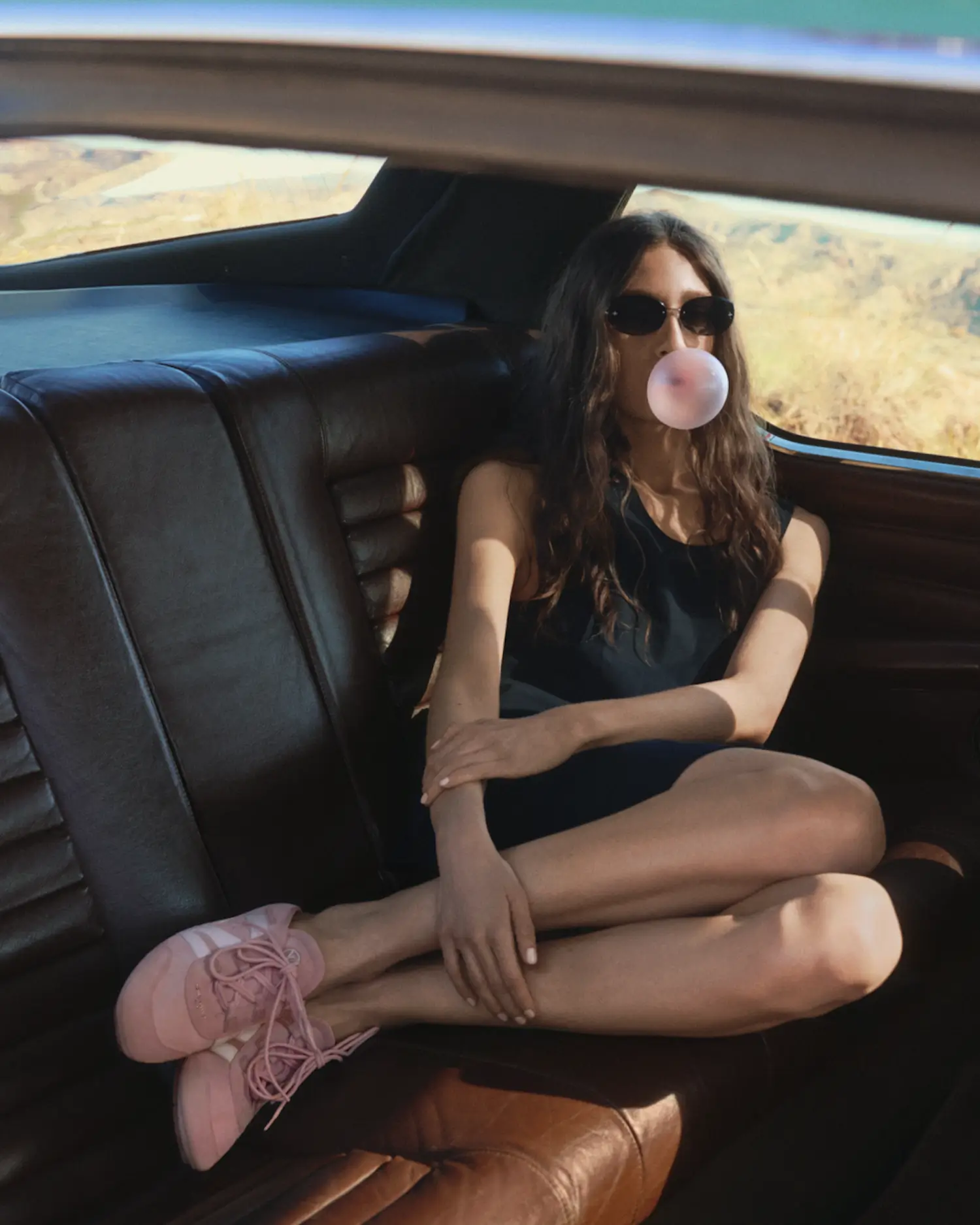
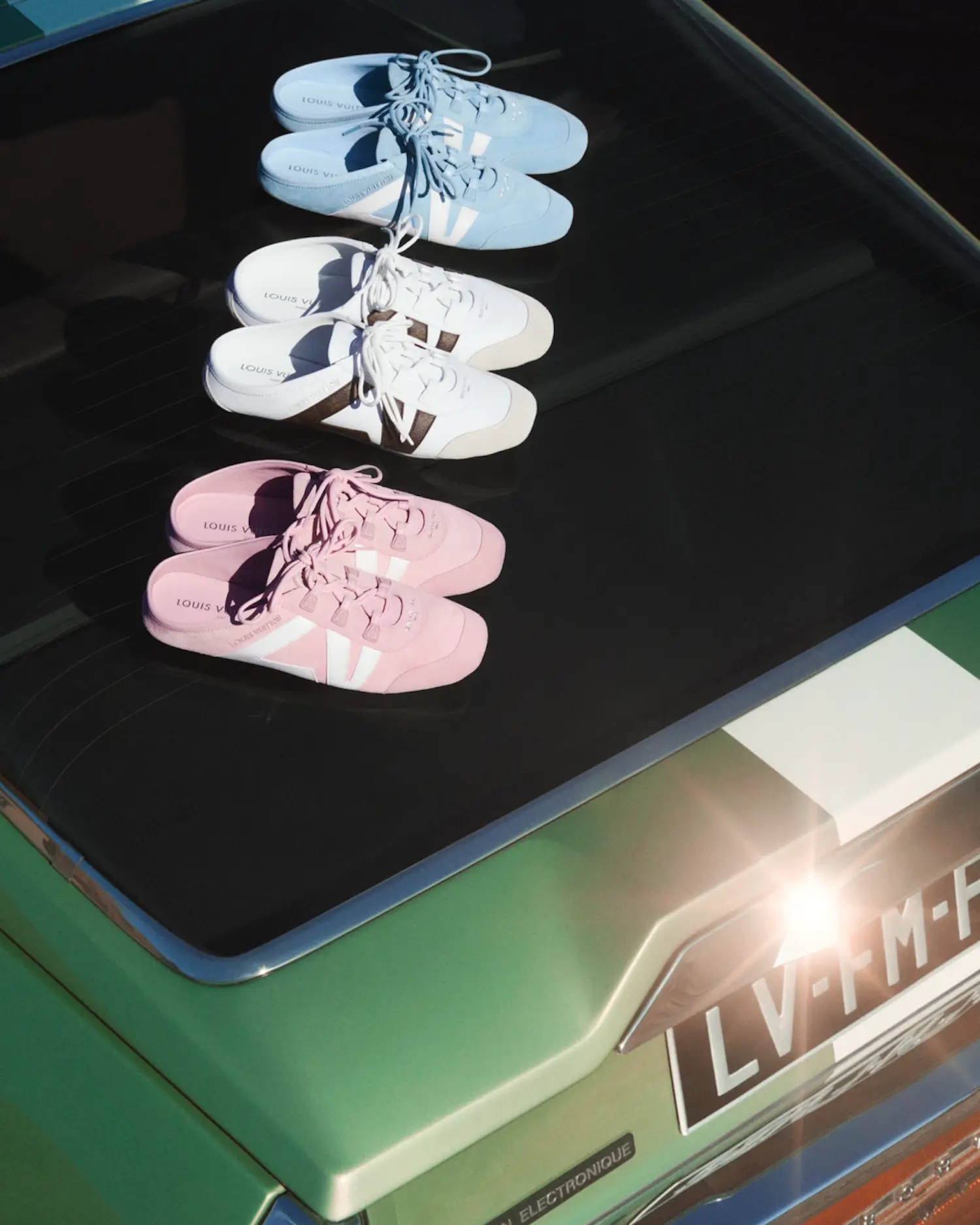
Footwear reflects the same dual logic of movement and refinement. The men’s low-profile hiking boot in oiled nubuck is engineered for durability across urban terrain—its rubber-EVA sole balancing grip with cushioning. A reinforced toe cap protects without visual weight, acknowledging that modern travel is as much pavement as path.
Women’s styles move toward reduction. A minimalist sandal, developed with orthopedic input, features a contoured footbed and vegetable-tanned leather straps secured with brushed titanium hardware. These are not ornamental—they are infrastructural.
imagine
The leather goods anchor the collection’s identity. While the monogram remains, it is subdued—embossed, tonal, or woven into jacquard. The emphasis shifts from visibility to performance.
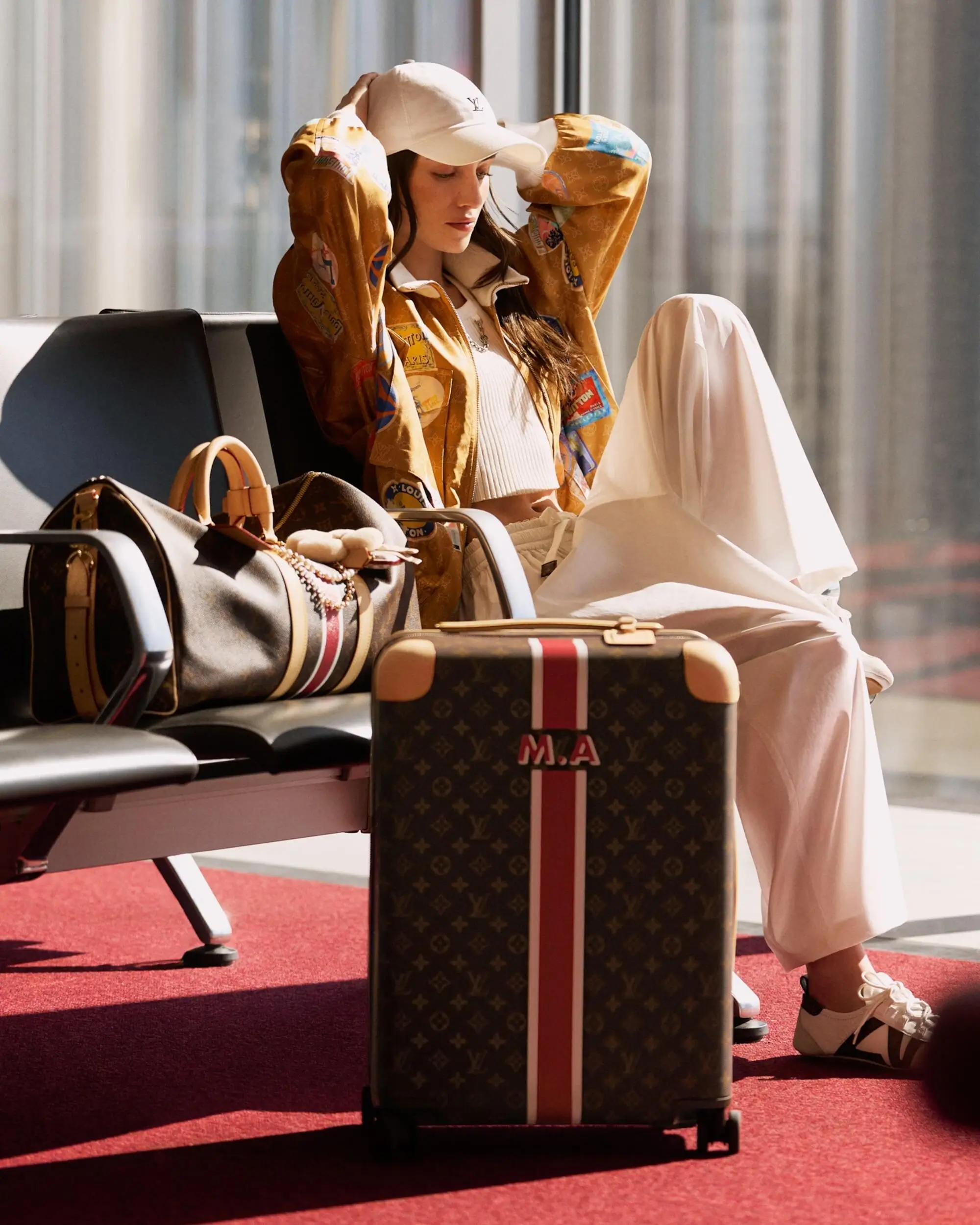
The Voyageur 26 duffel exemplifies this evolution. Crafted from ultra-dense, abrasion-resistant canvas, it retains softness while ensuring durability. A molded polymer base allows it to stand independently, while ergonomically padded handles redistribute weight across the hand. Internally, a modular system of compartments ensures clarity—everything visible, nothing excessive.
Equally compelling is the Aero Tote, a hybrid carryall designed for adaptability. It transitions seamlessly between hand carry, shoulder bag, and backpack. Magnetic clasps release the handles, which disappear cleanly, while hidden straps emerge. The silhouette remains uninterrupted. This is not transformation for novelty—it is transformation for necessity.
sys
Accessories extend the collection’s logic. Sunglasses are constructed from lightweight titanium, with adjustable nose pads and polarized lenses calibrated for both urban glare and open water. A new line of travel jewelry—cuffs, signet rings, and chain necklaces—utilizes recycled gold and titanium, designed to pass through security without removal.
Scarves, a longstanding house signature, are reinterpreted through abstraction. Their prints suggest topographies—flight paths, currents, wind patterns—while raw edges introduce a sense of movement, of incompletion.
shh
What distinguishes “Flight Mode” is its commitment to quiet utility. Luxury is no longer performative—it is embedded. There are no exaggerated silhouettes, no overt branding strategies. Value resides in the details: the weight of a zipper, the precision of a seam, the way fabric evolves over hours of wear.
This is not restraint for its own sake. It is discipline.
culture
The collection arrives within a broader cultural shift. Consumers are moving away from excess, toward intentionality—seeking longevity, adaptability, and meaning. “Flight Mode” responds directly to this shift. It proposes a wardrobe built not on accumulation, but on refinement.
Louis Vuitton reframes travel itself. It is no longer about the destination, but the condition of being in motion. The modern traveler is not a tourist but a nomad—operating across time zones, blending work with leisure, valuing flexibility as much as form.
scope
The name itself operates as metaphor. “Flight Mode” suggests readiness, detachment, a state of suspension between points. It is not simply about aviation—it is about mindset. A readiness to move, to adapt, to exist without excess weight.
In a fragmented world, there is grounding in clothing that functions intuitively. That fits without negotiation. That operates as extension rather than interruption.
cont
The pandemic fundamentally altered our relationship to movement, space, and time. Hybrid lifestyles have collapsed the boundaries between work, travel, and rest. The idea of segmented wardrobes no longer holds. What is required instead is continuity—garments that transition without friction.
“Flight Mode” answers with modularity. Shirts designed to layer or stand alone. Trousers that balance structure and ease. Silhouettes that accommodate rather than define. This is not neutrality—it is adaptability.
arrive
In its final register, the collection opens into light. Pale blues, whites, and translucent fabrics evoke water, air, and stillness. A silk georgette dress moves fluidly, its irregular hem catching light as it shifts. A bleached cotton shirt, worn open, suggests ease rather than intention.
These are not garments of arrival as spectacle. They are garments of arrival as release.
fin
“Flight Mode” is not simply a collection—it is a proposition. That haute today is not about display, but about experience. About the relationship between object and user. About the confidence that comes from preparedness rather than performance.
In this sense, Louis Vuitton is not responding to the moment—it is shaping it. Offering a vision where luxury becomes quieter, deeper, more precise.
And ultimately, more enduring.
n
From the DRIFT archive: Utqiaġvik Begins 65-Day Polar Night: Life Without Sunlight Returns
Related Articles
Nathan Fielder’s Secret Elizabeth Holmes Documentary Finally Reveals Itself
A24 confiscated phones for the Telluride premiere of a three-year film Fielder still can’t fully […]