London’s Most Relentless Runners: How the City’s Pulse Fuels a Global Movement – Nike “Zone”

April 20, 2026
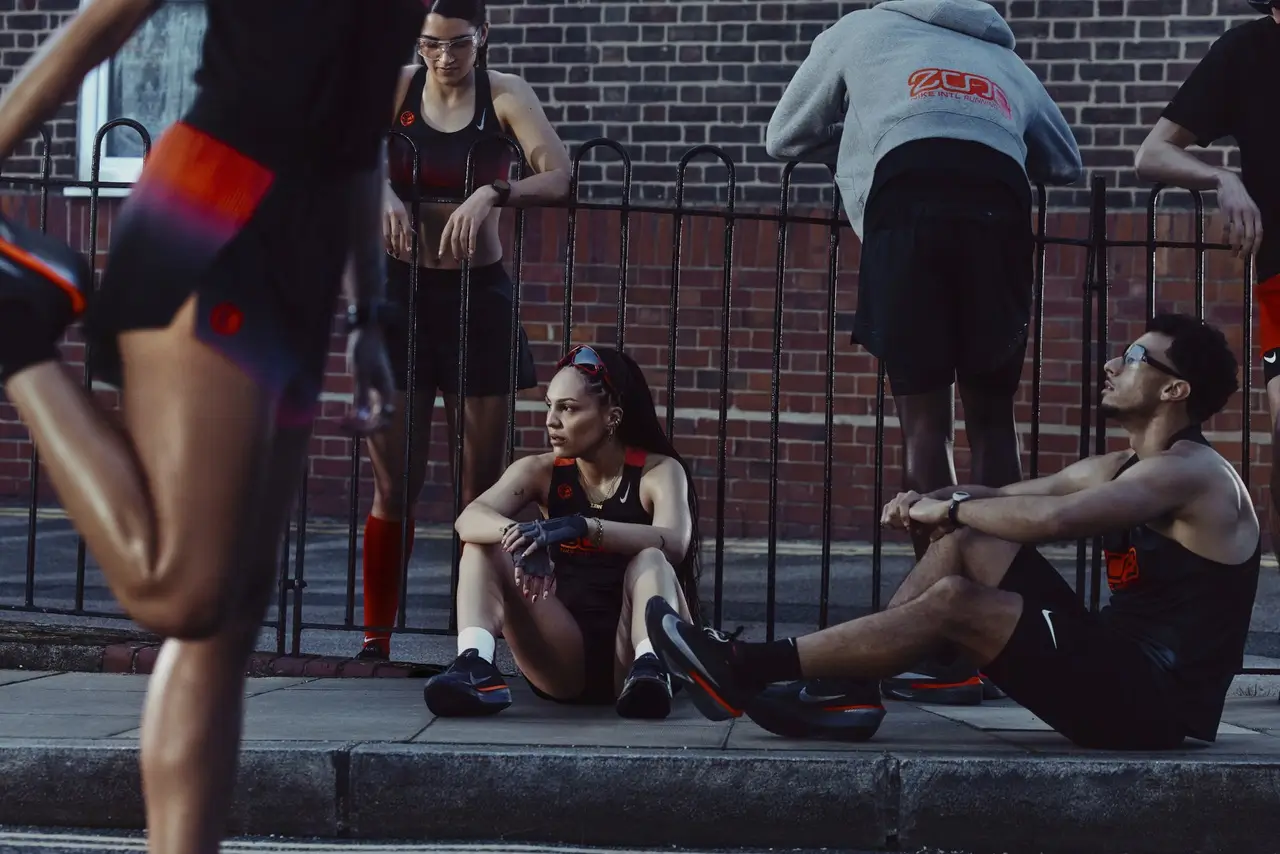
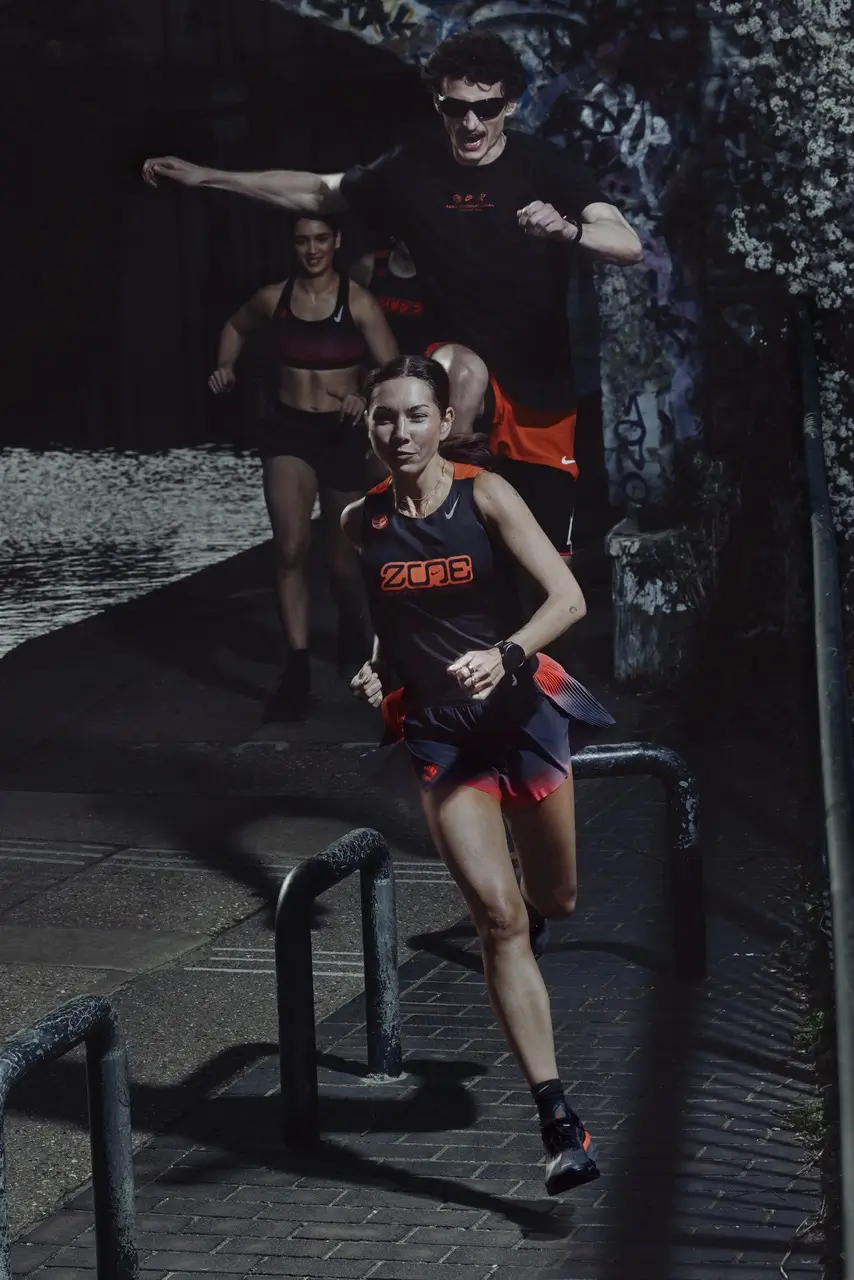
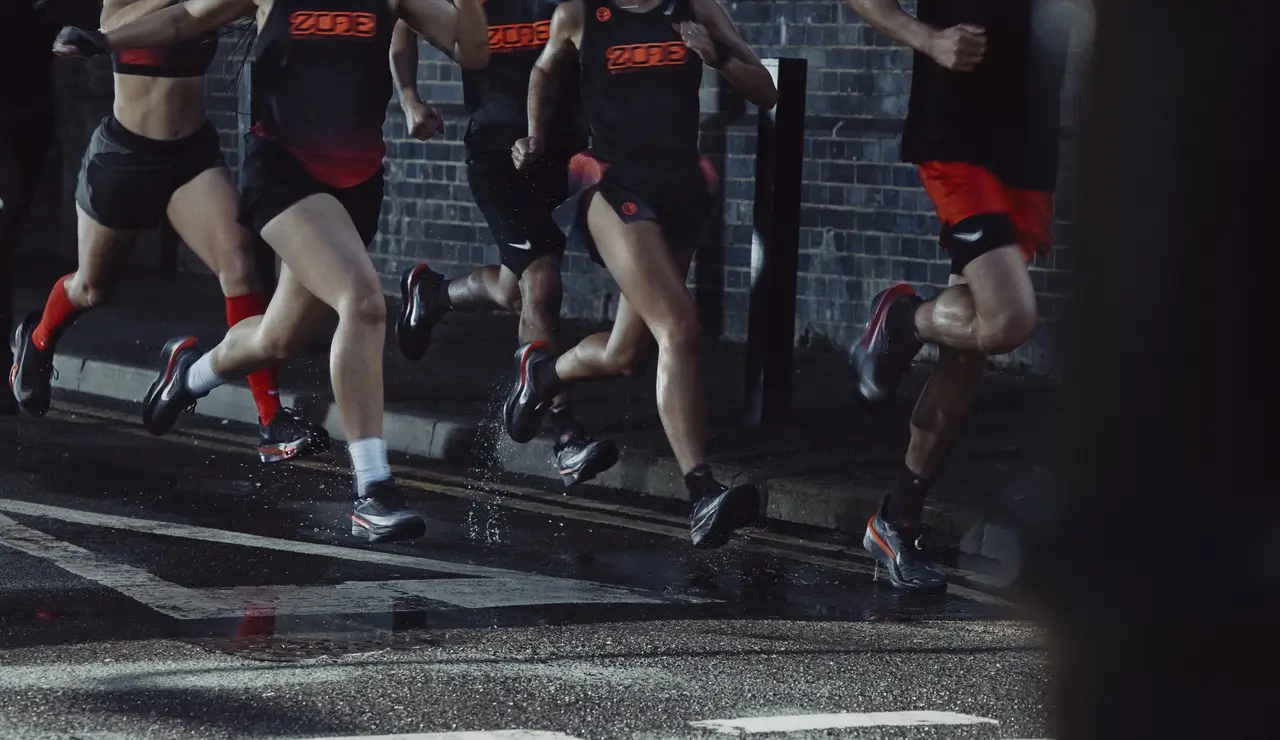
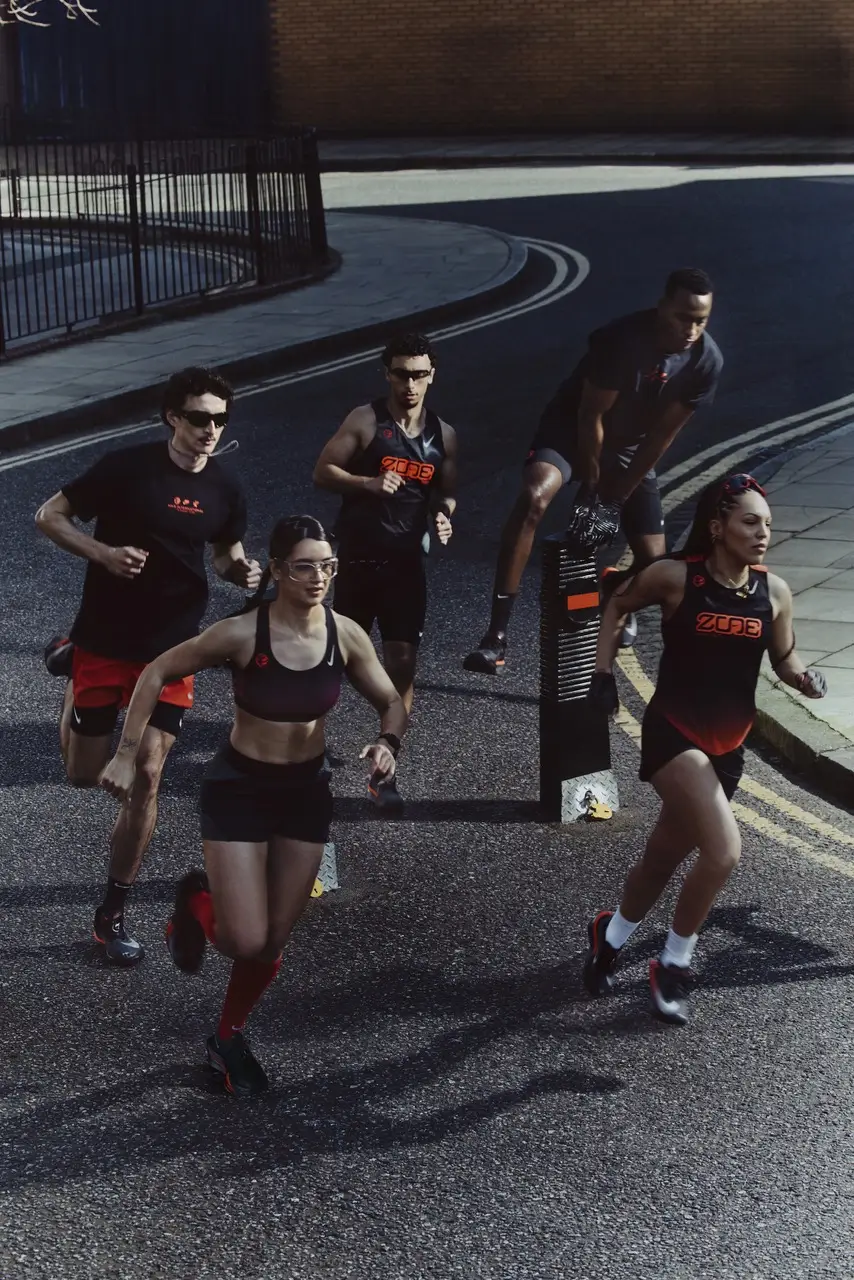
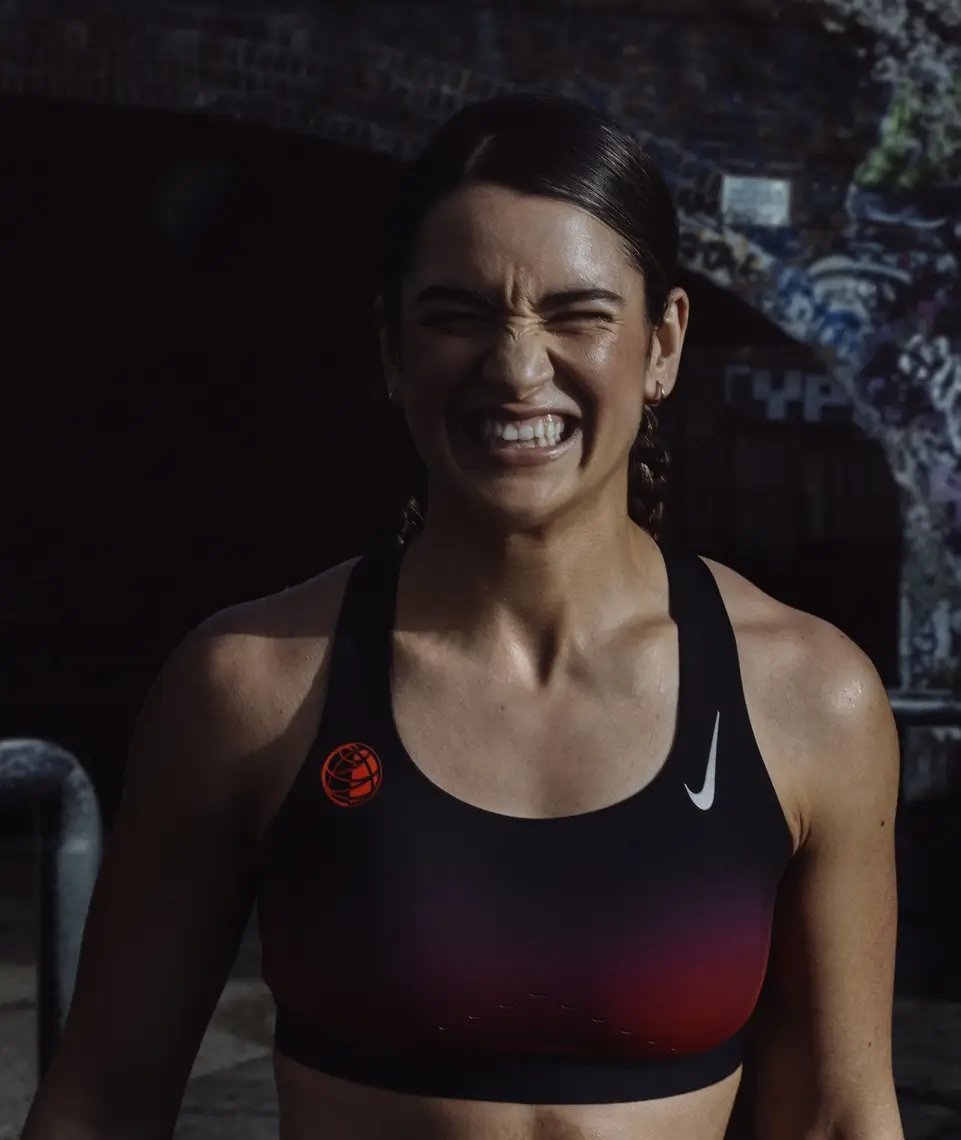
The word “runner” has never carried more weight. In 2026, it no longer describes someone who jogs—it signals identity, resilience, and belonging. Nowhere is that shift more view than in London Marathon culture, where the city moves to a new rhythm: the steady cadence of feet on wet pavement, at dawn, after work, in darkness, in rain. What was once a single-day spectacle has expanded into a year-round cultural force—reshaping not just how people move, but how they connect, express themselves, and locate meaning within the density of urban life.
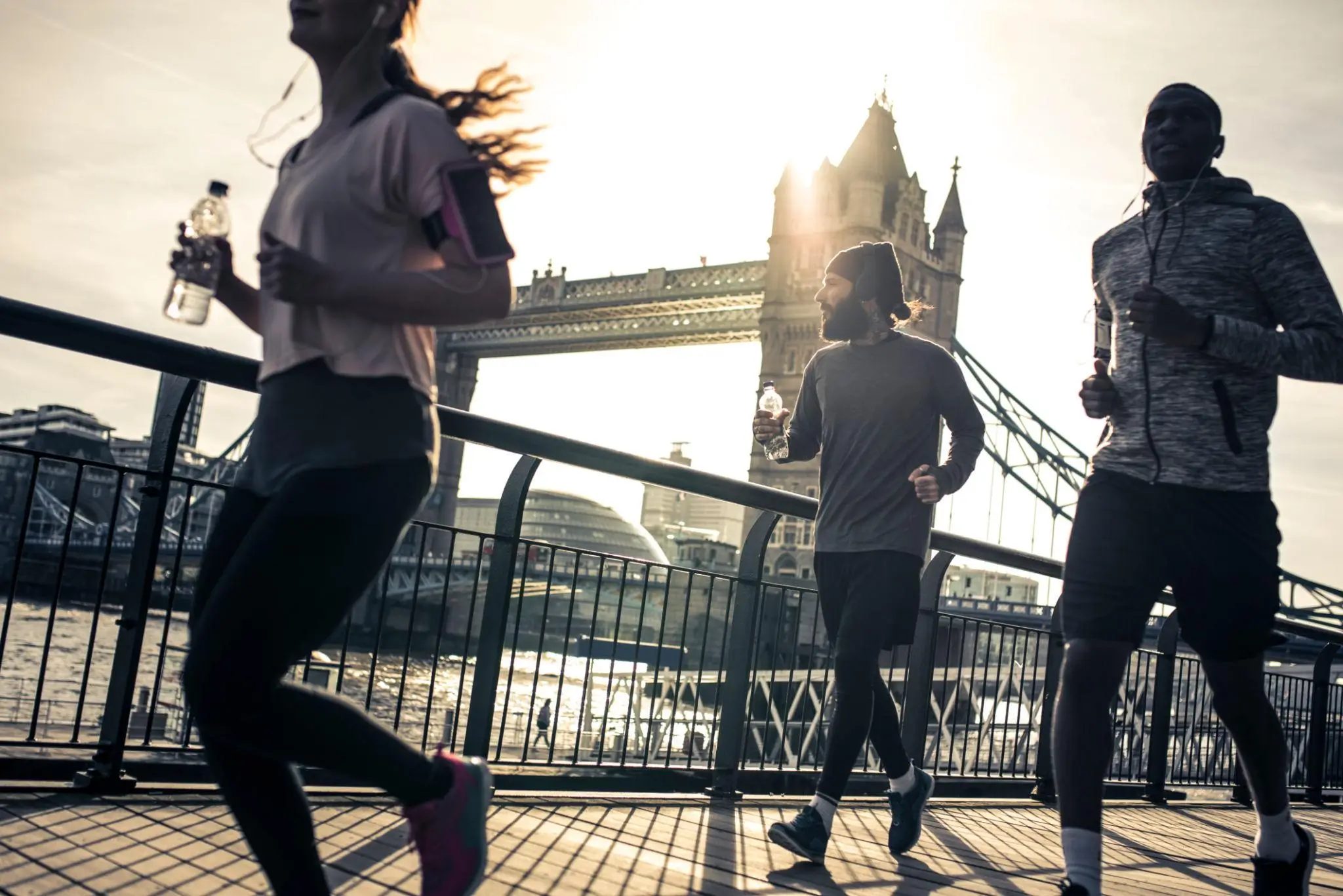
This year, entries to the public ballot surged past 1.1 million—up from 410,000 just three years ago—making it the most sought-after race bib in the world. Only 56,540 runners reached the finish line, yet the event generated a record £87.3 million for charity, reinforcing its status as the largest one-day fundraising occasion globally. Beneath those figures lies something less quantifiable: a collective redefinition of community, identity, and a city that runs not in spite of its friction, but because of it.
Into this landscape arrives Nike Running’s “The Zone” collection—a capsule that reads less like product and more like proposition. This is not gear conceived in isolation or tested in controlled environments. It is shaped by the lived experience of the city, built for those who treat London not as an obstacle, but as terrain.
stir
Since its founding in 1981, the London Marathon has stood for endurance, charity, and civic pride. In 2026, it evolves further—into a cultural anchor. Organizers are actively exploring a two-day format capable of accommodating up to 100,000 amateur runners, divided evenly across both days. The intention is clear: broaden access, deepen inclusivity, and better mirror the city itself.
“The marathon shows happiness and a sense of achievement in a somewhat troubled world,” one organizer notes. “It’s a shared experience that strengthens community, wellbeing, and the city’s economy.”
Yet the defining narrative no longer belongs to elites. While figures like Hellen Obiri choose London over Boston, the true momentum exists at street level: the teacher running for a hospice, the student stepping beyond 5K into 26.2 miles, the thousands lining the route—not as passive spectators, but as active participants in a shared act of optimism.
idea
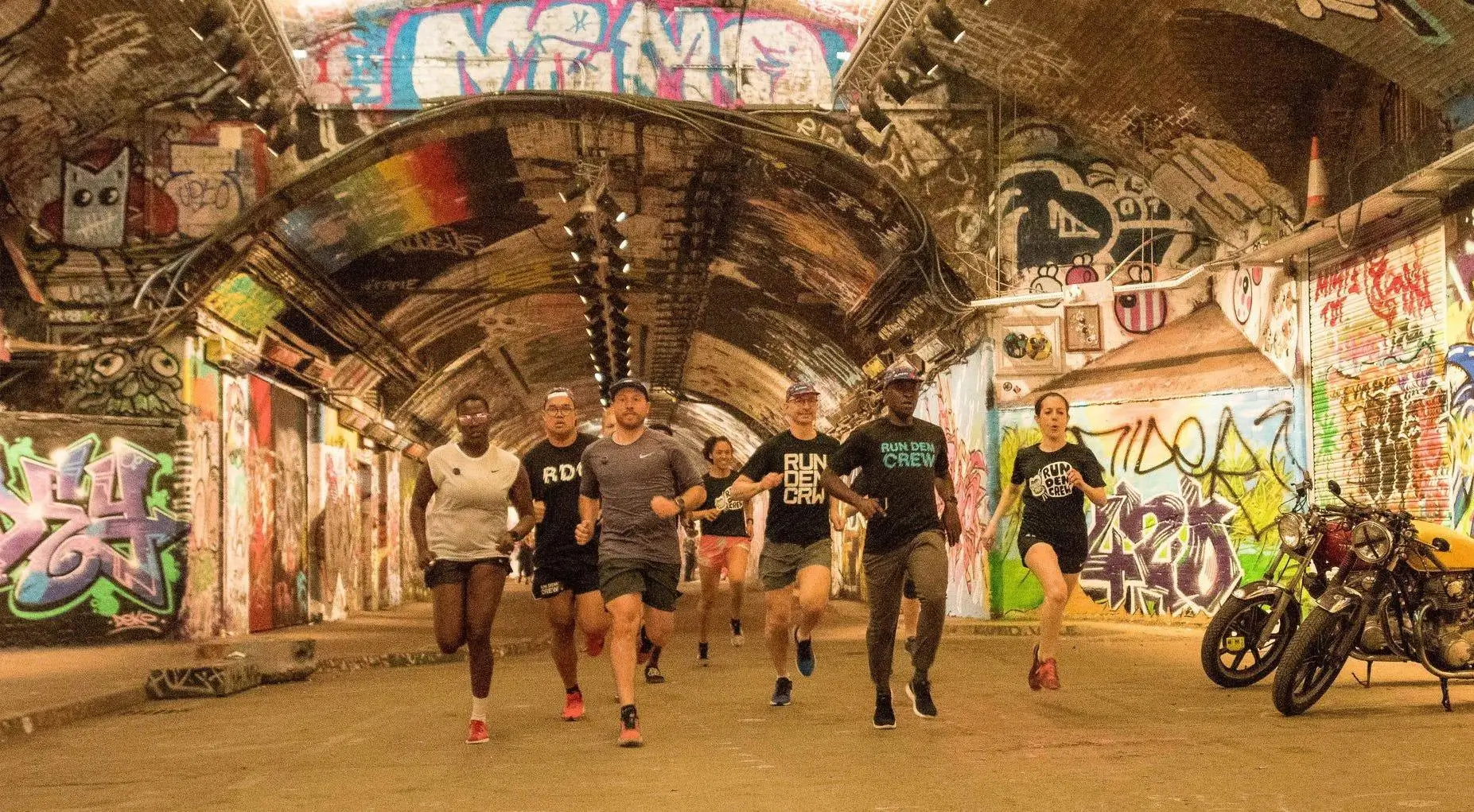
If gyms defined the 2010s, running clubs define the 2020s. Across London, collectives such as Run Dem Crew, Street Runners LDN, and Run With Us have reshaped the architecture of community.
Run Dem Crew, founded in 2007 in East London, operates at the intersection of sport, culture, and expression. Rooted in Afro-British identity, it merges high-energy group runs with music, fashion, and art. Weekly meetups become moving gatherings—part workout, part cultural platform—where show and voice hold equal importance.
Street Runners LDN reframes running through geography and history. Their routes trace narratives: the path of the Windrush generation, the evolution of street art, the layered identities embedded in London’s neighborhoods. Each run becomes both physical and interpretive—movement as storytelling.
Run With Us extends the concept into civic engagement. Partnering with charities and mental health initiatives, their sessions double as fundraisers, workshops, and acts of service. Here, running moves beyond personal metrics into collective impression.
Together, these groups signal a broader shift. Running is no longer solitary. It is social infrastructure—part ritual, part resistance, part reclamation of space in a city that often feels inaccessible.
View this post on Instagram
flow
Within this context, Nike’s “The Zone” functions less as a collection and more as an articulation of the moment. It acknowledges that running in London is no longer purely functional—it is cultural.
The view language is distinctly urban: layered greys and blacks disrupted by flashes of red and electric purple. Subtle references—brick textures, bridge silhouettes, echoes of the Tube map—anchor the design within the city’s physical and symbolic architecture.
Performance remains central. The collection pivots on two silhouettes:
The Zoom Fly 6 operates as the everyday engine. A carbon-fiber plate paired with ZoomX foam delivers propulsion and efficiency, while the engineered mesh upper balances breathability with durability—suited to uneven pavements and unpredictable weather. Positioned around $200, it maintains accessibility without dilution.
The Alphafly 3 represents the upper tier. With a full-length ZoomX midsole and dual Air pods, it prioritizes maximum energy return. The “Fast Shot” outsole introduces a precise traction system, enhancing grip and longevity. At approximately $250, it targets runners pursuing marginal gains.
Apparel extends the philosophy. Aeroswift and Swift pieces integrate seamless construction, moisture management, and gradient visuals that transition from black into saturated tones—mirroring both motion and environment. Each element reflects lived conditions rather than abstract design.
This is not global design adapted locally. It is local reality translated into product.
zone
Beneath the physical lies the psychological. What drives someone into the streets before sunrise, through rain and fatigue?
For many, it is the pursuit of “the zone”—a state of flow where cognition quiets and movement becomes primary. In a city defined by noise and fragmentation, running offers compression: a reduction of variables to breath, stride, and rhythm.
“The city is chaotic, but running is simple,” says Amina, a London-based architect. “Out there, everything narrows. I move, and in that movement, things settle.”
For others, the draw is relational. Running becomes entry point, support system, continuity.
“I started after my divorce,” says James, a teacher. “I didn’t know anyone. Then I joined a crew, and suddenly I wasn’t alone. It became more than running—it became structure.”
Across experiences, a pattern emerges: running as recalibration—of mind, identity, and connection.
fin
As the next London Marathon approaches, the question extends beyond winners. It asks what this evolution represents.
Running has become a lens—through which the city is interpreted and negotiated.
“The Zone” aligns with that shift. It does not simply equip runners; it reflects them. It positions the act of running as ownership: of space, of time, of narrative.
Looking forward, the trajectory is clear. Expanded race formats increase accessibility. Community-led groups diversify participation. Brands engaging authentically reinforce cultural alignment.
Yet the core remains unchanged. The power does not reside in footwear, metrics, or finish lines. It resides in repetition—the deliberate act of forward motion.
Because in a world increasingly defined by instability, running offers something rare: control.
And in London, that control is becoming collective—measured not just in miles, but in meaning.
Related Articles
A 1.2 Million Pound Machine Is Making Grown Men Cry, and Nobody Warned the Midwest
Union Pacific’s Big Boy No. 4014 is deep into a coast to coast tour, and […]