DRIFT

George Michael’s “Faith” is often hailed as a defining moment in his career, marking his successful transition from pop sensation to bona fide solo artist. Released in 1987 as the second single from his debut solo album, Faith, the song became a cultural phenomenon, dominating charts worldwide and solidifying Michael’s status as a musical icon. This critical explication will explore the song’s impact, its musical innovation, and its lasting influence on pop music and beyond.

A Bold Statement of Independence

Before embarking on his solo career, George Michael was one half of the immensely popular pop duo Wham!, known for their upbeat hits like “Wake Me Up Before You Go-Go” and “Last Christmas.” However, “Faith” marked a clear departure from the bubblegum pop image that Wham! had cultivated. With this song, Michael took control of his artistic direction, showcasing his ability to craft mature, sophisticated music that resonated with a broader audience.

Thematically, “Faith” can be seen as a declaration of independence. The lyrics speak of self-reliance and resilience, themes that mirrored Michael’s own journey as an artist striving to establish his identity outside of Wham!. Lines like “I gotta have faith” and “Before this river becomes an ocean / Before you throw my heart back on the floor” suggest a narrative of personal strength and determination. In this sense, “Faith” is not just a catchy pop tune; it’s an anthem of empowerment.

Musical Innovation: A Fusion of Genres

One of the most remarkable aspects of “Faith” is its fusion of musical genres. The song’s iconic opening riff—a sharp, rhythmic guitar strum—immediately sets it apart from the synth-heavy sound that dominated the 1980s. This riff, inspired by Bo Diddley’s signature “shave and a haircut” beat, grounds the song in rock and roll tradition while blending seamlessly with the slick production and polished vocals that characterized much of Michael’s work.

Michael’s ability to blend rock, pop, and R&B elements in “Faith” demonstrated his versatility as an artist. The song’s driving rhythm, punctuated by a snappy drum beat, gives it a sense of urgency and energy, while the smooth, soulful vocal delivery adds an element of sensuality. This combination of raw rock energy with Michael’s polished vocal style helped the song appeal to a wide audience, crossing over from pop to rock and R&B charts with ease.

The production of “Faith” also deserves recognition. Michael produced the song himself, showcasing his talent not just as a performer but as a visionary behind the scenes. The crisp, clean production allows each element of the song to shine, from the twangy guitar riff to the infectious melody. The decision to keep the arrangement relatively simple—focusing on the guitar, bass, and percussion—gives the song a timeless quality. Unlike some of the more heavily produced tracks of the era, “Faith” has aged remarkably well, still sounding fresh and contemporary decades after its release.

Impression

“Faith” was more than just a hit song; it was a cultural touchstone that defined an era. The song’s success on the charts—spending four consecutive weeks at number one on the Billboard Hot 100 and being named Billboard’s top single of 1988—speaks to its widespread appeal. However, its impact extended beyond commercial success. “Faith” became a defining moment in George Michael’s career, proving that he could stand on his own as a solo artist and command the same level of success he had enjoyed with Wham!.

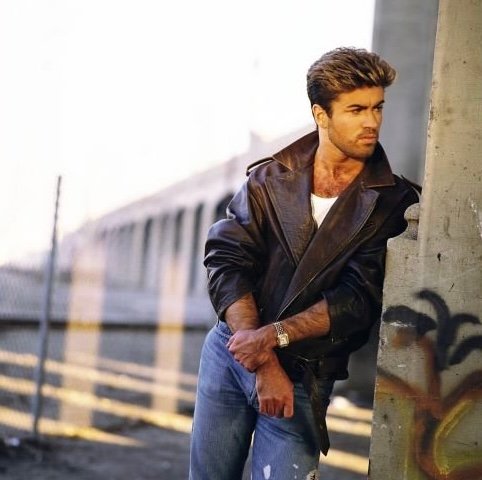
The song’s music video also played a significant role in its cultural impact. Directed by Andy Morahan, the video features Michael in a leather jacket, tight jeans, and aviator sunglasses—a look that became iconic and helped solidify his image as a sex symbol. The video’s minimalist style, focusing primarily on Michael performing the song with confidence and charisma, complemented the song’s themes of independence and self-assurance. This visual representation of “Faith” became just as influential as the song itself, with Michael’s image gracing magazine covers and television screens around the world.

In addition to its immediate impact, “Faith” has had a lasting influence on pop music. The song’s blend of rock, pop, and R&B elements can be seen as a precursor to the genre-blurring approach that would become more common in the 1990s and beyond. Artists like Justin Timberlake, Bruno Mars, and even Michael Jackson drew inspiration from Michael’s ability to fuse different musical styles into a cohesive whole. “Faith” demonstrated that pop music could be both commercially successful and artistically adventurous, paving the way for future generations of artists to experiment with their sound.

Critical Reception and Analysis

Critics have often praised “Faith” for its boldness and innovation. Rolling Stone magazine ranked it among the 500 Greatest Songs of All Time, highlighting its significance not just in Michael’s career but in the broader landscape of popular music. The song’s infectious energy, catchy melody, and distinctive guitar riff have made it a perennial favorite, earning it a place in the pantheon of classic pop songs.

However, beyond its surface appeal, “Faith” has also been the subject of deeper critical analysis. Scholars have noted the song’s subversion of traditional gender roles and expectations, particularly in the context of Michael’s own sexuality, which he would later address more openly in his career. The confident, assertive tone of the song—combined with its exploration of themes like desire and independence—can be seen as a reflection of Michael’s own struggle to reconcile his public persona with his private life. In this sense, “Faith” is not just a song about romantic relationships; it’s a commentary on identity and self-acceptance.

George Michael’s “Faith” remains one of the most enduring and influential songs of the late 20th century. Its combination of rock, pop, and R&B elements, coupled with Michael’s charismatic performance and sharp production, made it a standout hit that continues to resonate with audiences today. Beyond its commercial success, “Faith” represents a pivotal moment in Michael’s career, showcasing his ability to evolve as an artist and create music that transcends genres and generations.

The song’s legacy is evident not only in its continued popularity but in its influence on the broader landscape of pop music. “Faith” set a new standard for what a pop song could be, blending commercial appeal with artistic innovation in a way that few artists have managed to achieve. As we look back on George Michael’s career, “Faith” stands out as a defining moment—a song that captured the spirit of its time while laying the groundwork for the future of popular music.

Related Articles

Modern data center facility with a solar-panel-clad exterior, bright green administrative offices, and secure perimeter fencing, showcasing sustainable digital infrastructure and renewable energy integration

Lombardy’s Data Center Boom: Balancing Digital Ambition with Environmental Responsible

Lombardy has emerged as Italy’s primary hub for new digital infrastructures, particularly data centers—vast complexes […]

In a highly anticipated reunion after 24 years, Adidas Originals and Coca-Cola have joined forces once again to celebrate the FIFA World Cup 2026™. The collaboration revives their iconic 2002 partnership from the Japan-South Korea tournament, now reimagined for the biggest global sporting event of 2026, co-hosted by the United States, Canada, and Mexico. Set to launch on June 6, 2026, this collection masterfully blends Adidas' streetwear heritage with Coca-Cola's timeless branding, creating a vibrant fusion of football culture, nostalgia, and modern style. The drop arrives at a perfect moment. With the World Cup kicking off on June 11, 2026, fans worldwide are gearing up for a summer of football excitement. This collaboration isn't just merch—it's a cultural statement that merges two legendary brands under the banner of "Originals are the Real Thing," a clever twist on Coca-Cola's famous slogan. Historical Context: A Reunion 24 Years in the Making Adidas and Coca-Cola first collaborated during the 2002 FIFA World Cup, producing limited-edition pieces that captured the era's energy. That partnership helped define early 2000s football-streetwear crossover culture. Fast-forward to 2026, and the brands are back with fresh energy, leveraging Adidas' deep FIFA ties (as an official partner) and Coca-Cola's long-standing sponsorship of the tournament. The 2026 edition promises to be historic as the first 48-team World Cup, spanning three countries and generating unprecedented global hype. This collab taps into that momentum, offering fans wearable pieces that celebrate both brands' legacies while looking forward to the future of football fashion. Collection Overview and Design Philosophy The Adidas Originals x Coca-Cola collection fuses 2000s street style with classic sporting aesthetics. Expect bold reds, creams, whites, and silver accents inspired by Coca-Cola's iconic packaging—think classic script logos, droplet detailing, and can-inspired motifs. The lineup spans footwear, apparel, and accessories, divided into two visual directions: one logo-heavy and graphic-forward, the other drawing from vintage advertising aesthetics. Designs pay homage to Coca-Cola's visual language while staying true to Adidas Originals' archival roots. High-quality materials, attention to detail, and versatile silhouettes make these pieces suitable for both match-day wear and everyday street style. The campaign, featuring young football star Lamine Yamal and a diverse cast in everyday scenes building anticipation for the tournament, reinforces themes of originality and shared cultural moments. Footwear Highlights Footwear takes center stage in this collaboration, with reimagined takes on iconic 2000s Adidas silhouettes: Samba and Superstar Models: These classics get Coca-Cola treatment with white/cream/red colorways and prominent script branding. The Samba blends street heritage with football roots, while the Superstar II features weathered bases and bold side panels. Expected pricing around $110–$130. Adistar Control 5: A standout with droplet detailing mimicking condensation on a cold Coke can. This model brings performance-inspired design into lifestyle territory. Predator Sala: Indoor/hybrid style with silver-and-red accents, nodding to predatory precision on the pitch and Coca-Cola's bold energy. Climacool 1: Revived with breathable tech and Coke-inspired graphics, perfect for warm summer days. Megaride F50: A highlight paying tribute to the iconic Coca-Cola glass bottle, with unique contours and refreshing design cues. Each pair incorporates thoughtful details like embroidered logos, custom insoles, and packaging that mimics vintage Coke crates or cans. These shoes are built for durability and comfort, appealing to sneakerheads, football fans, and casual wearers alike. Apparel and Accessories Beyond kicks, the collection offers a full lifestyle range: Track Tops and Jerseys: Standout jerseys fuse retro Coca-Cola advertising from different eras into cohesive football designs. Track jackets feature signature three stripes alongside Coke branding, in vibrant reds and classic whites. Shorts and T-Shirts: Relaxed fits with graphic prints, ideal for casual wear or layering. Expect motivational football motifs blended with refreshing beverage references. Accessories: A bright red airliner bag stands out as a functional statement piece. Additional items may include caps, socks, and tote bags carrying the collaborative spirit. The apparel emphasizes comfort with premium cotton blends, mesh panels for breathability, and oversized silhouettes popular in contemporary streetwear. Unisex sizing and inclusive fits make the collection accessible to a broad audience. Cultural Impact and Fan Appeal This collaboration resonates on multiple levels. For football fans, it represents national pride and global unity ahead of the 2026 tournament. Sneaker enthusiasts will appreciate the nostalgic 2000s revival mixed with modern execution. Streetwear collectors see it as a prime example of how heritage brands can innovate through partnerships. In an era where sports and fashion increasingly intersect, Adidas and Coca-Cola deliver pieces that transcend the pitch. Wear them to watch matches at home, attend watch parties, or hit the streets in any host city—New York, Los Angeles, Toronto, or beyond. The designs are versatile enough for gym sessions, festivals, or daily commutes. The timing aligns perfectly with rising interest in football in North America, boosted by the co-hosting nations. Young talents like Lamine Yamal in the campaign help bridge generational gaps, attracting newer fans while satisfying longtime supporters. Where to Buy and Release Details The collection launches globally on June 6, 2026, via: Adidas CONFIRMED app (for early access and raffles) Adidas.com Select retailers and flagship stores worldwide Some regions may see staggered drops, with Japan and other markets getting early access. Prices are expected to range from $50–$150 depending on the item, making it relatively accessible compared to ultra-limited drops. Pro Tips for Copping: Enable notifications on the CONFIRMED app. Check local stock at Adidas stores in major cities. Monitor resale platforms post-drop for exclusive colorways, but be wary of markups. Size up slightly for oversized apparel fits. Given the World Cup hype, popular items like the Sambas and jerseys are likely to sell out quickly. International shipping is available, but factor in potential customs delays. Styling Suggestions Match Day Look: Pair a collaborative jersey with classic black shorts and Samba sneakers for effortless fan style. Streetwear Rotation: Layer a track top over a graphic tee with wide-leg pants and the Megaride F50 for a bold urban ensemble. Casual Summer: White Superstar with denim shorts and the airliner bag for a refreshing, vacation-ready vibe. These pieces mix seamlessly with existing Adidas or neutral wardrobes, maximizing versatility. Broader Context in 2026 Fashion and Sports The Adidas x Coca-Cola drop is part of a larger wave of high-profile collaborations tied to the World Cup. Adidas continues its dominance in football kit design, while Coca-Cola leverages its sponsorship with collectibles, bottles, and experiential activations like the Trophy Tour. In the sneaker industry, this collab exemplifies the ongoing trend of lifestyle reinterpretations of performance silhouettes. It also highlights how global brands use major events to drive cultural conversations around unity, originality, and joy—core values for both companies. Sustainability notes (based on Adidas' broader initiatives) suggest some pieces may incorporate recycled materials, aligning with modern consumer expectations. Looking Forward: Legacy and Excitement As the countdown to kickoff continues, this collection serves as the perfect prelude to an unforgettable summer of football. Whether you're a die-hard supporter, a fashion-forward collector, or someone seeking motivation through style, the Adidas Originals x Coca-Cola FIFA World Cup 2026 lineup delivers. Expect potential restocks, special event exclusives in host cities, and continued campaign content featuring more athletes. This isn't just clothing—it's a ticket to participate in the global celebration of the beautiful game. Mark your calendars for June 6, 2026. Refresh your wardrobe, lace up those Sambas, and get ready to cheer on your team in style. The "Real Thing" meets the Originals in what promises to be one of the most talked-about releases of the year. This collaboration captures the essence of football's universal appeal: bringing people together through shared passion, iconic brands, and unforgettable moments. As the world prepares for 2026's expanded tournament, Adidas and Coca-Cola remind us that some partnerships are truly timeless.

Adidas Originals x Coca-Cola Collection: FIFA World Cup 2026

In a highly anticipated reunion after 24 years, Adidas Originals and Coca-Cola have joined forces […]

Loewe shoulder bag crafted in brown and black leather with minimalist lion face detailing and a matching fur tail charm

180 Years Unfolded: The Full Story Behind Loewe’s New Campaign

The year was 1846. Queen Victoria was on the British throne and the telephone, the […]