DRIFT

nav

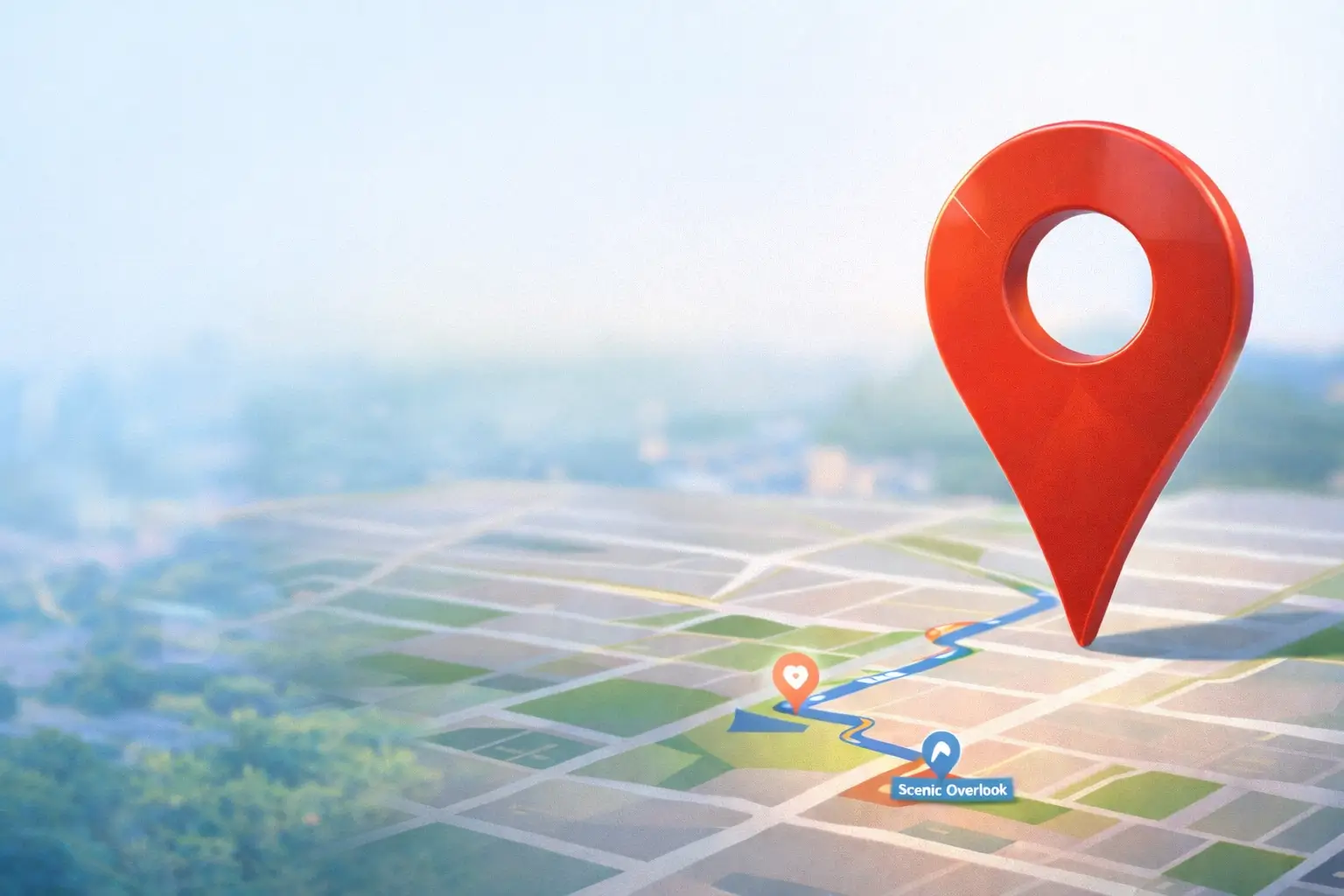
The latest evolution of Alphabet Inc.’s artificial intelligence strategy is arriving in one of its most widely used products: Google Maps. With a new integration powered by Gemini, the company is transforming its navigation platform into something more conversational—part map, part assistant, and increasingly, part chatbot.

The update introduces a feature called Ask Maps, designed to let users query locations and travel plans in natural language rather than through traditional search. Instead of scrolling endlessly through restaurant lists or reviews, users can ask questions like:

“Where can I find cafés with short lines and outlets to charge my phone?”
“Which scenic stops should I visit on the way to the Grand Canyon?”

Behind the scenes, Gemini analyzes vast amounts of data—from user reviews to location details—to produce personalized responses. The update also introduces an Immersive Navigation mode, rendering surroundings in detailed 3D to guide drivers through complex environments.

Taken together, the changes signal a broader ambition: turning Google Maps into a comprehensive AI-powered guide for navigating the physical world.

grad

Search has long been the backbone of Google Maps. Users typed keywords—restaurants, gas stations, parks—and scrolled through lists of results. That approach worked, but it required effort: reading reviews, comparing ratings, opening menus, and deciphering location details.

The new Ask Maps feature changes the experience entirely.

Instead of conducting multiple searches, users can now ask conversational questions. Gemini interprets the request, analyzes relevant information, and returns curated recommendations.

For example:

A traveler searching for a quiet café might ask, “Where can I work for a few hours with Wi-Fi and good coffee?”
A road tripper could ask, “What are interesting stops between Las Vegas and the Grand Canyon?”

The system then synthesizes information from reviews, photos, ratings, and location data to generate suggestions.

This shift reflects a broader transformation in search behavior. As generative AI becomes more common, users increasingly expect technology to deliver answers rather than lists of links.

Google Maps is now following that trend.

flow

One reason Google Maps can support conversational queries is the immense dataset behind it.

The platform aggregates reviews, photos, and feedback from more than 500 million contributors worldwide. Every restaurant rating, uploaded photo, and location edit feeds into the ecosystem.

That crowd-sourced information allows Gemini to interpret not just where places are located but how people experience them.

If reviews frequently mention “quick service,” “great Wi-Fi,” or “plenty of outlets,” Gemini can recognize those attributes and recommend the location accordingly.

This vast database has become one of Google Maps’ greatest competitive advantages.

Platforms like Yelp and Tripadvisor built businesses around reviews, but Google Maps has gradually absorbed much of that territory by embedding reviews directly into its mapping ecosystem.

Now, with AI interpretation layered on top, Google may further consolidate its role as the dominant discovery tool for local businesses.

pref

One of the most striking aspects of the Gemini integration is personalization.

Google already collects signals from past searches, location history, and user preferences. With AI, those signals can be used more dynamically.

Imagine a user who frequently searches for vegetarian restaurants.

Ask Maps might interpret that pattern and automatically exclude steakhouses when recommending dinner spots.

Similarly, someone who often searches for outdoor activities might see hiking trails and scenic viewpoints prioritized in travel recommendations.

Personalization also applies to travel routes. If a driver prefers coffee stops over fast-food chains—or scenic routes over highways—the system could incorporate those preferences into route suggestions.

While the convenience is obvious, it also highlights the increasing role of data-driven personalization in digital services.

embue

Alongside conversational search, Google Maps is introducing a visual upgrade: Immersive Navigation mode.

This feature transforms traditional map navigation into a more realistic environment using 3D models generated from Google Street View imagery and aerial mapping.

Buildings, trees, overpasses, and road layouts appear in three dimensions, helping drivers visualize their surroundings before arriving.

The system can also highlight:

Entrances to buildings
Nearby parking options
Intersections and complex roadway layouts

For example, approaching a large shopping center or airport can often be confusing due to multiple entrances and parking structures. Immersive Navigation aims to eliminate that uncertainty by showing exactly where drivers should go.

In effect, the map begins to resemble a lightweight simulation of the real world.

show

Google’s immersive navigation is not entirely unprecedented.

In 2021, Apple Maps introduced a similar feature that renders cities in detailed 3D. Apple’s system includes landmarks, elevation changes, and photorealistic models designed to help users orient themselves visually.

Google’s version builds on the same concept but integrates AI-driven navigation and recommendations.

While Apple focuses heavily on visual design and ecosystem integration with its devices, Google’s strength lies in data scale and AI capabilities.

That difference may shape how each platform evolves.

Apple Maps emphasizes design and privacy-focused mapping, while Google Maps is increasingly becoming an intelligent assistant for real-world exploration.

roll

The new AI-powered Maps features will roll out first to users in the United States and India.

Both countries represent enormous markets for Google Maps usage.

The United States remains one of the platform’s most active user bases, with millions relying on the app for daily commuting and travel.

India, meanwhile, has become one of Google’s fastest-growing technology markets. Rapid smartphone adoption and urban development have made digital navigation essential for many users.

Launching the feature in these regions allows Google to test the system at scale before expanding globally.

fwd

The integration of Gemini into Google Maps reflects a deeper shift in how people interact with information about the physical world.

Historically, exploring a city required multiple sources: guidebooks, friends’ recommendations, travel websites, and sometimes pure curiosity.

Digital maps simplified navigation but still required users to do much of the research themselves.

AI changes that dynamic.

Instead of searching, filtering, and comparing, users increasingly ask questions and receive curated answers.

Technology becomes less like a tool and more like a guide.

Google Maps is now evolving toward that role.

idea

Despite its advantages, AI-driven discovery also raises questions.

Algorithms shape which businesses appear in recommendations and which remain invisible.

If AI suggestions become the primary method for discovering restaurants or attractions, the companies behind those algorithms wield enormous influence over local economies.

There are also concerns about bias and transparency.

How does the system choose recommendations?
What data determines personalization?
Are smaller businesses disadvantaged compared to larger brands with more reviews?

These questions will likely grow more important as AI tools become embedded in everyday services.

sum

Google Maps began as a simple digital atlas—an online representation of roads and places.

Over time, it added layers of functionality: real-time traffic updates, transit information, reviews, photos, and business listings.

With the arrival of Gemini, the platform enters a new phase.

It no longer just shows the world.

It interprets it.

A user can ask a question, receive recommendations, visualize their route in 3D, and navigate to a destination—all within a single interface.

The map becomes a conversation.

Related Articles

Modern data center facility with a solar-panel-clad exterior, bright green administrative offices, and secure perimeter fencing, showcasing sustainable digital infrastructure and renewable energy integration

Lombardy’s Data Center Boom: Balancing Digital Ambition with Environmental Responsible

Lombardy has emerged as Italy’s primary hub for new digital infrastructures, particularly data centers—vast complexes […]

In a highly anticipated reunion after 24 years, Adidas Originals and Coca-Cola have joined forces once again to celebrate the FIFA World Cup 2026™. The collaboration revives their iconic 2002 partnership from the Japan-South Korea tournament, now reimagined for the biggest global sporting event of 2026, co-hosted by the United States, Canada, and Mexico. Set to launch on June 6, 2026, this collection masterfully blends Adidas' streetwear heritage with Coca-Cola's timeless branding, creating a vibrant fusion of football culture, nostalgia, and modern style. The drop arrives at a perfect moment. With the World Cup kicking off on June 11, 2026, fans worldwide are gearing up for a summer of football excitement. This collaboration isn't just merch—it's a cultural statement that merges two legendary brands under the banner of "Originals are the Real Thing," a clever twist on Coca-Cola's famous slogan. Historical Context: A Reunion 24 Years in the Making Adidas and Coca-Cola first collaborated during the 2002 FIFA World Cup, producing limited-edition pieces that captured the era's energy. That partnership helped define early 2000s football-streetwear crossover culture. Fast-forward to 2026, and the brands are back with fresh energy, leveraging Adidas' deep FIFA ties (as an official partner) and Coca-Cola's long-standing sponsorship of the tournament. The 2026 edition promises to be historic as the first 48-team World Cup, spanning three countries and generating unprecedented global hype. This collab taps into that momentum, offering fans wearable pieces that celebrate both brands' legacies while looking forward to the future of football fashion. Collection Overview and Design Philosophy The Adidas Originals x Coca-Cola collection fuses 2000s street style with classic sporting aesthetics. Expect bold reds, creams, whites, and silver accents inspired by Coca-Cola's iconic packaging—think classic script logos, droplet detailing, and can-inspired motifs. The lineup spans footwear, apparel, and accessories, divided into two visual directions: one logo-heavy and graphic-forward, the other drawing from vintage advertising aesthetics. Designs pay homage to Coca-Cola's visual language while staying true to Adidas Originals' archival roots. High-quality materials, attention to detail, and versatile silhouettes make these pieces suitable for both match-day wear and everyday street style. The campaign, featuring young football star Lamine Yamal and a diverse cast in everyday scenes building anticipation for the tournament, reinforces themes of originality and shared cultural moments. Footwear Highlights Footwear takes center stage in this collaboration, with reimagined takes on iconic 2000s Adidas silhouettes: Samba and Superstar Models: These classics get Coca-Cola treatment with white/cream/red colorways and prominent script branding. The Samba blends street heritage with football roots, while the Superstar II features weathered bases and bold side panels. Expected pricing around $110–$130. Adistar Control 5: A standout with droplet detailing mimicking condensation on a cold Coke can. This model brings performance-inspired design into lifestyle territory. Predator Sala: Indoor/hybrid style with silver-and-red accents, nodding to predatory precision on the pitch and Coca-Cola's bold energy. Climacool 1: Revived with breathable tech and Coke-inspired graphics, perfect for warm summer days. Megaride F50: A highlight paying tribute to the iconic Coca-Cola glass bottle, with unique contours and refreshing design cues. Each pair incorporates thoughtful details like embroidered logos, custom insoles, and packaging that mimics vintage Coke crates or cans. These shoes are built for durability and comfort, appealing to sneakerheads, football fans, and casual wearers alike. Apparel and Accessories Beyond kicks, the collection offers a full lifestyle range: Track Tops and Jerseys: Standout jerseys fuse retro Coca-Cola advertising from different eras into cohesive football designs. Track jackets feature signature three stripes alongside Coke branding, in vibrant reds and classic whites. Shorts and T-Shirts: Relaxed fits with graphic prints, ideal for casual wear or layering. Expect motivational football motifs blended with refreshing beverage references. Accessories: A bright red airliner bag stands out as a functional statement piece. Additional items may include caps, socks, and tote bags carrying the collaborative spirit. The apparel emphasizes comfort with premium cotton blends, mesh panels for breathability, and oversized silhouettes popular in contemporary streetwear. Unisex sizing and inclusive fits make the collection accessible to a broad audience. Cultural Impact and Fan Appeal This collaboration resonates on multiple levels. For football fans, it represents national pride and global unity ahead of the 2026 tournament. Sneaker enthusiasts will appreciate the nostalgic 2000s revival mixed with modern execution. Streetwear collectors see it as a prime example of how heritage brands can innovate through partnerships. In an era where sports and fashion increasingly intersect, Adidas and Coca-Cola deliver pieces that transcend the pitch. Wear them to watch matches at home, attend watch parties, or hit the streets in any host city—New York, Los Angeles, Toronto, or beyond. The designs are versatile enough for gym sessions, festivals, or daily commutes. The timing aligns perfectly with rising interest in football in North America, boosted by the co-hosting nations. Young talents like Lamine Yamal in the campaign help bridge generational gaps, attracting newer fans while satisfying longtime supporters. Where to Buy and Release Details The collection launches globally on June 6, 2026, via: Adidas CONFIRMED app (for early access and raffles) Adidas.com Select retailers and flagship stores worldwide Some regions may see staggered drops, with Japan and other markets getting early access. Prices are expected to range from $50–$150 depending on the item, making it relatively accessible compared to ultra-limited drops. Pro Tips for Copping: Enable notifications on the CONFIRMED app. Check local stock at Adidas stores in major cities. Monitor resale platforms post-drop for exclusive colorways, but be wary of markups. Size up slightly for oversized apparel fits. Given the World Cup hype, popular items like the Sambas and jerseys are likely to sell out quickly. International shipping is available, but factor in potential customs delays. Styling Suggestions Match Day Look: Pair a collaborative jersey with classic black shorts and Samba sneakers for effortless fan style. Streetwear Rotation: Layer a track top over a graphic tee with wide-leg pants and the Megaride F50 for a bold urban ensemble. Casual Summer: White Superstar with denim shorts and the airliner bag for a refreshing, vacation-ready vibe. These pieces mix seamlessly with existing Adidas or neutral wardrobes, maximizing versatility. Broader Context in 2026 Fashion and Sports The Adidas x Coca-Cola drop is part of a larger wave of high-profile collaborations tied to the World Cup. Adidas continues its dominance in football kit design, while Coca-Cola leverages its sponsorship with collectibles, bottles, and experiential activations like the Trophy Tour. In the sneaker industry, this collab exemplifies the ongoing trend of lifestyle reinterpretations of performance silhouettes. It also highlights how global brands use major events to drive cultural conversations around unity, originality, and joy—core values for both companies. Sustainability notes (based on Adidas' broader initiatives) suggest some pieces may incorporate recycled materials, aligning with modern consumer expectations. Looking Forward: Legacy and Excitement As the countdown to kickoff continues, this collection serves as the perfect prelude to an unforgettable summer of football. Whether you're a die-hard supporter, a fashion-forward collector, or someone seeking motivation through style, the Adidas Originals x Coca-Cola FIFA World Cup 2026 lineup delivers. Expect potential restocks, special event exclusives in host cities, and continued campaign content featuring more athletes. This isn't just clothing—it's a ticket to participate in the global celebration of the beautiful game. Mark your calendars for June 6, 2026. Refresh your wardrobe, lace up those Sambas, and get ready to cheer on your team in style. The "Real Thing" meets the Originals in what promises to be one of the most talked-about releases of the year. This collaboration captures the essence of football's universal appeal: bringing people together through shared passion, iconic brands, and unforgettable moments. As the world prepares for 2026's expanded tournament, Adidas and Coca-Cola remind us that some partnerships are truly timeless.

Adidas Originals x Coca-Cola Collection: FIFA World Cup 2026

In a highly anticipated reunion after 24 years, Adidas Originals and Coca-Cola have joined forces […]

Loewe shoulder bag crafted in brown and black leather with minimalist lion face detailing and a matching fur tail charm

180 Years Unfolded: The Full Story Behind Loewe’s New Campaign

The year was 1846. Queen Victoria was on the British throne and the telephone, the […]