
DRIFT AUDIO
Listen to this story
Choose a voice, then press play.
A twelve-model editorial for Japanese fashion title GRIND turns Carhartt WIP’s Spring/Summer 2026 collection into a shh study of what lingers once the weather clears.
In This Story
- A Collision Between Carhartt WIP and GRIND
- The Creative Team Behind the Story
- Where the Story Sits Within Carhartt WIP’s Season
- A Recurring Partnership
- Carhartt WIP’s Workwear-to-Streetwear Lineage
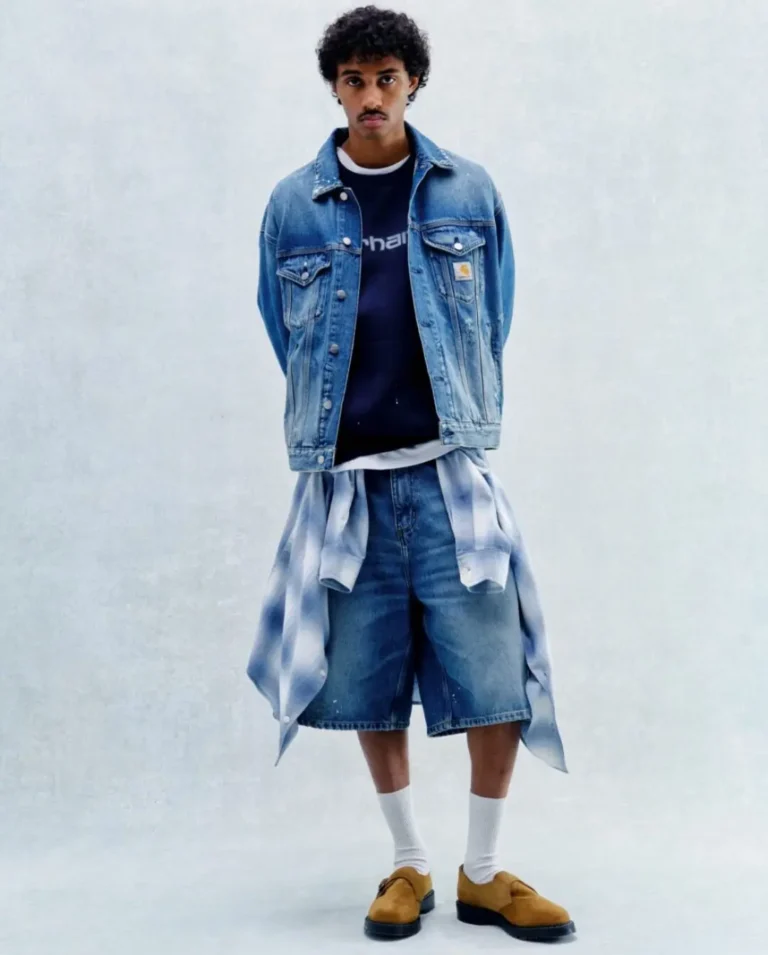
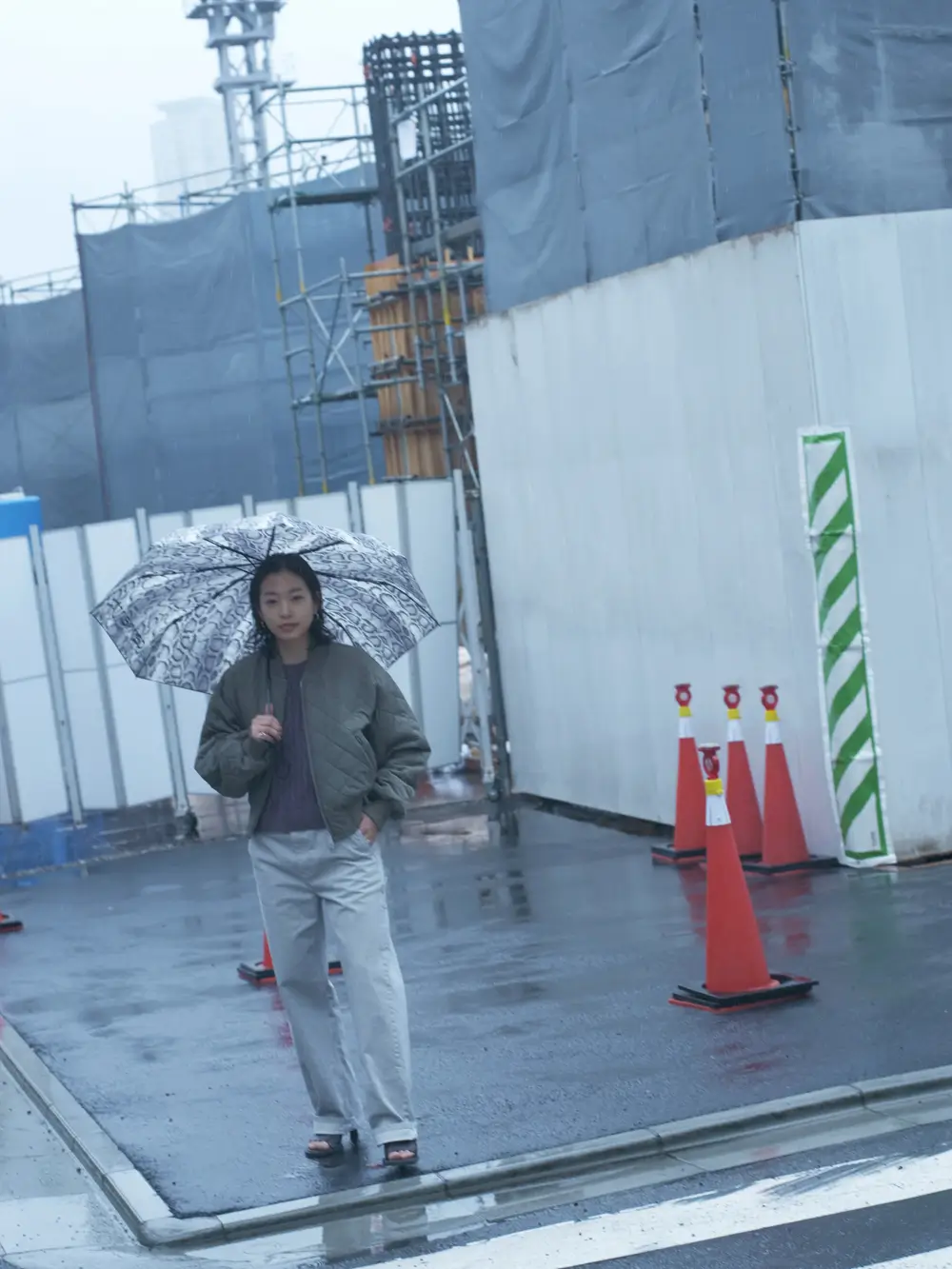
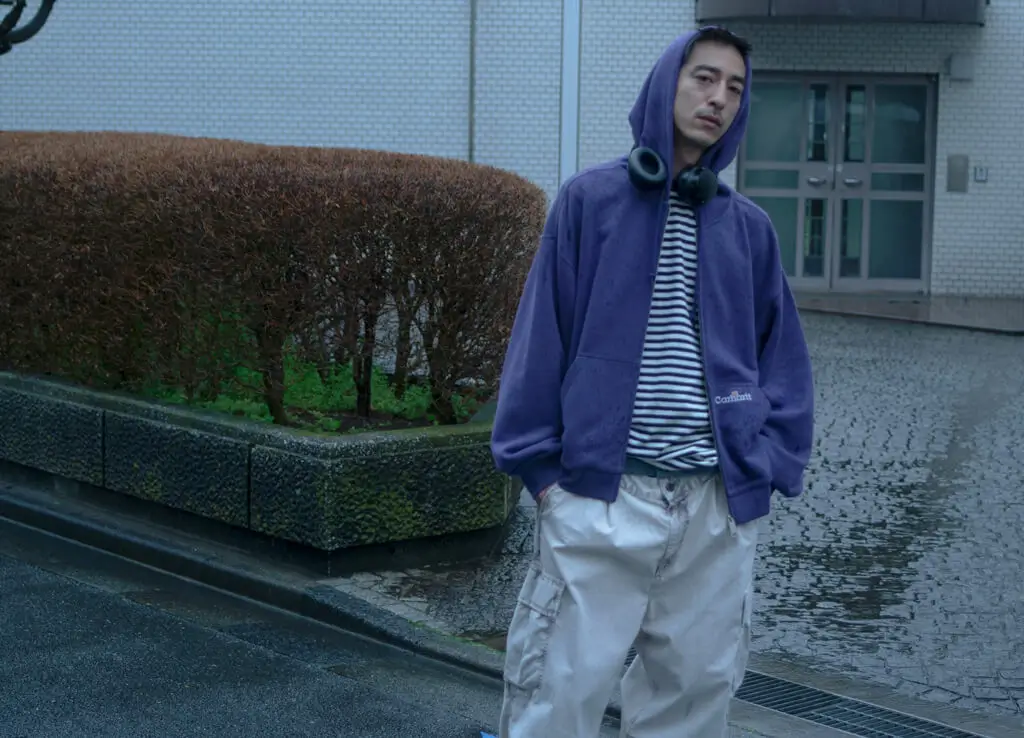
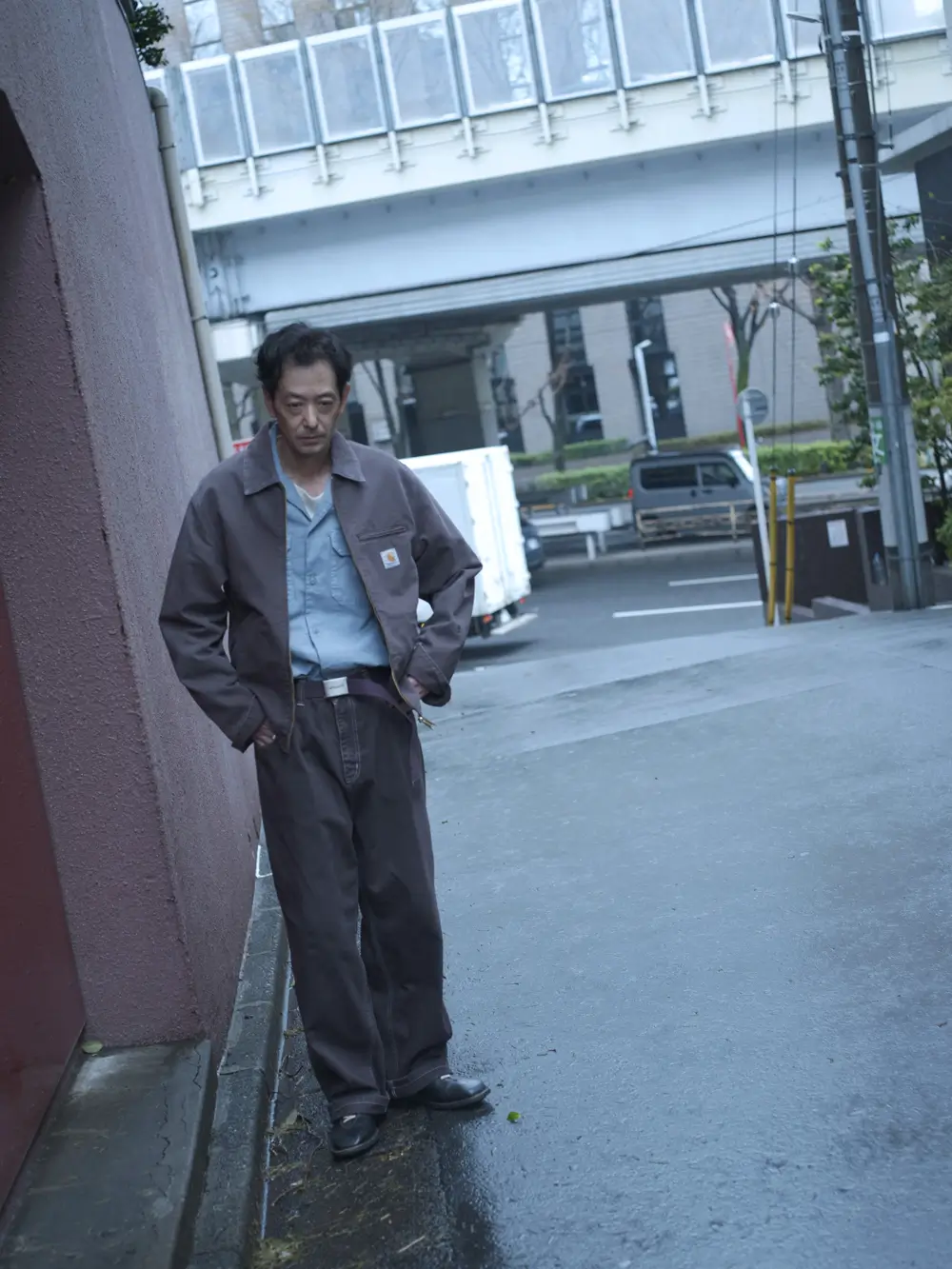
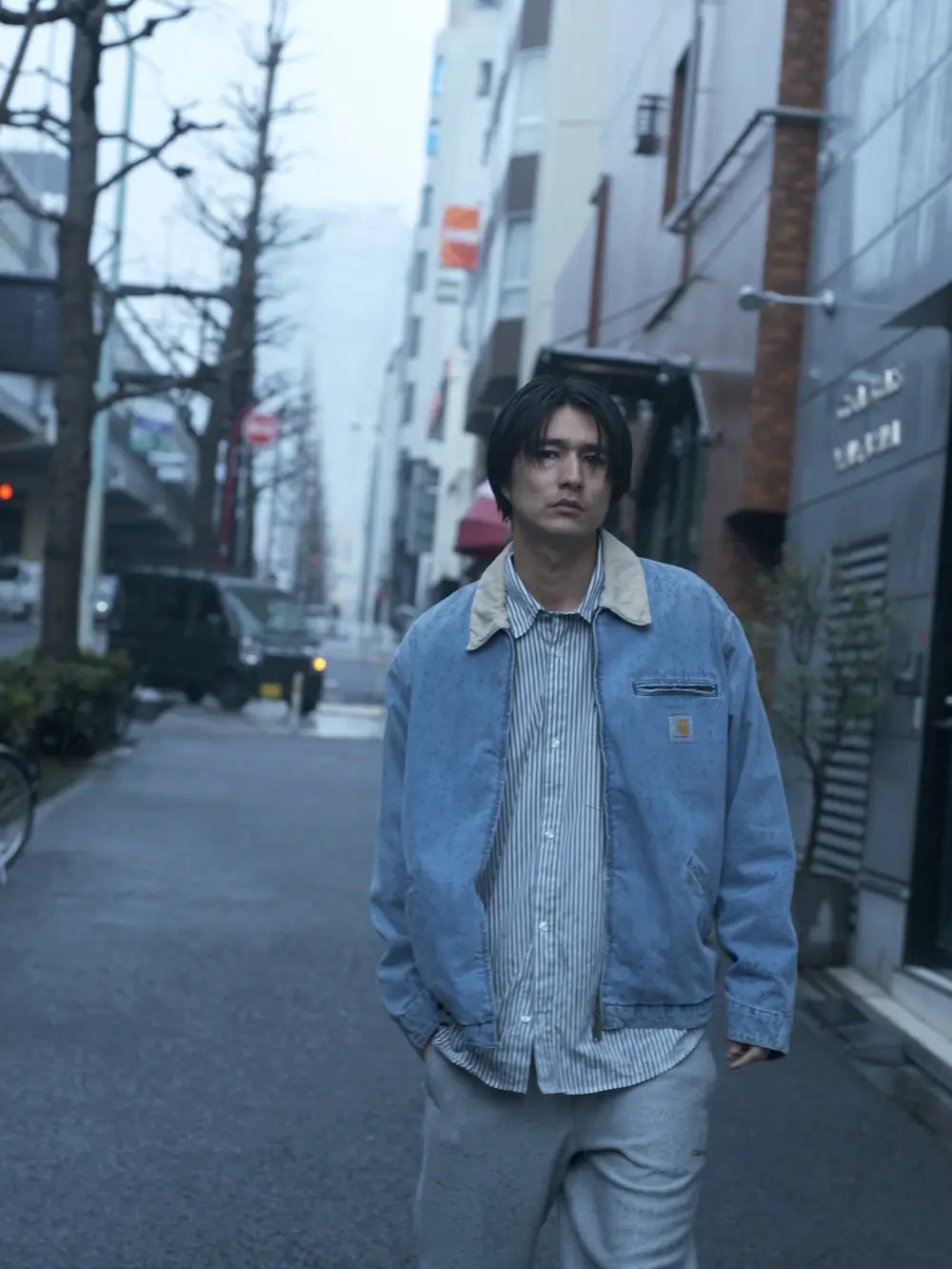
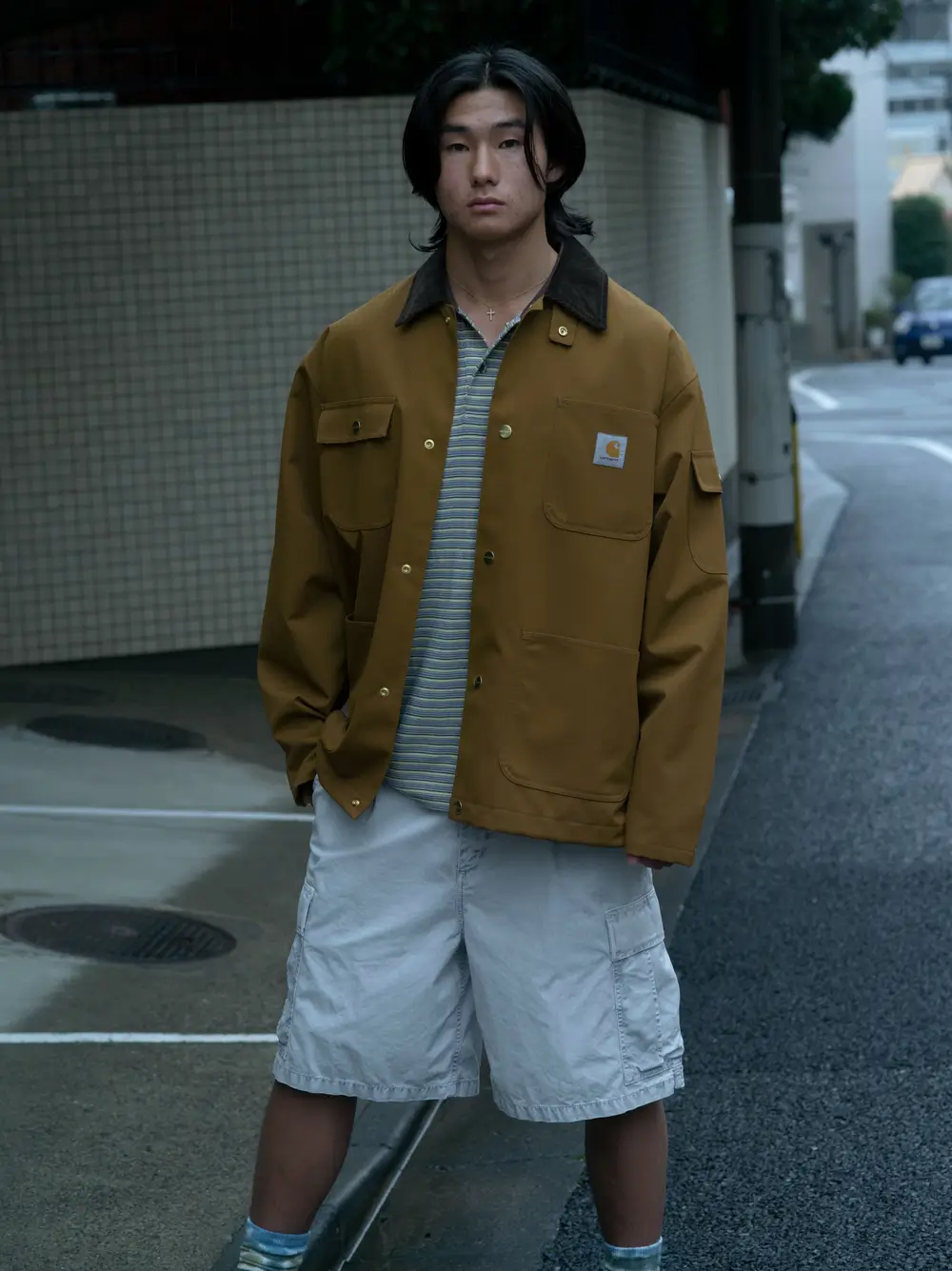
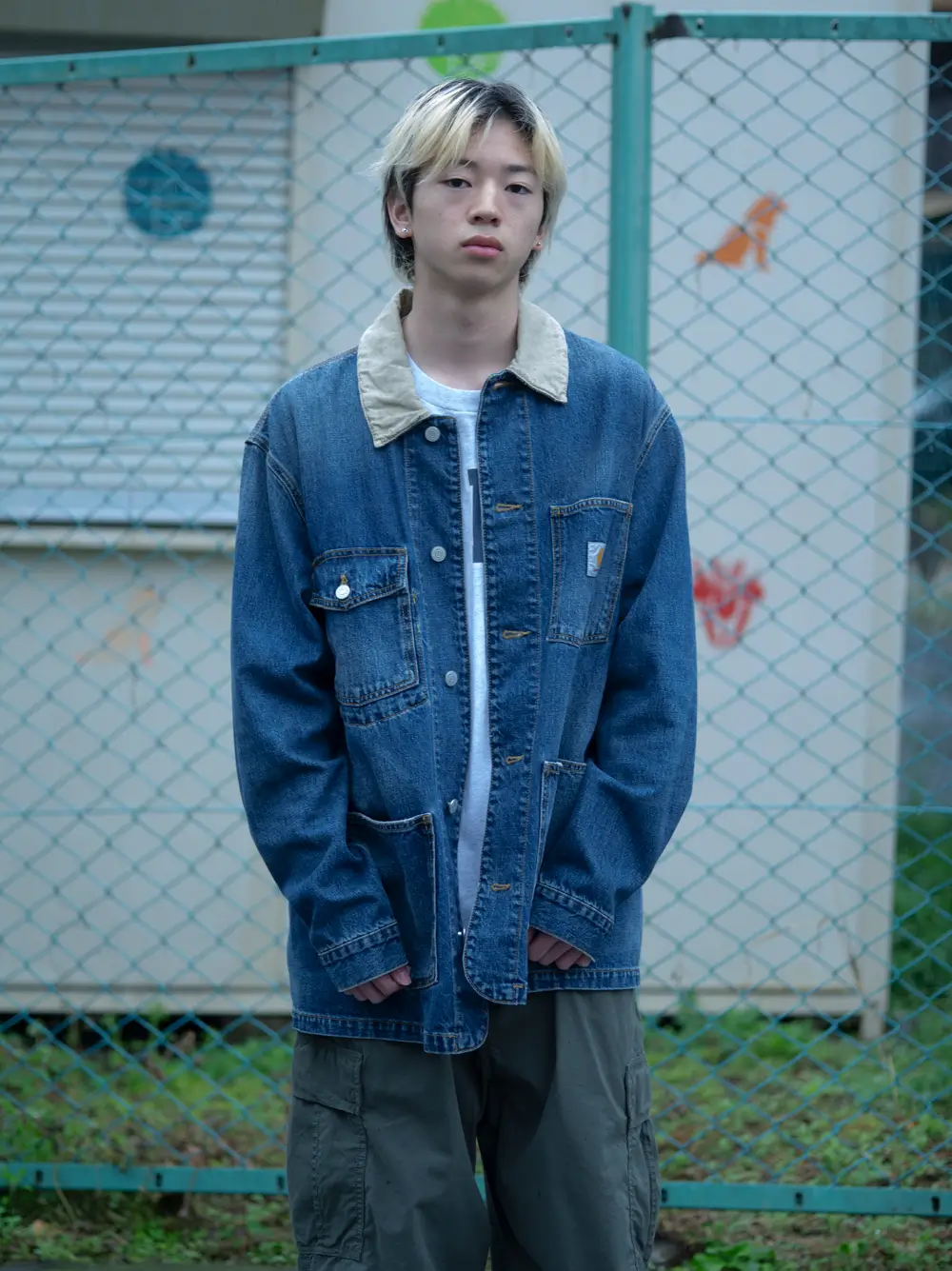
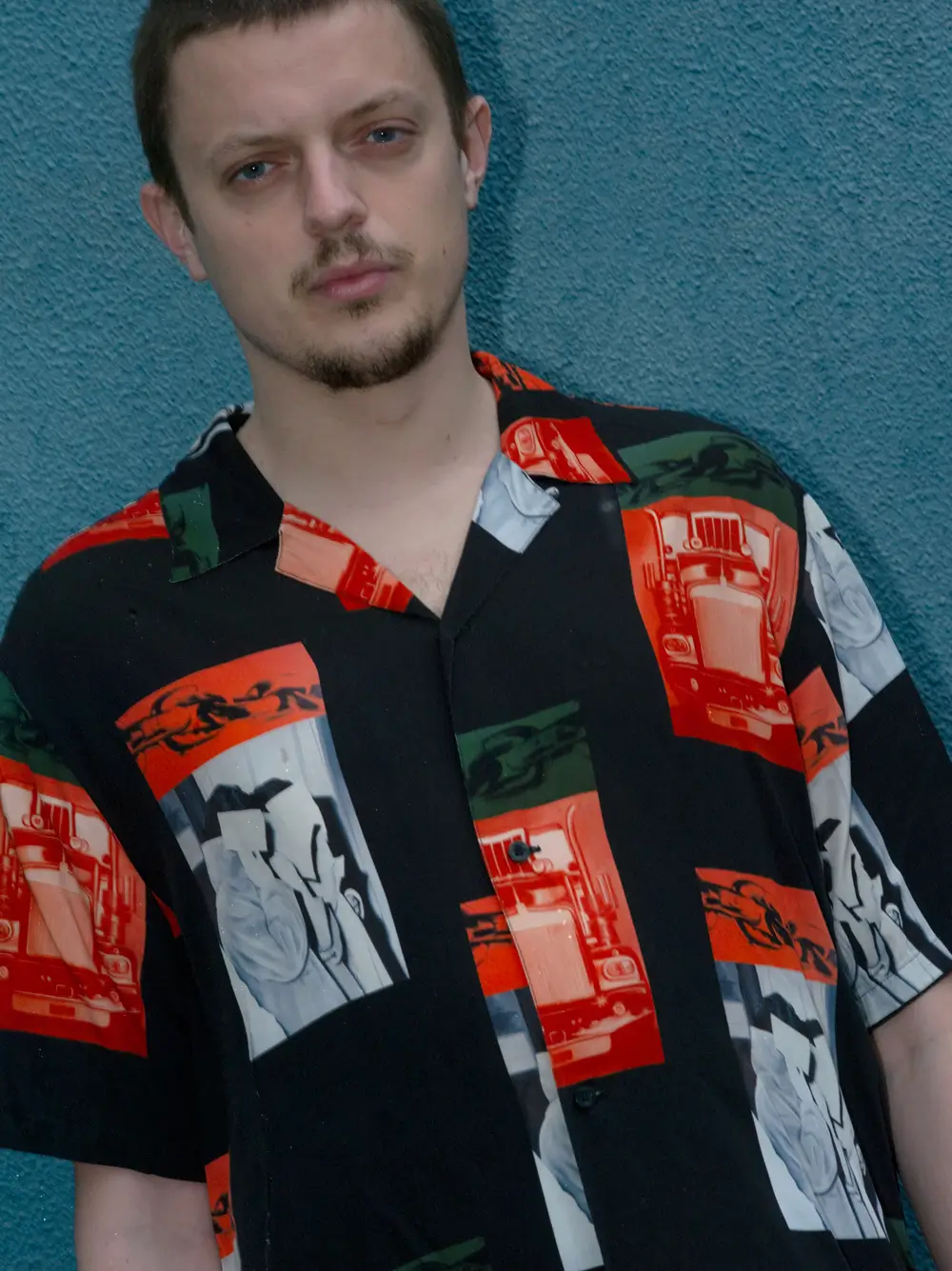
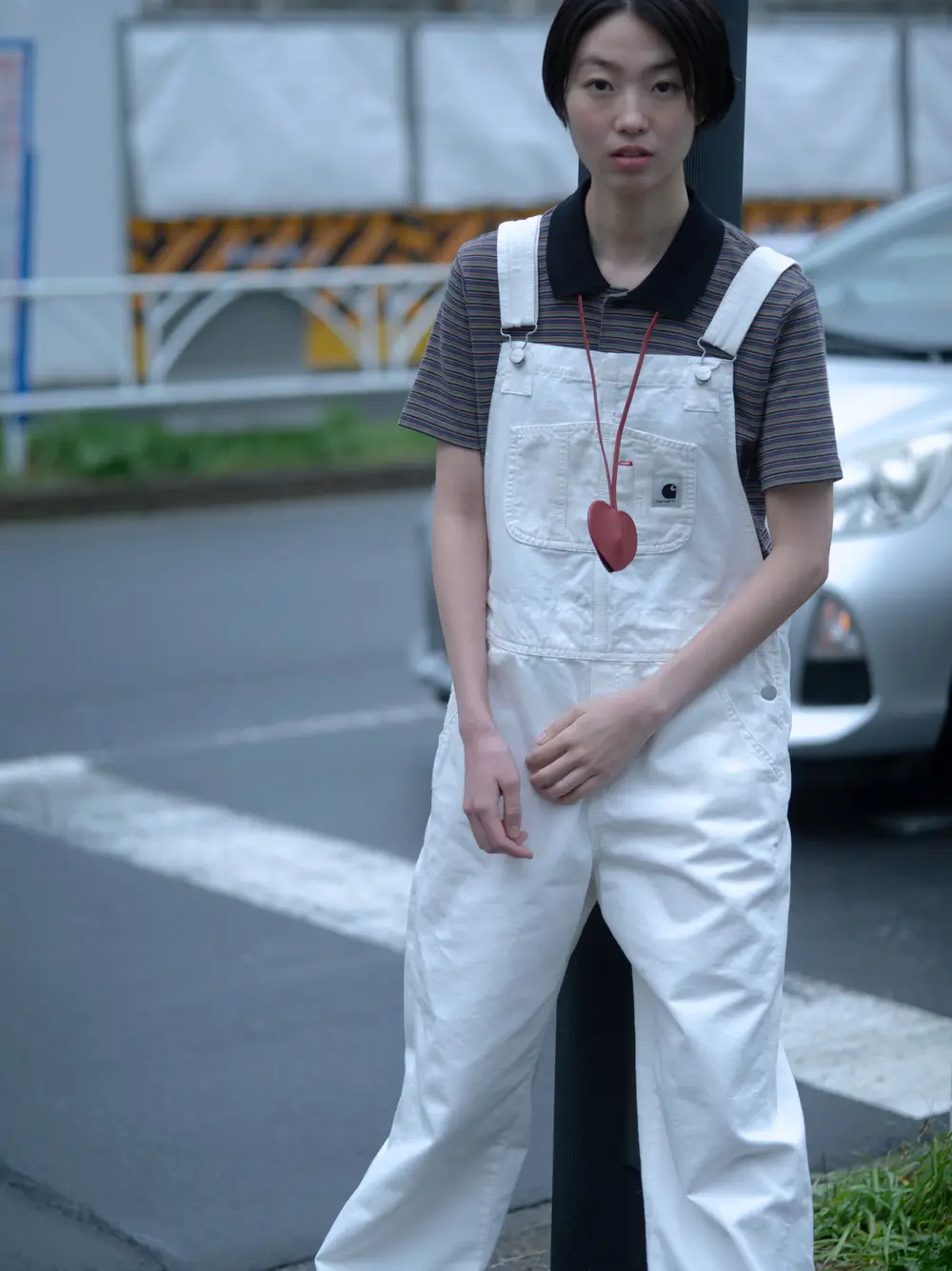
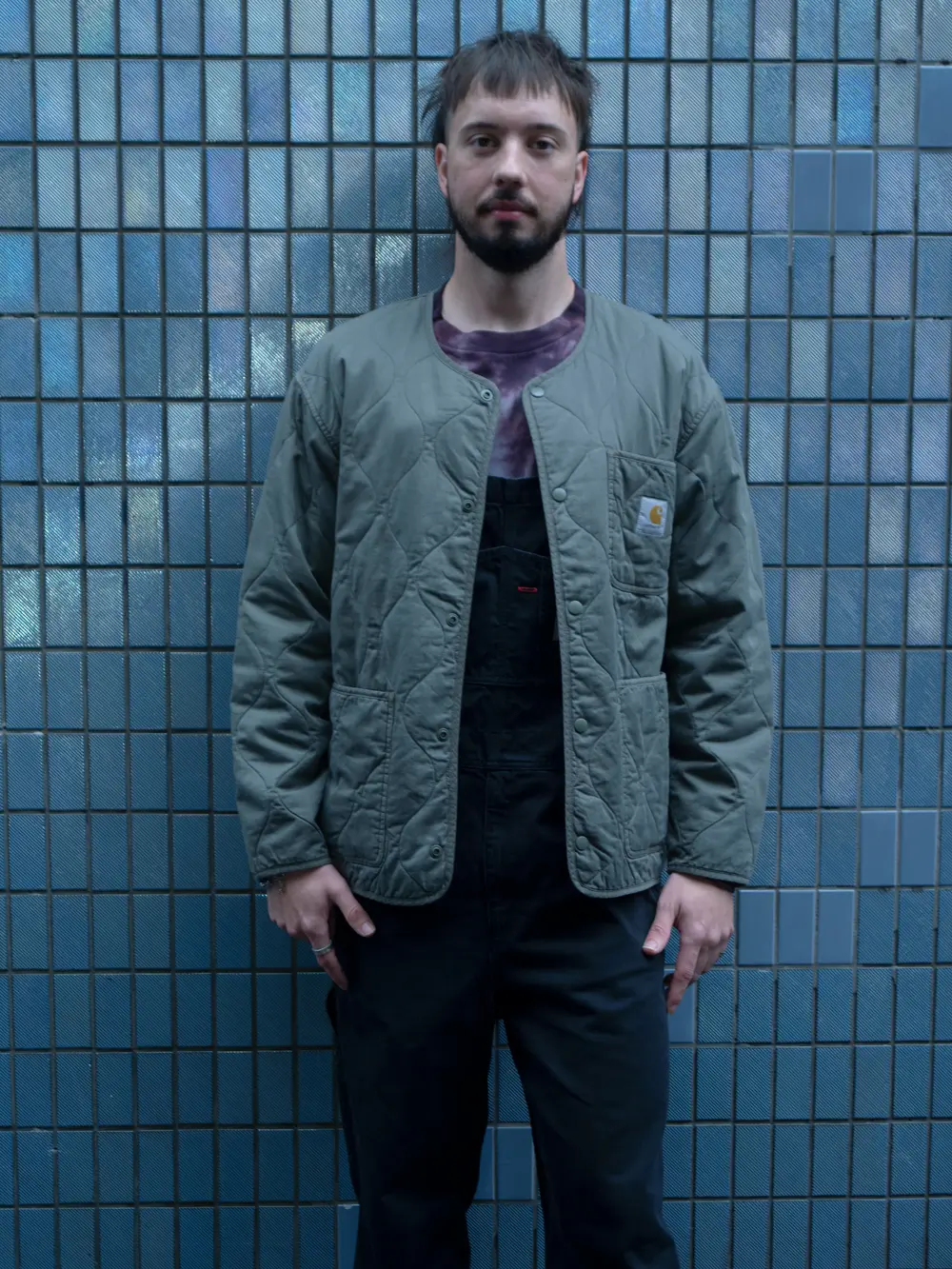
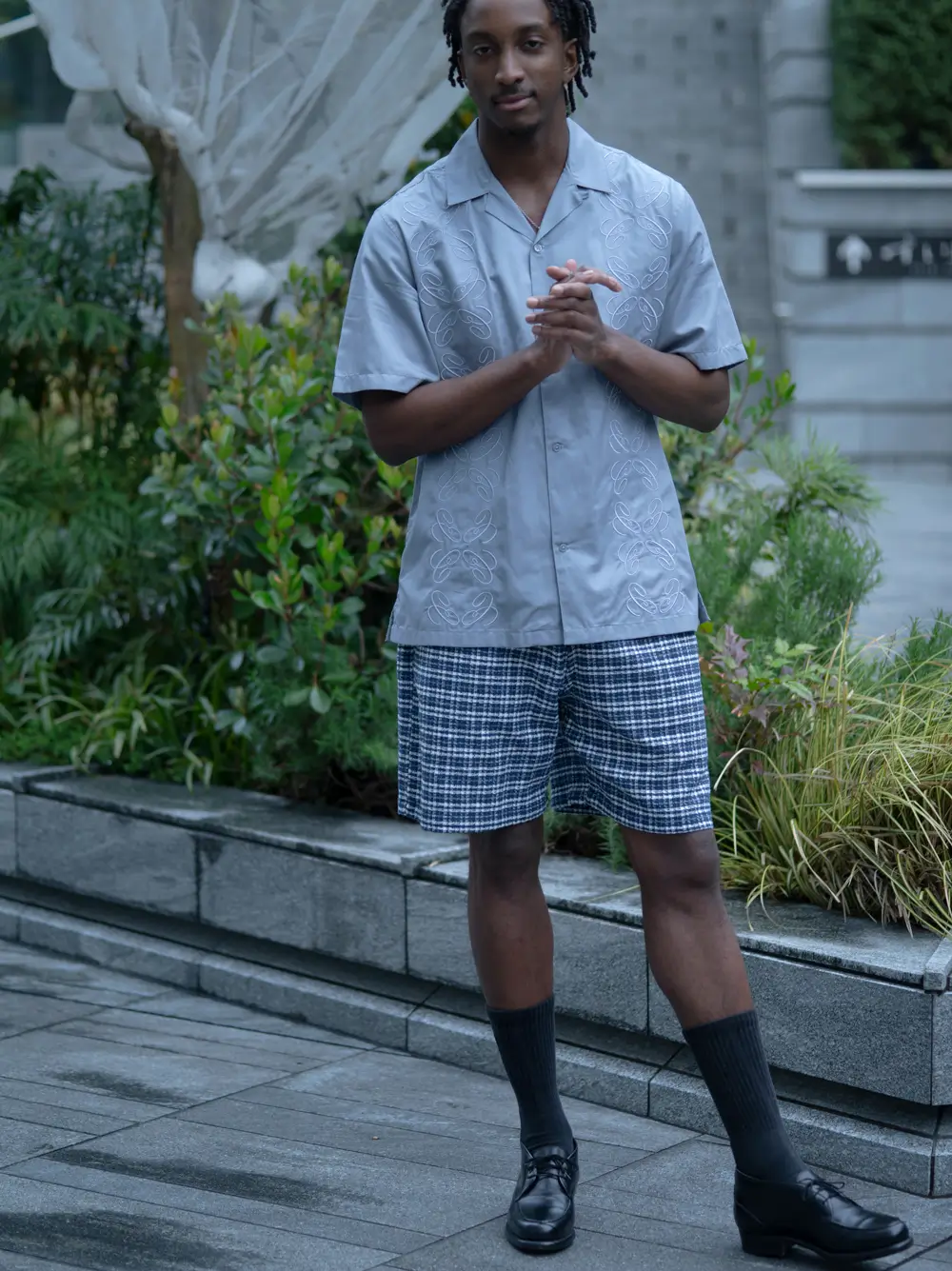
“Still Here After Rain” is the latest fashion editorial from GRIND, the Japanese fashion and culture title, built around Carhartt WIP‘s Spring/Summer 2026 collection. Published on 2 July 2026 under GRIND’s fashion and item coverage, the story follows a now-familiar rhythm for the magazine’s relationship with the brand: a straightforward, workwear-rooted collection is handed over to a consistent creative team and turned into something closer to a mood piece than a conventional product roundup.
View this post on Instagram
GRIND itself has built a specific niche within Japan’s crowded fashion-magazine landscape since its 2009 launch. Published monthly by Shufu to Seikatsu, the title has generally been positioned as a bridge between rugged streetwear staples and a more polished, fashion-forward sensibility — running features on heavyweight Japanese labels like NEIGHBORHOOD and WTAPS alongside global streetwear names, while also giving smaller or lesser-known brands space to be documented with the same editorial seriousness. That positioning, sometimes described as leaning toward avant-garde streetwear, makes it a natural home for a brand like Carhartt WIP: American workwear heritage filtered through a Japanese editorial lens that treats denim cuts, boot soles, and garment construction with the kind of documentary attention other magazines might reserve for luxury collection.
That approach to fashion coverage is, more broadly, something of a hallmark of Japanese magazine publishing rather than a quirk unique to GRIND. Japan’s fashion titles have long been noted for treating their subject matter with a specificity that Western publications rarely match — laying out garment details, construction notes, and styling choices with an almost catalogue-like thoroughness, even within otherwise moody, atmosphere-driven editorial spreads. Where a comparable Western streetwear feature might lean entirely on a striking image and a short caption, Japanese titles in GRIND’s tradition have historically treated the same spread as an opportunity to genuinely document a collection, down to specific silhouettes and material choices, alongside the mood the images are working to establish. That dual function — atmosphere and documentation operating side by side — is a large part of why a title like “Still Here After Rain” can sit comfortably as a mood statement while the underlying feature still does the work of a fashion editorial in the more traditional sense.
GRIND’s own positioning within that landscape sits somewhere between the mainstream and the genuinely niche: closer in spirit to insider-facing titles built around a specific, considered point of view than to broader lifestyle magazines aimed at a general readership. That context matters for how a story like “Still Here After Rain” should be read — less as a piece of brand marketing engineered for maximum reach, and more as a considered editorial statement aimed at a readership already fluent in both Carhartt WIP’s design lang and the wider Japanese streetwear ecosystem the magazine has spent over a decade documenting.
The title of this particular story does a fair amount of work on its own. Rather than framing the collection around a season, a location, or a specific garment, “Still Here After Rain” points toward something shh and more atmospheric — clothes and people that remain once a storm has passed, a fitting register for a brand whose reputation was built on durable and weatherproofing long before it became a streetwear fixture. It’s a title that trades on mood rather than message, leaving the actual view story to fill in the specifics.
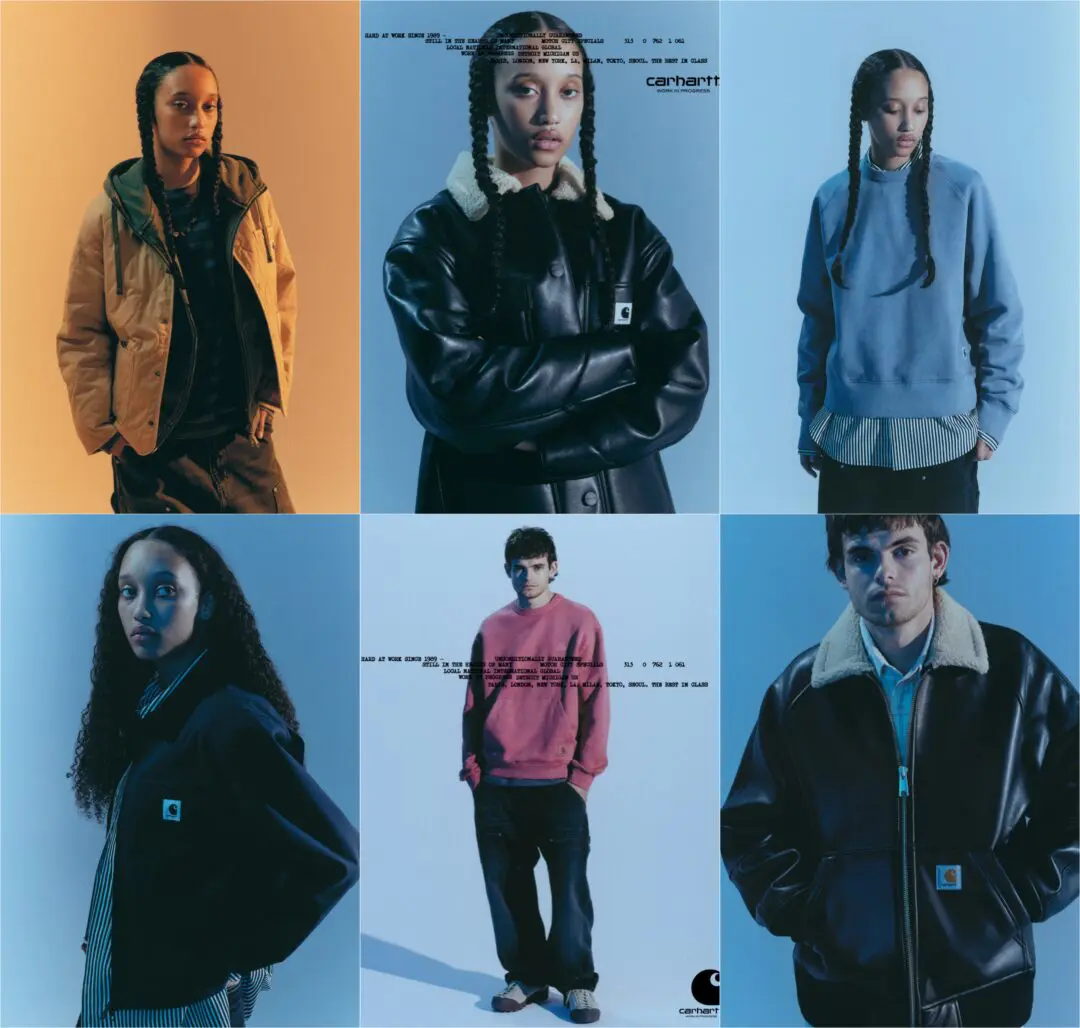
Carhartt WIP’s latest editorial highlights contemporary workwear through premium jackets, relaxed sweatshirts, and timeless essentials, blending utilitarian heritage with clean, modern styling across a series of minimalist studio portraits.
narr
The story was shot by photographer Naoya Matsumoto, with style by Masataka Hattori and hair and makeup by Yoshikazu Miyamoto. Editing on the piece is credited to Shuhei Kawada. The same core team — Matsumoto behind the camera, Hattori on styling — has become a recurring pairing on Carhartt WIP’s Japan-facing editorial work, having previously collected on a feature for Japanese style magazine EYESCREAM built around the brand’s Spring/Summer 2024 collection, credited there as “THE STYLIST MASATAKA HATTORI ‘Carhartt WIP feat. IO.'”
That earlier EYESCREAM story suggests Hattori in particular has developed a specific working relationship with Carhartt WIP’s Japan office over multiple seasons, rather than being brought in for a single one-off shoot. Fashion editorials built around a single trusted stylist across several consecutive seasons are a relatively common practice in Japanese fashion publishing, where the same small pool of stylists, photographers, and editors often move together between titles and campaigns, building a recognisable house style for a brand’s Japan-market storytelling that can differ meaningfully from how the same collection is presented in other regions.
The story’s model cast is notably large for an editorial of this kind, running to twelve names: Corey, Ichiro, Iko, Jimi, Maho, Maura, Max, Paul, Rentaro, Shintaro, Shohei, and Yuji. That scale of cast is unusual for a single fashion story rather than a full campaign or lookbook, and it suggests GRIND and Carhartt WIP were aiming for something closer to an ensemble group portrait than a conventional single- or paired-model editorial — a choice that fits a brand whose identity has always leaned on collective, workwear-rooted imagery over singular star styling.
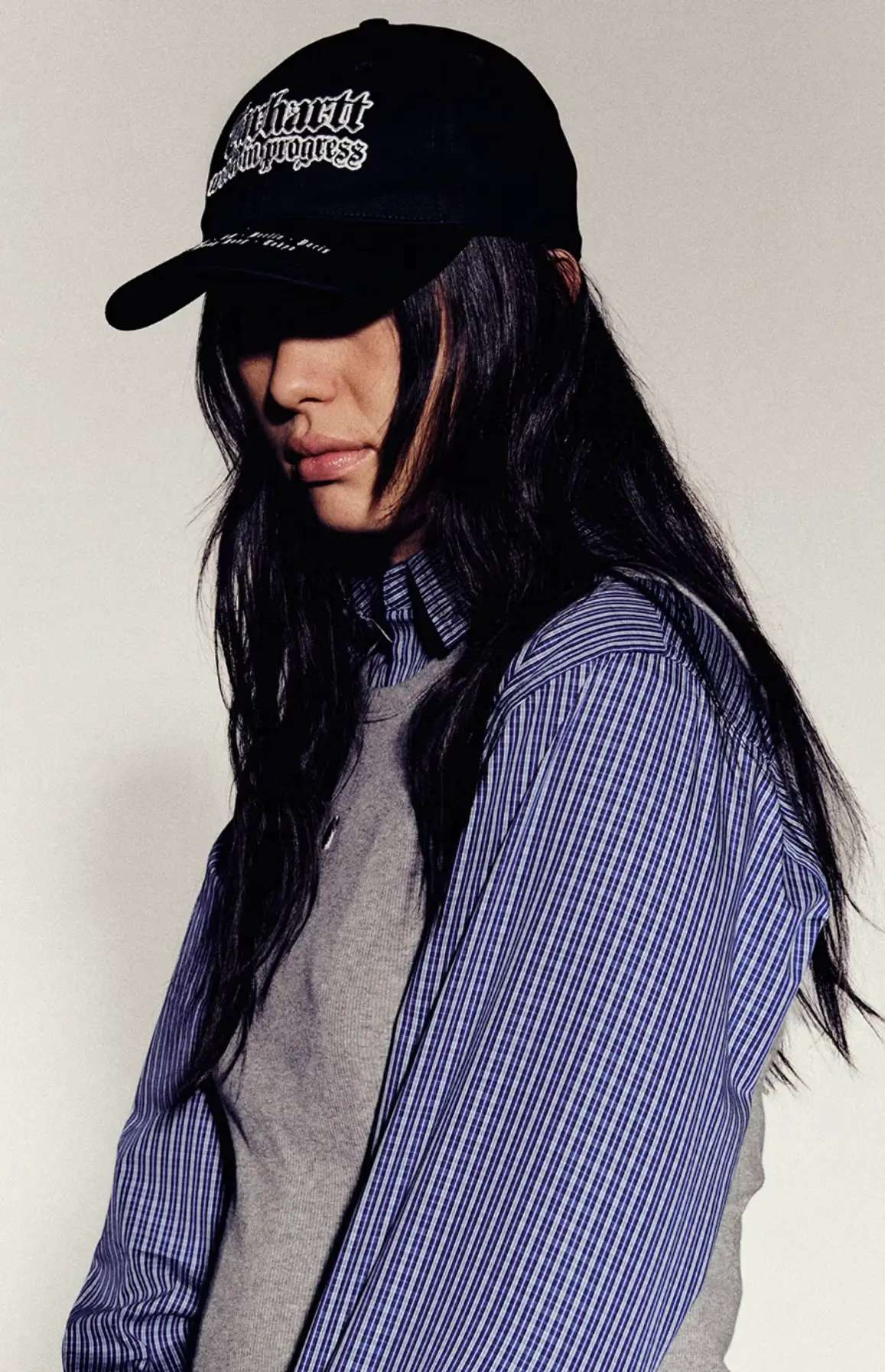
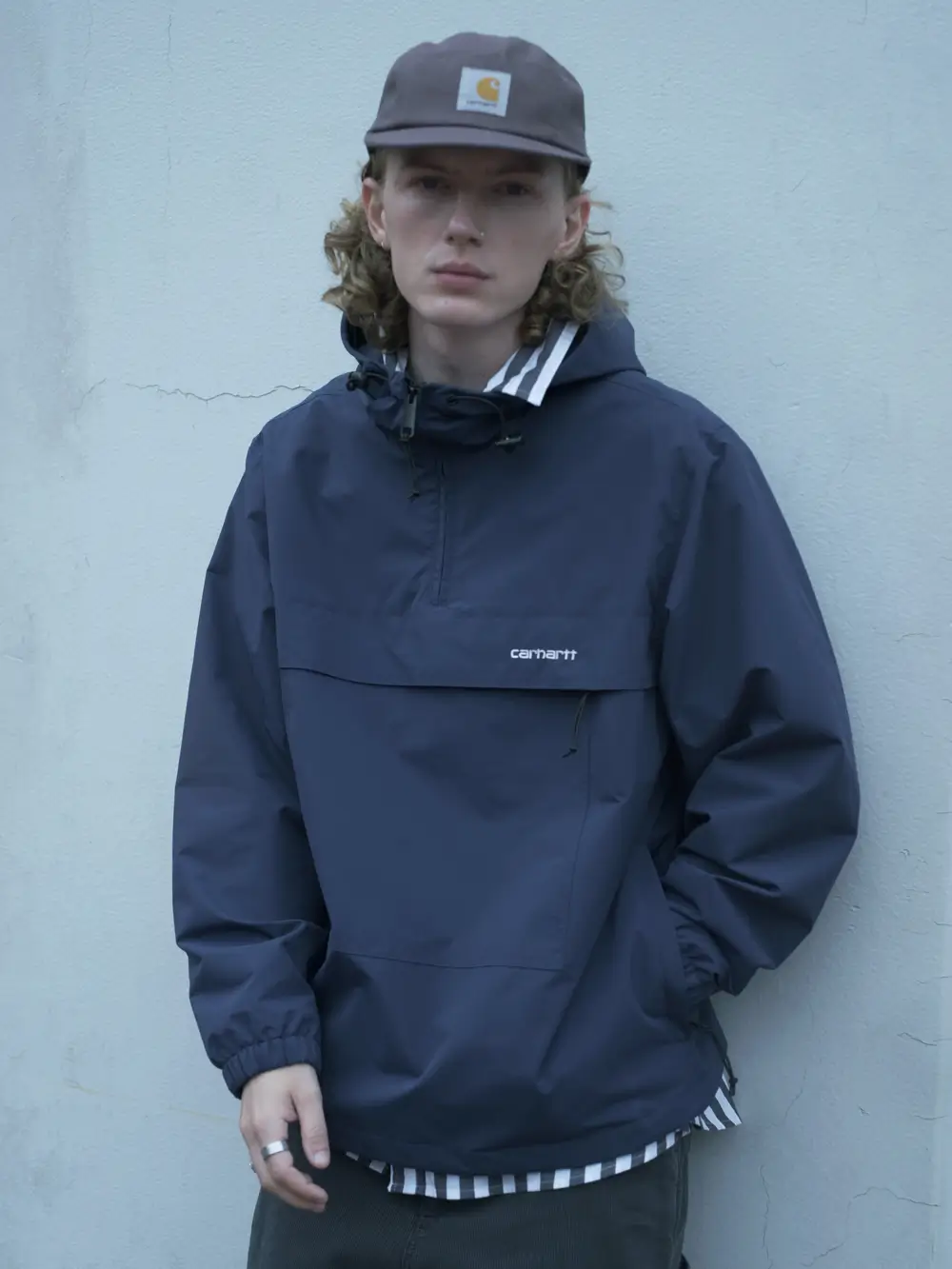
Carhartt WIP blends classic Americana with modern streetwear through a layered look featuring a signature logo cap, striped shirting, and a minimalist knit vest, finished with understated editorial styling.
settle
“Still Here After Rain” arrives as part of a broader run of Spring/Summer 2026 editorial content Carhartt WIP has rolled out across different markets and creative teams throughout the season. Elsewhere in the same delivery cycle, the brand’s SS26 collection has been documented in Thailand by director Bing Cao and photographer Chayanee Choedsuk, and across New York City by photographer Zander Taketomo, with each story taking a distinct geographic and visual approach to the same underlying seasonal collection. Across those releases, Carhartt WIP has described the season as moving through core Icons and uniform-inspired staples alongside bolder allover-print shirts and graphic tees— a range broad enough to support the very different visual treatments each regional editorial has given it.
That approach — commissioning multiple, geographically distinct editorials around a single seasonal collection rather than one global campaign — has become a consistent part of how Carhartt WIP handles its storytelling in recent years, allowing the brand to lean into different creative scenes and subcultures across its various markets rather than flattening them into one unified global image. The brand’s own retrospective publishing, including its 2023 book The Carhartt WIP Archives, has explicitly framed this kind of regional variation as central to the label’s identity, tracing its influence across Detroit, Berlin, Paris, and Tokyo as distinct creative touchpoints rather than a single homogenous brand story.
Set against that backdrop, GRIND’s Japan-market take distinguishes itself by leaning into atmosphere and a large ensemble cast rather than a single location’s sense of place. Where the Thailand story trades on “rural stillness and the hazy glow of the city at dusk,” and the New York story moves through the city’s own core-versus-graphic tension, “Still Here After Rain” sits closer to a mood study — less about where the collection is being worn, and more about the feeling of having weathered something and come out the other side of it, which the title itself gestures toward directly.
occur
This isn’t the first time GRIND and Carhartt WIP’s Japan office have worked together on a seasonal editorial built around the same creative team. A comparable feature ran in GRIND’s Vol. 112 issue, on sale in Japan from 28 April 2026, credited to an identical lineup — Matsumoto on photography, Hattori on styling, Miyamoto on hair and makeup, and the same twelve-name model cast, edited by Kawada. That overlap suggests “Still Here After Rain” functions as a companion piece or online extension of that print feature, extending the same shoot’s material into GRIND’s digital fashion coverage roughly two months after the magazine issue itself went on sale.
For Carhartt WIP’s Japan operation specifically, that kind of repeated collaboration with a single, consistent creative team across both print and digital placements reflects a broader pattern in how the brand approaches its Japan-market storytelling: rather than commissioning a new photographer and stylist for every touchpoint, key seasonal drops get built out through a small number of trusted collaborators, giving the brand’s Japan-facing editorial identity a more consistent visual signature than a typical multi-editorial rollout might produce elsewhere. It’s also a reasonably efficient model for a magazine like GRIND, which built its identity on treating streetwear staples with the same seriousness other titles might reserve for luxury runway coverage: reusing a shoot’s material across both a physical issue and a later digital feature stretches a single, carefully considered production across two distinct reader touchpoints, months apart, without diluting the consistency of how the collection is presented.
Taken together, “Still Here After Rain” reads less like a standalone marketing moment and more like one instalment in an ongoing, quietly consistent editorial relationship — the kind of long-running creative partnership that print-driven Japanese fashion magazines have specialised in for decades, long before “content” became the industry’s default word for this sort of work.
fin
Part of what makes this kind of shh, atmosphere-driven editorial treatment work for Carhartt WIP specifically is the brand’s own history of being reinterpreted rather than simply worn as-is. Carhartt WIP was established in 1994 as a European licensing arm of the American workwear brand Carhartt, founded in Detroit in 1889 by Hamilton Carhartt to outfit railroad and mine workers with durable brown duck coats. Carhartt WIP — Work in Progress — was set up by Swiss designers Edwin and Salomée Faeh, who took that same rugged American workwear and filtered it through European skate, techno, and streetwear scenes, eventually growing the label into an internationally recognised name entirely distinct from its parent company’s continued focus on functional workwear for tradespeople.
That dual identity — one brand still making clothing tested against wind, cold, and wear for people who need it to perform, the other treating the same visual vocabulary as raw material for fashion storytelling — has always given Carhartt WIP’s editorial content a slightly different job to do than a typical streetwear label’s campaign imagery. Where many contemporary brands build campaigns around a single strong concept or celebrity face, Carhartt WIP’s editorial history, whether in a Rizzoli-published archive book or a GRIND magazine feature, has tended to foreground place, mood, and collaborators over any singular hook — a tendency “Still Here After Rain” fits comfortably within, right down to a title that describes a feeling rather than naming a place, a product, or a person.
From the DRIFT archive: Y-3 Sets the Tone for Its Spring/Summer 2026 Collection · Eastpak Courts Culture: Inside the Brand’s Global With the NBA
Related Articles
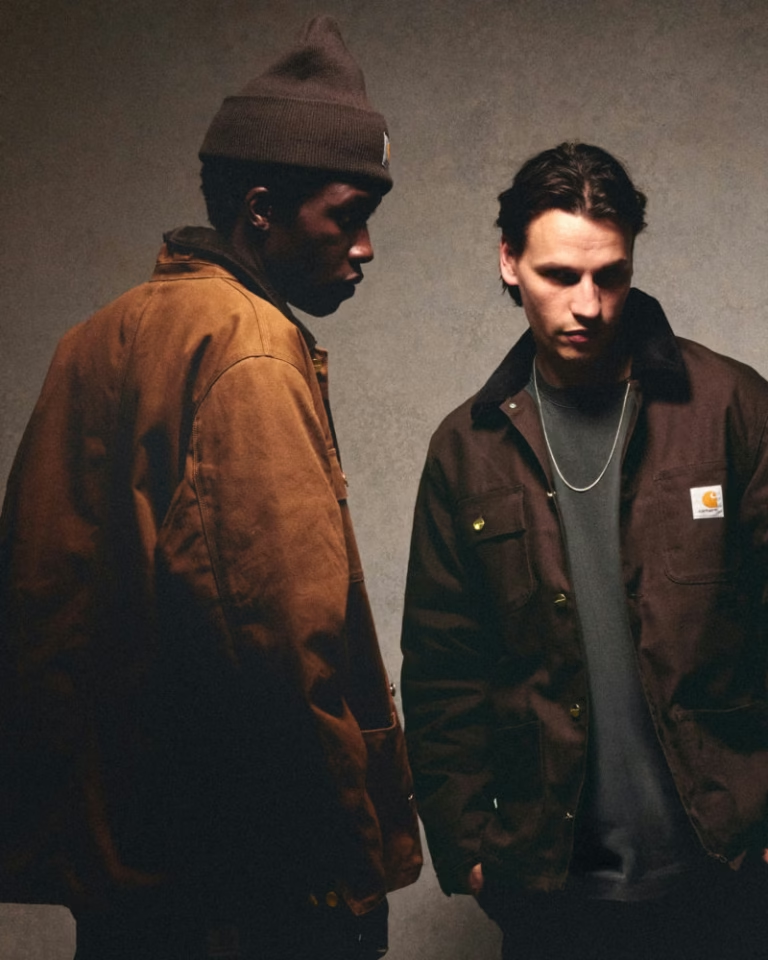
Carhartt WIP Icons Keep The Same Bones, Change The Dirt On Them
FW 2026 Icons stay on 12 oz Dearborn Canvas and denim. Double Knee, Single Knee, […]