Intellivision: The Forgotten Rival To Artari And Its Impression On Gaming Industry Origins

November 13, 2024
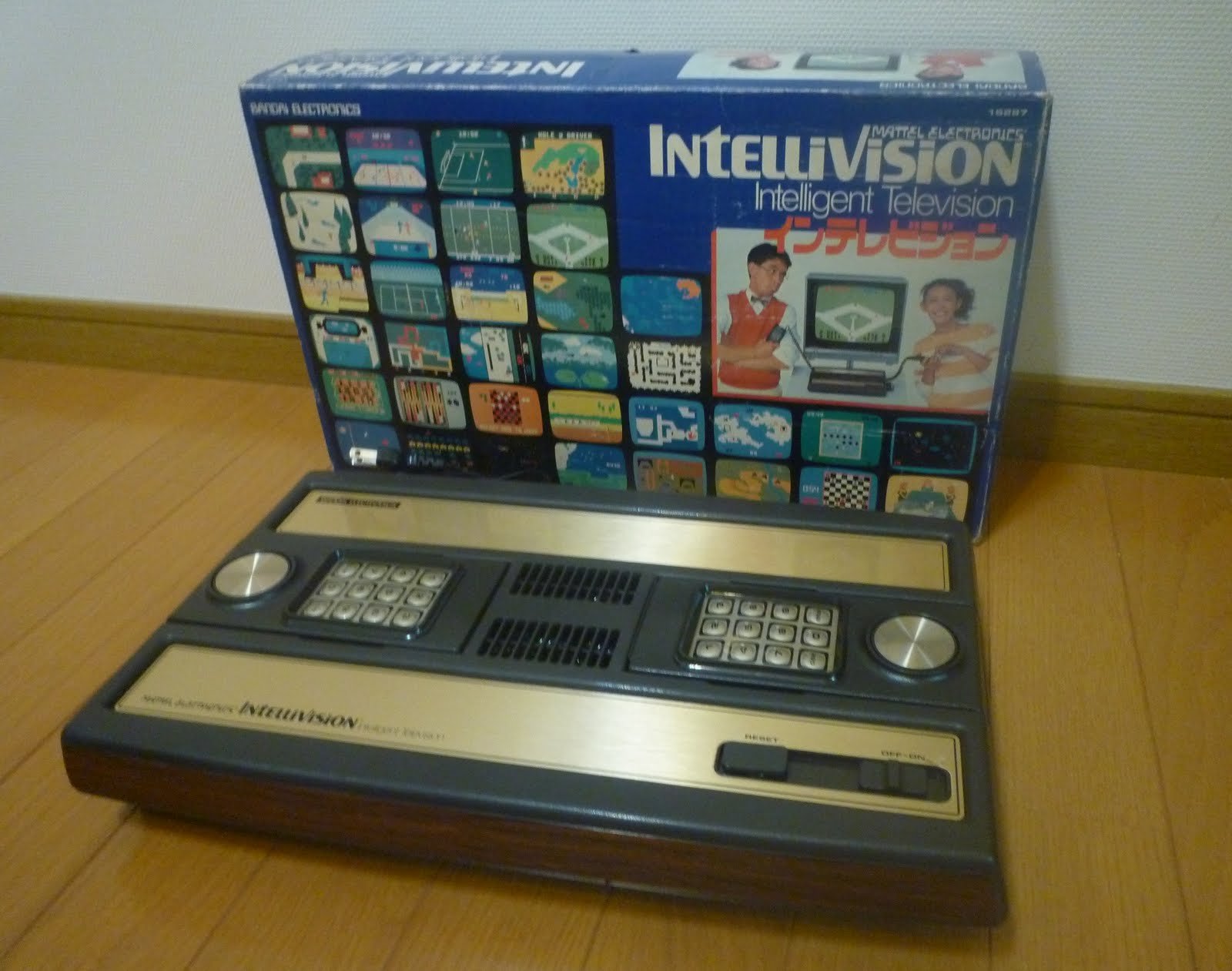
Exploring the history of Intellivision reveals a fascinating chapter in the early days of the video game industry, marked by intense competition, groundbreaking innovation, and unexpected alliances. Launched in the late 1970s by Mattel Electronics, Intellivision was the first major competitor to Atari, pioneering concepts and features that set it apart in the rapidly evolving market of home gaming consoles. Intellivision’s journey reflects the vision and ambition of an era where gaming technology was still in its infancy but already showed immense potential for entertainment and cultural impact.
The Birth of Intellivision: Mattel Enters the Gaming Arena
Mattel Electronics, a division of Mattel, Inc., was primarily known for its successful toy lines, most notably Barbie. Recognizing the rising popularity of video games and the success of Atari’s VCS console, Mattel sought to expand its influence from toys into electronic entertainment. The result was Intellivision, short for “Intelligent Television,” which was released in 1979 and widely available by 1980. Unlike other toys from Mattel, Intellivision was a sophisticated piece of technology designed to bring the arcade experience into the living room.
Intellivision was ambitious in its marketing and technological approach. While Atari had dominated the market with its VCS (later renamed the Atari 2600), Intellivision positioned itself as a superior, higher-end alternative. Mattel marketed Intellivision as the more intelligent choice for gamers, focusing on graphics and sound quality that were notably superior for the time. Intellivision’s games boasted better graphics and more complex gameplay, thanks to its 16-bit processor—a rarity in the era of 8-bit systems. The advertising strategy revolved around a “head-to-head” competition with Atari, showcasing how Intellivision’s capabilities outshone its rival in direct comparisons.
Technological Innovations: Setting a New Standard
Intellivision wasn’t just a marketing gimmick; it introduced several technological advancements that helped shape the future of gaming. Its 16-bit CPU, the GI CP1610, enabled more detailed graphics and smoother gameplay than Atari’s hardware could manage. The console also had a unique controller with a directional disc and a numeric keypad, allowing for more complex game commands. This controller became one of Intellivision’s defining features, despite its polarizing reception among players, some of whom found it clunky and unintuitive.
Intellivision’s library of games also demonstrated its ambition. Sports games like Major League Baseball and NFL Football showcased its superior graphics and were popular among players who enjoyed more realistic game experiences. The company even partnered with Major League Baseball and the National Football League to use official team names and logos, a first in video game licensing. This gave Intellivision a unique edge over Atari, which lacked such authentic representations in its games.
Another innovation was Intellivision’s IntelliVoice module, introduced in 1982. This peripheral enabled voice synthesis, adding spoken dialogue to games—a feature unheard of at the time. While only a handful of games used IntelliVoice, the concept hinted at the future of interactive gaming, foreshadowing voice acting and narration in modern games. Although the IntelliVoice module did not see widespread success, it exemplified Mattel’s willingness to push boundaries and experiment with new ideas.
The Console Wars: Intellivision vs. Atari
The rivalry between Intellivision and Atari was one of the first “console wars” in gaming history. Atari, already a household name, had the advantage of brand recognition, while Intellivision had a technical edge. To combat Atari’s stronghold, Mattel used aggressive advertising, even hiring actor George Plimpton to star in comparative commercials that highlighted Intellivision’s superior graphics.
The competitive atmosphere drove both companies to innovate and expand their game libraries, giving players more options and variety. While Atari remained the dominant player, Intellivision carved out a niche for itself among gamers who valued graphical fidelity and realistic sports games. This rivalry not only shaped the trajectory of both companies but also set a precedent for competition in the gaming industry, influencing future battles between brands like Nintendo and Sega, and later, PlayStation and Xbox.
Intellivision’s Foray into Non-Gaming Markets
Interestingly, Mattel also envisioned Intellivision as more than just a gaming console. With its keypad controller and potential for software expansion, the company positioned Intellivision as a home computer system in a bid to rival systems like the Apple II and the IBM PC. Mattel released the Intellivision Keyboard Component in 1981, promising to turn the console into a fully functional computer capable of word processing, programming, and data storage.
Unfortunately, the Keyboard Component was plagued with technical issues and delays, damaging Intellivision’s reputation. Mattel eventually abandoned the Keyboard Component, leading to a Federal Trade Commission investigation due to misleading advertising claims. This failure highlighted the limitations of Mattel’s ambitions in the computing space, and the company shifted its focus back to gaming.
Despite this setback, Intellivision continued to explore the potential of non-gaming applications with the release of the Entertainment Computer System (ECS) in 1983. The ECS was a simplified, more affordable computer add-on that allowed basic programming and expanded the console’s game library. While the ECS did not revolutionize the market, it demonstrated Intellivision’s commitment to versatility, a quality that would later become crucial in gaming consoles capable of multimedia functions.
The Collapse of the Video Game Market
While Intellivision was a strong competitor in the early ’80s, the video game industry was rapidly approaching a crisis. The market became oversaturated with consoles and low-quality games, leading to the 1983 video game crash. Mattel, like many companies, was hit hard by the downturn, and the financial strain forced Mattel Electronics to shut down in 1984. The Intellivision brand and its assets were sold to a group of former employees, who continued to produce games and support the console under a new company, Intellivision Inc.
This period of industry decline led to a significant re-evaluation of video game quality and distribution. While the crash ultimately contributed to Intellivision’s downfall, it also paved the way for the rise of Nintendo and the re-establishment of video gaming as a credible form of entertainment in the latter half of the decade. Although Intellivision couldn’t survive the crash, its contributions to gaming technology and culture remained influential.
Legacy and Influence: How Intellivision Changed Gaming
Intellivision’s impact on the gaming industry is undeniable. It introduced several concepts that would become standards in the industry, from licensed sports games to voice synthesis. Its role in the first console war with Atari set a precedent for brand rivalry that continues to drive innovation and competition. Even its missteps, such as the Keyboard Component, were early attempts to expand the scope of gaming consoles beyond entertainment, foreshadowing modern multifunctional systems.
The console’s distinctive controller, while controversial, influenced future controller designs, especially those incorporating numeric pads or multiple buttons for complex inputs. Moreover, the use of licensed sports games on Intellivision laid the groundwork for modern sports franchises like Madden NFL and FIFA, which continue to dominate the industry.
Intellivision’s influence also persists through its continued presence in retro gaming communities. Emulators and fan communities have kept its library of games alive, allowing new generations to experience the innovations of early home gaming. In recent years, there has even been an attempt to revive the brand with the Intellivision Amico, a modern reimagining of the original console designed to bring family-friendly gaming back into living rooms. This revival highlights the enduring appeal of Intellivision’s philosophy of intelligent, engaging gameplay.
Intellivision’s Place in Gaming History
Intellivision’s journey from a Mattel Electronics project to a beloved piece of gaming history captures the excitement, ambition, and challenges of the early video game industry. While it never achieved the widespread success of Atari, Intellivision made a significant mark by pioneering technologies and gameplay experiences that were ahead of its time. It provided gamers with richer, more complex games and helped set standards for the industry in graphics, licensing, and control design.
For fans and historians, Intellivision represents a period when video games were still new and full of potential. Its story reflects the spirit of innovation and competition that defined the early gaming industry and serves as a reminder of the creativity and ambition that continue to drive the medium forward. As modern gamers look back on the roots of console gaming, Intellivision stands as a testament to the ingenuity and resilience of an era that laid the foundation for today’s video game landscape.
Related Articles

France Just Banned Social Media for Kids Under 15, and the Fight Over Anonymity Is Only Getting Started
France becomes the first EU nation to bar under 15s from social platforms, and critics […]