DRIFT AUDIO
Listen to this story
Choose a voice, then press play.
In This Story
- A Tribute Five Years in the Making
- Who Was Ken Shimura
- The Portrait Behind the Collection
- Inside the Collection
- Release Details and Where to Buy
- Why This Collaboration Landed So Well
- A Note on Legacy
stir
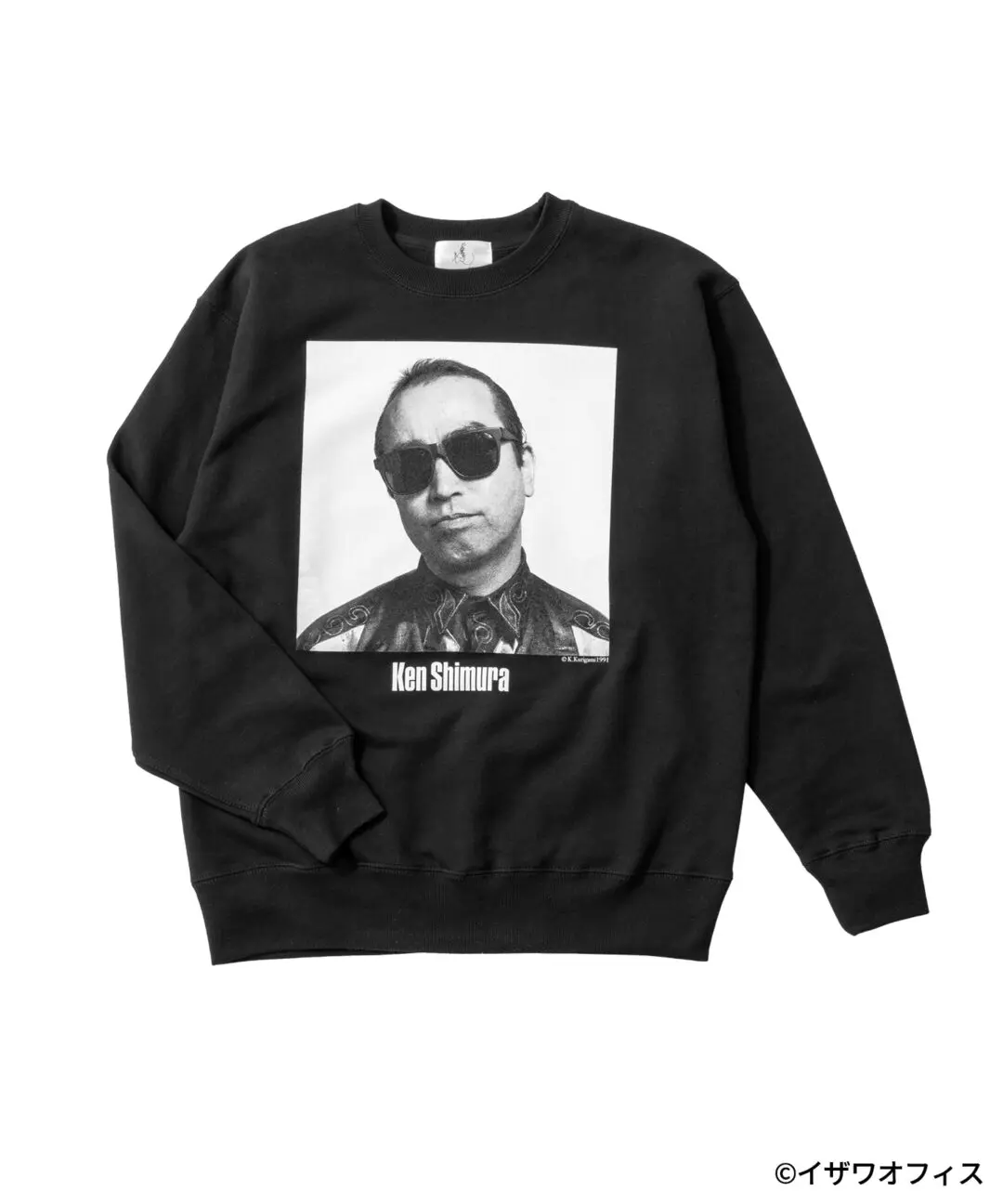
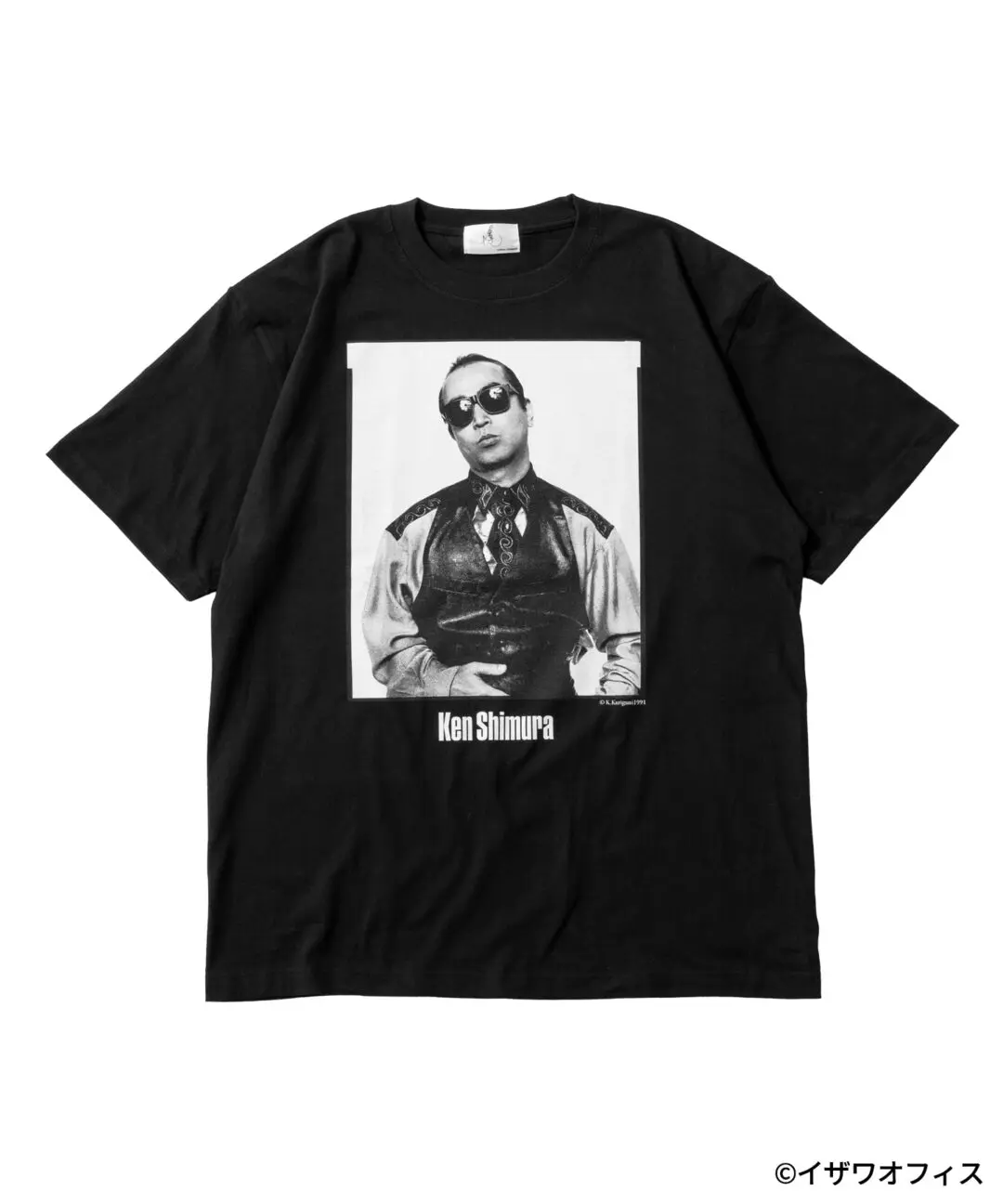
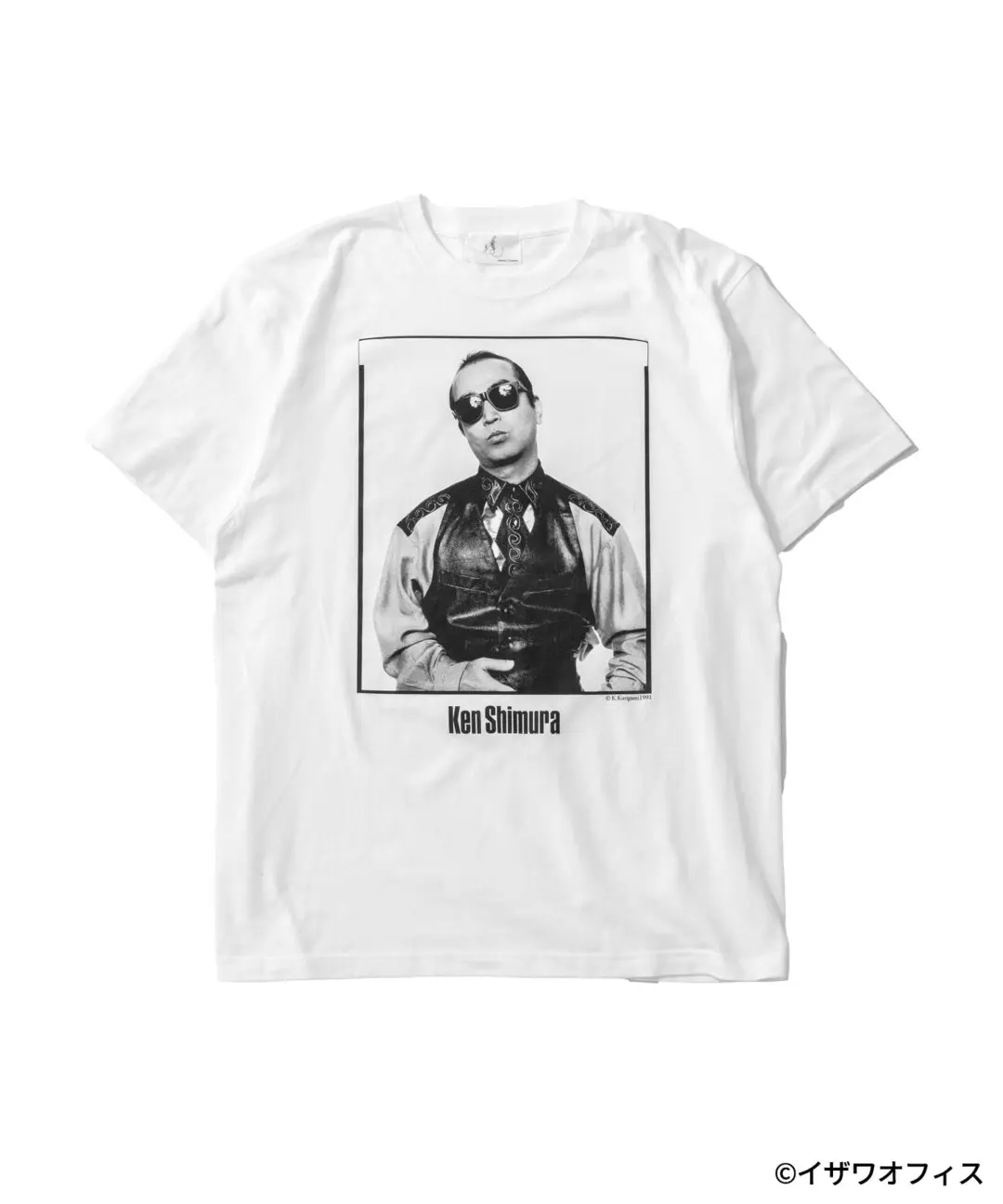
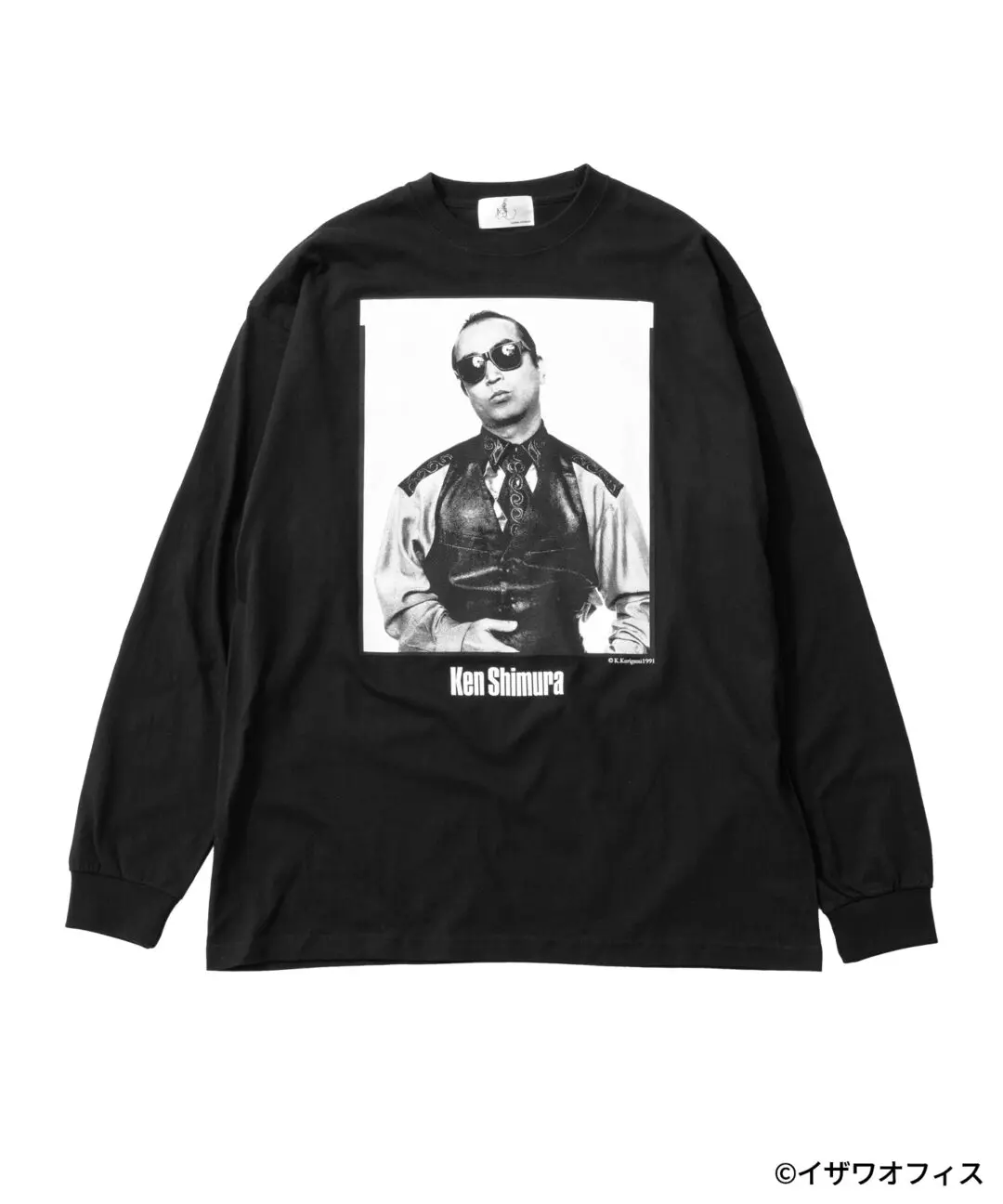
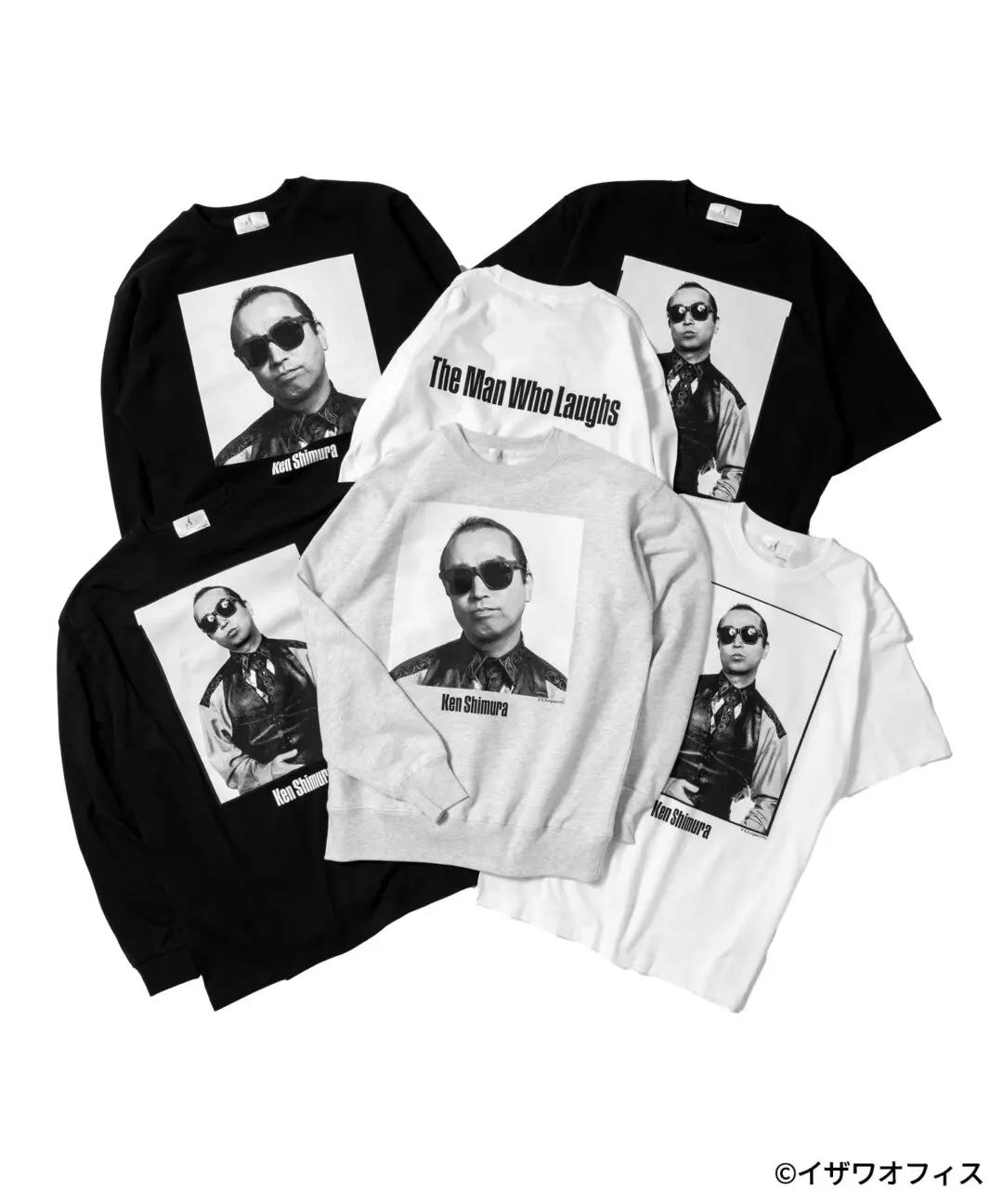
JOURNAL STANDARD, the Baycrew’s-operated Japanese select shop known for running collides across music, sports, and pop culture, used its January 2025 lineup to do something it had never done before: partner directly with the family and estate of comedian Ken Shimura. The result is a tightly edited three-piece collection — a T-shirt, a long-sleeve T-shirt, and a crewneck sweatshirt — built entirely around a single striking portrait of Shimura taken more than three decades ago.
It’s the kind of release that reads differently depending on who’s looking at it. To an international streetwear audience, it might land as a graphic tee built around a striking black-and-white photograph. To Japanese shoppers who grew up watching Shimura on Saturday night variety television, it’s something closer to a memorial — JOURNAL STANDARD’s way of marking five years since the country lost one of its most beloved entertainers.
who
Born Yasunori Shimura in Higashimurayama, a western suburb of Tokyo, on February 20, 1950, Ken Shimura built his career inside The Drifters, the comedy band and variety troupe that dominated Japanese television through the 1970s and ’80s. He joined the group in 1974, replacing original member Chū Arai, and quickly became its breakout star. The Drifters’ flagship show, “Hachiji Dayo! Zen’in Shūgō” (“It’s 8 O’Clock! Let’s All Get Together”), regularly pulled viewership above 40%, with some broadcasts reportedly cresting above 50% — numbers that are almost unthinkable in any country’s television landscape today.
After the show ended in 1985, Shimura built an independent career around a handful of recurring characters that became cultural shorthand in Japan: “Baka Tono-sama,” a foolish feudal lord who let Shimura gently satirize company presidents, politicians, and other authority figures under the cover of slapstick; and “Henna Oji-san,” a lecherous, oddball uncle figure played strictly for absurdist laughs. He later co-hosted “Kato-chan Ken-chan Gokigen TV” with fellow Drifters member Cha Katō, a home-video clip show that predated — and arguably inspired the format of — “America’s Funniest Home Videos.” In his later years, Shimura also hosted the long-running nature program “Tensai! Shimura Dōbutsuen,” which continued airing tribute episodes after his death.
Shimura died on March 29, 2020, after being hospitalized with severe pneumonia and testing positive for COVID-19 — making him the first prominent figure in Japanese entertainment to publicly disclose a COVID-19 diagnosis during the early pandemic. At the time of his hospitalization, he had just been cast in his first leading film role and was scheduled to carry the Olympic torch ahead of the (later postponed) 2020 Tokyo Games. His death hit particularly hard in Japan, both for its suddenness and for how directly it underscored the pandemic’s threat to a country that, until then, had largely watched the crisis unfold from a distance. Tributes poured in from well beyond Japan’s borders, including a public statement from Taiwan’s president thanking Shimura for the laughter he’d brought to audiences outside Japan as well.
flow
The image anchoring the entire collection isn’t a publicity still or a TV screenshot — it’s a 1991 portrait shot by Kazumi Kurigami, one of Japan’s most respected commercial and fine-art photographers. Born in 1936 in Furano, Hokkaido, Kurigami built a five-decade career shooting advertising campaigns, magazine covers, and portraits of major Japanese cultural figures, from musicians to actors to athletes. His photo books, including “Diary 1970–2005” and “PORTRAIT,” are considered landmark works in Japanese commercial photography, and he’s continued shooting prominent subjects well into his eighties.
That pedigree matters here. Rather than leaning on a comedic still from one of Shimura’s variety sketches, JOURNAL STANDARD chose a portrait that captures him with unusual gravity — a side of Shimura that audiences who only knew him as “Baka Tono-sama” or the swan-headstrap-wearing “Henna Oji-san” rarely got to see on television. It’s a choice that recasts the collection’s framing entirely: less a nostalgia cash-in on familiar bits, and more a statement about Shimura as a serious performer and cultural figure in his own right.
in
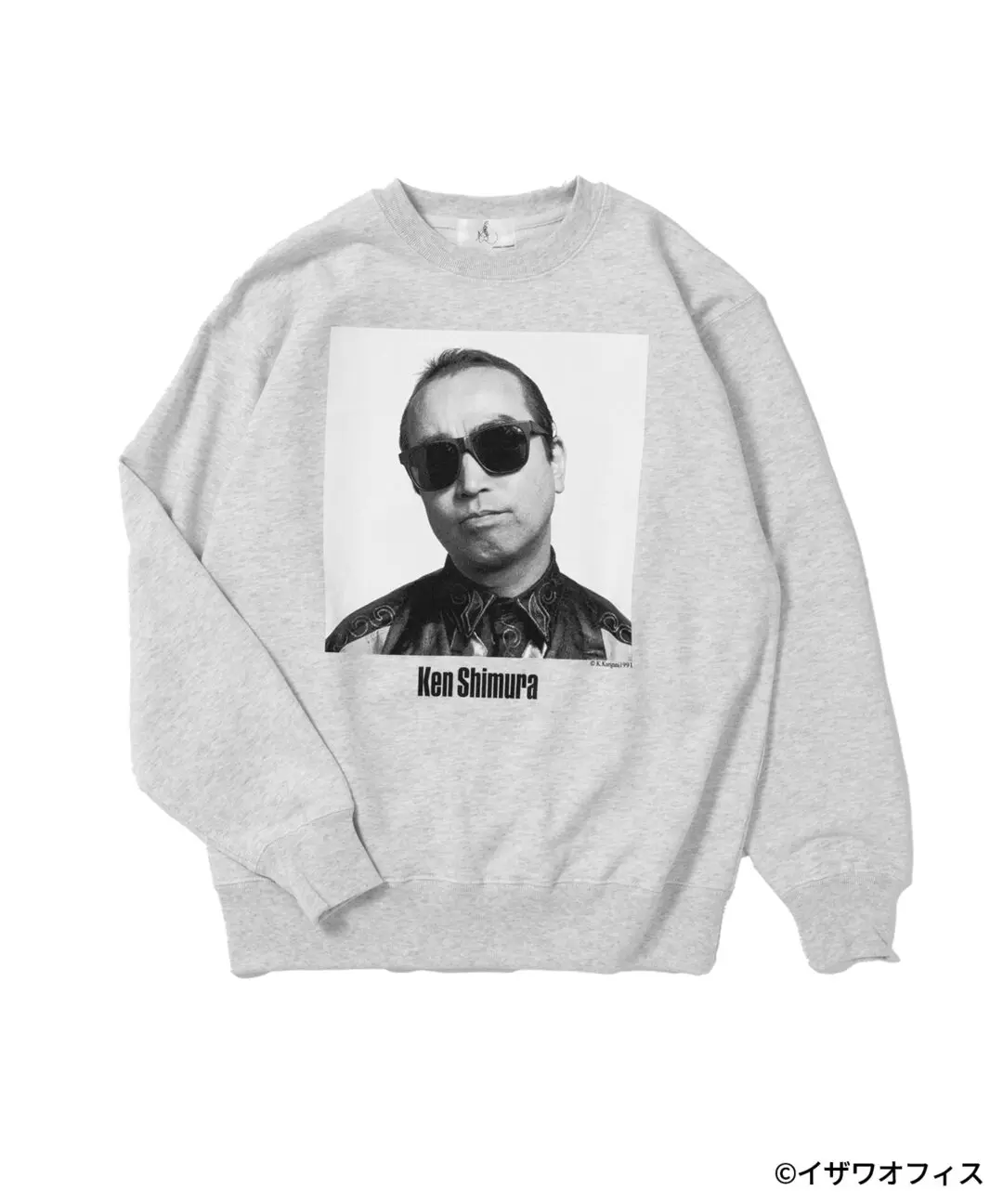
The collection keeps things deliberately simple. All three pieces are built in a monotone black-or-white palette, letting the Kurigami portrait do the visual work:
- T-Shirt — (tax included), available in Black and White, sizes S–XL
- Long Sleeve T-Shirt — (tax included), available in Black and White, sizes S–XL
- Crew Neck Sweatshirt — (tax included), available in Black and White, sizes S–XL
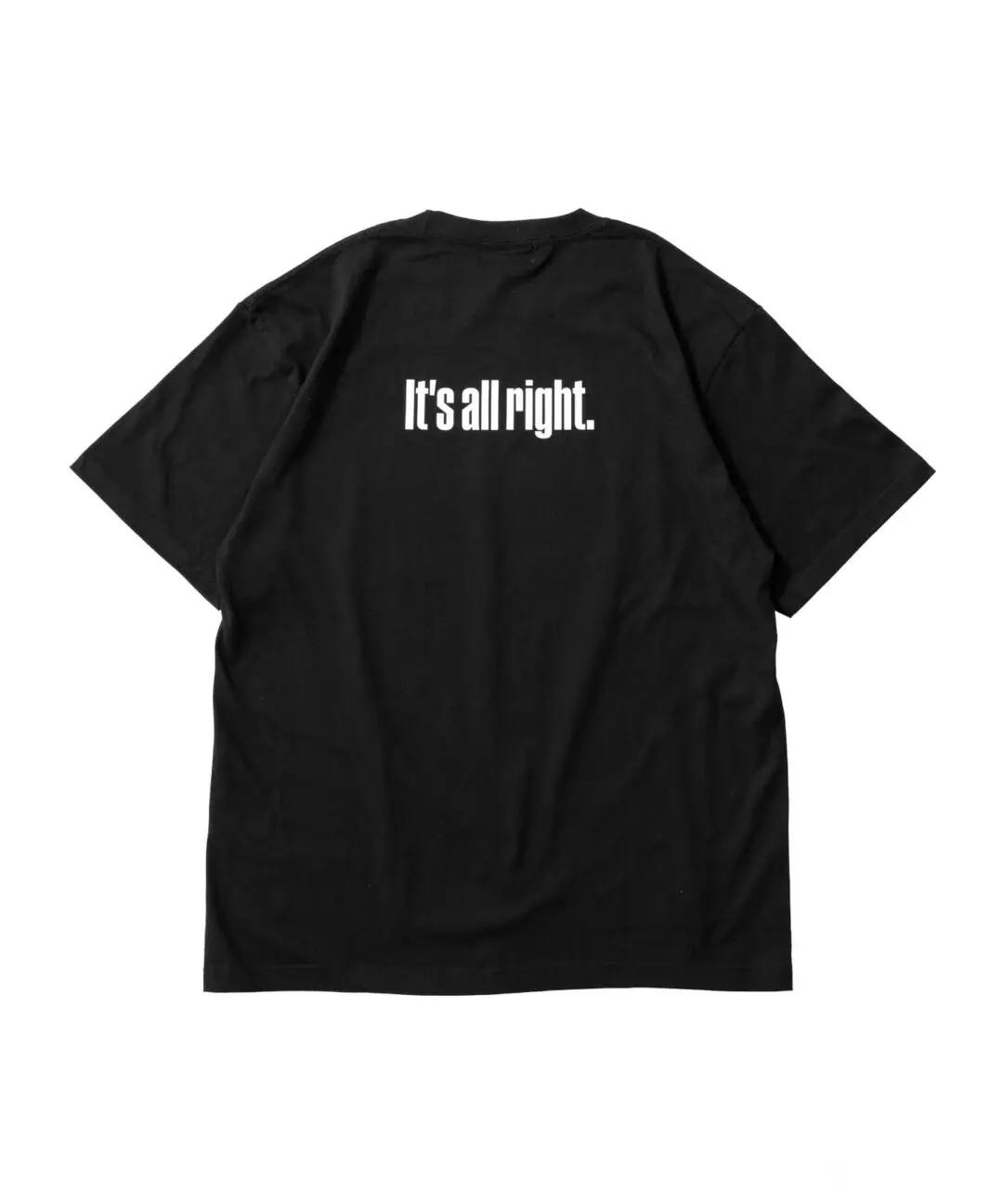
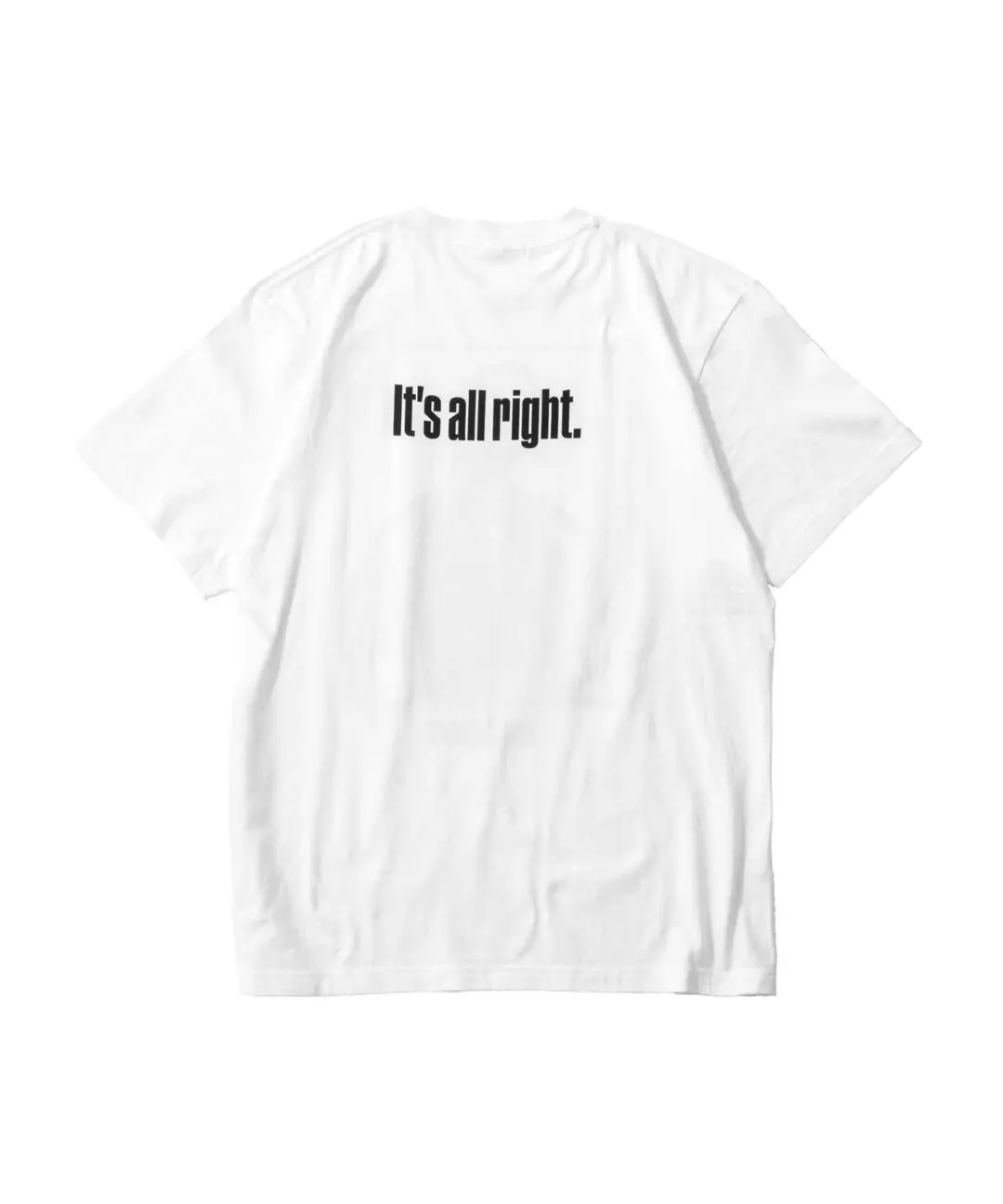
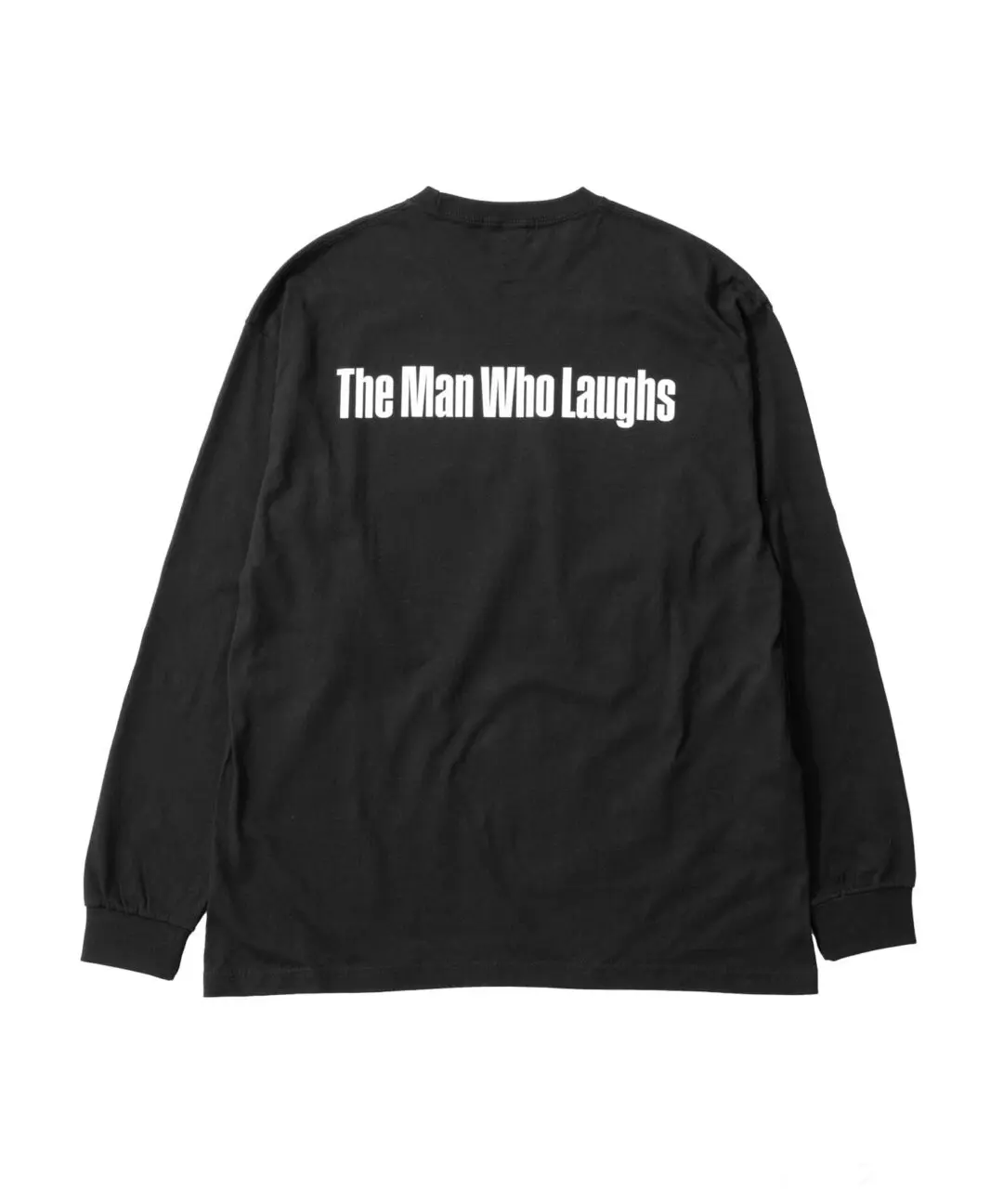
Each piece places the 1991 portrait front and center, paired with a “Ken Shimura” name logo treated like a tour-merch wordmark rather than a typical Japanese variety-show graphic. The back of each garment carries two short text treatments: “It’s all right” and “The Man Who Laughs” — phrases that read as a quiet nod to Shimura’s range as a performer, capable of both broad physical comedy and the kind of expressive stillness captured in Kurigami’s photograph.
There’s no logo soup, no collaged collage of catchphrases, no attempt to cram in references to every character Shimura ever played. The restraint is the point: this isn’t merchandise built to cash in on nostalgia bits, it’s apparel built around a single image strong enough to carry the whole collection on its own.
rel
JOURNAL STANDARD opened pre-orders for the collection on December 28, 2024, through Baycrew’s official online store, ahead of a full nationwide release on January 19, 2025. At launch, the collection was available both online and at JOURNAL STANDARD’s physical locations across Japan, with stores in cities including Tokyo (Omotesando), Ikebukuro, Machida, Kyoto, Fukuoka, Sapporo, Nagoya, Osaka, and Hiroshima all carrying the line.
The collection performed well enough that JOURNAL STANDARD greenlit a limited additional production run later in 2025, with the T-shirt, long-sleeve, and crew sweat all returning briefly for restock through Baycrew’s online channels, including ZOZOTOWN and Rakuten Fashion. As of this writing, availability is limited to those restock windows and resale.
It’s worth noting upfront for international readers: this is a Japan-exclusive release through Baycrew’s retail network, with no indication of a wider international rollout. Anyone outside Japan hoping to track it down will likely need to go through a proxy shopping service or secondary resale market.
huh
JOURNAL STANDARD has a long track record of building collaborations around photography and pop culture references rather than pure logo-slapping — past collections have included a Red Hot Chili Peppers photo tee shot by rock photographer Ross Halfin, a Star Wars capsule, and a long-running relationship with Yoshimoto Shinkigeki, the Osaka-based comedy theater company, for its 60th anniversary. The Shimura collection fits squarely into that pattern: a brand willing to treat a single well-chosen image as the entire creative concept, rather than building out elaborate co-branded graphics.
That approach also explains why the collection resonated as strongly as it did in the Japanese market. Shimura’s death came at a moment of acute national anxiety — the early days of Japan’s COVID-19 outbreak — and the abruptness of losing such a fixture of communal, multi-generational television viewing left a particular kind of grief that hadn’t had much of an outlet in consumer culture since. A T-shirt built around a serious, dignified 1991 portrait — rather than a goofy character still — gave fans a way to honor that loss without trivializing it.
There’s also a gen layer worth noting. Shimura’s core audience grew up watching him on broadcast television in an era before streaming fragmented Japan’s viewing habits; many of the people picking up this collection in 2025 are decades removed from the demographic JOURNAL STANDARD typically targets with its more fashion-forward collaborations. That cross-gen pull — pairing a select-shop brand known for design-forward basics with an entertainer who peaked in the disco era — is part of what made this collision feel notable within Japan’s retail press coverage at the time, rather than just another seasonal capsule.
note
Five years on from Shimura’s death, “Tensai! Shimura Dōbutsuen,” his long-running animal variety show, has continued to air retrospective and tribute episodes rather than simply ending outright — a small but telling sign of how reluctant Japanese broadcasters and audiences have been to let go of his presence on screen. The JOURNAL STANDARD collection sits in that same space: not a costume-shop nostalgia grab, but a considered, photography-led tribute to a performer whose career spanned five decades and whose loss is still felt clearly in Japan’s culture memory.
For anyone tracking how Japanese fashion brands handle collides with deceased culture figures — a genre that requires real care to avoid feeling exploitative — this is a useful case study in doing it with restraint: one photograph, three garments, no overreach.