DRIFT AUDIO
Listen to this story
Choose a voice, then press play.
In an era where streetwear conditions often feel like algorithmic afterthoughts, the Mister Cartoon for Tokyo Sushi Club collection lands with unusual weight. Launched April 30, 2026, at 8am PT, it sold through rapidly and continues to echo weeks later—not purely through scarcity, but through the quiet authority of its execution.
View this post on Instagram
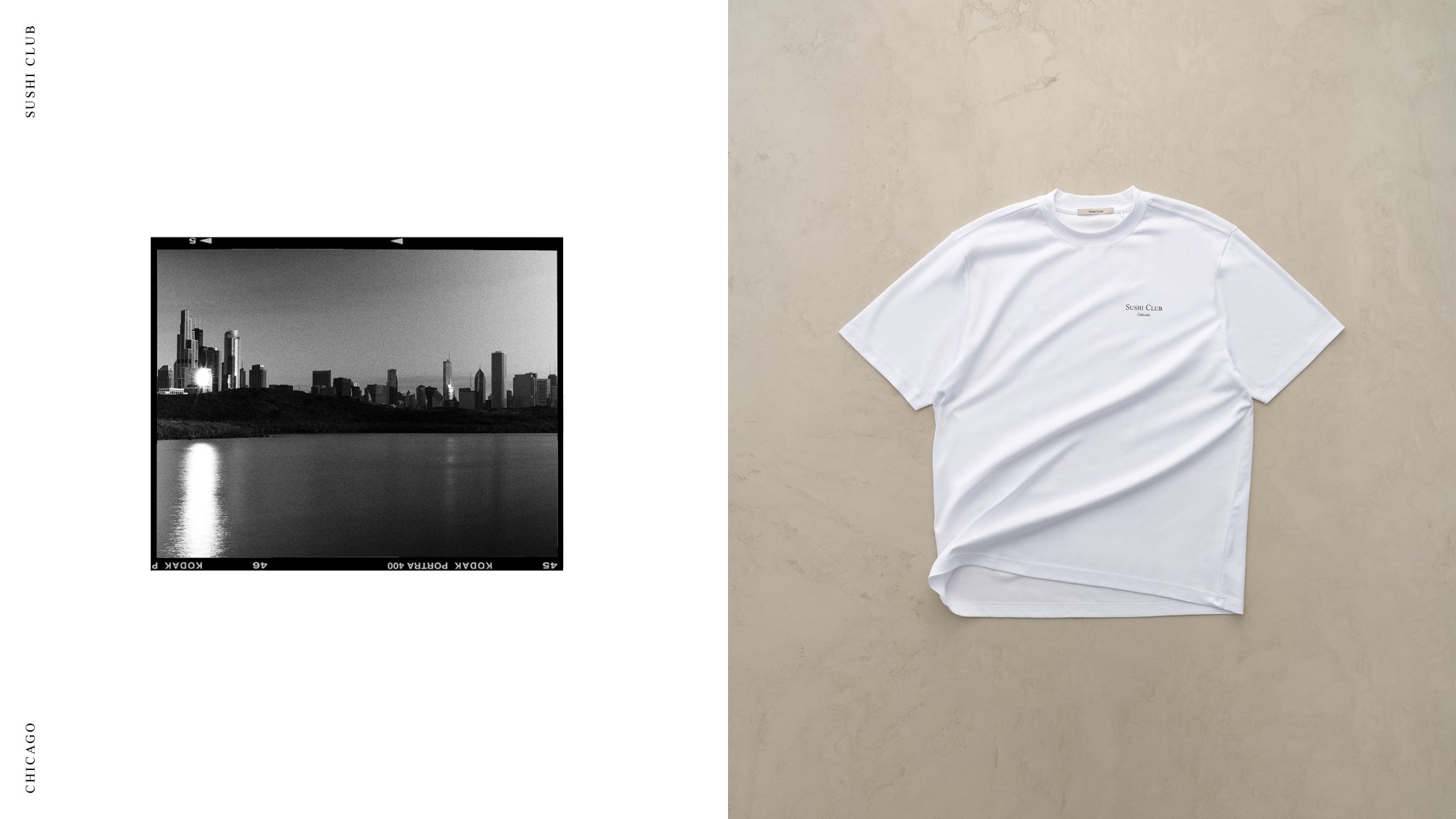
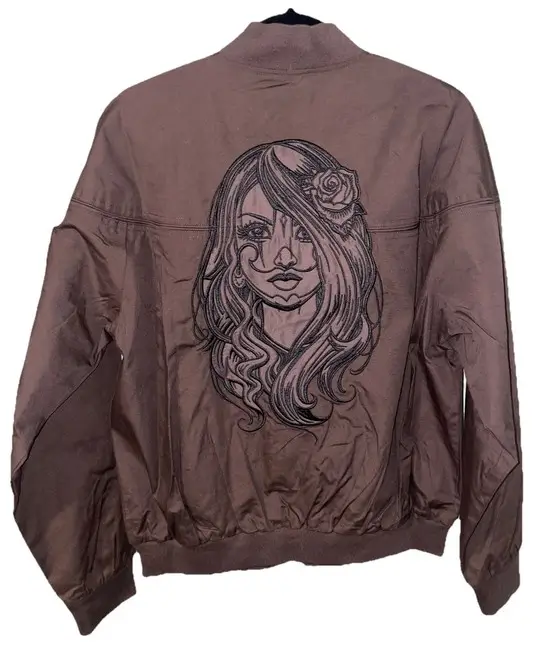
The pieces themselves embody a considered dialogue: Mister Cartoon’s heavy black-and-grey Chicano lowrider and tattoo lineage meeting Tokyo Sushi Club’s refined, hospitality-driven aesthetic. The result isn’t loud merch but wearable artifacts that feel passed between studios and cities.
collect
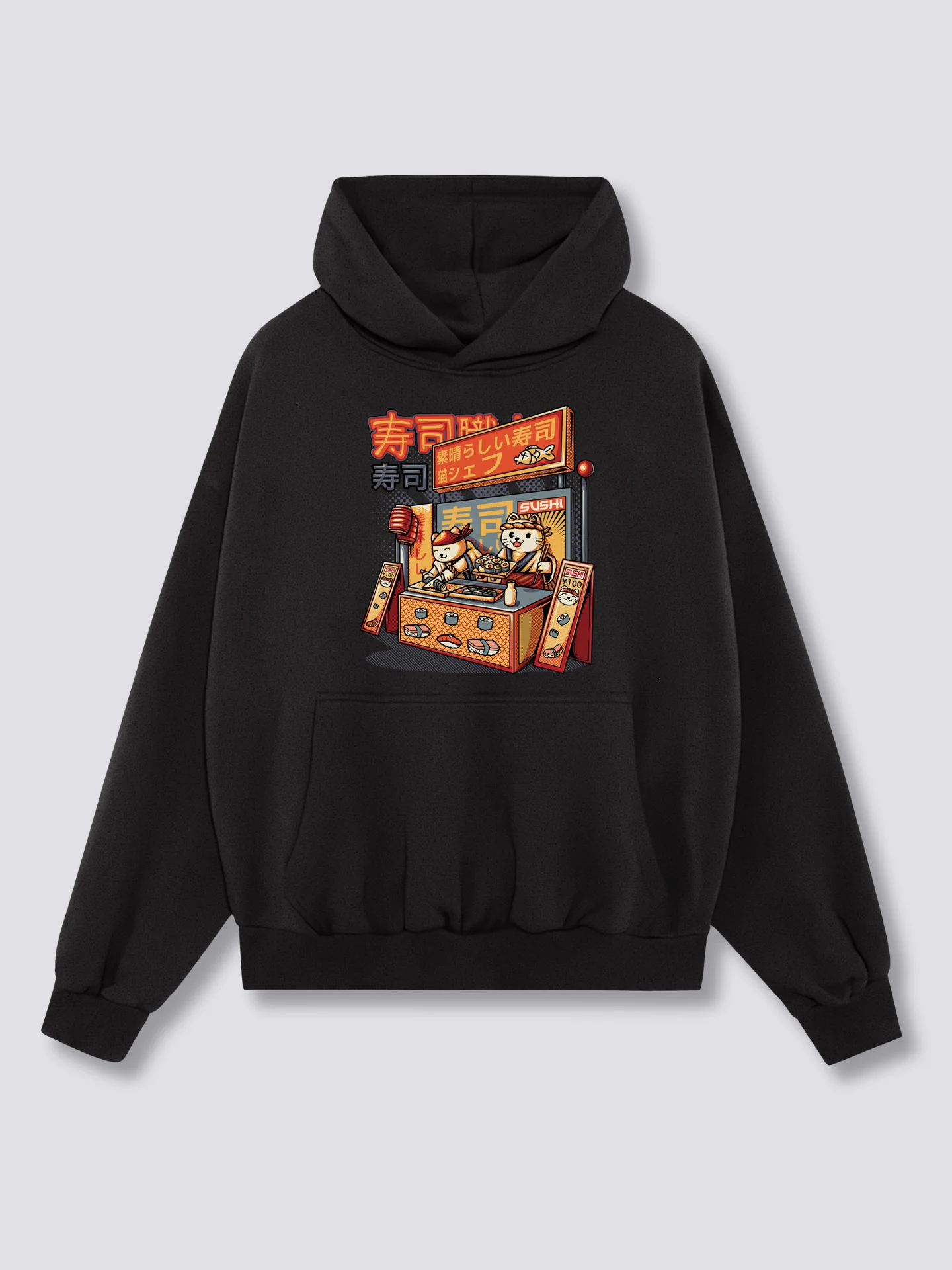
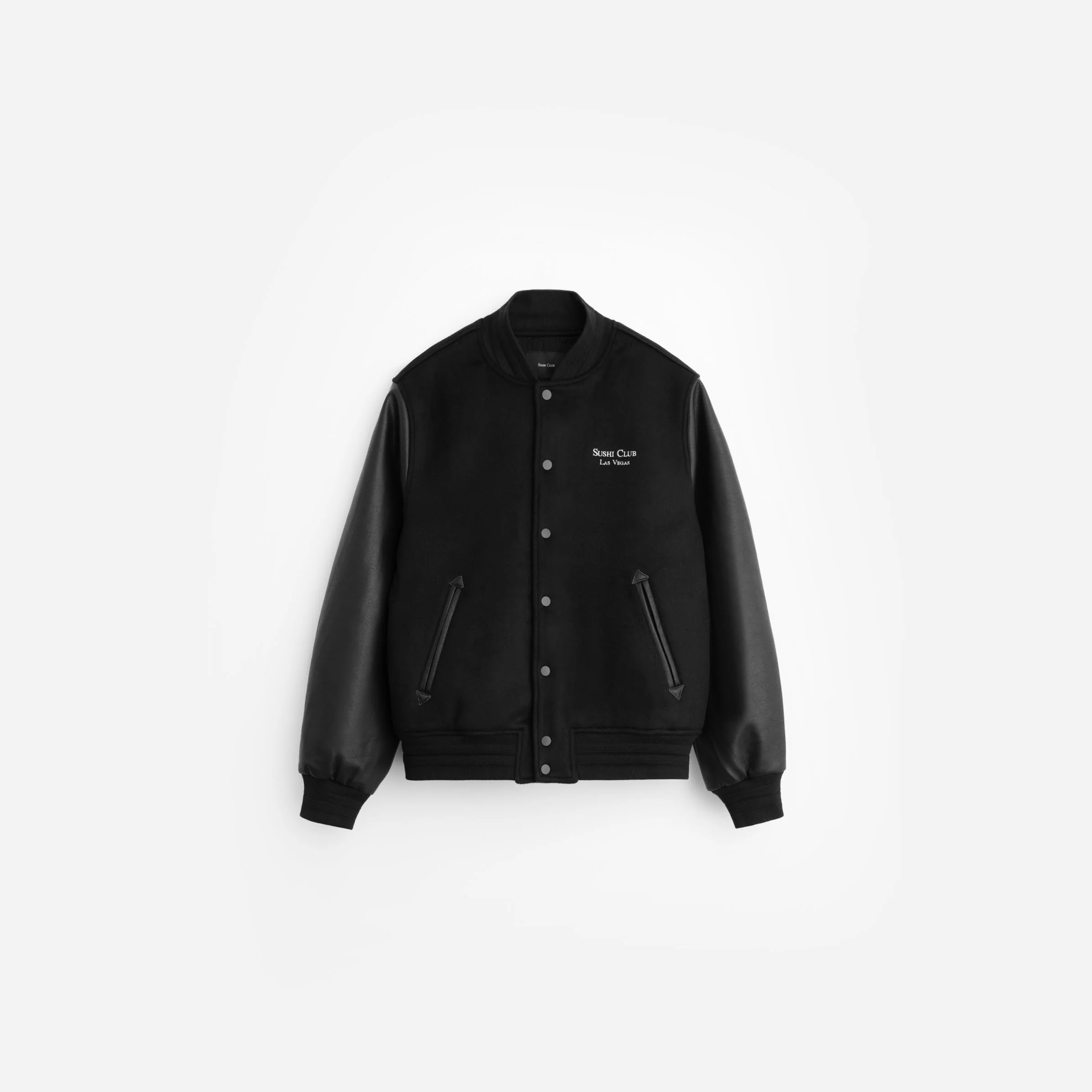
Core items include relaxed tees in vintage washes, heavyweight hoodies and crewnecks, a technical zip jacket, multiple trucker hat executions (some with LASC co-branding), and cypress wood sake cups. What stands out is the restraint in application—Cartoon’s signature linework appears with intention rather than dominance, integrated through embroidery, subtle prints, and tonal details across black, charcoal, olivewood, and cherry blossom palettes.
The truckers, in particular, carry flat bills with precise embroidery: Sushi Club flags alongside Mister Cartoon signatures that read like personal stamps. The zip jacket offers structure with natural drape, while the sake cups feature faint lowrider silhouettes dissolving into sakura fine-line shading—objects meant for both street and table.
flow
Mister Cartoon’s Japan connection runs decades deep, from early airbrushing sessions in Tokyo to Harajuku shop work. This history surfaces here without nostalgia, recontextualized through hybrid visuals involving illustrator Makoto Yamaki. His softer atmospheric touch creates a third language: sharks gliding through noren-like waves, Old English sharing space with delicate line flourishes, lowriders meeting koi motifs.
Tokyo Sushi Club, rooted in Nobu’s world and Chris Stamp’s design language, has long treated drops as extensions of place and ritual. This Tokyo chapter—complete with pre-drop omakase dinners and Tokyo Bay lowrider tie-ins—feels like a natural continuation rather than a calculated crossover.
why
At a moment of post-hype fatigue, the collection demonstrates that provenance and craft still resonate. The graphics invite repeated wear precisely because they integrate rather than shout. Vintage washes and premium blanks accelerate personal aging, turning the garments into extensions of the wearer’s own story—much like a tattoo or a well-used sake set.
On the streets and in personal rotations, these pieces appear in layered, lived contexts: under tailored jackets, with workwear, or beside actual dining setups. They travel and adapt without dating quickly.
afterlife
Post-sellout, the drop’s strength shows in its second life. Resale holds steady with respect rather than speculative frenzy. Owners post fit pics that emphasize real use—Tokyo nights, LA drives, day rituals—reinforcing the collection’s intent as bridge objects rather than display pieces.
For the broader industry, it offers a subtle blueprint: collaborations gain depth when participants contribute distinct languages and allow a new one to emerge in the overlap. Authenticity here isn’t declared in copy; it’s proven in material choices, graphic restraint, and cultural continuity.
This Mister Cartoon x Tokyo Sushi Club chapter ultimately succeeds by staying true to both lineages while creating something portable that belongs fully to neither. In 2026, that measured approach feels both radical and necessary—less about dominating the moment, more about earning a lasting place in the rotation.
Related Articles
WACKO MARIA Brings Its Leopard Lining to the Big Leagues
Black nylon outside, leopard fur inside: WACKO MARIA’s first Major League Baseball collection reached Japan […]