DRIFT AUDIO
Listen to this story
Choose a voice, then press play.
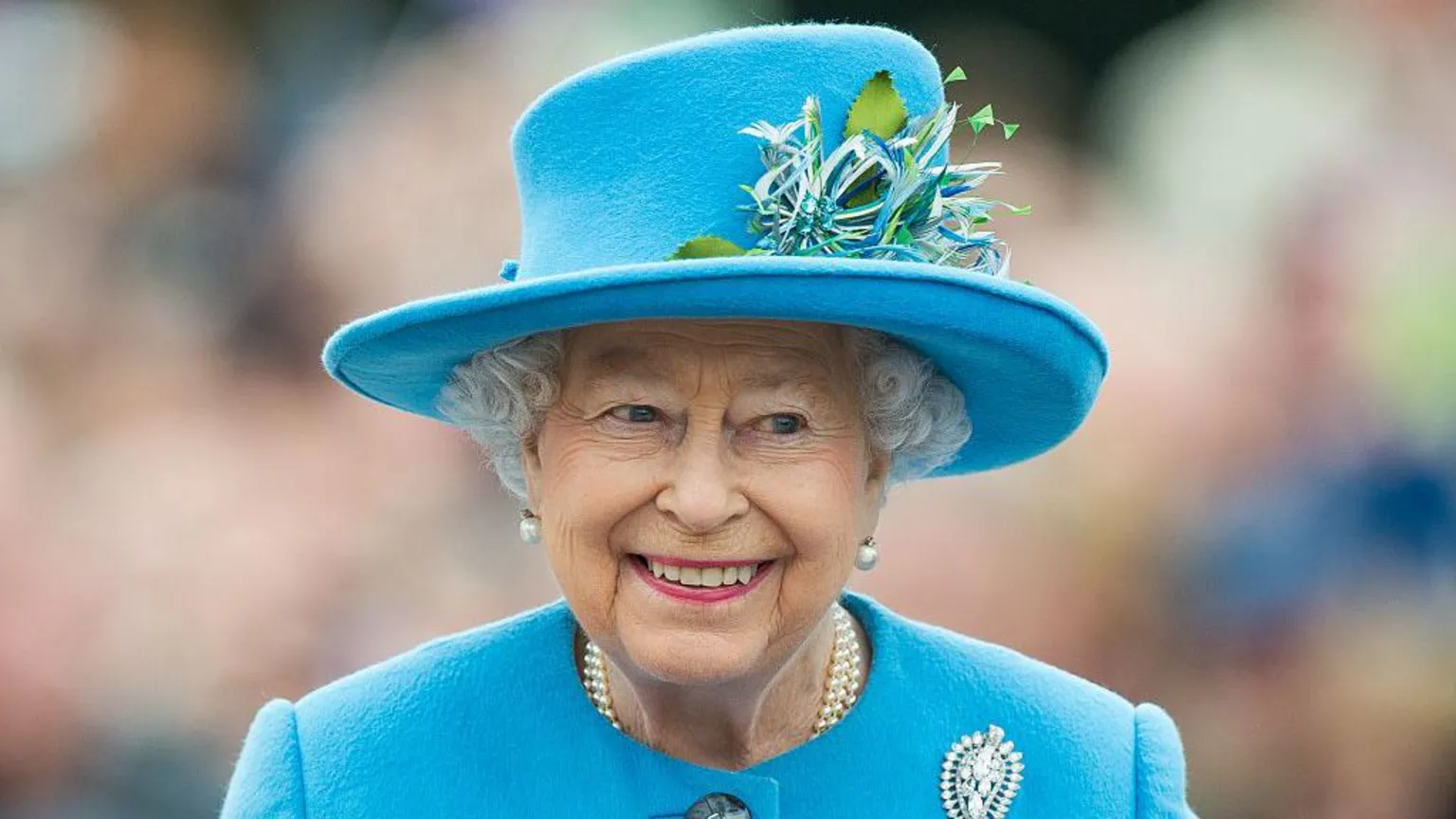
The ascension of King Charles III has sparked a significant debate over the fate of Queen Elizabeth II’s official portraits in public buildings across Northern Ireland. For 70 years, these portraits have been a fixture in council offices, civic centers, and other public spaces, serving as a symbol of continuity and stability. Now, as councils receive new portraits of King Charles III, the question arises: What should be done with the Queen’s portraits?
A Delicate Balance of Heritage and Representation
In Armagh City, Banbridge, and Craigavon Borough Council, the decision-making process surrounding the Queen’s portrait has highlighted the complexities of navigating heritage and representation. While it seems straightforward to replace her image with King Charles III’s, there are broader considerations at play. Many view the Queen’s portrait as more than a simple adornment—it’s a testament to her historic 70-year reign and her deep connection to Northern Ireland.
Discussions have been particularly contentious around storing the Queen’s portrait to make way for the new King’s. Some members of the council argue that placing the portrait of such a long-serving monarch in storage is not befitting her legacy. They suggest finding an alternative display location that honors her unique status in the nation’s history.
Impression
Adding a layer of complexity, councils must comply with equality guidelines that dictate where these portraits can be displayed. For example, in Armagh City, Banbridge, and Craigavon Borough Council, the Equality Impact Assessment previously conducted designated the mezzanine area in Craigavon Civic Centre as the suitable spot for the Queen’s portrait, based on considerations of visibility and neutrality. Moving the portrait to a new location would require a fresh assessment, making the process more cumbersome and potentially delaying the placement of King Charles’s image.
The council’s Governance and Strategy Committee has proposed submitting an application for a portrait of King Charles III to replace Queen Elizabeth’s. However, this has led to discussions about finding an appropriate, equality-compliant space for the Queen’s portrait to prevent it from being relegated to storage.
Differing Approaches Across Northern Ireland’s Councils
The issue faced by Armagh City, Banbridge, and Craigavon Borough Council reflects a broader dilemma affecting councils throughout Northern Ireland. While some have opted for a straightforward replacement, others are weighing the cultural and emotional significance of the Queen’s portrait.
For many local governments, the solution lies in balancing respect for the past while acknowledging the present and future. As King Charles III’s reign begins, councils must navigate these transitions thoughtfully, ensuring that their decisions resonate with a diverse range of community members and perspectives.
Embracing Change While Honoring Tradition
The debate over the Queen’s portraits is not just about the logistics of hanging a new image; it’s about how to honor a monarch who left an indelible mark on the UK and Northern Ireland. It raises broader questions about how public spaces can reflect continuity and change, tradition and progress, all while adhering to modern standards of equality and representation.
As councils continue to deliberate, the decisions they make will likely set precedents for how to handle similar transitions in the future. Whether the portraits are moved, stored, or given a special place of honor, what’s clear is that the legacy of Queen Elizabeth II—and the era she represents—will continue to influence public spaces and discussions for years to come.
Related Articles
Modigliani’s Limestone ‘Tête’
Carved from a single block of limestone in Montparnasse more than a century ago, one of Modigliani's rare stone heads goes to auction for the first time…