DRIFT AUDIO
Listen to this story
Choose a voice, then press play.
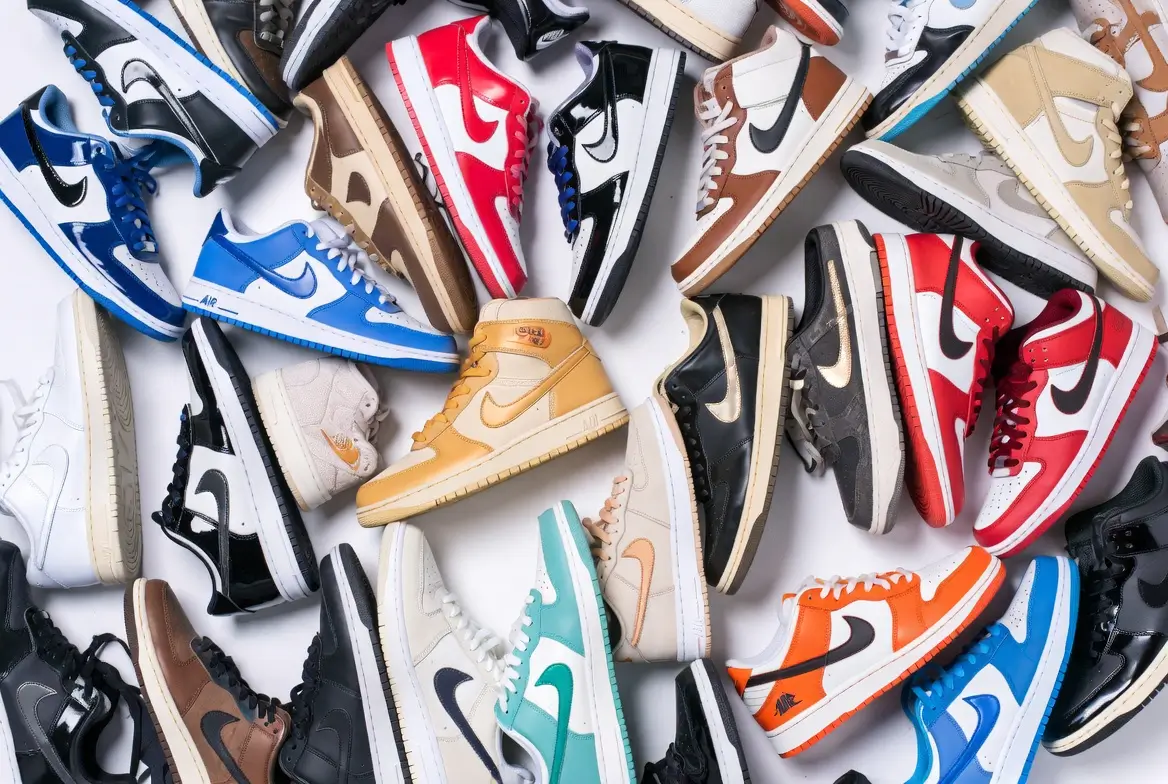
Uptowns. Ups. Forces. Ones. Whatever you call them, there’s no denying the Air Force 1 is a behemoth among shoes. Designed by Bruce Kilgore and debuting in 1982 as a performance basketball shoe, the AF-1 quickly transcended the court to become a cultural icon. By the early 2000s, it had solidified its status as Nike’s best-selling shoe of all time. That decade represented its true golden age—a period of relentless experimentation where every material, color, and collaboration imaginable graced the silhouette. From glossy patent leather to artist-driven projects, the AF-1 became the ultimate canvas for sneakerheads, rappers, and streetwear enthusiasts alike.
Fast forward to the mid-2020s, and Gen Z has somewhat dismissed the AF-1 as “unc” or basic. Yet Nike appears fully committed to reversing that narrative. Through a string of thoughtful releases echoing the Y2K era, the Swoosh is methodically rebuilding hype around the model. The strategy is working: recent drops feel plucked straight from 2003–2008 archives. But sustaining this momentum will require consistent execution. Let’s break down exactly how Nike is engineering the AF-1’s comeback.
View this post on Instagram
stir
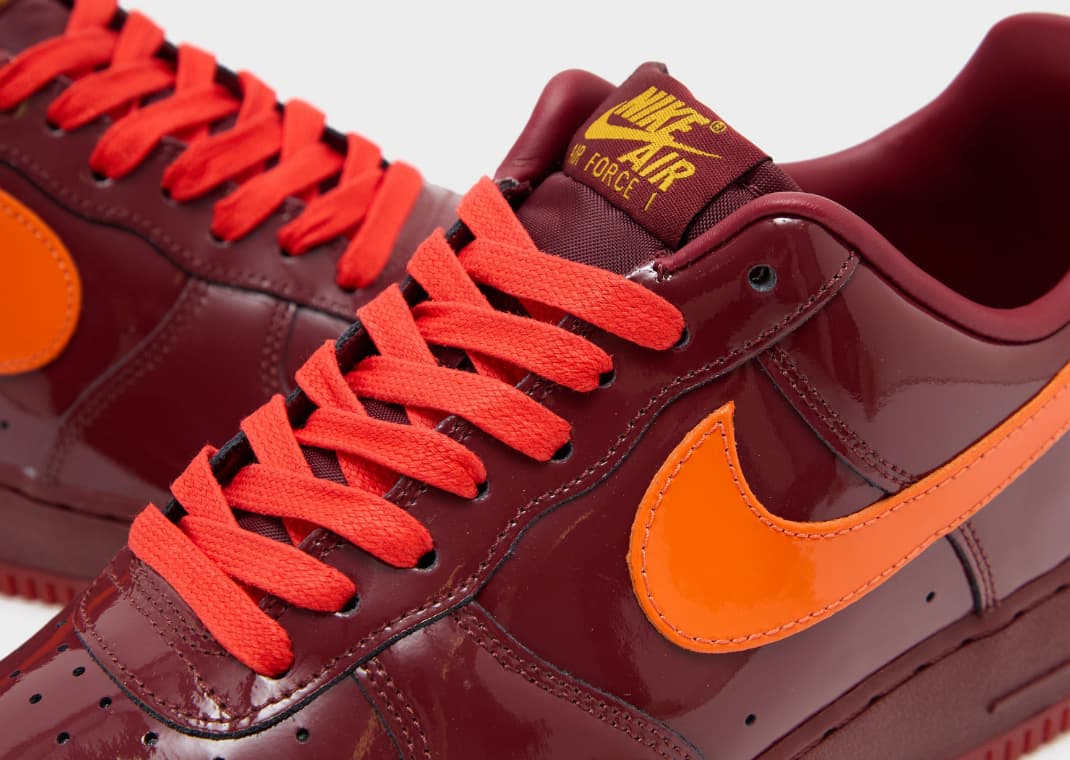
Nothing screams mid-2000s Air Force 1 quite like patent leather. That mirror-like finish—capable of doubling as a makeshift grooming mirror—defined countless holiday and event-themed colorways. Whether it was All-Star Weekend specials or St. Patrick’s Day “Lucky Green” packs, Nike leaned hard into reflective, eye-catching uppers that popped against urban backdrops.
The 2006 “Pixie,” “Kiwi,” and “All-Star” editions remain grails for this reason. Their vibrant palettes combined with that glass-like coating created instant desire. In 2026, Nike delivered a spiritual successor with the “Patent Leather” Pack featuring “Team Red” with Safety Orange accents, “Topaz Gold” paired with Pine Green, and Mystic Navy options. These weren’t subtle nods—they were loud declarations that the Swoosh had raided the archives.
flow
Lil Yachty’s second collide also tapped into this glossy playbook, layering lacquer-like finishes over bold tones. Meanwhile, South Korea’s TUNE boutique revived canvas constructions with a military-inspired palette, harkening back to early 2000s “University Blue” and “Safety Orange” canvas AF-1s. These material revivals aren’t random; they’re calculated. Nike understands that tactile nostalgia—whether premium patent, rugged canvas, or even faux exotic skins—drives collector excitement.
The brand has even teased more adventurous treatments like inside-out leather midsoles and ostrich-textured uppers in upcoming projects. In an era where many sneakers chase tech-heavy futures, leaning into proven heritage feels refreshingly smart.
scope
In the 2000s, scoring an AF-1 collect was a badge of honor. The shoe’s ubiquity made it the perfect vehicle for personal expression. Brooklyn graffiti legend Stash nailed this with his 2003 city-specific releases and the 2006 “Harbor Blue” inside-out low, recently retro’d to strong demand. Hiroshi Fujiwara’s HTM projects with Tinker Hatfield and Mark Parker delivered premium minimalism that still commands respect today.
Nike is replicating this energy. Earlier in 2025–2026, they tapped Kunle Martins (founder of the IRAK crew) for a New York-exclusive. Across the Pacific, Nigo—working with Jun Takahashi—dropped a highly anticipated patent leather AF-1 inspired by their 1990s NOWHERE boutique signage. Using the coveted 2001 silhouette, it perfectly blended nostalgia with contemporary relevance.

The 2008 “1World” collection remains legendary, featuring heavyweights like KAWS, Michael Lau, Questlove, and DJ Clark Kent’s “112” pack (a Brooklyn tribute with 3M, elephant print, and neon outsoles). Modern echoes include LAAMS’ “Please Post Bills” with its plywood woodgrain and NYC map packaging—a direct homage to Clark Kent’s influence. These partnerships prove Nike is still listening to the streets rather than dictating from Beaverton.
By aligning with both established icons and rising creatives, the AF-1 regains its role as a cultural connector. Hip-hop roots, graffiti history, and global fashion dialogue all flow through the shoe once more.

region
The AF-1’s New York DNA runs deep. The “Uptown” nickname ties directly to Harlem and Bronx street culture. Nike’s NYC City Attack logo, popularized in 90s ads by Bobbito Garcia, appeared on heels and tongues of countless pairs. Recent Knicks-inspired “Rush Blue” and “Safety Orange” releases with gum soles and the classic NYC emblem captured that hometown energy perfectly.
Other cities got love historically too—“Da Bean” for Boston, “Chi-Town,” “The Dirty” for Atlanta. Nike’s 2026 “On Tour” edition took this worldwide, stitching global destinations across the upper in a love letter to the silhouette’s universal appeal.
This regional strategy works because authenticity resonates. When sneakers celebrate specific communities without feeling forced, collectors respond. Nike is smartly expanding that map while honoring the Big Apple’s foundational role.
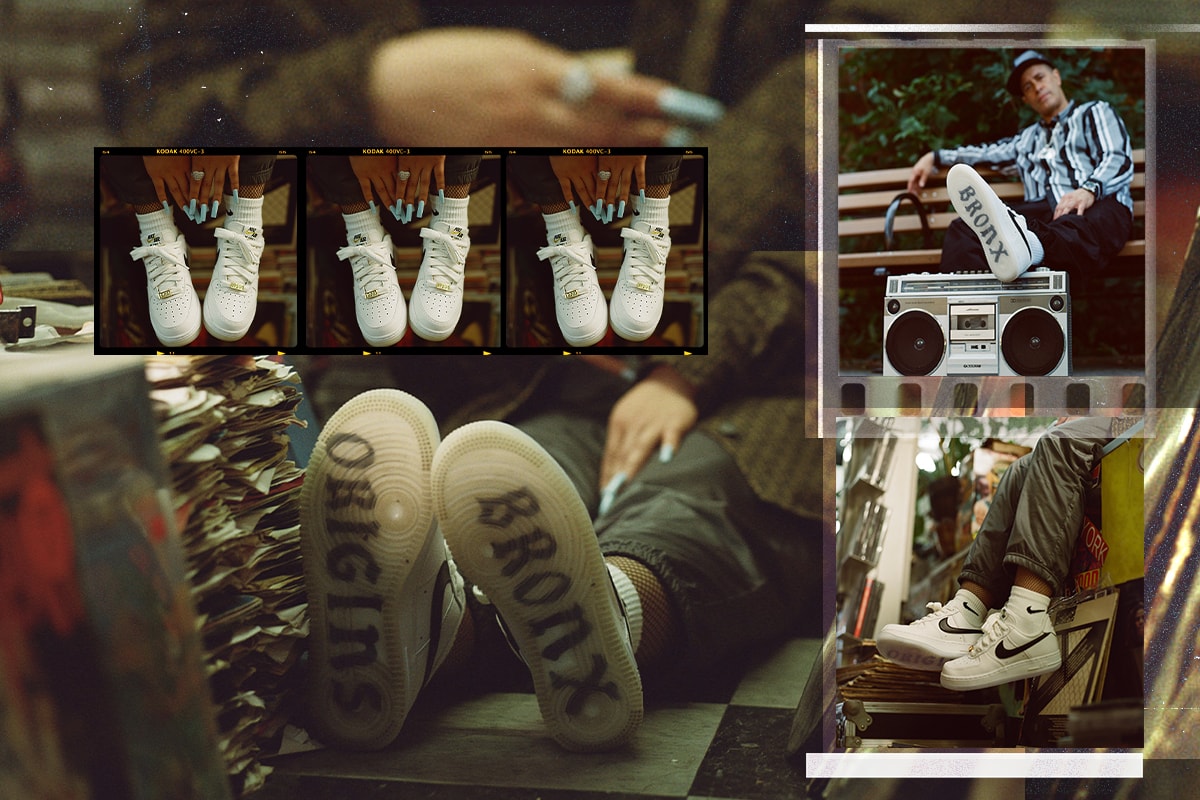
fin
Releases like A Ma Maniére’s “While You Were Sleeping” Pack (echoing 1984’s Color of the Month) and Victor Victor’s 2001-shape collaborations demonstrate Nike’s clear direction. They’re not chasing fleeting trends but methodically reminding younger generations why the AF-1 earned its legendary status.
Critics might argue the market isn’t loudly demanding this revival, but that’s precisely the point. Icons don’t need validation—they create it. By consistently delivering premium materials, meaningful collaborations, and culturally rooted storytelling, Nike is rebuilding the AF-1’s aura.
The golden age wasn’t just about shoes; it was about self-expression, community, and limitless creativity on a simple white-on-white base. If Nike maintains this level of quality and cultural intelligence, the Uptown’s zenith isn’t just returning—it’s evolving for a new era.
The Swoosh is doing what it does best: just doing it, again.
From the DRIFT archive: Adidas By AVAVAV Women’s Superstar Shoes: Redefining The Icon In Distorted Form
Related Articles
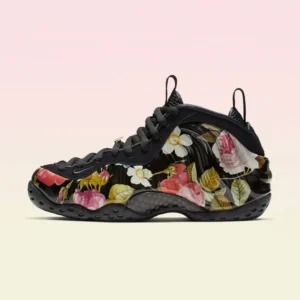
Shell, Floral Print, Gold Lace Lock
Air Foamposite One Floral/Black. AA3963-002. 11 December 2026. $240. Black nubuck eyestay, mesh tongue, metallic gold Swoosh dubrae.