DRIFT AUDIO
Listen to this story
Choose a voice, then press play.
a shh
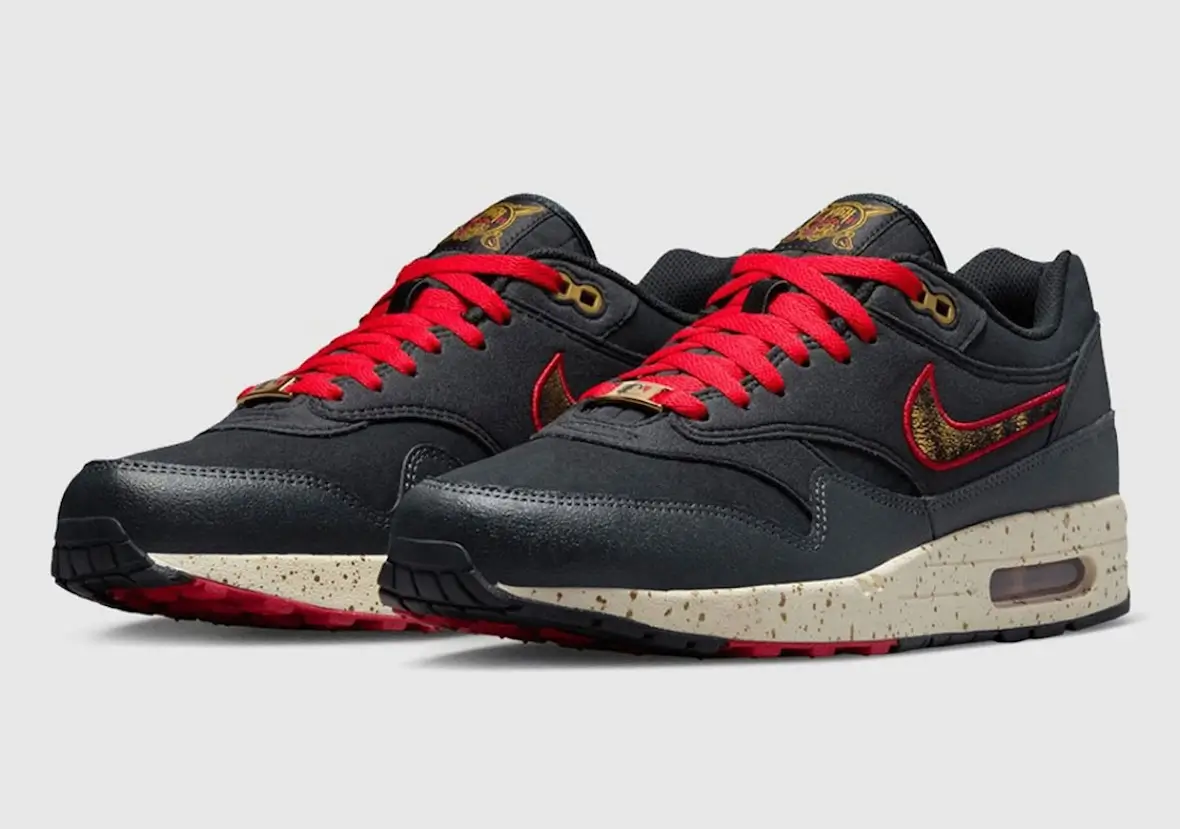
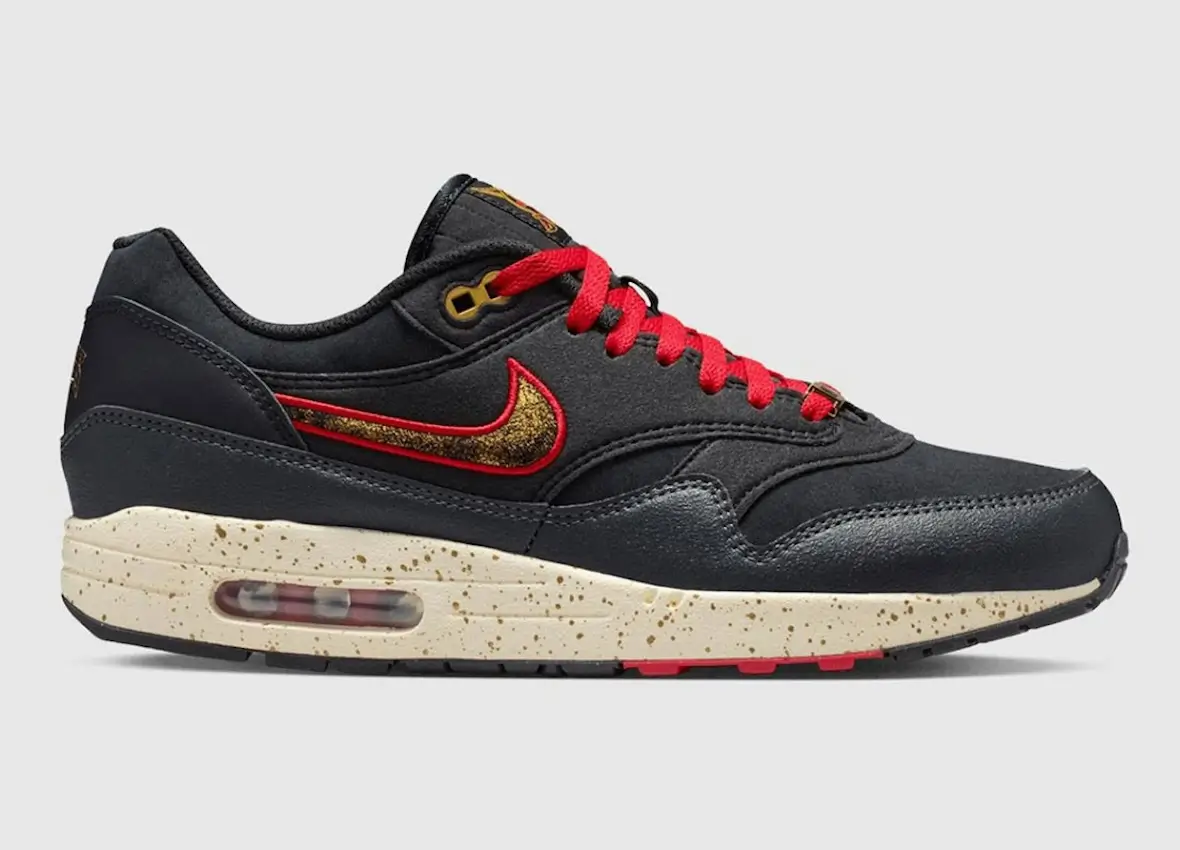
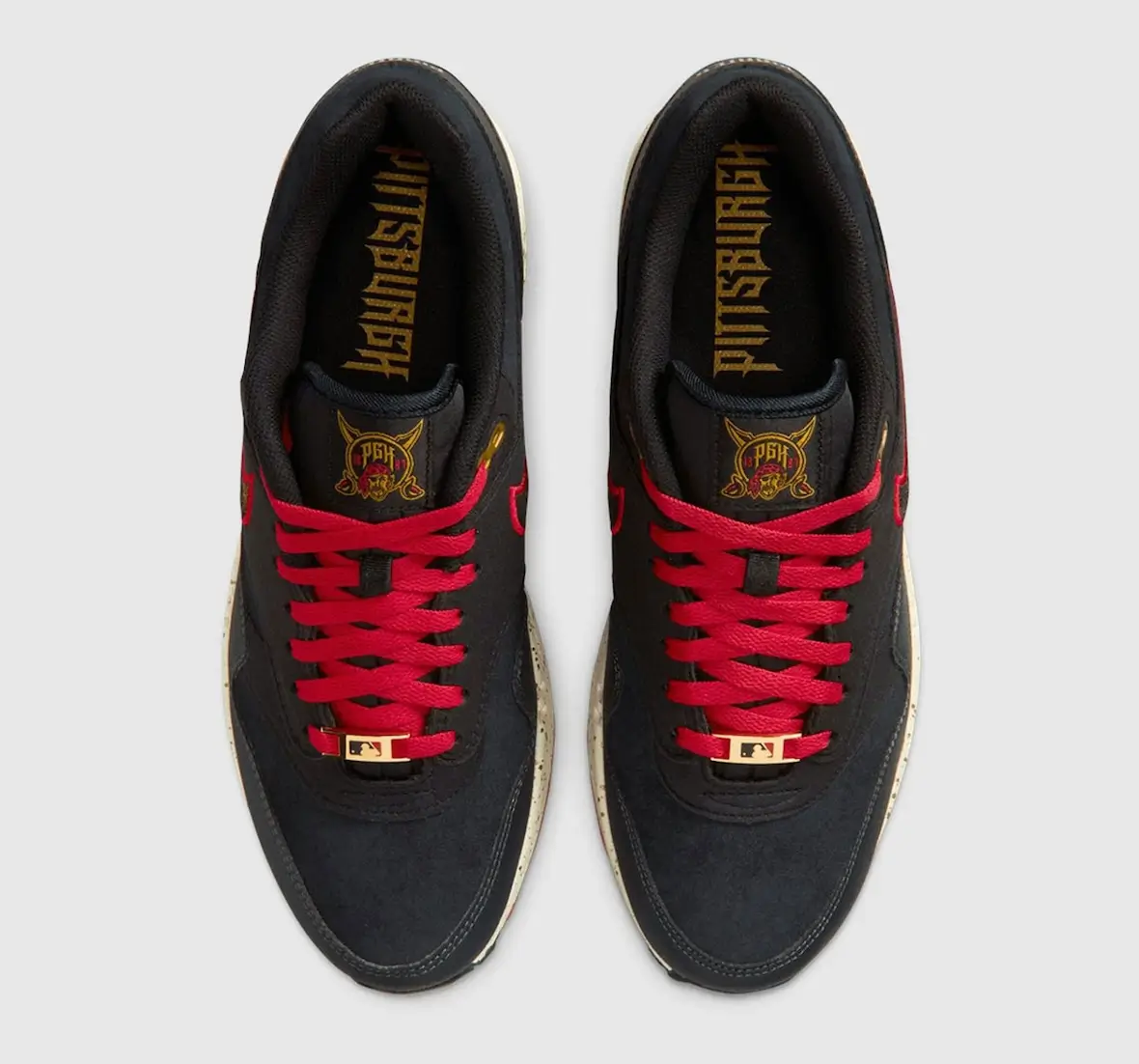
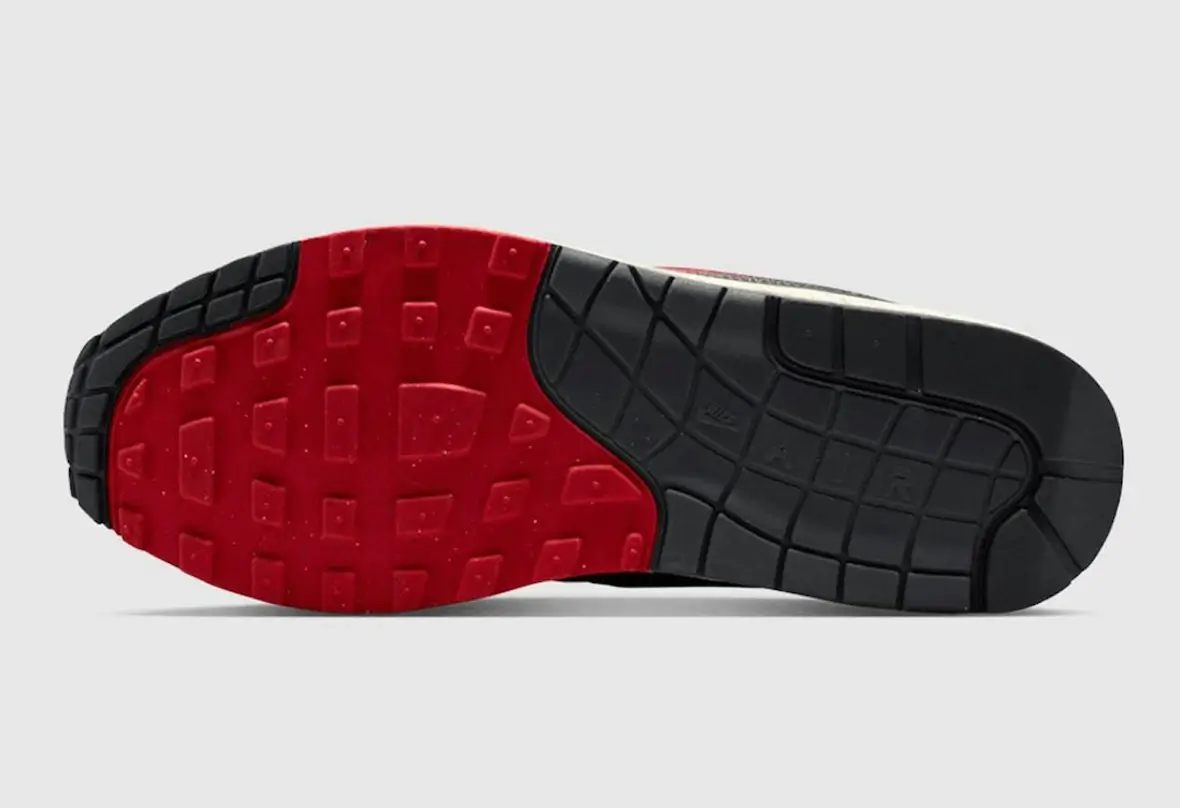
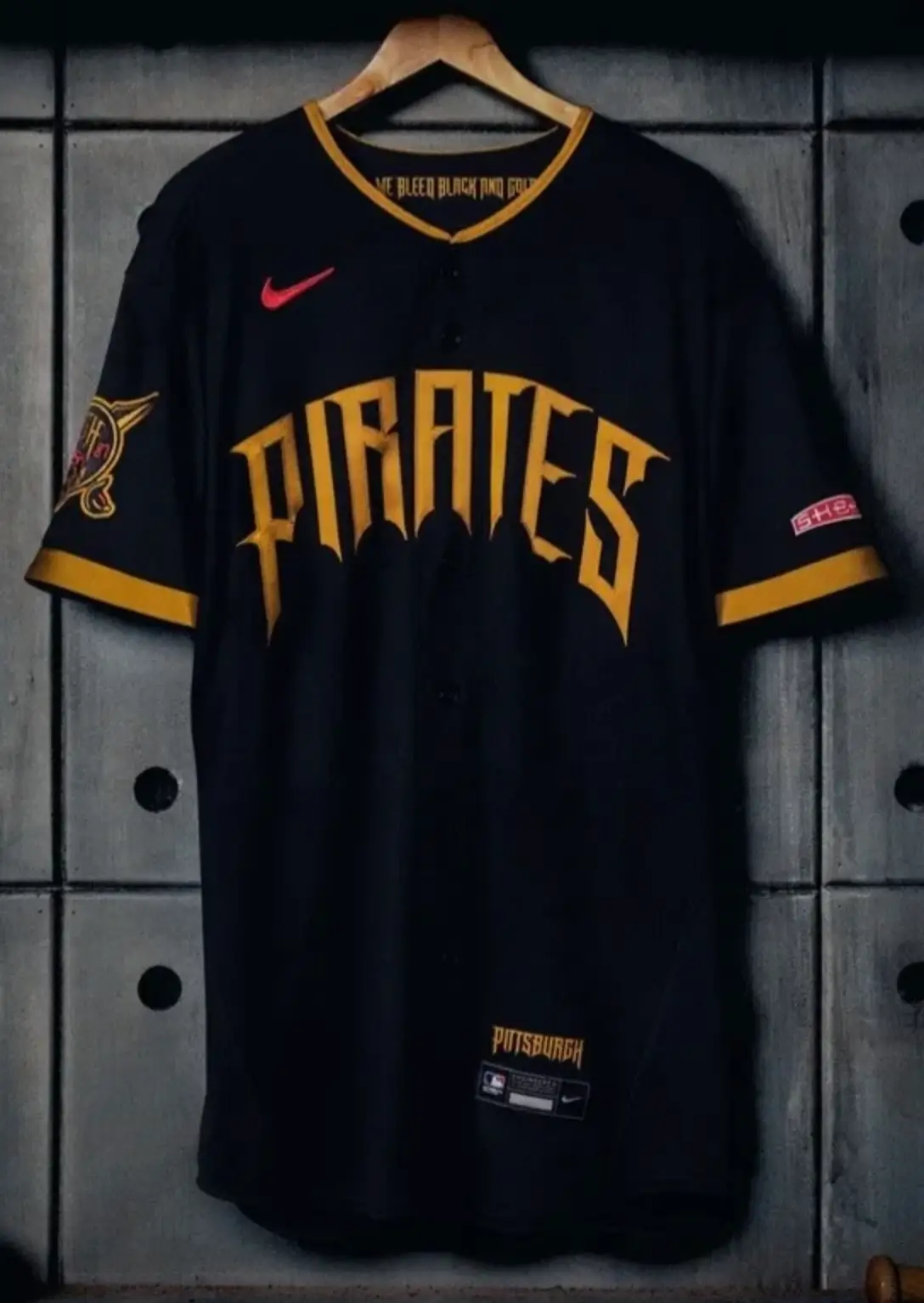
Just a black leather Air Max 1 with a gold Swoosh, burgundy lining, and the Pittsburgh Pirates’ tricorn hat stitched into the heel like a family crest.
View this post on Instagram
a visit
The Air Max 1 was born in 1987—the same year the Pirates drafted Barry Bonds, the same year Pittsburgh was still learning how to live after the mills closed. A year of quiet resilience. Of figuring things out.
This shoe, released 39 years later, reads like a callback to that moment. Not loud. Not flashy. Just present.
mat
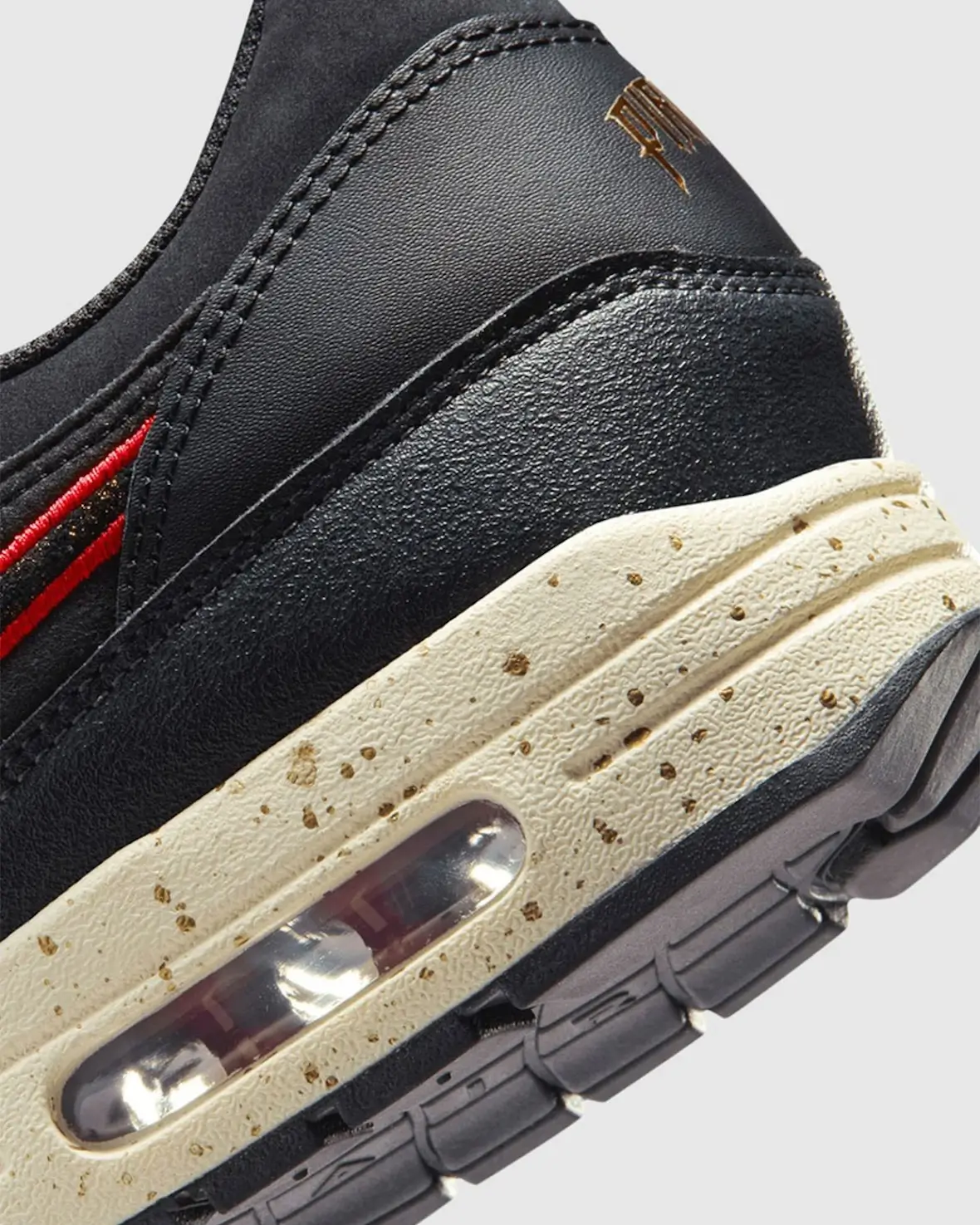
The upper arrives in premium tumbled leather—matte black, lightly textured, like a cap broken in over seasons. It doesn’t try to impress. It holds.
The Swoosh is metallic gold—not yellow, not chrome—gold. The kind that catches late sun over the Allegheny.
Inside, the tongue and lining fall into a deep burgundy—an echo of ’70s road uniforms, of Willie “Pops” Stargell, of the “We Are Family” team that closed 1979 with certainty.
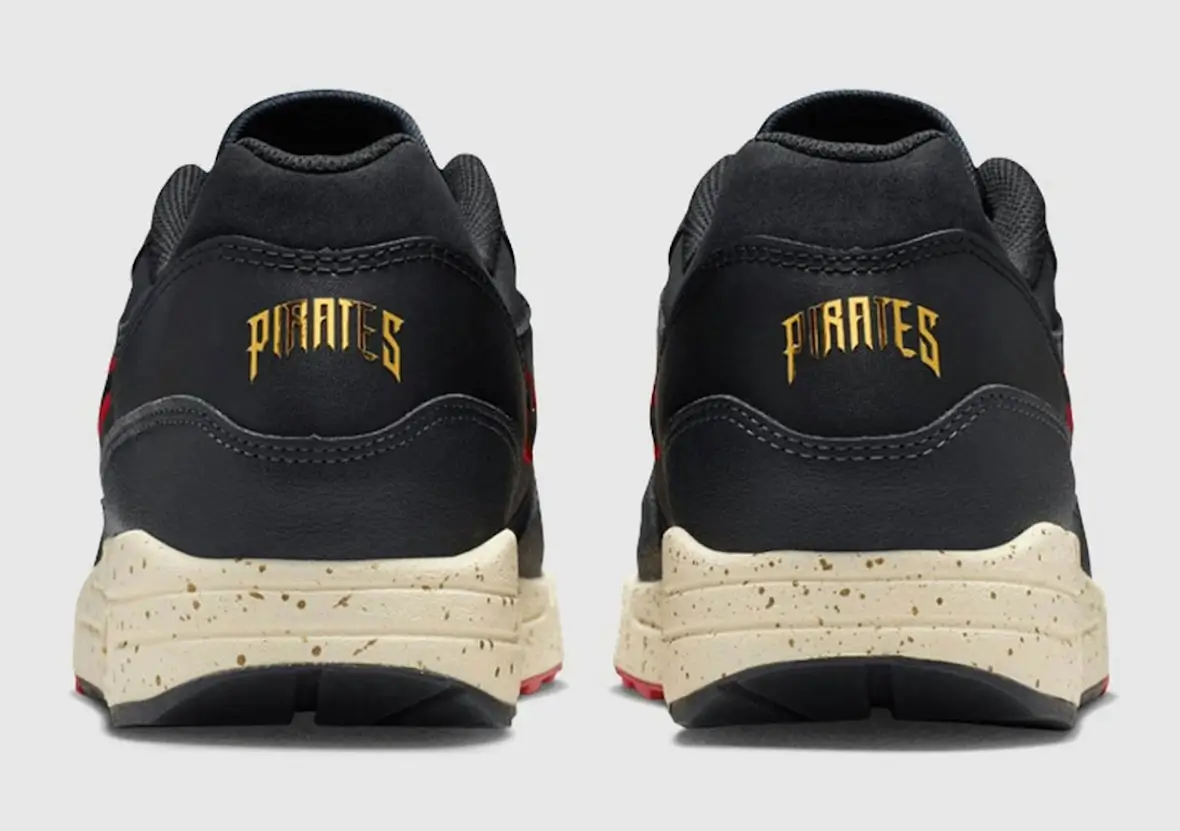
And then, the detail that defines it: the embroidered tricorn hat at the heel. No Nike logo. No slogan. Just the crest—stitched clean, held steady, unapologetic.
tred
It’s the kind of move that only works now.
Footwear culture has moved past the noise—past $1,000 resales, past influencer cycles. It’s about meaning again. About place. About legacy.
Look at the recent language: Dunk “Columbia Blue,” Samba “NYC,” 550 “Seattle.” These aren’t products. They’re coordinates.
The Air Max 1 “Pittsburgh Pirates” sits in that same lane—quietly, deliberately.
trend
It’s not for everyone. It was never meant to be.
It’s for the kid who grew up at Three Rivers with his dad.
For the designer in Brooklyn who still wears a Pirates cap on opening day.
For the one who understands that black and gold isn’t a palette—it’s a condition.
wear
We wore them for a week—commute, casual, weekend walk.
Break-in took two days. The leather softened quickly, shaped itself without resistance. Comfort lands where it should: classic Air Max 1—bouncy, not plush. No exaggeration.
This isn’t a lifestyle sneaker pretending to be something else. It’s a real one.
Styling holds more range than expected—black denim, olive chinos, even a navy tracksuit. The gold Swoosh moves with light, not against it.
But the real measure wasn’t visual. It was emotional. And it held.
flow
In a cycle defined by digital drops, AR overlays, and NFT-linked access, this pair rejects all of it.
No QR codes. No unlocks. No extended experience.
Just a well-made shoe, with the story already embedded.
And in 2026, that restraint feels almost radical.
drop
The release stayed quiet—no press release, no media kit. A single post from Nike:
“For the city that never quit. #AirMax1 #Pirates.”
Then nothing. No restock signals. No amplification. Just the pairs—and whoever managed to secure them.
Resale sits around $220. Not inflated. Not overlooked. Balanced.
Because this isn’t a flex. It’s a feeling.
why
In a year where fashion leans heavy on logos and digital noise, the strongest statement isn’t louder—it’s quieter.
It’s the gold Swoosh against black leather.
The tricorn hat at the heel.
The “PIT” stamped in gold beneath, unseen unless you look.
It’s the idea that some objects don’t need explanation. Only presence.
sum
The Pirates haven’t won a World Series since 1979. But they’ve never stopped being Pittsburgh.
Now, that identity lives on something not built for the field—but for the street.
For those who understand the difference between a slider and a slider, between pace and pressure—this lands.
Not because it’s rare.
Not because it’s expensive.
Because it’s real.
And right now, that’s the only currency that holds.
Related Articles
BSTN Put Janker Gray And Festival Pink On The München Last
Adidas Originals München. Two colors. Nubuck. Cream stripes. Candy gum. Brindiamo on the tongue. Salute […]