DRIFT AUDIO
Listen to this story
Choose a voice, then press play.
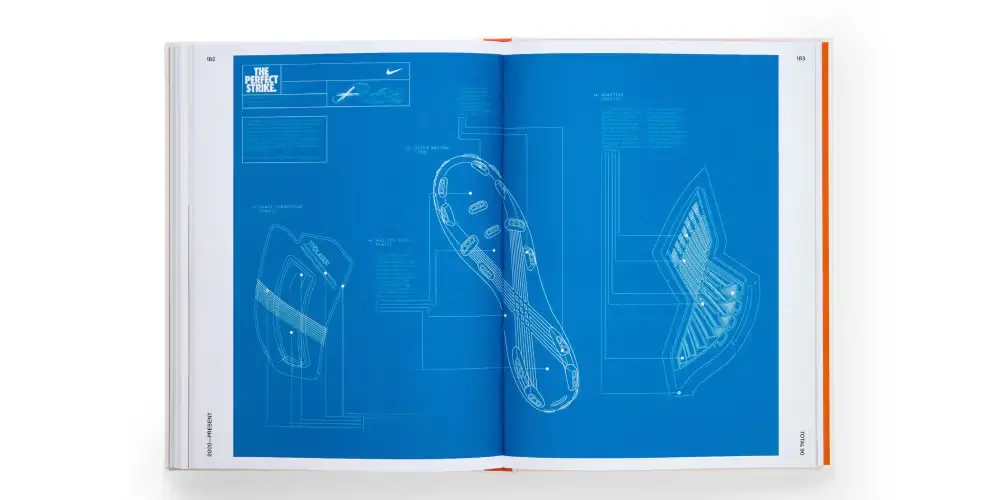
When Nike first stitched a Swoosh onto a black leather football boot in the 1970s, it did more than enter a product category. It entered a culture. With Nike Football Boots, Phaidon and Nike frame that legacy as something larger than performance: a 240-page hardcover archive of design, memory, movement, and mythology.
The book moves through four defining silos — Tiempo, Mercurial, Total 90, and Phantom — each one treated not simply as footwear, but as a language of the game.
stir
Introduced in 1984, the Tiempo was a boot that never needed to shout. Crafted from full-grain kangaroo leather, it was built around touch, feel, and longevity — a response to players who believed football should be played with patience and precision rather than spectacle.
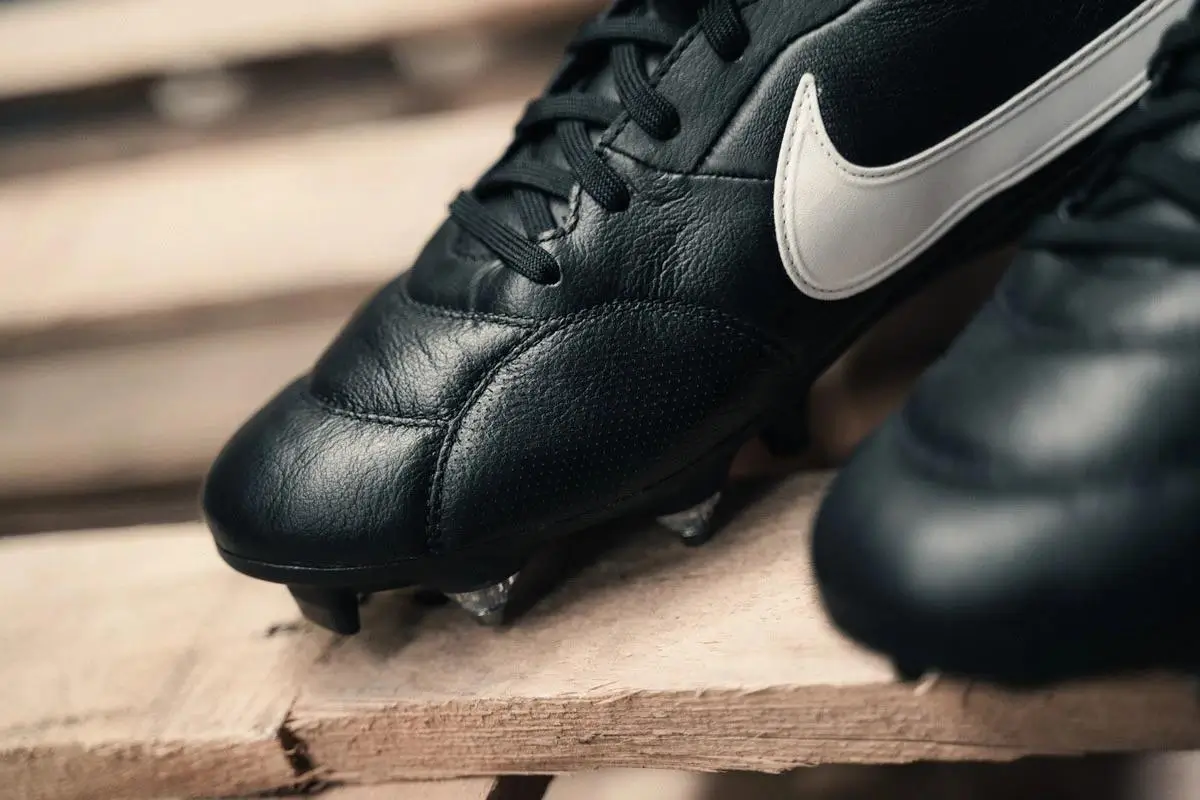
Its name, Spanish for “time,” carried that philosophy clearly. Tiempo suggested rhythm, restraint, and endurance. While later Nike silos would chase speed, power, or technical disruption, the Tiempo remained rooted in tradition, quietly revolutionary through material detail.
Worn by figures such as Diego Maradona, Paolo Maldini, and Pelé in his ambassadorial years, the Tiempo became a canvas for legends. Its evolution — from the clean lines of the Legend to the reinforced structure of the Premier — reflected Nike’s growing command of leatherwork, performance engineering, and subtle design language.

flow
When the Mercurial arrived in 1998, it did not simply chase speed. It redefined what speed could look like. Designed for explosive players, the boot arrived alongside Ronaldo Nazário, whose movement at the 1998 World Cup seemed to validate the entire concept.
Light, low, and responsive, the Mercurial was built around a radical idea: less weight, more sensation. Synthetic uppers, stripped-back construction, and later carbon-fiber soleplates gave the boot a second-skin feeling that prioritized acceleration and touch.
Over time, the Mercurial became inseparable from icons such as Cristiano Ronaldo and Kylian Mbappé. Its high-visibility colorways and futuristic profile also pushed beyond the pitch, influencing streetwear, boot culture, and the visual identity of modern football itself.
synergy
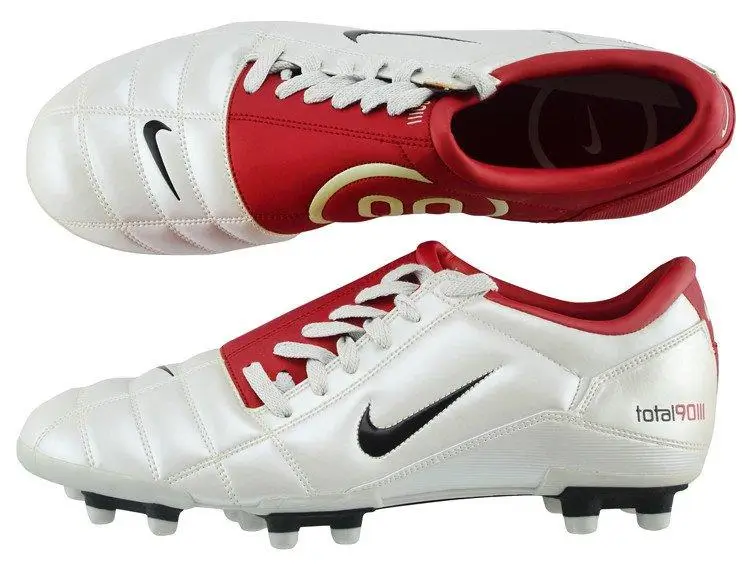
The Total 90 was never designed to disappear. Bold, aggressive, and visually loud, it became a boot for players who wanted to impose themselves on the game. Its asymmetrical lacing, textured upper, and exaggerated strike zones gave it an unmistakable presence.
Worn by players such as Andriy Shevchenko, Dennis Bergkamp, and Ronaldinho, the Total 90 captured the attitude of early-2000s football: neon, chrome, power, rebellion. It was technical, but also theatrical — the punk rock silhouette of Nike’s football archive.
Its later return through lifestyle influence proves the design never fully left. The Total 90’s visual DNA now reads as fashion language: chunky, graphic, nostalgic, and still charged with competitive energy.
a show
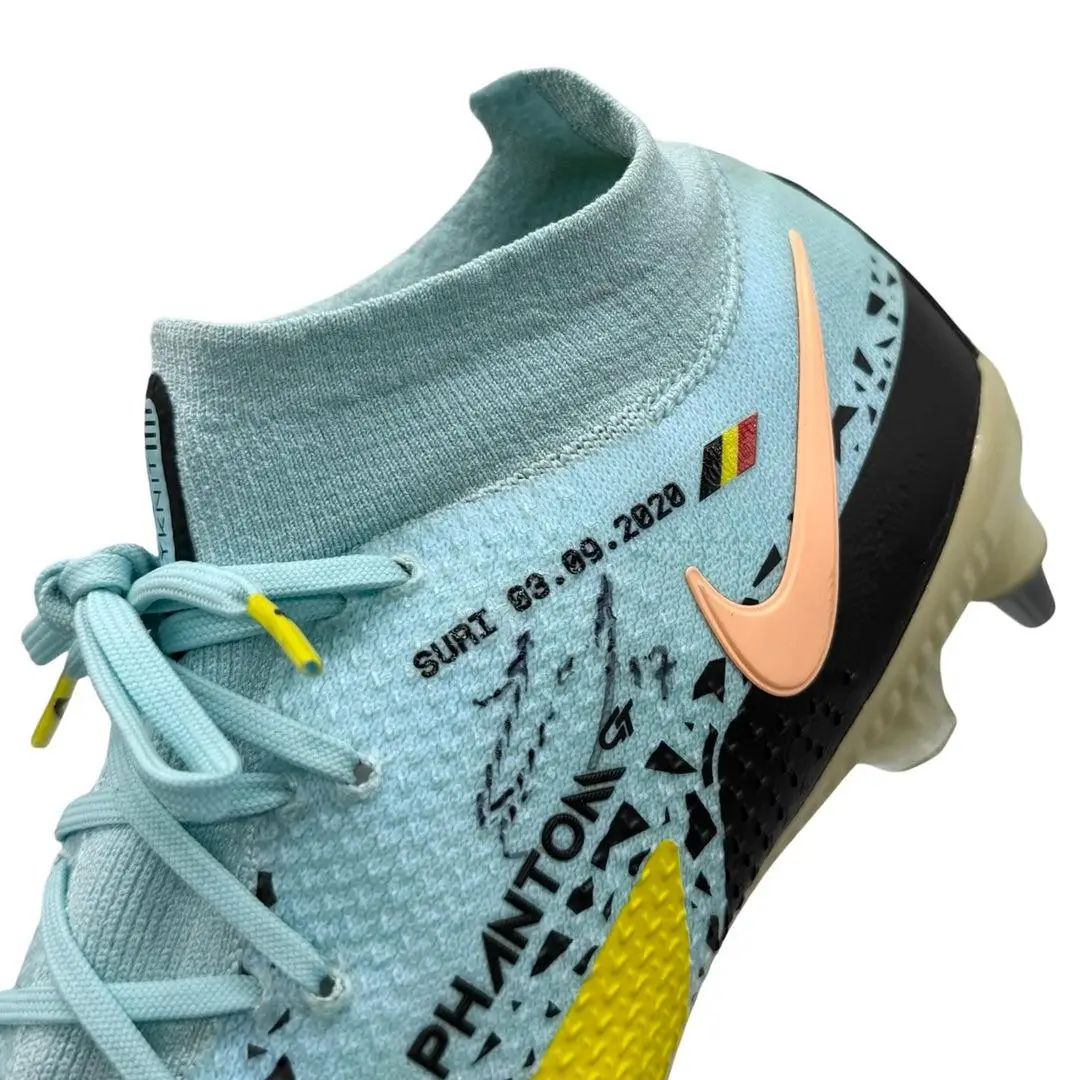
The Phantom represents a quieter form of innovation. Built for control, touch, and tactical intelligence, it speaks to the modern playmaker — the player who shapes the game through timing, movement, and decision-making.
Its textured uppers, offset lacing, and adaptive traction systems make the Phantom less about spectacle and more about precision. Worn by athletes such as Kevin De Bruyne and Megan Rapinoe, it carries a different kind of presence: calm, technical, and composed.
Where Mercurial is speed and Total 90 is force, Phantom is interpretation. It is the boot for the pass before the assist, the movement before the opening, the intelligence before the highlight.
fin
Together, Tiempo, Mercurial, Total 90, and Phantom form more than a footwear timeline. They create a cultural mosaic of football’s shifting identity — from leather tradition to synthetic speed, from striker power to midfield intelligence, from pitch utility to street-level style.
With essays by Caleb Azumah Nelson and Thomas Turner, plus a 12-page glossy insert documenting models from 1971 to today, Nike Football Boots becomes more than a collector’s object. It is a living archive of how design, sport, memory, and self-expression continue to move through the beautiful game.
n
From the DRIFT archive: A Cult Classic in Orbit: The Tecnica Moon Boot Icon Nylon Boots Reimagined for Modern Winter · Palace x Nike Air Max DN8 “Safety Orange”: High-Visibility Energy Meets London Street Logic
Related Articles
BSTN Put Janker Gray And Festival Pink On The München Last
Adidas Originals München. Two colors. Nubuck. Cream stripes. Candy gum. Brindiamo on the tongue. Salute […]