DRIFT AUDIO
Listen to this story
Choose a voice, then press play.
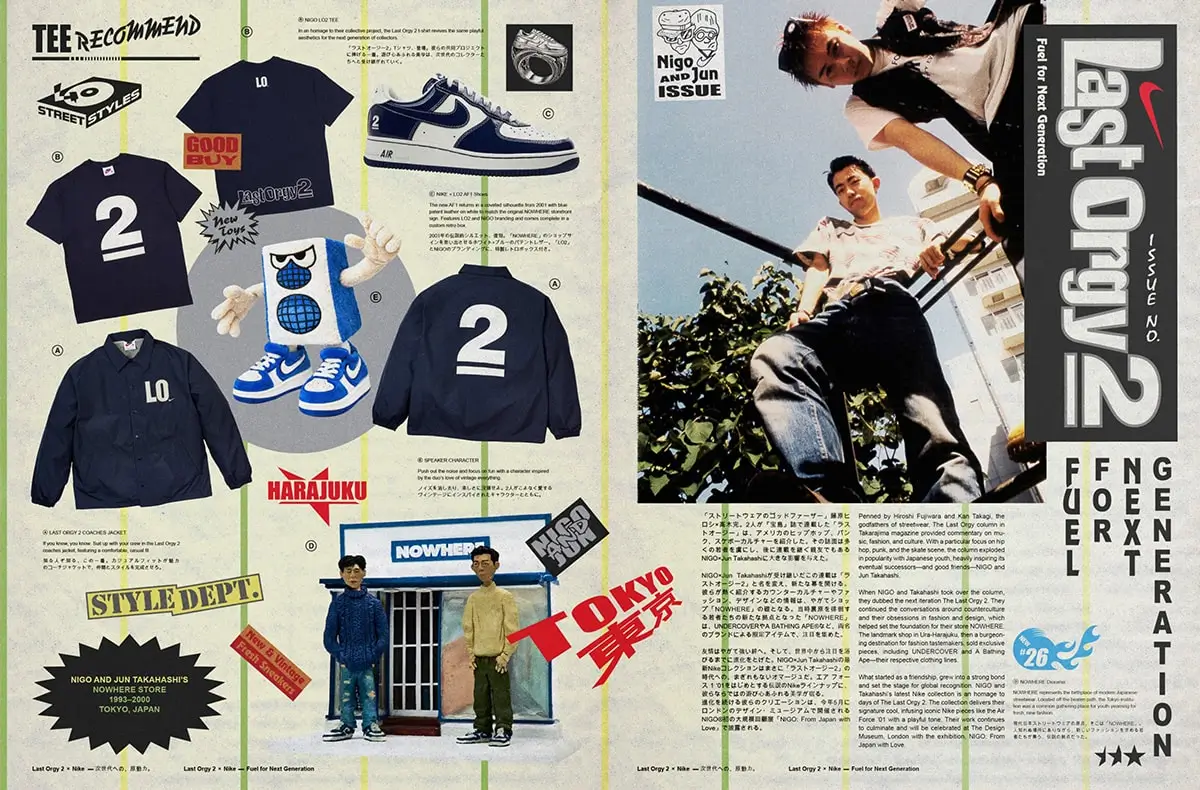
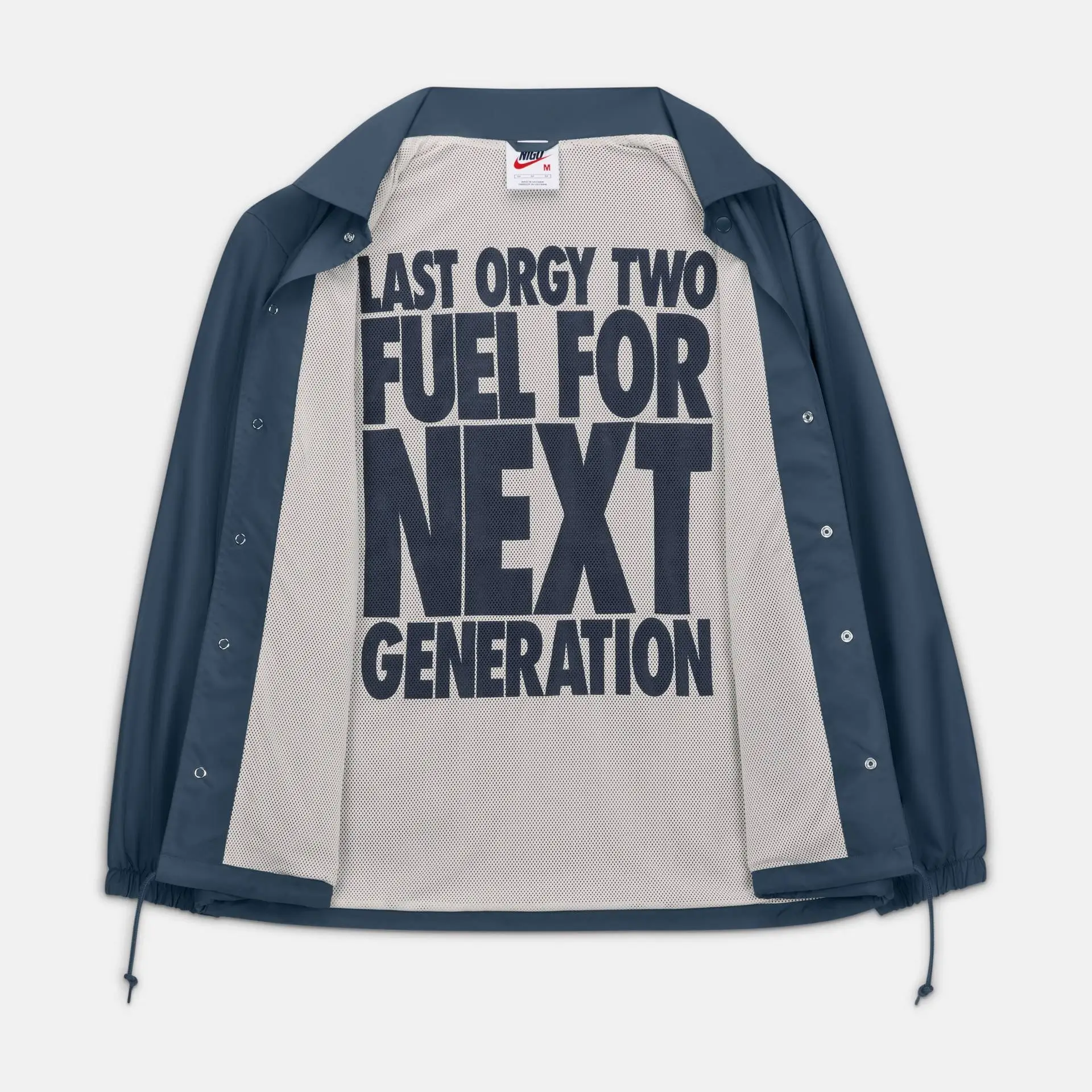
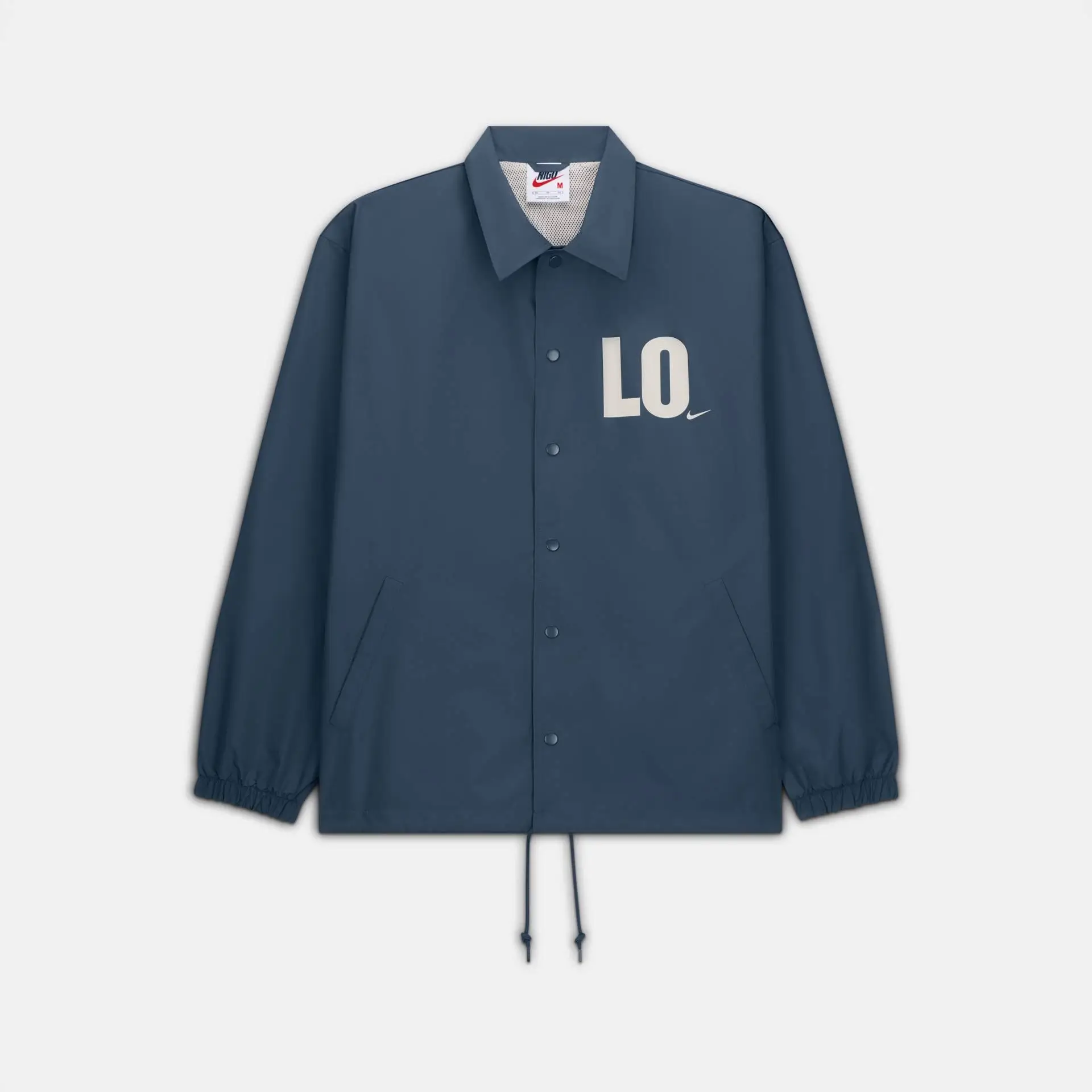
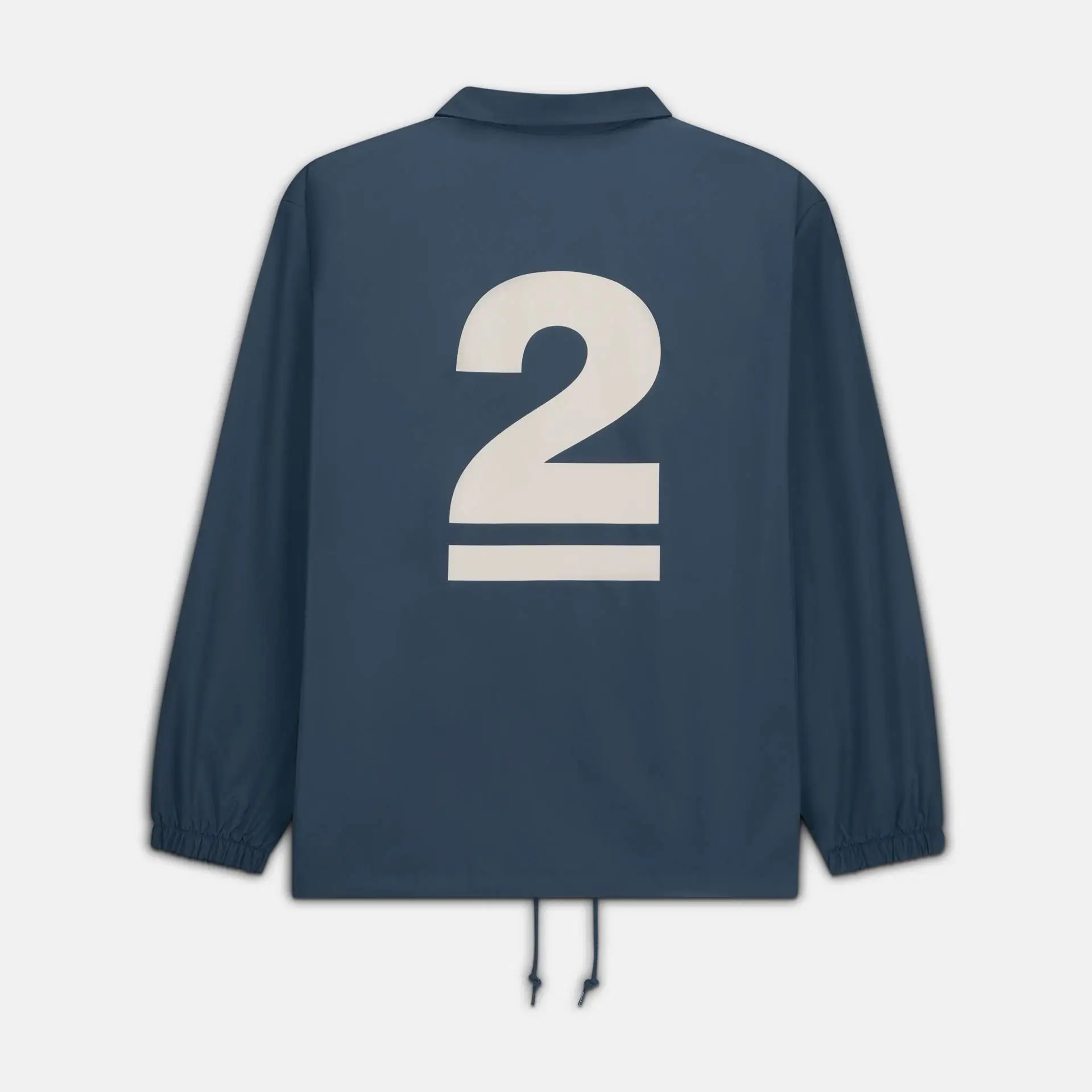
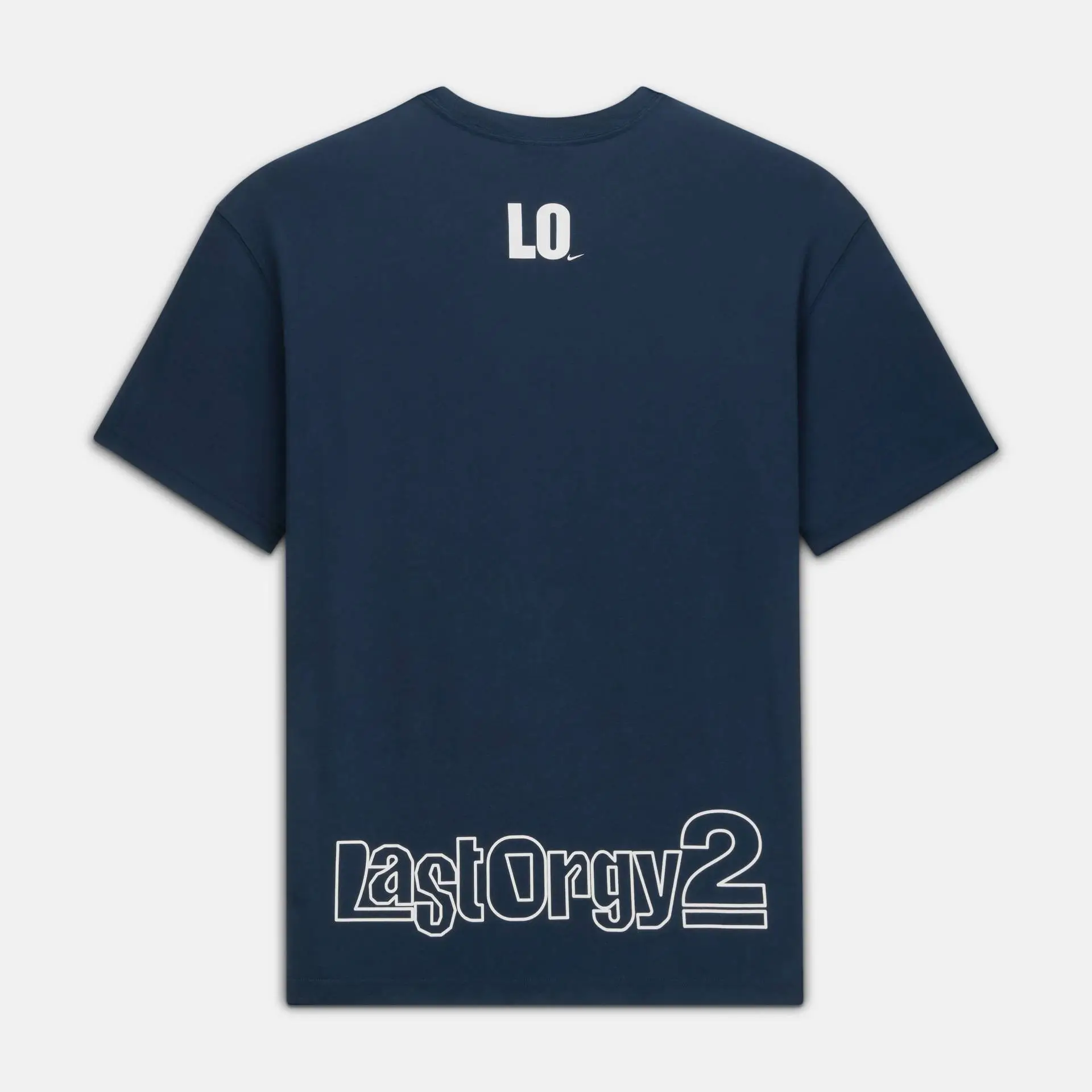
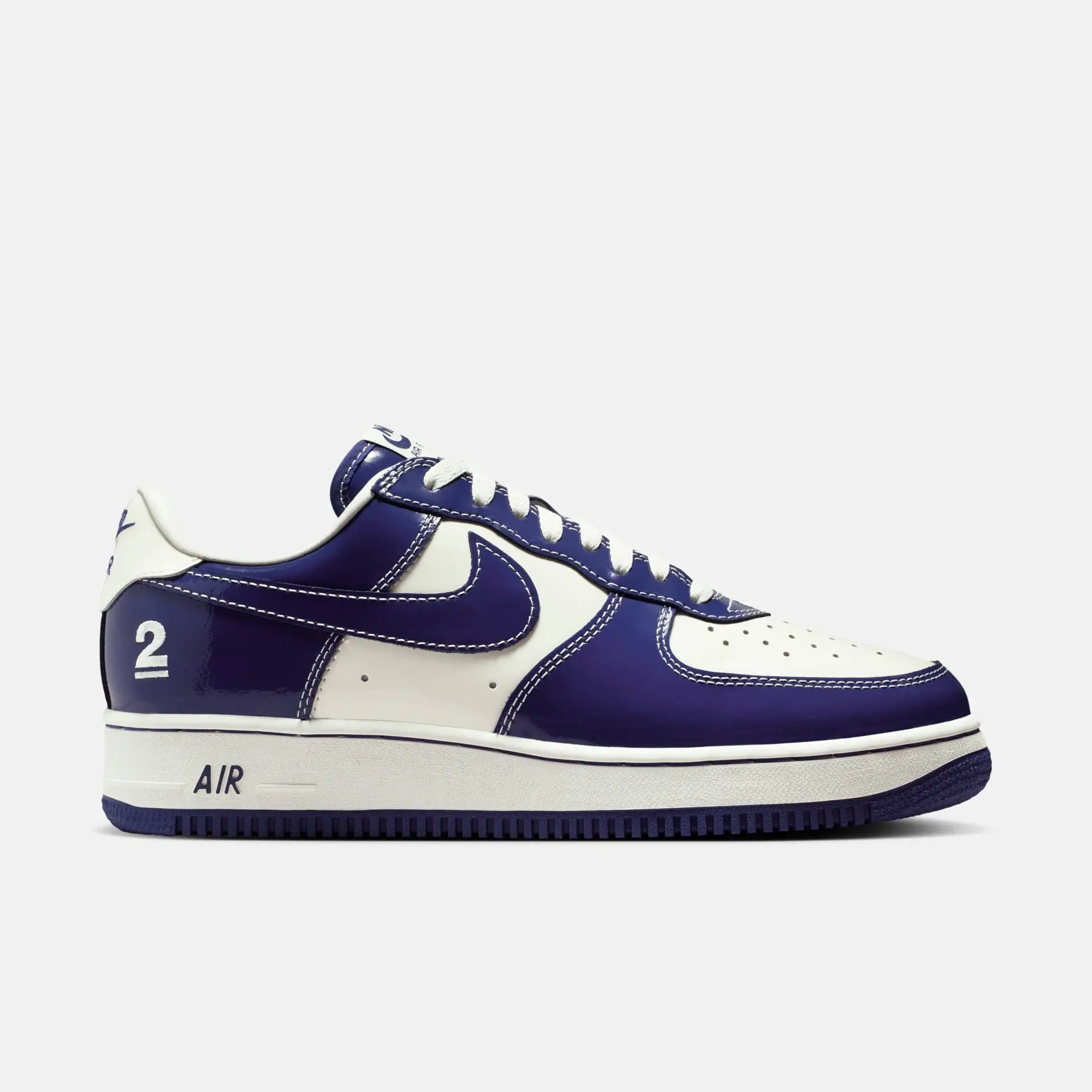
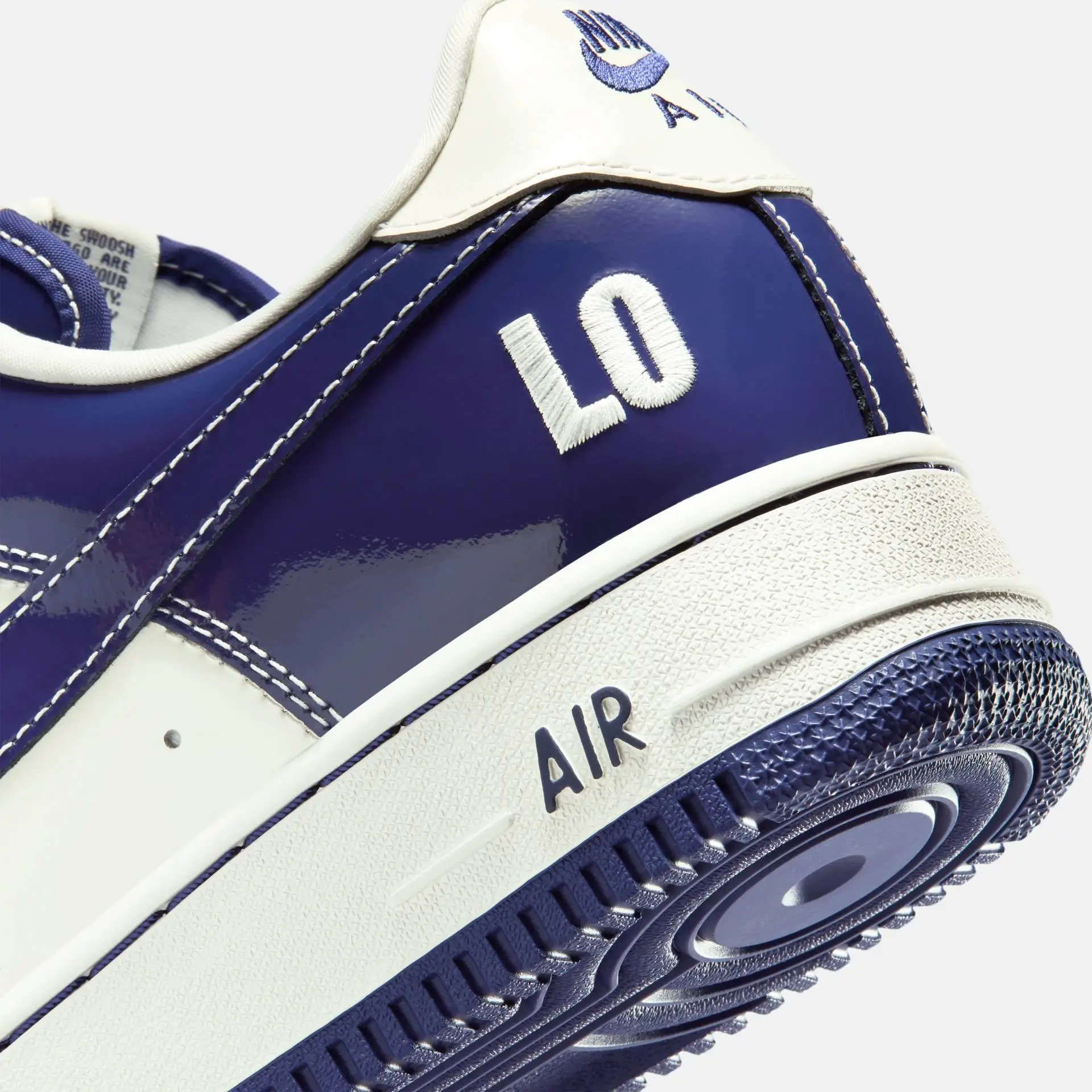
“Nike x NIGO® ‘Last Orgy 2’ Collection – A tribute to NOWHERE. Releasing 1st May in London and 2nd May at Human Made & Undercover.”
No image. No colorway. No product specs. Just text. And yet, for those who know, it lands like a bell tolling in a quiet room.
This is not a drop. It’s a summons.
View this post on Instagram
stir
“Last Orgy” is not a marketing phrase. It’s a cultural artifact—loaded with contradiction, energy, and finality.
“Orgy” evokes excess, intimacy, sensory overload. It’s not just about sex. It’s about abandon—about losing oneself in a moment of collective energy where boundaries collapse and identity becomes shared. In fashion, it speaks to the ecstasy of creation, the blur between designer, wearer, and moment.
“Last” suggests closure. Finality. A farewell. But within Japanese design language, “last” carries a softer weight. It is not just an ending—it is preservation. It is the act of holding onto a moment before it disappears.
And “2”? That’s the disruption.
This isn’t an ending. It’s a return. A sequel. A reopening of something thought complete.
The name alone reframes the collection. This is not trend. This is legacy being revisited in real time.
flow
NOWHERE was not a store. It was a manifesto.
Founded in 1993 in Ura-Harajuku by NIGO and Jun Takahashi, it became the birthplace of modern Japanese streetwear—a collision point where American vintage, hip-hop, punk, and Japanese precision intersected.
It wasn’t just retail. It was incubation.
Inside that space, identities formed. A Bathing Ape took shape. Undercover evolved. The Harajuku movement found coherence—not as trend, but as philosophy.
NOWHERE didn’t sell clothes. It sold a way of seeing.
And that distinction matters. Because what is being revisited now is not product—it is perspective.
scope
This is not just a collision. It is a convergence of ideologies.
NIGO® operates through memory. His work under Human Made reconstructs mid-century Americana—workwear, military garments, collegiate staples—filtered through Japanese precision and subtle humor. His language is familiarity reworked.
Jun Takahashi operates through tension. Undercover is not nostalgic—it is psychological. His garments often feel unresolved, caught between beauty and decay, structure and collapse. He designs emotion as much as form.
Nike operates through scale. It is the system that translates ideas into global language—performance, innovation, distribution. It is both platform and amplifier.
Together, they form three modes:
- Memory
- Disruption
- Function
The collection exists where those modes intersect.
show
The leak provides no views. That absence is not accidental.
It shifts attention away from consumption and toward interpretation. It asks a question before offering an answer: Do you understand what this is?
From the language, we can infer direction.
Nike silhouettes—likely foundational forms such as the Air Force 1 or Dunk—serve as base structures. Not because they are safe, but because they are legible. They carry history within their shape.
Onto that base, disruption is layered:
- Deconstructed panels
- Exposed stitching
- Patchwork materials
- Distressed finishes
Each element functions as a fragment of time. A reference point. A signal.
This is not customization. It is reconstruction.
archive
The implied material direction suggests more than aesthetic choice. It suggests a know.
Denim, canvas, nylon—these are not neutral fabrics. They carry labor, history, wear. They age view. They record time. Patchwork amplifies that effect. It creates multiplicity within a single object—different textures, different weights, different histories coexisting.
Distressing reinforces it. The garment appears lived-in before it is worn. It arrives with memory already embedded.
In a market dominated by perfection, this imperfection becomes narrative.
say
The release dates are precise. May 1st in London. May 2nd in Japan.
This is not logistics. It is storytelling. London operates as amplifier—a city where subculture becomes global language. Releasing there first externalizes the
narrative, allowing it to ripple outward.
Japan operates as origin—the return to source, to the spaces where Human Made and Undercover exist not as exports, but as context.
The sequence matters.
Outward, then inward. Expansion, then return.
View this post on Instagram
myth
The language of the leak is stripped. No exaggeration. No urgency.
It does not say “limited.” It does not say “exclusive.” It does not instruct you to act. Instead, it assumes you already understand.
This is myth-making. It constructs value not through persuasion, but through recognition. If you know, you know. If you don’t, the message does not adapt.
That refusal is the strategy.
rare
This collection is not aimed at the broadest audience. It is aimed at the most informed one.
The collector who remembers early A Bathing Ape graphics.
The observer who understands Undercover’s emotional language.
The historian who sees the line between Harlem, Tokyo, and global streetwear.
It speaks to memory, not discovery.
And in doing so, it creates a different kind of community—not consumers, but participants in a shared archive.
leg
In a landscape defined by speed—fast fashion cycles, algorithm-driven trends, instant production—this project does something slower.
It looks backward.
Not as nostalgia, but as preservation.
It asks a fundamental question: what deserves to remain?
What moments carry enough weight to be revisited—not remade, but reinterpreted?
The “Last Orgy 2” collection positions itself as one of those moments.
fin
This is not a shoe release. It is a reconstruction of context. It takes a moment—NOWHERE, 1993, Ura-Harajuku—and reframes it within the present, not as
replication, but as continuation.
The absence of imagery reinforces that. The product is secondary. The meaning comes first. In a culture saturated with visuals, that inversion feels almost radical.
Because attention is no longer captured—it is earned.
And what this collection ultimately proposes is simple, but rare:
That fashion is not just about what is new.
It is about what survives.