DRIFT AUDIO
Listen to this story
Choose a voice, then press play.
In the high-stakes world of franchise gaming, where creative visions clash with corporate recalibrations, Paramount has executed another signature pivot. The highly anticipated Avatar: The Last Airbender action-RPG, developed with Saber Interactive, has been quietly canceled. For fans dreaming of an expansive new chapter in the beloved universe, the news stings—but relief arrives in the form of Avatar Legends: The Fighting Game, launching July 23, 2026.
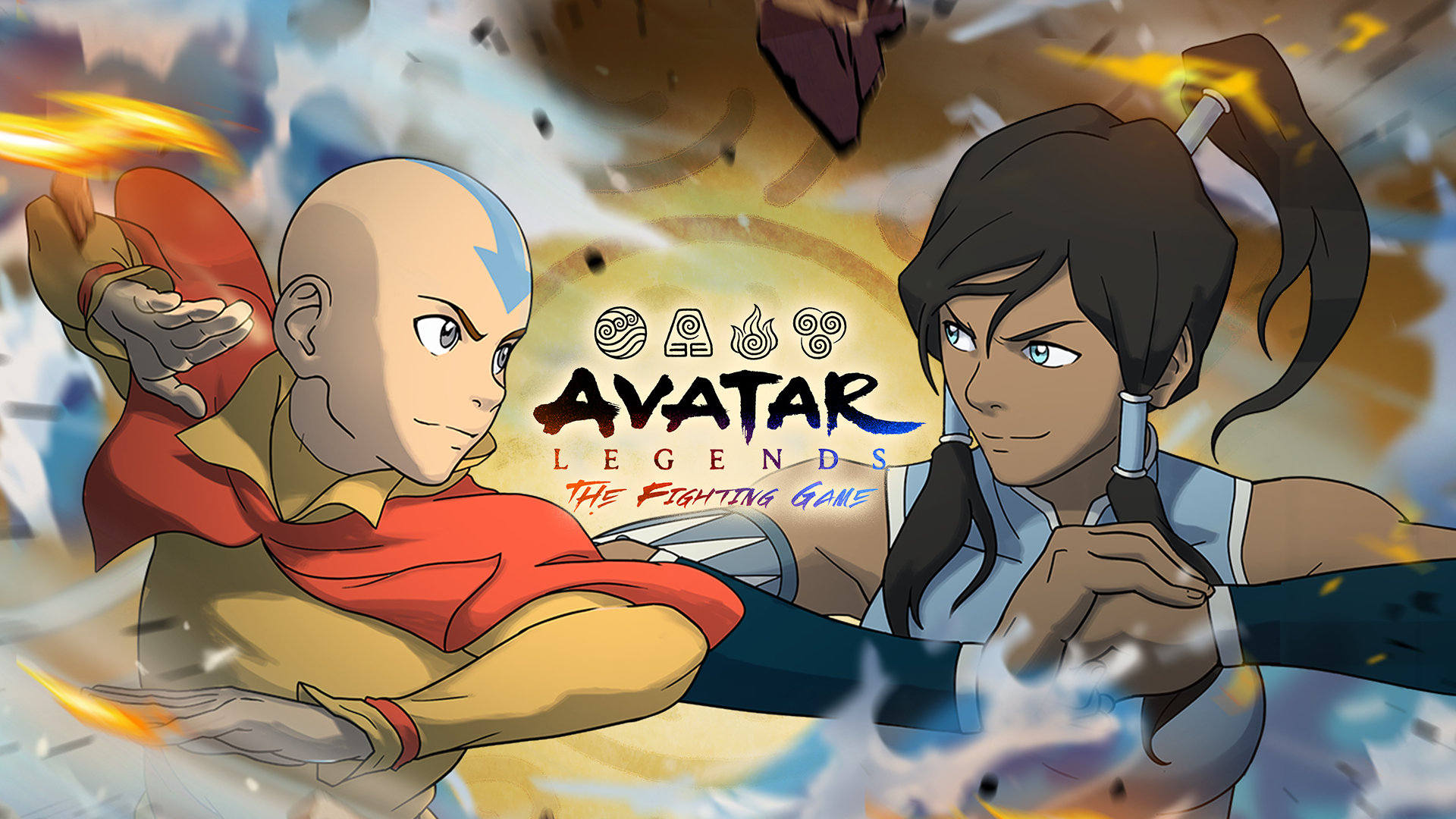
This isn’t just another project axed in development; it’s emblematic of how legacy IPs navigate the turbulent waters of mergers, restructurings, and risk management in modern entertainment. Yet amid the disappointment, the fighter offers a compelling, immediate way to engage with the elements. If you were eyeing that RPG, pivot your anticipation here—it’s time to get original with your bending mastery.
stir
Announced in October 2024 amid New York Comic-Con buzz, the untitled action-RPG (internally Ice Wars) promised something unprecedented: players embodying an entirely new Avatar, set roughly 7,000 years before Aang’s era. This prequel would explore uncharted lore, dynamic elemental combat systems, companion mechanics, and narrative choices that could reshape ancient civilizations—blending the know depth of Avatar with AAA RPG ambition.
Saber Interactive, riding high on Warhammer 40,000: Space Marine 2, was a strong partner. The project carried co-funding from Paramount and signaled big gaming plans post-Skydance merger. Fans imagined vast open worlds across reimagined Four Nations, intricate skill trees fusing bending with progression, and stories delving into balance, identity, and culture harmony.
Early concept art hinted at ancient bending spectacles and spirit-world immersion. It had the potential to bridge gens, introducing fresh audiences to the series’ themes of empathy and resilience through interactive storytelling.
Then reality intervened. Following the Paramount-Skydance integration, the newly formed Paramount Games Studio reviewed its portfolio. Shawn Kittelsen, SVP and Head of Creative and Production, confirmed the project never advanced past early pre-production under the new structure. It was shelved without fanfare, announced amid Summer Game Fest noise. Paramount insists Avatar remains a priority and hasn’t closed the door on future AAA efforts with the “right team,” but this iteration is done.
shuffle
“Paramount does a Paramount” captures the studio’s pattern of decisive, sometimes opaque realignments. From streaming consolidations to film slate adjustments, the company often trims for focus. In gaming—where budgets soar and timelines stretch—this means tough calls on pre-production orphans.
The RPG predated full gaming-team integration, leaving it vulnerable. Voice actor Greg Baldwin (Iroh) voiced fan frustration on X, critiquing executives for lacking the original series’ soul. His comments ignited backlash, highlighting tensions between corporate oversight and creative stewardship.
Counterpoints exist: Gaming is high-risk. Many announced titles fade. Refocusing on contained, polished experiences—like the fighting game—can be prudent. Developed by Gameplay Group International and published by PM Studios with Paramount/Nickelodeon support, it leverages the franchise’s combat core without the scope (and cost) of a full RPG.

scope
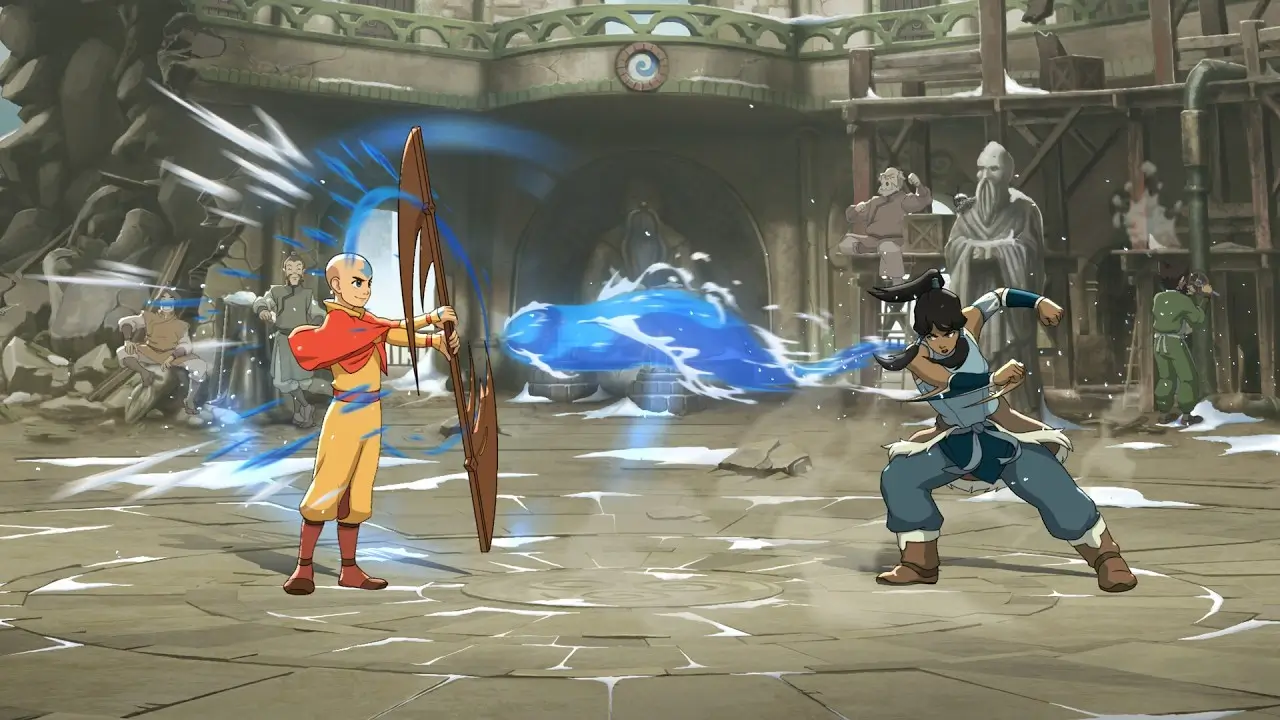
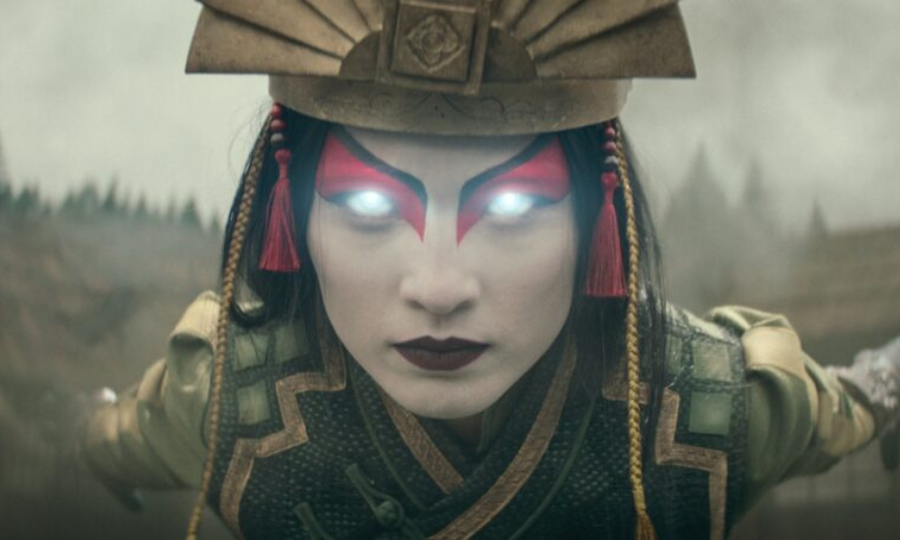
Avatar Legends: The Fighting Game turns mourning into momentum. Delayed slightly for polish (now July 23, 2026, after a July 2-5 closed beta), it delivers hand-drawn 2D animation that captures the series’ fluid, anime-inspired grace. The base roster of 12 includes Aang, Korra, Zuko, Toph, Azula, and standout Kyoshi, whose earthbending brings brutal grabs, dust-step dashes, and earth-rending supers.
Gameplay emphasizes expressive bending: water parries, air evasions, fire combos—all true to the source’s philosophy-in-motion ethos. Rollback netcode ensures smooth crossplay across PS5, Xbox Series X|S, Switch (and Switch 2), and PC. Modes span story-driven arcade, training with frame data, ranked, and a gallery of never-before-seen art. At $29.99, it’s accessible yet layered, with post-launch fighters planned.
Win poses pull from expanded lore—like Kyoshi training with Rangi—adding emotional resonance. Cross-era banter (Kyoshi schooling Aang) enriches the experience. This isn’t filler; it’s a vibrant distillation of Avatar’s combat DNA, perfect for casual nostalgia and competitive depth alike.
leg
Avatar has long influenced fashion and design: air nomad robes inspiring flowing streetwear, earth kingdom tones in utilitarian drops, fire nation reds fueling rebellious aesthetics. The RPG’s loss highlights challenges in adapting nuanced worlds to interactive formats, but the fighter succeeds by distilling essence—much like a designer remixing archival motifs into fresh silhouettes.
Its hand-drawn style and character-specific narratives echo streetwear that honors heritage while innovating. Support the title as a gateway, then explore comics, novels, and fan works. In an era of algorithmic content, handcrafted universes like this demand preservation.
fin
Cancellations test fan loyalty, but Avatar’s themes of adaptation and balance offer perspective. The fighter’s success could seed hybrid futures: fighter-RPG blends or immersive experiences. Paramount’s openness to “the right opportunity” keeps hope alive.
As July 23 nears, pre-order and dive into the beta. Channel inner bender energy: adapt, persist, find harmony in the arena. Franchises endure through passionate communities. The elements may shift, but the spirit of Avatar—resilience amid change—remains unbreakable.
This pivot refocuses on deliverable joy rather than distant ambition. In the cycle of creation and refinement, winter’s frost yields to renewal. Bend with it.
n
From the DRIFT archive: PANTONE’s 2026 Color of the Year Takes Shape With Play-Doh and Post-It Editions · Cornell Team Develops Ultrablack: The “Darkest Fabric Ever” That Reflects Close to No Light
Related Articles
Auroville Was Drawn as a Galaxy, and Its Buildings Are Still Negotiating With the Plan
Soil from 124 nations went into a marble urn in 1968. Architect Nipun Prabhakar says […]