DRIFT


The Night the War Ended in Europe

May 8, 1945, known as Victory in Europe (VE) Day, marked the end of the Second World War in Europe. For many across the Allied nations, the day was one of unrestrained joy, of collective exhalation after nearly six years of brutal conflict. Among those swept up in the euphoria was a young Princess Elizabeth—future Queen Elizabeth II—who, alongside her sister Princess Margaret, took to the streets of London in a moment of profound anonymity, youthful adventure, and shared celebration. As the world commemorates the 80th anniversary of VE Day in 2025, the late Queen’s reflections on that singular night have resurfaced, offering not just a window into royal life during wartime, but a vivid evocation of human spirit in times of victory.

Chapter One: A Royal Childhood in Wartime

Born in 1926, Princess Elizabeth Alexandra Mary Windsor was just 13 when Britain declared war on Nazi Germany in 1939. As the eldest daughter of King George VI and Queen Elizabeth (later known as the Queen Mother), she came of age in a nation besieged by air raids, rationing, and national service. Yet her experiences, while shaped by privilege, were nonetheless marked by duty, resilience, and a powerful sense of unity.

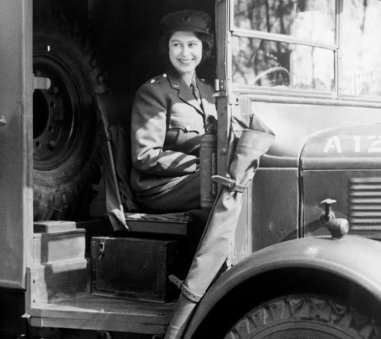
The royal family chose to remain in London during the Blitz, with Buckingham Palace itself bombed on multiple occasions. The King and Queen famously refused to flee to Canada, opting instead to share the hardship of their people. Elizabeth and Margaret were initially relocated to Windsor Castle for safety, but the weight of national expectation soon returned them to the capital. By 1945, Princess Elizabeth, now 19, was already a symbol of continuity and hope—her wartime broadcasts to children and her newly minted role as a Second Subaltern in the Auxiliary Territorial Service (ATS) embodying the monarchy’s public duty.

Chapter Two: A Nation Awash in Celebration

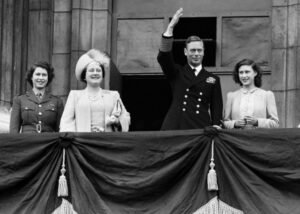
When news broke on May 7, 1945, that Germany had surrendered unconditionally to Allied forces, the response was instantaneous. Crowds surged into Trafalgar Square, Piccadilly Circus, and The Mall. Bonfires lit the night, flags waved from every window, and church bells rang across the United Kingdom for the first time since the war had begun. Prime Minister Winston Churchill addressed the nation, while the King prepared to speak that evening.

But it was the streets—alive with the singing of “Land of Hope and Glory” and impromptu dancing—that truly captured the spirit of the moment. People wept openly, kissed strangers, and climbed lampposts. For the British public, May 8 was a day when their endurance had finally borne fruit, when the losses of Dunkirk, the Blitz, and the long rationed years were answered by relief and renewed faith.

Into this sea of celebration slipped two of the most famous young women in the world—unrecognized, unguarded, and unburdened, if only for a night.

Chapter Three: “We Were Terrified of Being Recognized”

In later interviews and recollections, including a 1985 BBC documentary and a private letter revealed in royal archives, Queen Elizabeth remembered VE Day as “one of the most memorable nights of my life.” What made it so enduring? It wasn’t her father’s historic speech from Buckingham Palace’s balcony or the family’s official appearances. It was the fact that, just once, she experienced what it was like to be a regular teenager.

Alongside her 14-year-old sister Margaret and accompanied by a small group of royal aides and trusted friends, Elizabeth left Buckingham Palace incognito, blending into the crowd. “We asked my parents if we could go out and see for ourselves,” the Queen recalled. “I remember we were terrified of being recognized.” Wearing her ATS uniform, she joined the throng outside the palace gates and wandered as far as the Ritz, dancing arm in arm with strangers, caught up in the spontaneous rhythm of peace.

Reports from the time, corroborated later by royal insiders, describe the group slipping through the palace gates at about 9 p.m. and not returning until after midnight. “I remember lines of unknown people linking arms and walking down Whitehall, all of us just swept along on a tide of happiness and relief,” Elizabeth said in the same interview.

Chapter Four: The Young Monarch in Waiting

This moment of rebellion—brief and carefully measured—stood in contrast to Elizabeth’s otherwise orderly, highly disciplined life. Even at 19, she was conscious of her eventual role as monarch. Yet the decision to experience VE Day as one of the people reveals a deeply empathetic streak, one that would define her 70-year reign.

Queen Elizabeth II’s accession to the throne in 1952 marked the beginning of a new post-war chapter for Britain. Still, she often referred back to the lessons of the war. She described VE Day not simply as the end of conflict, but as the beginning of civic renewal, a period when the country banded together to rebuild shattered cities, families, and futures.

In a 1995 speech commemorating the 50th anniversary of the war’s end, she said: “We lost so many, and so much, but we gained strength, unity, and the knowledge that freedom once earned must never be surrendered.”

Chapter Five: Personal Remembrance, Public Memory

The resurfacing of Queen Elizabeth’s VE Day reflections for the 80th anniversary in 2025 speaks to the enduring fascination with how public figures experience private emotions during national turning points. Excerpts from her personal diary and recently declassified letters show a young woman deeply attuned to the gravity of the moment. In one note, she writes: “The lights are on again in London, and I felt as though the whole city was exhaling.”

This idea of shared breath—a national release—carries through the archival footage now being aired as part of the BBC’s anniversary programming. Viewers see young women dancing in uniform, servicemen kissing the pavement, and among them, somewhere, the future Queen, unseen and joyous.

Historians and royal biographers have long pointed to VE Day as a moment of personal formation for Elizabeth. “It was the first and last time she was able to move through the world as an ordinary citizen,” says Dr. Louise Bartlett, a royal historian at King’s College London. “That night taught her something about the people she would serve—not from a distance, but from the crowd.”

Chapter Six: The Palace, the People, and the Future

The 80th anniversary of VE Day has inspired a wave of tributes across the UK and Commonwealth. At Buckingham Palace, a projection of archival photos—including a silhouette of Princess Elizabeth in uniform—lights the building’s façade each evening leading up to May 8. King Charles III and Queen Camilla are set to lead the commemorations, laying wreaths at the Cenotaph and hosting veterans at a garden reception.

Younger royals, including Prince William and Princess Catherine, have recorded messages reading excerpts from wartime letters. In these ceremonies, the late Queen’s memory serves not only as a link to the past but as a bridge across generations—a reminder of the unity forged in crisis.

In a statement from the Palace, King Charles recalled his mother’s story of the night, saying: “My mother always held that evening close to her heart—not only for the joy it brought, but for what it taught her about the spirit of this country.”

Impression

Eighty years on, Queen Elizabeth II’s account of VE Day still resonates—not as a tale of royal escapade, but as a reflection of the uniquely British blend of solemnity and celebration. Her memories, once shared in a whisper, are now spoken aloud across airwaves and ceremonies, serving as a national inheritance.

In a world now facing new uncertainties, her night among the people reminds us of what peace feels like when it’s finally grasped. And what leadership looks like when it’s shaped by empathy, humility, and a willingness—even just once—to take off the crown and join the crowd.

Related Articles

Modern data center facility with a solar-panel-clad exterior, bright green administrative offices, and secure perimeter fencing, showcasing sustainable digital infrastructure and renewable energy integration

Lombardy’s Data Center Boom: Balancing Digital Ambition with Environmental Responsible

Lombardy has emerged as Italy’s primary hub for new digital infrastructures, particularly data centers—vast complexes […]

In a highly anticipated reunion after 24 years, Adidas Originals and Coca-Cola have joined forces once again to celebrate the FIFA World Cup 2026™. The collaboration revives their iconic 2002 partnership from the Japan-South Korea tournament, now reimagined for the biggest global sporting event of 2026, co-hosted by the United States, Canada, and Mexico. Set to launch on June 6, 2026, this collection masterfully blends Adidas' streetwear heritage with Coca-Cola's timeless branding, creating a vibrant fusion of football culture, nostalgia, and modern style. The drop arrives at a perfect moment. With the World Cup kicking off on June 11, 2026, fans worldwide are gearing up for a summer of football excitement. This collaboration isn't just merch—it's a cultural statement that merges two legendary brands under the banner of "Originals are the Real Thing," a clever twist on Coca-Cola's famous slogan. Historical Context: A Reunion 24 Years in the Making Adidas and Coca-Cola first collaborated during the 2002 FIFA World Cup, producing limited-edition pieces that captured the era's energy. That partnership helped define early 2000s football-streetwear crossover culture. Fast-forward to 2026, and the brands are back with fresh energy, leveraging Adidas' deep FIFA ties (as an official partner) and Coca-Cola's long-standing sponsorship of the tournament. The 2026 edition promises to be historic as the first 48-team World Cup, spanning three countries and generating unprecedented global hype. This collab taps into that momentum, offering fans wearable pieces that celebrate both brands' legacies while looking forward to the future of football fashion. Collection Overview and Design Philosophy The Adidas Originals x Coca-Cola collection fuses 2000s street style with classic sporting aesthetics. Expect bold reds, creams, whites, and silver accents inspired by Coca-Cola's iconic packaging—think classic script logos, droplet detailing, and can-inspired motifs. The lineup spans footwear, apparel, and accessories, divided into two visual directions: one logo-heavy and graphic-forward, the other drawing from vintage advertising aesthetics. Designs pay homage to Coca-Cola's visual language while staying true to Adidas Originals' archival roots. High-quality materials, attention to detail, and versatile silhouettes make these pieces suitable for both match-day wear and everyday street style. The campaign, featuring young football star Lamine Yamal and a diverse cast in everyday scenes building anticipation for the tournament, reinforces themes of originality and shared cultural moments. Footwear Highlights Footwear takes center stage in this collaboration, with reimagined takes on iconic 2000s Adidas silhouettes: Samba and Superstar Models: These classics get Coca-Cola treatment with white/cream/red colorways and prominent script branding. The Samba blends street heritage with football roots, while the Superstar II features weathered bases and bold side panels. Expected pricing around $110–$130. Adistar Control 5: A standout with droplet detailing mimicking condensation on a cold Coke can. This model brings performance-inspired design into lifestyle territory. Predator Sala: Indoor/hybrid style with silver-and-red accents, nodding to predatory precision on the pitch and Coca-Cola's bold energy. Climacool 1: Revived with breathable tech and Coke-inspired graphics, perfect for warm summer days. Megaride F50: A highlight paying tribute to the iconic Coca-Cola glass bottle, with unique contours and refreshing design cues. Each pair incorporates thoughtful details like embroidered logos, custom insoles, and packaging that mimics vintage Coke crates or cans. These shoes are built for durability and comfort, appealing to sneakerheads, football fans, and casual wearers alike. Apparel and Accessories Beyond kicks, the collection offers a full lifestyle range: Track Tops and Jerseys: Standout jerseys fuse retro Coca-Cola advertising from different eras into cohesive football designs. Track jackets feature signature three stripes alongside Coke branding, in vibrant reds and classic whites. Shorts and T-Shirts: Relaxed fits with graphic prints, ideal for casual wear or layering. Expect motivational football motifs blended with refreshing beverage references. Accessories: A bright red airliner bag stands out as a functional statement piece. Additional items may include caps, socks, and tote bags carrying the collaborative spirit. The apparel emphasizes comfort with premium cotton blends, mesh panels for breathability, and oversized silhouettes popular in contemporary streetwear. Unisex sizing and inclusive fits make the collection accessible to a broad audience. Cultural Impact and Fan Appeal This collaboration resonates on multiple levels. For football fans, it represents national pride and global unity ahead of the 2026 tournament. Sneaker enthusiasts will appreciate the nostalgic 2000s revival mixed with modern execution. Streetwear collectors see it as a prime example of how heritage brands can innovate through partnerships. In an era where sports and fashion increasingly intersect, Adidas and Coca-Cola deliver pieces that transcend the pitch. Wear them to watch matches at home, attend watch parties, or hit the streets in any host city—New York, Los Angeles, Toronto, or beyond. The designs are versatile enough for gym sessions, festivals, or daily commutes. The timing aligns perfectly with rising interest in football in North America, boosted by the co-hosting nations. Young talents like Lamine Yamal in the campaign help bridge generational gaps, attracting newer fans while satisfying longtime supporters. Where to Buy and Release Details The collection launches globally on June 6, 2026, via: Adidas CONFIRMED app (for early access and raffles) Adidas.com Select retailers and flagship stores worldwide Some regions may see staggered drops, with Japan and other markets getting early access. Prices are expected to range from $50–$150 depending on the item, making it relatively accessible compared to ultra-limited drops. Pro Tips for Copping: Enable notifications on the CONFIRMED app. Check local stock at Adidas stores in major cities. Monitor resale platforms post-drop for exclusive colorways, but be wary of markups. Size up slightly for oversized apparel fits. Given the World Cup hype, popular items like the Sambas and jerseys are likely to sell out quickly. International shipping is available, but factor in potential customs delays. Styling Suggestions Match Day Look: Pair a collaborative jersey with classic black shorts and Samba sneakers for effortless fan style. Streetwear Rotation: Layer a track top over a graphic tee with wide-leg pants and the Megaride F50 for a bold urban ensemble. Casual Summer: White Superstar with denim shorts and the airliner bag for a refreshing, vacation-ready vibe. These pieces mix seamlessly with existing Adidas or neutral wardrobes, maximizing versatility. Broader Context in 2026 Fashion and Sports The Adidas x Coca-Cola drop is part of a larger wave of high-profile collaborations tied to the World Cup. Adidas continues its dominance in football kit design, while Coca-Cola leverages its sponsorship with collectibles, bottles, and experiential activations like the Trophy Tour. In the sneaker industry, this collab exemplifies the ongoing trend of lifestyle reinterpretations of performance silhouettes. It also highlights how global brands use major events to drive cultural conversations around unity, originality, and joy—core values for both companies. Sustainability notes (based on Adidas' broader initiatives) suggest some pieces may incorporate recycled materials, aligning with modern consumer expectations. Looking Forward: Legacy and Excitement As the countdown to kickoff continues, this collection serves as the perfect prelude to an unforgettable summer of football. Whether you're a die-hard supporter, a fashion-forward collector, or someone seeking motivation through style, the Adidas Originals x Coca-Cola FIFA World Cup 2026 lineup delivers. Expect potential restocks, special event exclusives in host cities, and continued campaign content featuring more athletes. This isn't just clothing—it's a ticket to participate in the global celebration of the beautiful game. Mark your calendars for June 6, 2026. Refresh your wardrobe, lace up those Sambas, and get ready to cheer on your team in style. The "Real Thing" meets the Originals in what promises to be one of the most talked-about releases of the year. This collaboration captures the essence of football's universal appeal: bringing people together through shared passion, iconic brands, and unforgettable moments. As the world prepares for 2026's expanded tournament, Adidas and Coca-Cola remind us that some partnerships are truly timeless.

Adidas Originals x Coca-Cola Collection: FIFA World Cup 2026

In a highly anticipated reunion after 24 years, Adidas Originals and Coca-Cola have joined forces […]

Loewe shoulder bag crafted in brown and black leather with minimalist lion face detailing and a matching fur tail charm

180 Years Unfolded: The Full Story Behind Loewe’s New Campaign

The year was 1846. Queen Victoria was on the British throne and the telephone, the […]