Quick Draw: James – Six Minutes of Street Art Energy

October 3, 2025
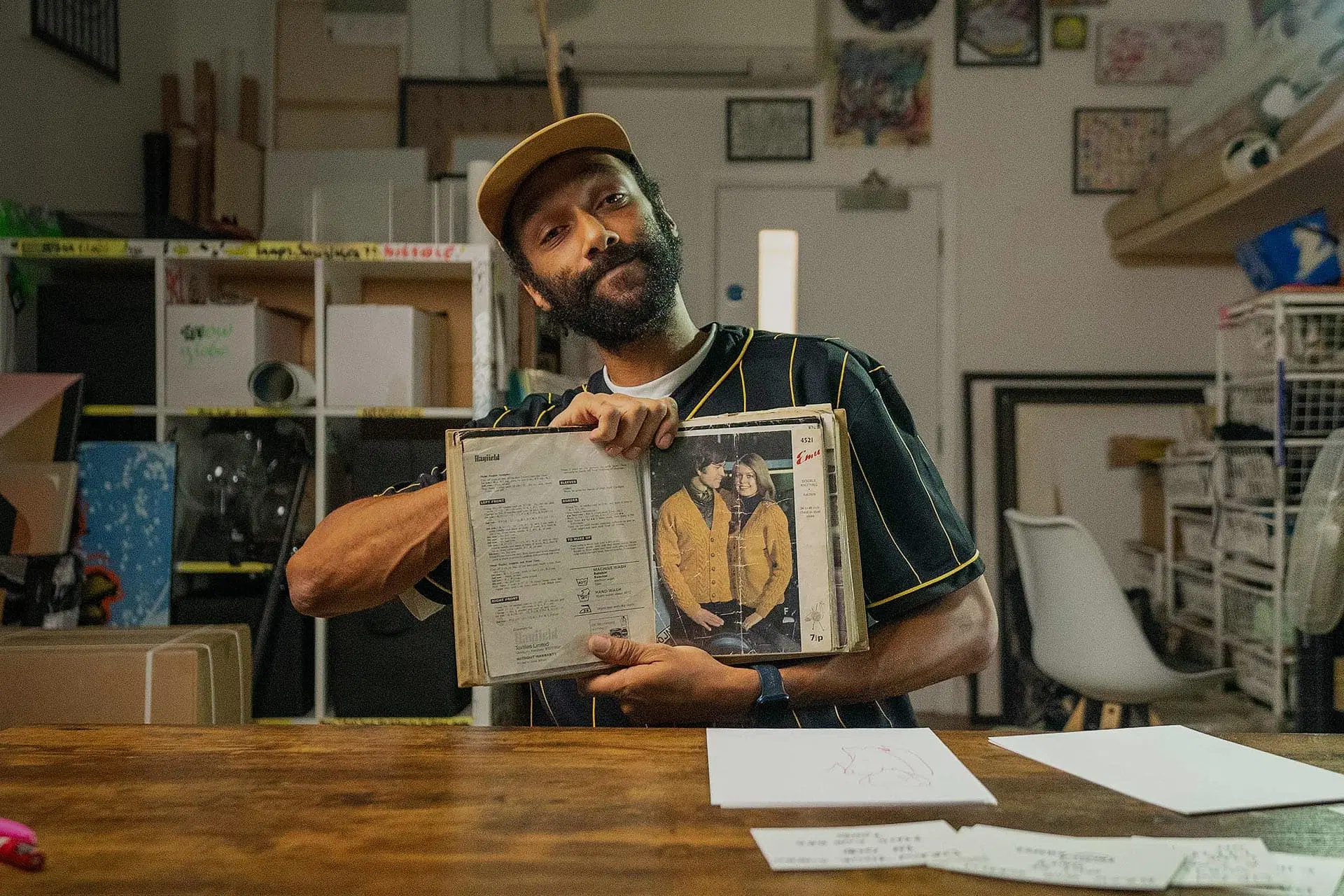
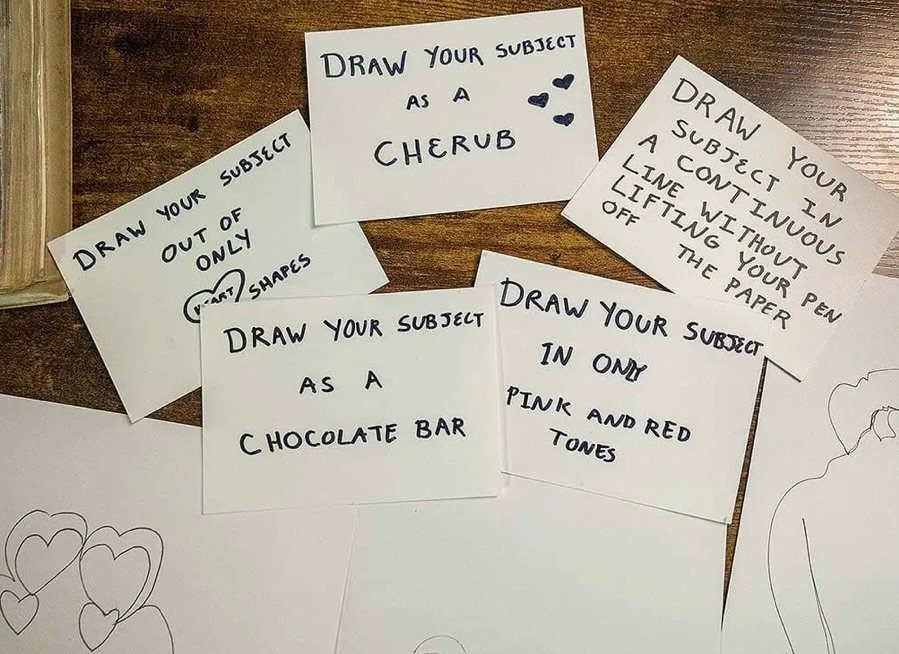
Street art has always been about urgency. Walls get painted over, train cars move on, graffiti is buffed away before the morning commute. Into this tradition of impermanence steps Quick Draw, Global Street Art’s series of short artist features. Each episode distills an artist’s practice into a matter of minutes, and the “Quick Draw: James” installment runs just six. It may seem like a short burst, but in the compressed world of urban creativity, six minutes can feel like an eternity.
The Global Street Art Framework
Global Street Art began as a photographic archive of murals and graffiti worldwide. Over the past decade it has evolved into one of the leading platforms for hand-painted advertising and mural commissions. Its Quick Draw series forms part of its cultural mission: to introduce artists not just as producers of imagery but as personalities, voices, and participants in the ever-shifting world of street culture.
The series is built on accessibility. A few minutes of screen time is manageable for casual audiences, yet rich enough to showcase process and personality. James joins a list of artists who have been granted this condensed spotlight—names like Ed Hicks and Pete Barber—each episode reinforcing Global Street Art’s role as documentarian as much as promoter.
Who is James?
James remains enigmatic. Unlike globally known figures whose reputations precede them, James’s identity unfolds within the frame itself. He is a reminder that many artists who shape urban landscapes remain partially hidden, recognized more through style than through personal narrative.
The name itself, “James,” is deceptively simple. Common yet universal, it allows viewers to project themselves into the work. James could be anyone’s neighbor or colleague, painting walls at night or sketching during breaks. The anonymity echoes graffiti culture’s long-standing tradition of pseudonyms and partially veiled identities.
Sketchbook on Screen
The six-minute runtime structures the episode like a sketchbook flipped open and closed again. Viewers glimpse:
-
Hands working quickly across a wall.
-
Colors seeping into brick textures.
-
Voiceover fragments that oscillate between anecdote and philosophy.
-
A montage of finished works alongside footage of the act of creation.
This rhythm mimics the very pace of graffiti itself. Street artists often work quickly, under pressure, battling both weather and time. The Quick Draw format becomes a mirror of that urgency.
Themes and Motifs
Though we lack a transcript of the video, the format suggests key themes:
-
Speed and Spontaneity — Art as instinct, trusting the first mark.
-
Process as Story — Viewers don’t just see finished murals; they witness them taking shape.
-
Urban Canvas — City walls become extensions of the artist’s imagination.
-
Accessibility — Anyone can watch and connect within minutes.
These themes position James as part of a broader narrative: contemporary artists who thrive in the overlap between ephemerality and permanence.
The Name “Quick Draw”
The title is not accidental. It carries dual meanings. On one hand, it references sketching—fast, gestural drawing that privileges energy over polish. On the other, it recalls the gunslinger’s duel, where speed determines survival. For graffiti artists, painting quickly is both necessity and art form. James, in this framing, is the gunslinger of spray cans, drawing not weapons but visions.
The Aesthetic Imagination
Although the episode itself is scarce in public documentation, one can imagine James’s style: fluid sketches becoming murals, color fades reflecting city lights, characters emerging half-formed before being filled with vibrancy. Quick Draw emphasizes process, so the beauty lies not just in the final piece but in the unfinished moment.
Impression
Quick Draw: James proves that brevity does not mean triviality. In six minutes, viewers receive a portrait of an artist, a glimpse of a style, and an invitation to explore further. Global Street Art’s series functions as archive, promotion, and cultural storytelling all at once.
James may remain partially anonymous, but his creativity speaks loudly in the Quick Draw frame. For him—and for audiences worldwide—six minutes is enough to make a lasting impression.
Related Articles
Chasing the Sort Sol: Inside Søren Solkær’s Six Year Pursuit of Europe’s Starling Clouds
A Danish portrait photographer spent six years following a bird nobody photographs on purpose, and […]