DRIFT AUDIO
Listen to this story
Choose a voice, then press play.
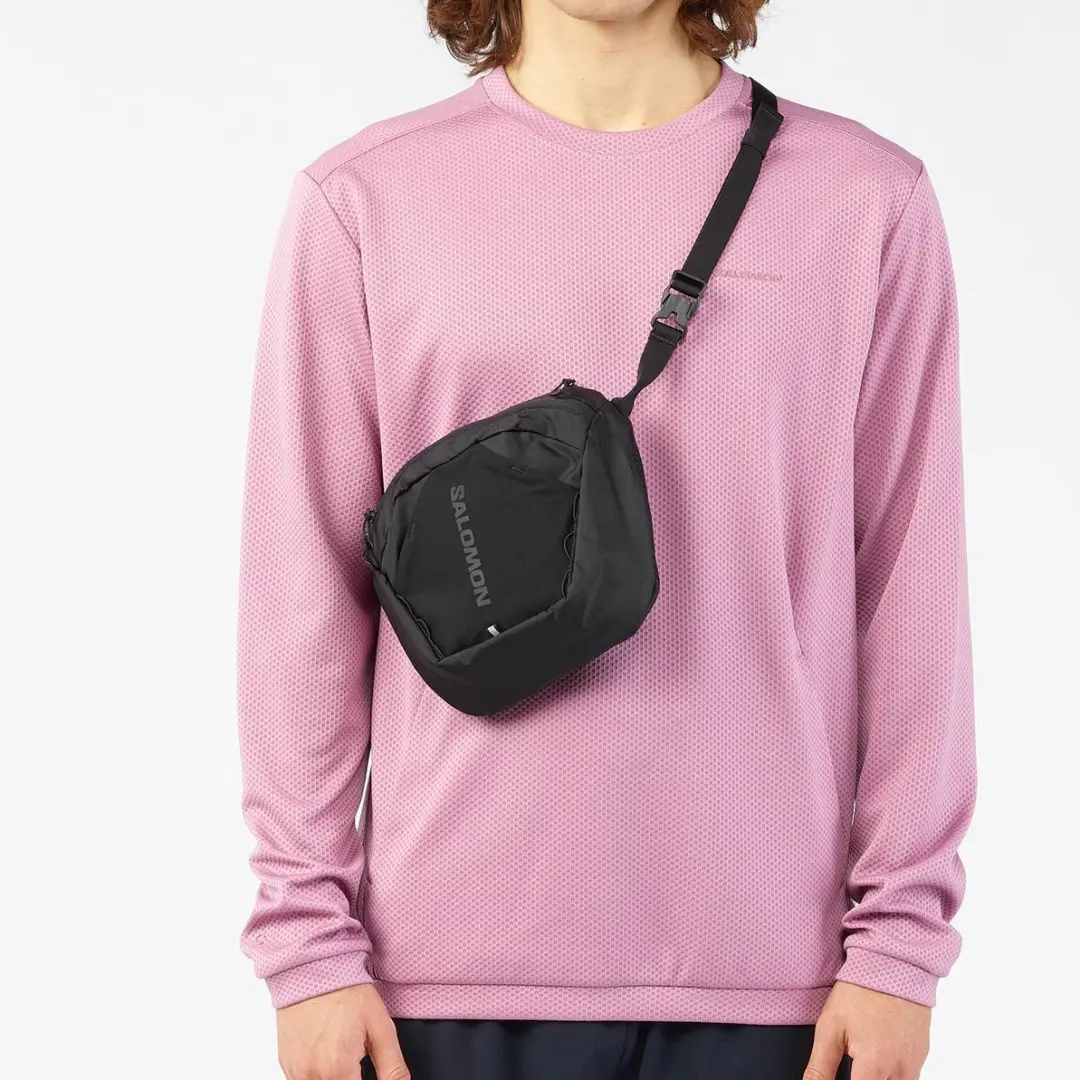
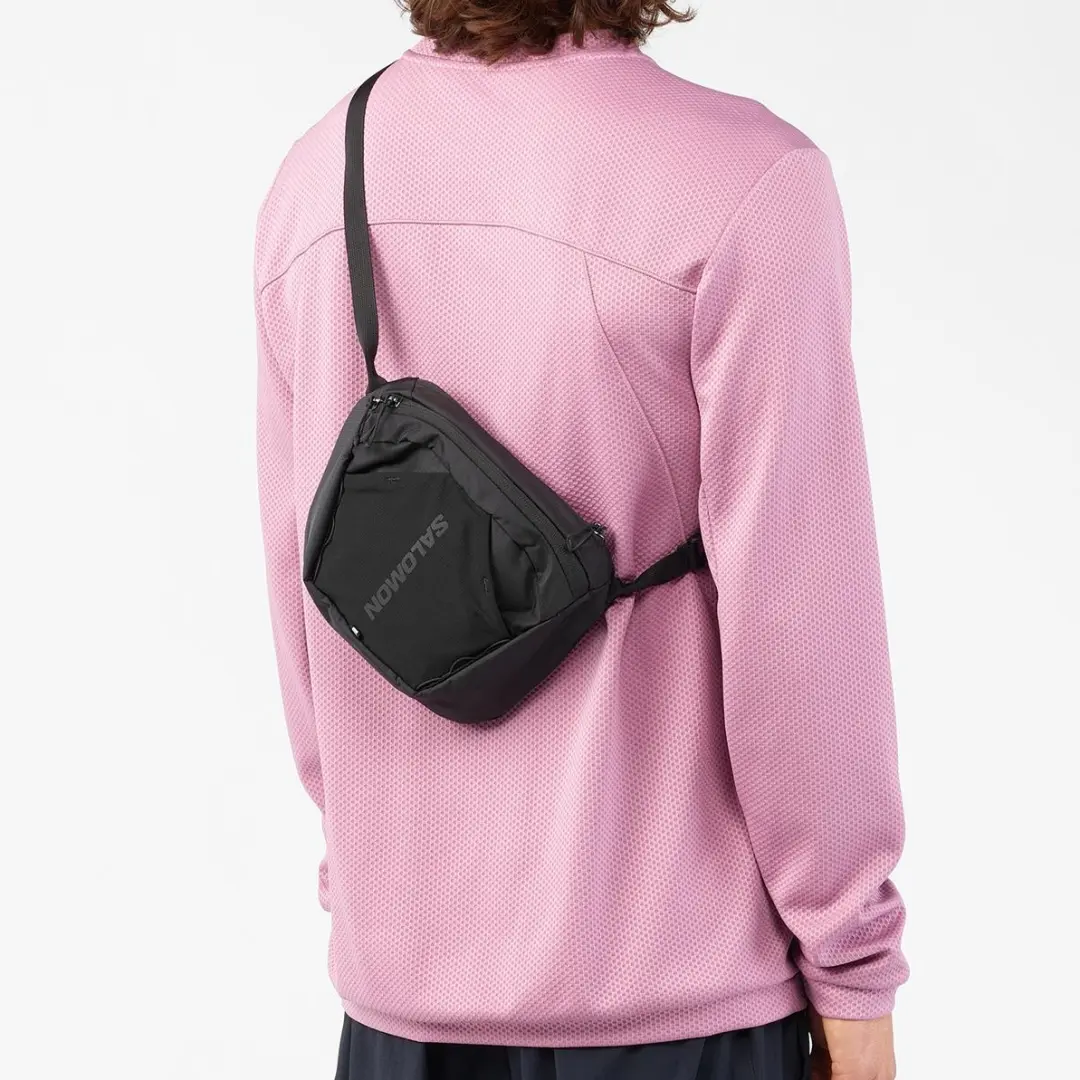
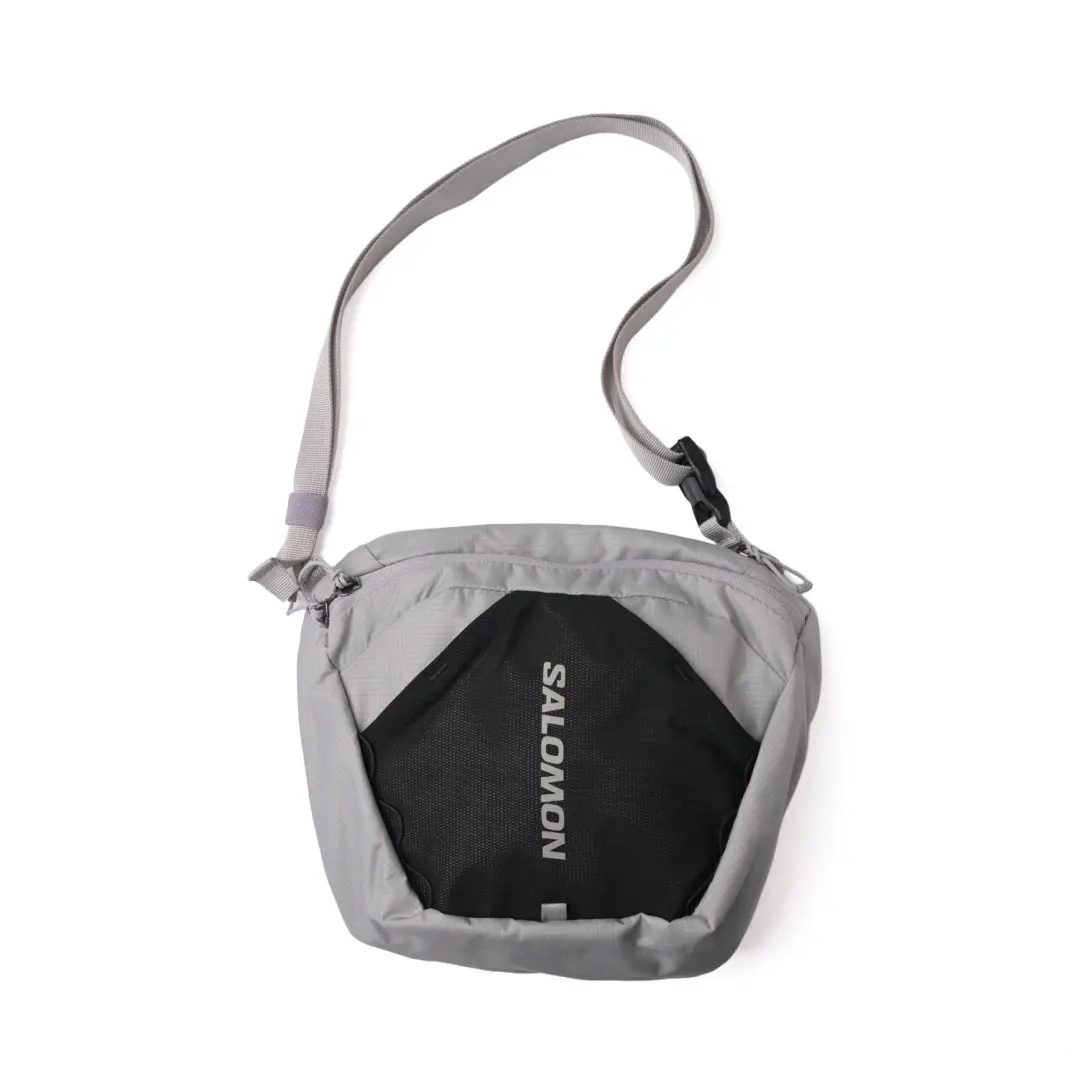
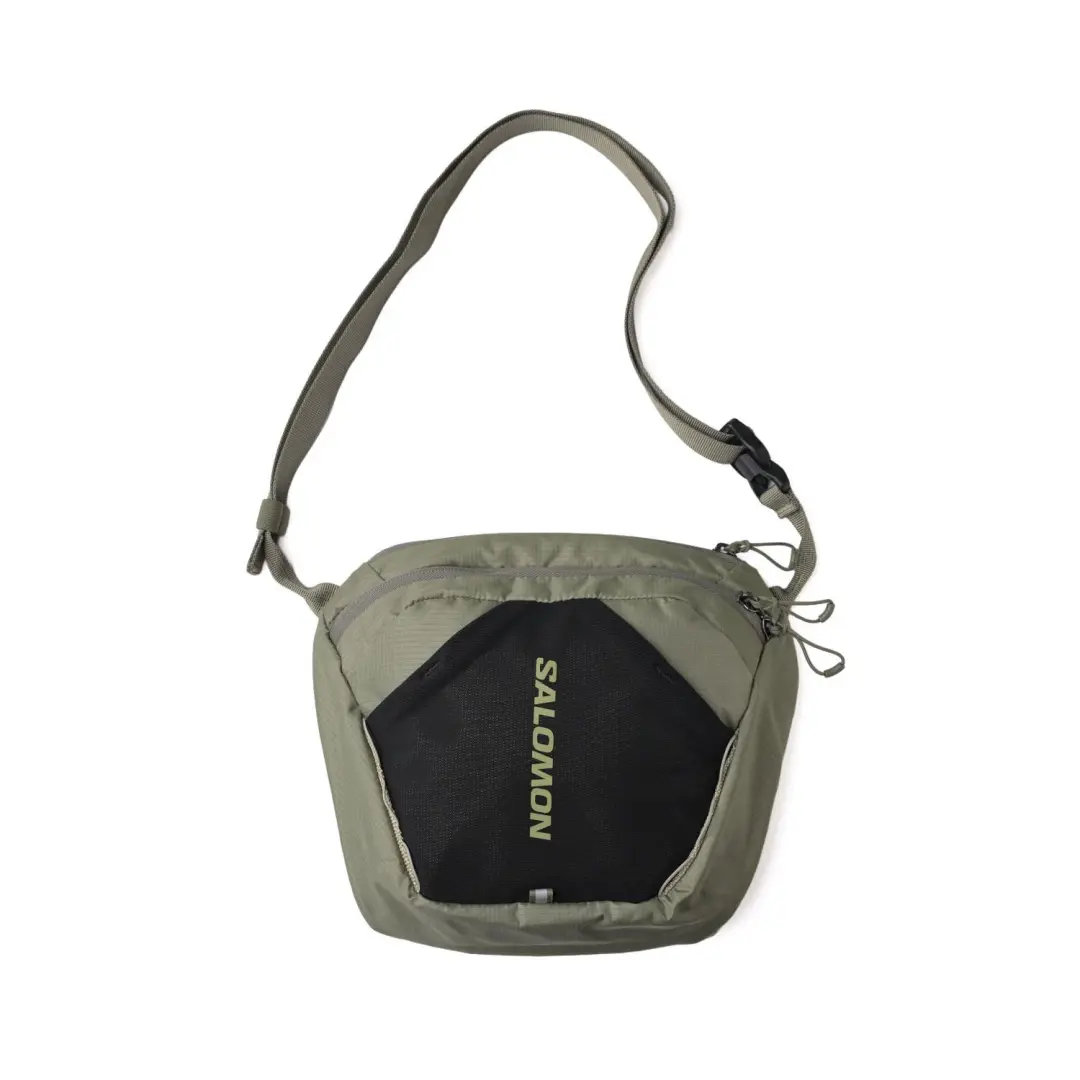
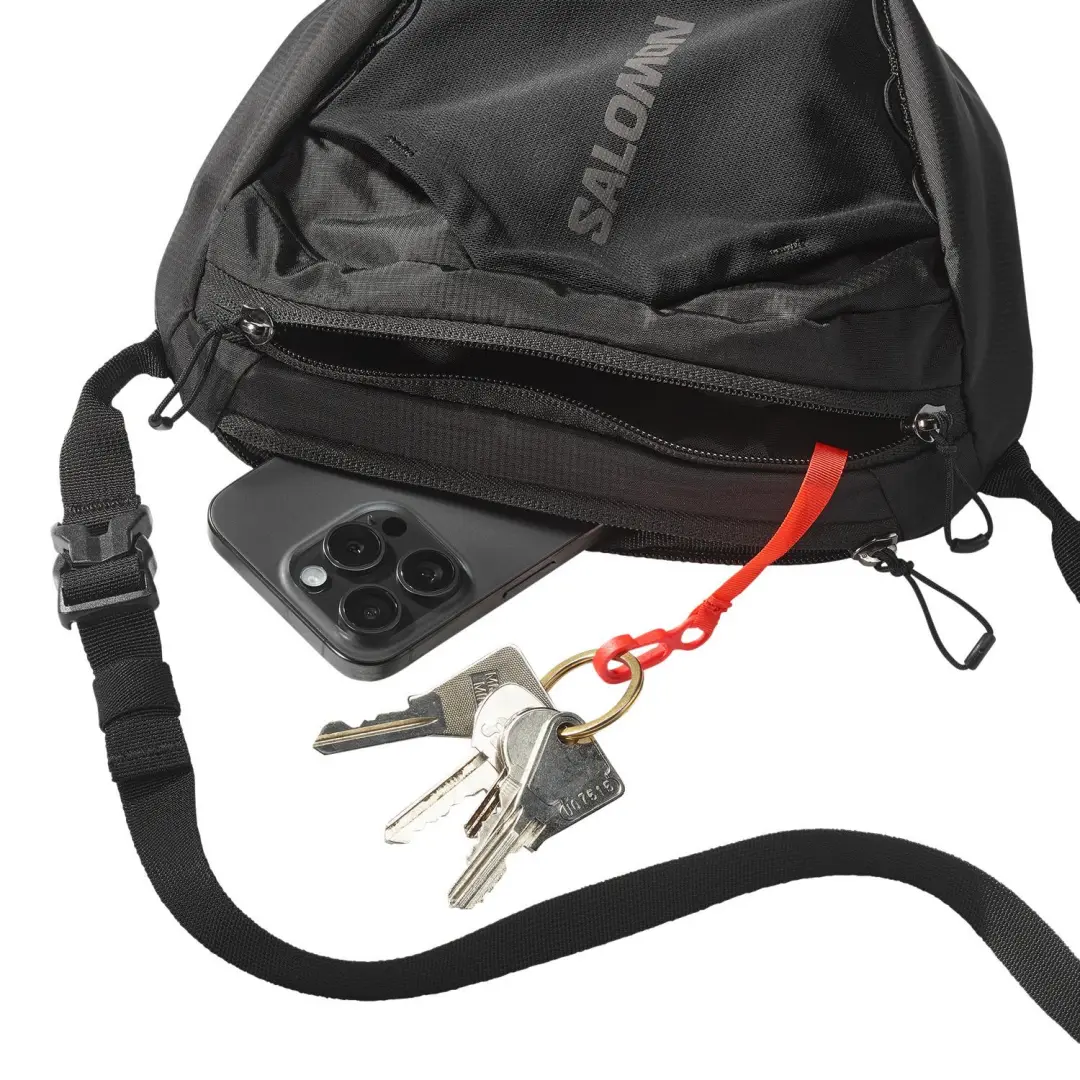
The ACS Small and Large waist packs strip Salomon’s outdoor language down to a buckle, a zipper, and three shh colorways built for the street.
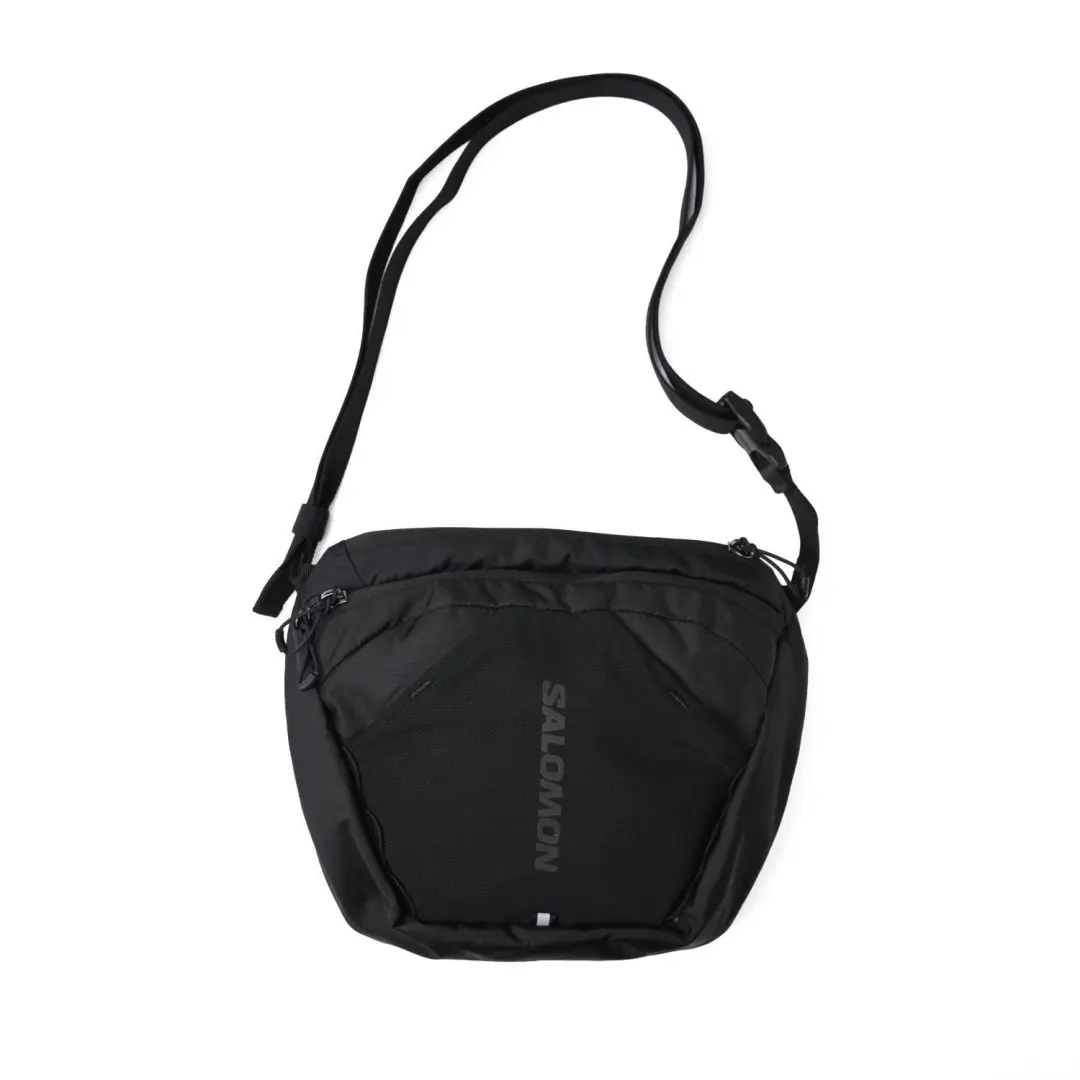
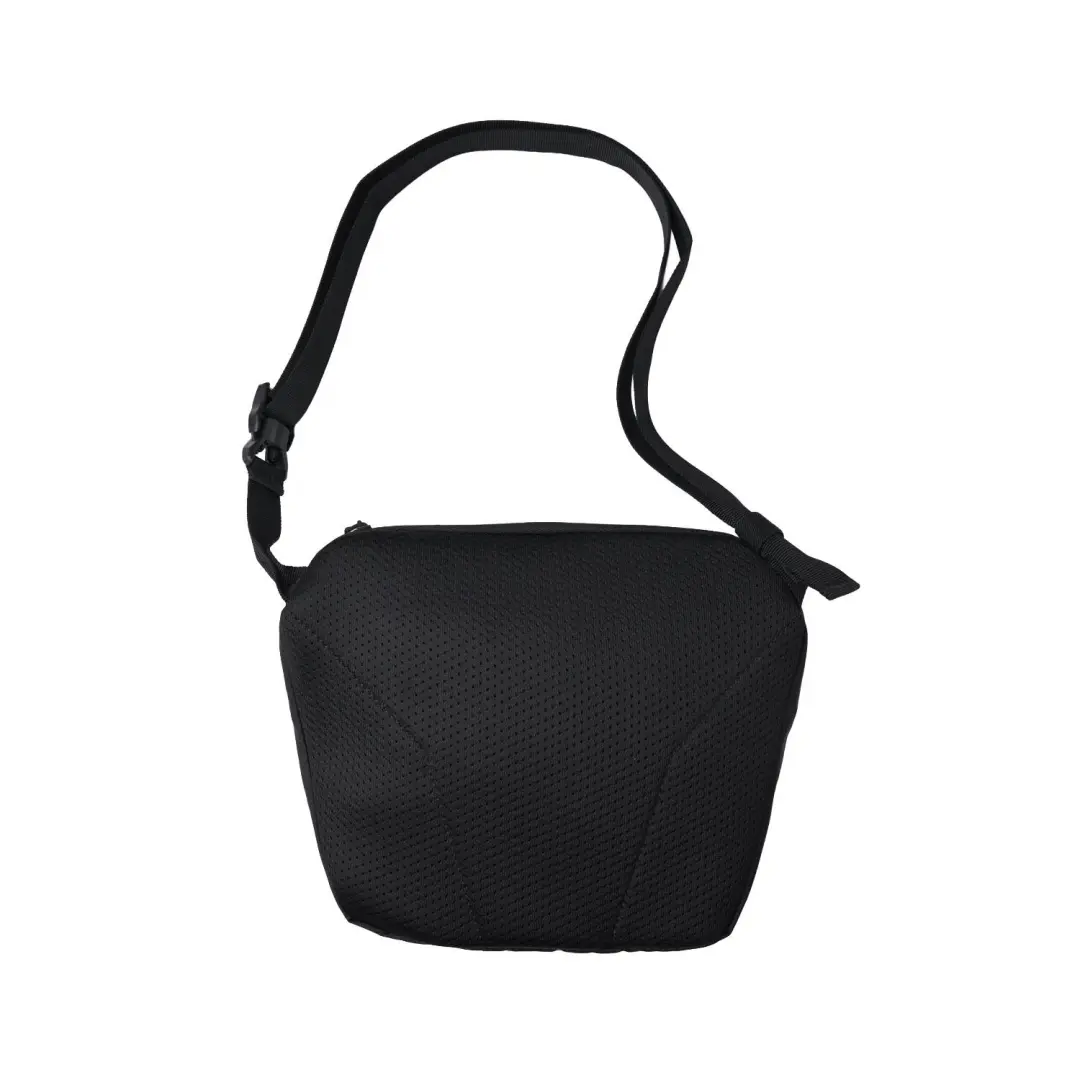
Salomon is releasing the ACS Small and ACS Large waist packs, a pair of belt bags that trade the brand’s usual trail jargon for something closer to an day city accessory. The two sizes arrive across the same three colorways: a muted green and tan combination called Deep Lichen Green/Tea, a warm grey called Paloma, and black. Each pairing gets its own article number, six in total: LC3046400, LC3046300, and LC3046200 for the Small, and LC3051900, LC3051800, and LC3051700 for the Large.
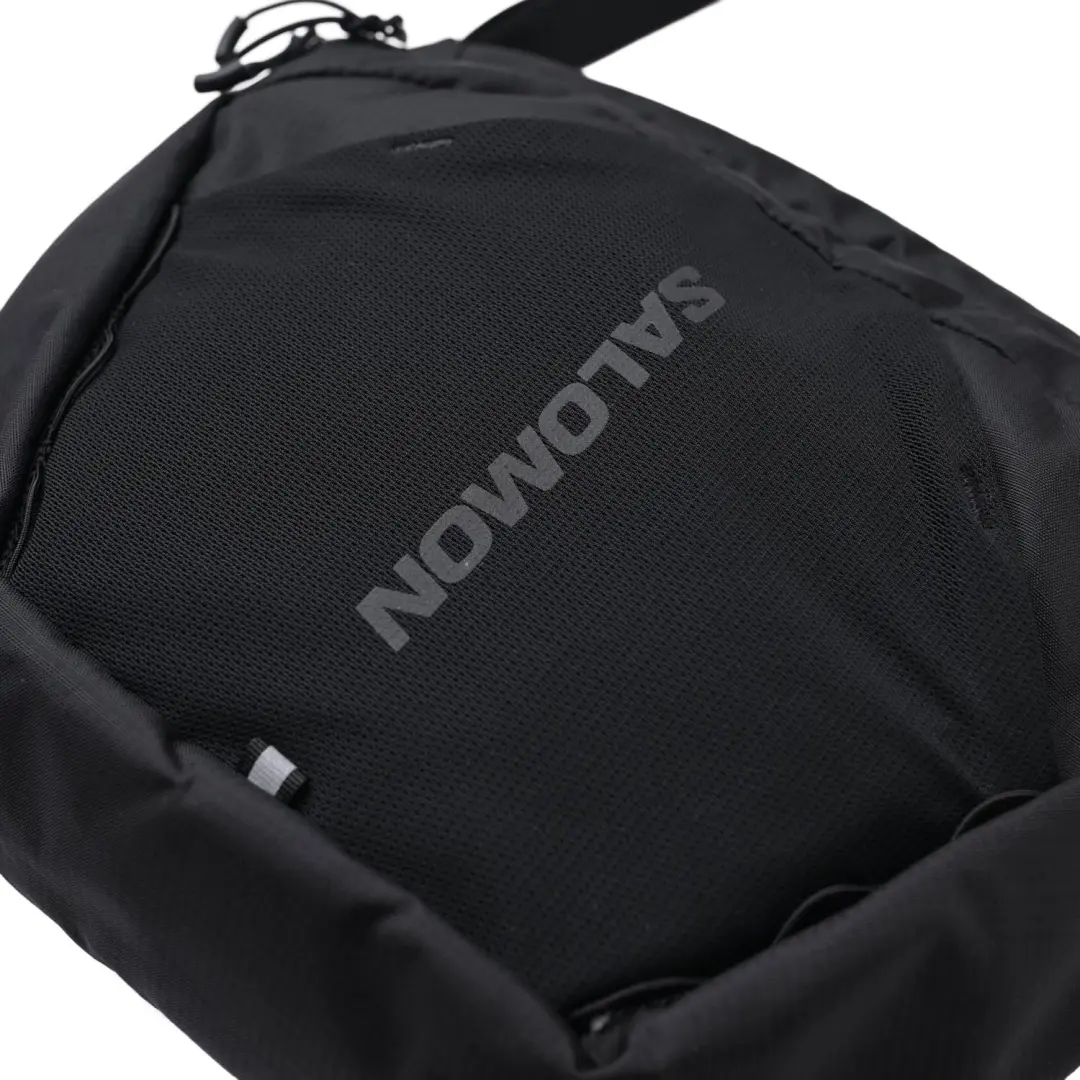
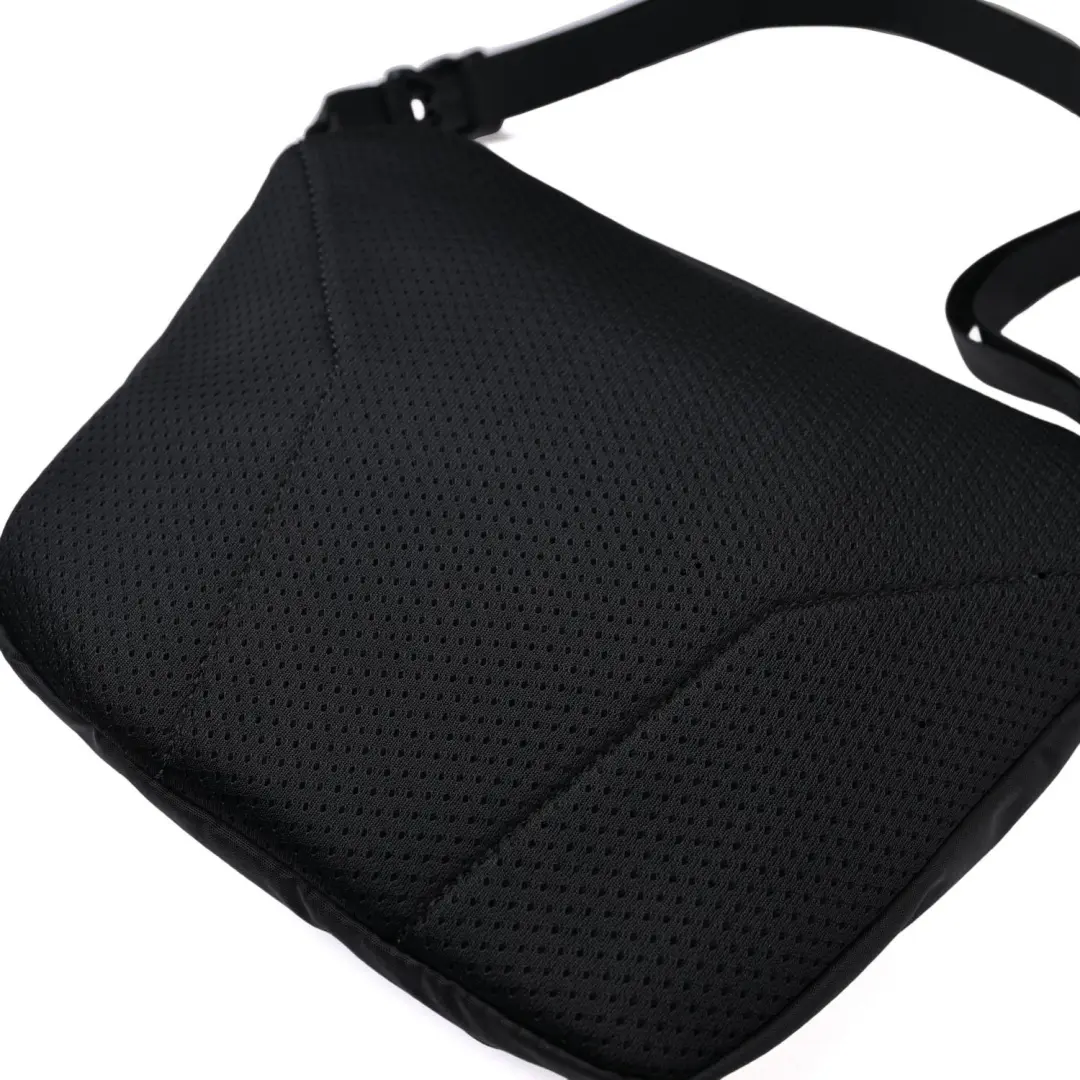
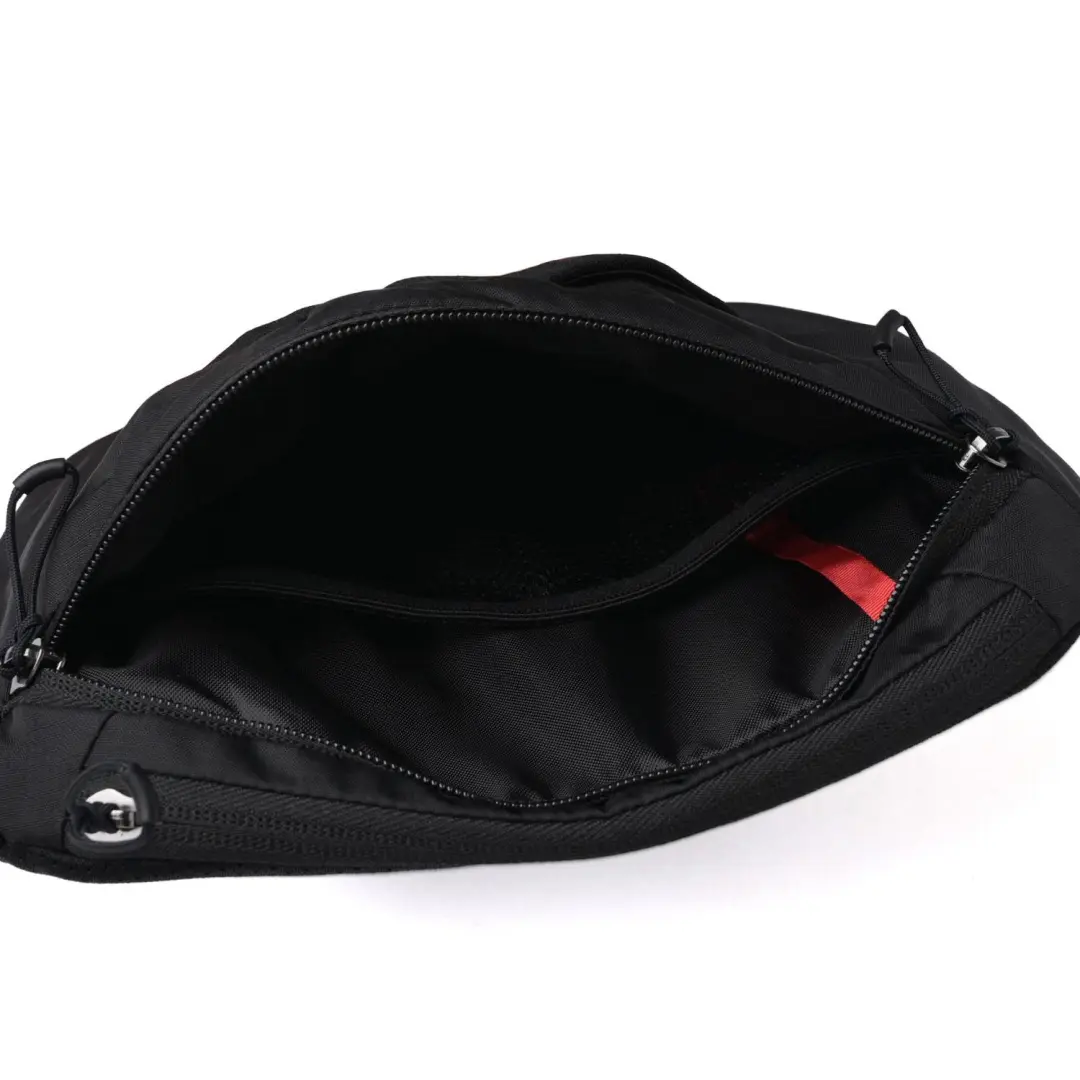
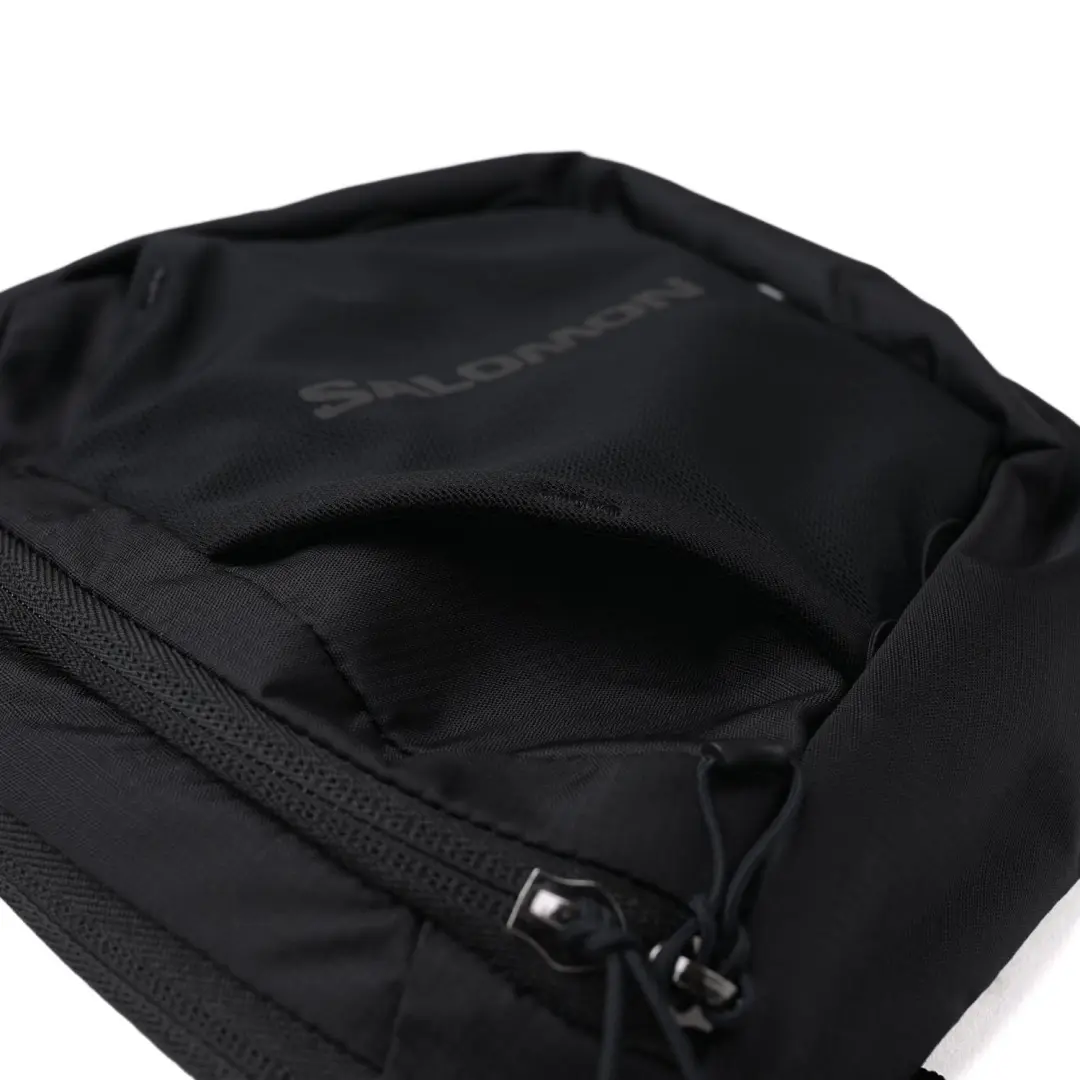
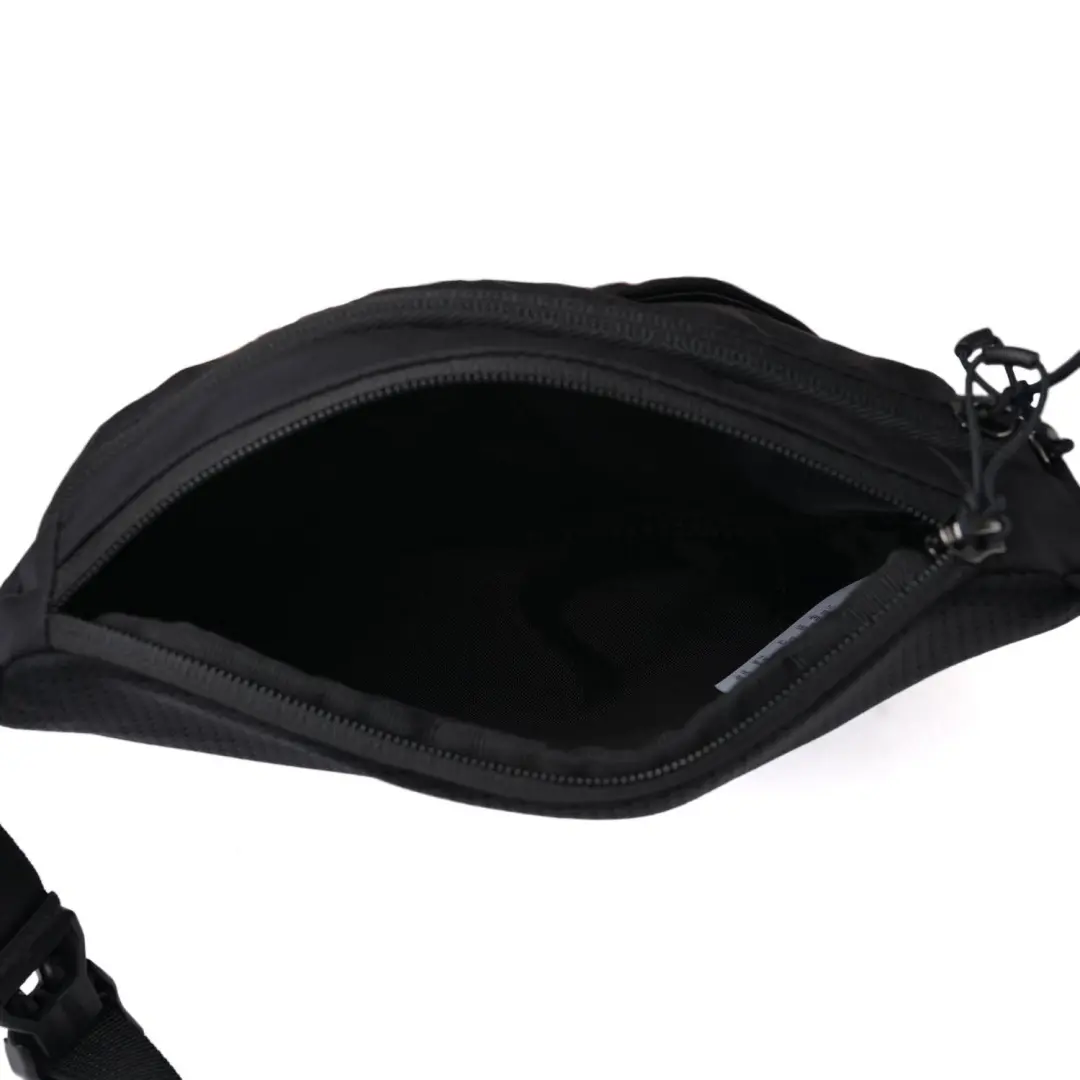
The Small carries a one liter capacity, measures roughly 5.51 inches across, and weighs about four ounces, built from a mix of polyamide body fabric and polyester lining with a stretch mesh pocket panel. The Large doubles the capacity to two liters, measures about 19 centimeters wide, and weighs close to 123 grams, using the same fabric composition scaled up. Both versions carry a padded back panel, an adjustable belt with a large buckle, and a main compartment built around quick access rather than heavy organization. Neither is meant to replace a backpack. Both are built to disappear against a jacket or a pair of shorts while still holding a phone, keys, and whatever else a short outing calls for.

The Salomon ACS Waist Pack 3 combines lightweight ripstop construction with a technical outdoor aesthetic, offering multiple zippered compartments, stretch side pockets, an adjustable waist strap, and understated tonal brand in a compact day carry designed for urban commuting and trail-ready versatility.
expression
The ACS name is not new, and it did not start on a belt bag. It traces back to 2005, when Salomon designer Christian Tresser set out to build a lighter, tougher trail shoe under the name GCS Pro. That shoe eventually evolved into the ACS Pro, a version built around aggressive lines, a molded TPU cage, and Salomon’s Agile Chassis System, a construction meant to stabilize a runner’s foot across uneven terrain. Tresser has said the shoe’s eyelet shapes were pulled from motorcycle fuel tanks, and its ribbed upper was meant to read as both a functional vent and a view signature. None of that history is printed anywhere on the waist pack, but the name still carries it. Calling a belt bag ACS is Salomon borrowing credibility from one of its more technical shoe lines and applying it to something that will spend most of its life at a farmers market rather than on a ridge line.
That borrowing is not new for the brand, either. Salomon’s ACS footwear line has spent the past few years crossing from trail running stores into streetwear racks, worn as much for its chunky, technical look as for its actual grip. The waist pack follows that same path in reverse, taking a name earned on rough terrain and putting it on something engineered for a much gentler kind of daily use.
min
Salomon was founded in 1947 as a small family ski workshop in Annecy, in the French Alps, building ski edges and bindings before eventual moving into boots, skis, and, much later, trail running shoes. That background shows up in almost everything the brand makes, including bags that are ostensibly meant for city use. The padded back panel and adjustable buckle on the ACS waist packs are lifted directly from hydration vests and running belts, just resized and restyled for someone who is more likely to be walking to a coffee shop than covering twenty miles of switchbacks.
The three colorways reinforce that same tension. Deep Lichen Green/Tea and Paloma both read as outdoor neutral colors more at home on a trail vest than a going out bag, while black keeps things simple for anyone who wants the shape without the color commentary. None of the three shout, which fits a product built to sit quietly at the waist rather than announce itself the way a logo heavy accessory might.
impression
News of the release surfaced through a Japan market release notice, ahead of the Small and Large packs reaching Salomon’s own retail channels and select stockists. Salomon’s US site lists the Small at $35, while its German site lists the Large at €40, a pricing gap across markets that has not been reconciled into a single confirmed conversion and is noted here rather than guessed at. Availability windows and any Japan specific pricing had not been independently confirmed at the time of writing.
What is confirmed is the shape of the release itself: a compact, unfussy accessory riding on the name of one of Salomon’s more technical shoe platforms, aimed at a shopper who wants the brand’s outdoor pedigree without carrying an actual pack.
n
From the DRIFT archive: HAVEN × NANGA Skyline Vest — High-Function Warmth in a Refined, Technical Shell