Scooping Stories: The Rustic Coffee Scoop and the Return to Tactile Rituals

July 3, 2025
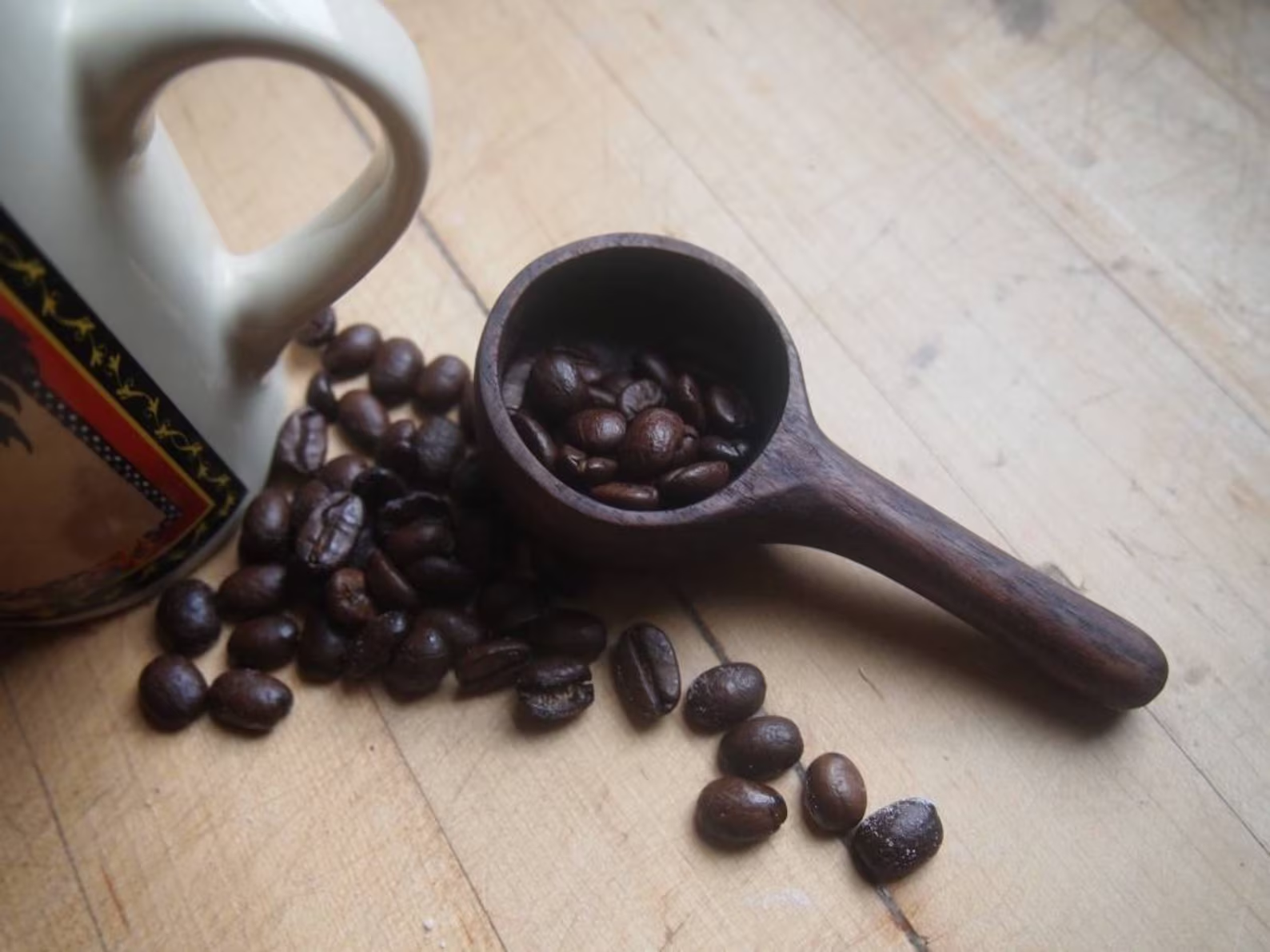
In a world where hyper-automation and technological minimalism dominate, a curious counter-current has been swelling beneath the surface: the revival of simple, tactile rituals that reconnect us with our senses. Among these quietly triumphant objects sits an unlikely star — the rustic coffee scoop. No longer just a practical tool, it has evolved into a cultural symbol, a design statement, and a personal artifact representing a growing desire for slowness and authenticity in our daily lives.
At first glance, a coffee scoop might seem purely utilitarian. Its sole purpose? To measure grounds with rough precision before brewing that vital first cup. Yet, the rise of the rustic coffee scoop has elevated this humble object into something more — an heirloom piece reflecting a return to craftsmanship and ritual. From hand-carved wooden scoops to hammered copper designs, these pieces tell stories that resonate deeply with a generation longing for more tangible connections.
The rise of the rustic scoop is not accidental. It aligns with a broader social and aesthetic movement: the embrace of slow living and wabi-sabi, a Japanese concept that celebrates imperfection and impermanence. In a culture obsessed with speed, efficiency, and sleekness, the imperfect curves of a wooden scoop or the organic patina of a copper one provide a refreshing sense of warmth and humanity.
Social media has played a powerful role in popularizing these scoops. Scroll through Instagram or Pinterest, and you’ll encounter endless images of carefully styled kitchens where rustic scoops sit next to hand-thrown ceramic mugs, linen cloths, and artisanal sourdough loaves. These images do more than showcase kitchen aesthetics; they offer a window into an aspirational lifestyle that prizes authenticity over mass-produced uniformity. The rustic coffee scoop is an emblem of this aesthetic — a small but potent anchor for a slower, more mindful start to the day.
Historically, scooping tools have always been tied to culture and ritual. In traditional Japanese tea ceremonies, for example, a bamboo chashaku (tea scoop) is used with care and reverence, emphasizing each movement as part of a larger meditation on presence. Similarly, in Middle Eastern cultures, ornate coffee scoops are used to measure spices and coffee beans, each scoop representing a generational link to hospitality and warmth.
Today’s rustic coffee scoops draw on this rich legacy. The most popular versions are often crafted from woods like walnut, cherry, or acacia — each chosen for its strength, grain pattern, and ability to age beautifully over time. When held, these scoops offer a tactile warmth that plastic or stainless steel could never replicate. Each use gradually shapes the wood’s patina, turning the scoop into a living record of shared mornings and daily rituals.
Other iterations in copper and brass bring their own layered meanings. These materials develop rich patinas that evolve with use, echoing the slow transformation of a favorite leather wallet or a beloved cast iron pan. This capacity to age gracefully connects deeply with consumers looking for long-lasting, character-filled pieces in a world increasingly dominated by disposable goods.
From a design perspective, the rustic coffee scoop embodies the intersection of form and function. Its curves and angles are carefully considered to feel natural in the hand and to scoop consistently. Many contemporary artisans intentionally leave slight imperfections, saw marks, or asymmetries in the final finish, creating pieces that feel closer to art than to mere utensils.
As global awareness of sustainability and ethical consumption grows, rustic scoops offer a tangible alternative to mass-produced kitchenware. Artisans often create these pieces in small batches, using locally sourced materials and traditional hand tools. Purchasing a rustic scoop often means supporting independent crafts-people rather than large corporations — a conscious choice for consumers who want their buying decisions to align with their values.
The popularity of rustic scoops also dovetails with the broader “cottagecore” and “modern rustic” interior trends. These styles reject cold, futuristic aesthetics in favor of cozy, layered environments filled with natural materials and nostalgic touches. The rustic scoop fits perfectly into this narrative, sitting comfortably beside wooden breadboards, linen aprons, and terracotta pots.
Market trends reflect this cultural shift. Artisan marketplaces like Etsy, as well as specialty kitchen boutiques, report growing interest in hand-carved or hammered metal scoops. Some of the most sought-after scoops command surprisingly high prices, especially those produced by renowned craftspeople or featuring unique wood grains and one-of-a-kind patinas. In recent years, even larger lifestyle brands have started offering rustic-inspired scoops, attempting to capture this niche yet growing market. However, discerning consumers often prefer the authenticity of small-batch, maker-focused products.
The rustic scoop’s story is also one of emotional resonance. In a frenetic world, people crave grounding rituals — small daily acts that offer comfort and meaning. Scooping coffee becomes more than measuring beans; it becomes a moment to pause, to feel the warmth of the wood, to inhale the rich scent of freshly ground coffee, and to set an intention for the day. These rituals remind us of our humanity and the simple joys that can anchor us amid uncertainty.
Moreover, the rustic scoop acts as a quiet rebellion against the disposable culture that has dominated the past few decades. Rather than buying a new, factory-made plastic scoop every few years, consumers invest in a single, beautifully made piece intended to last for decades. This shift is emblematic of a wider movement toward quality over quantity, storytelling over branding, and substance over surface.
The rustic coffee scoop is more than just a trending kitchen accessory; it is a powerful emblem of contemporary desires for authenticity, tactile experience, and mindful living. It celebrates the imperfections of handcraft, the slow transformation of materials, and the quiet significance of everyday moments. As we move further into an era defined by technological acceleration and digital abstraction, small, soulful objects like the rustic coffee scoop help remind us of the enduring value of touch, tradition, and simplicity.
Related Articles

France Just Banned Social Media for Kids Under 15, and the Fight Over Anonymity Is Only Getting Started
France becomes the first EU nation to bar under 15s from social platforms, and critics […]