DRIFT

the fast-fashion fault line in paris

In the epicenter  of Paris, where the language of fashion has long been spoken with precision, elegance, and artistry, a new arrival is igniting a storm. Shein, the Chinese fast-fashion titan known for its algorithm-driven production and ultra-low prices, is set to open its first physical boutique inside the historic BHV Marais department store next month.

But rather than celebration, the announcement has unleashed a wave of indignation across France’s fashion and political landscape — one that underscores a deeper clash between cultural heritage and globalized consumerism.

The pushback has been immediate and vocal. From Paris Mayor Anne Hidalgo to major French fashion unions, critics see the Shein pop-up not as a milestone of innovation, but as an affront to the country’s fashion legacy. Over 100,000 citizens have already signed petitions opposing the move, marking it one of the most significant public outcries in recent retail memory.

a symbolic invasion

For Paris, a city that built its global identity on craftsmanship, sustainability, and cultural integrity, Shein represents a kind of cultural trespass. The decision to host the e-commerce giant within the BHV Marais — an institution revered for its curatorial elegance and commitment to design — has struck a symbolic nerve.

Many view it as the encroachment of digital capitalism into the very sanctum of French artistry. Fashion insiders argue that Shein’s business model — characterized by mass production, low prices, and algorithmic trend-chasing — undermines everything the French fashion ecosystem stands for: quality, sustainability, and respect for artisanship.

“Placing Shein in BHV Marais is like opening a drive-thru inside a Michelin restaurant,” one Paris-based designer quipped on social media. The comparison feels apt: BHV Marais is not merely a department store but an emblem of Parisian taste, dating back to 1856, nestled near the Hôtel de Ville — a neighborhood synonymous with design excellence and avant-garde culture.

shein’s strategy

Shein insists that this move represents an effort to “adapt to European standards and cultural expectations.” The company has emphasized that its Paris pop-up will feature curated collections, “conscious” fabrics, and limited stock rotation aimed at minimizing waste.

The brand is eager to shed its reputation for environmental harm and exploitative labor practices, both of which have been documented by international watchdogs. In France — a nation that in 2024 passed legislation aimed at curbing fast fashion imports — such gestures are likely too little, too late.

Shein’s public messaging has been met with skepticism. Critics argue that the company’s “sustainability pledges” are more marketing than reform, pointing out that the brand’s core model — producing tens of thousands of new SKUs weekly — fundamentally contradicts ecological principles.

the bhv backlash

The Société des Grands Magasins (SGM), which operates BHV Marais, finds itself at the center of the controversy. Once lauded for its stewardship of heritage retail spaces, SGM now faces accusations of compromising artistic integrity for profit.

Even before the Shein partnership, tensions between SGM and its tenants had been simmering. Several French brands that sell within BHV have already announced plans to withdraw their products in protest, citing both ethical objections and dissatisfaction with SGM’s management practices, including delayed vendor payments.

The backlash has also drawn economic consequences. A state-owned French bank reportedly pulled financing for SGM’s acquisition of the BHV building following news of the Shein deal, citing reputational risks. This marks a rare instance of financial institutions taking a cultural stance in defense of fashion ethics — a testament to the scale of the uproar.

“sheingate”

On French social media, the outrage has been branded #Sheingate, a movement that extends beyond fashion into broader debates about globalization, climate responsibility, and cultural sovereignty. Activists and designers alike see the Shein–BHV partnership as a microcosm of the fast-fashion dilemma: convenience versus conscience, accessibility versus authenticity.

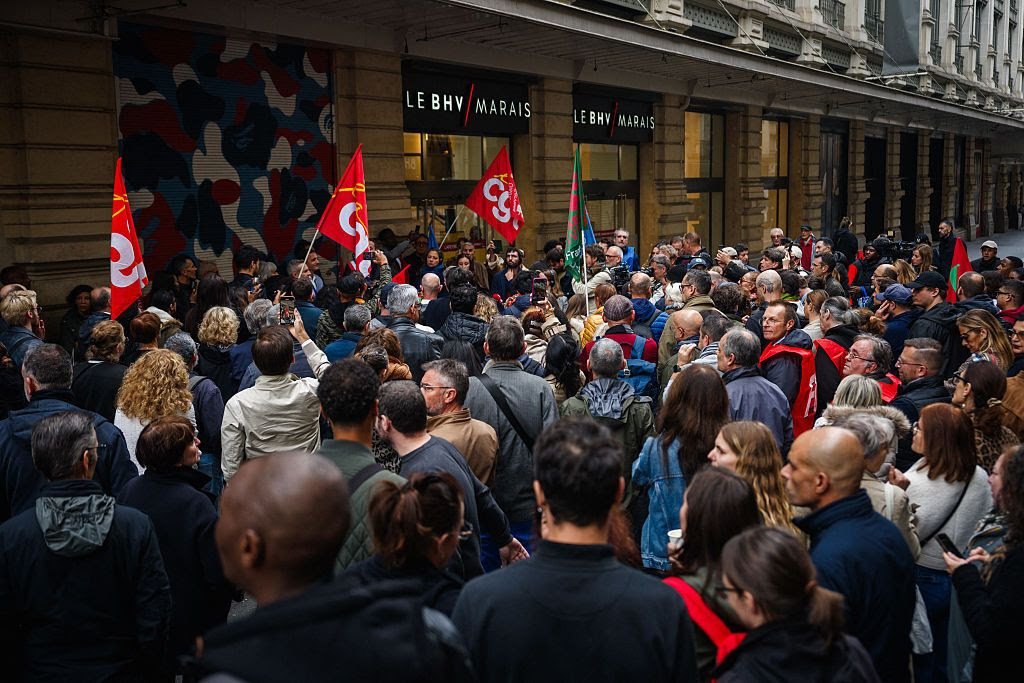
Unions representing garment workers and independent designers have staged online protests and are preparing demonstrations outside BHV Marais in the weeks leading up to the boutique’s opening.

“This is not just about one store,” said one spokesperson from the Fédération de la Mode Éthique. “It’s about the values that define our industry — respect for labor, for the planet, and for creativity itself.”

For many, allowing Shein into such an iconic Parisian space is akin to legitimizing a model of hyper-consumerism that threatens the very future of sustainable design.

the broader european context

Shein’s Paris debut isn’t an isolated move; it’s part of a larger strategy to anchor its presence in Europe through physical retail. The company has already announced plans to open additional boutiques in cities like Lyon, Bordeaux, and Marseille, all under the SGM umbrella.

These pop-ups are meant to serve as experience centers, blending digital shopping with in-person curation — a model that mirrors Shein’s efforts in London and Milan. However, Europe’s regulatory landscape presents a tougher environment than the U.S. or Asia.

In 2024, the French National Assembly debated a bill proposing a “fast fashion tax,” targeting companies with excessive production cycles and poor environmental standards. The proposed legislation aimed to make brands like Shein pay proportionally to their ecological footprint — a move that could reshape the industry’s global supply chains.

In that context, Shein’s Paris debut feels almost defiant — a test of either public backlash can outweigh market momentum.

bhv marais: A house divided

For the BHV itself, this episode has become a test of identity and integrity. Long positioned as a hybrid between creative workshop and commercial retailer, the store’s brand equity rests on its ability to showcase the best of design.

Housing Shein, whose average item retails for under €10, risks cheapening that legacy. Some insiders speculate that SGM’s leadership viewed Shein as a financial lifeline in an era of declining foot traffic — a quick injection of digital relevance.

But for Parisian creatives, that short-term gain represents long-term erosion. “BHV was a space of discovery and design literacy,” said one local gallerist. “Now it’s just another billboard for global consumerism.”

a clash of philosophies

At its pithy, this controversy is not simply about one brand moving into one building. It’s about two philosophies of fashion colliding head-on.

On one side stands the French tradition of couture — rooted in craftsmanship, durability, and artistry. On the other, Shein’s algorithmic fashion, designed for virality and volume, where trends last weeks and garments hours.

This tension mirrors a larger debate in global fashion: how to reconcile creative authenticity with accessibility, cultural legacy with commerce. Paris, once the undisputed capital of slow luxury, now becomes the stage for a battle over what fashion means in the 21st century.

ideologue

As Shein prepares to open its doors at BHV Marais, the question remains whether this move will mark a turning point or a cautionary tale.

To some, it signals the inevitability of globalization — the fusion of digital-first retail with traditional spaces. To others, it’s a stark reminder of what’s at stake: the erosion of cultural stewardship in favor of commercial convenience.

The Shein saga exposes an uncomfortable truth — that fashion’s most iconic institutions are not immune to economic pressure, nor to the seductive pull of viral success. But it also reveals the power of collective resistance: designers, citizens, and even banks rallying to defend the values that make Paris more than a market, but a métier.

For now, Shein may have found its Paris address, but whether it finds a home in the city’s conscience remains uncertain.

Related Articles
Modern data center facility with a solar-panel-clad exterior, bright green administrative offices, and secure perimeter fencing, showcasing sustainable digital infrastructure and renewable energy integration

Lombardy’s Data Center Boom: Balancing Digital Ambition with Environmental Responsible

Lombardy has emerged as Italy’s primary hub for new digital infrastructures, particularly data centers—vast complexes […]

In a highly anticipated reunion after 24 years, Adidas Originals and Coca-Cola have joined forces once again to celebrate the FIFA World Cup 2026™. The collaboration revives their iconic 2002 partnership from the Japan-South Korea tournament, now reimagined for the biggest global sporting event of 2026, co-hosted by the United States, Canada, and Mexico. Set to launch on June 6, 2026, this collection masterfully blends Adidas' streetwear heritage with Coca-Cola's timeless branding, creating a vibrant fusion of football culture, nostalgia, and modern style. The drop arrives at a perfect moment. With the World Cup kicking off on June 11, 2026, fans worldwide are gearing up for a summer of football excitement. This collaboration isn't just merch—it's a cultural statement that merges two legendary brands under the banner of "Originals are the Real Thing," a clever twist on Coca-Cola's famous slogan. Historical Context: A Reunion 24 Years in the Making Adidas and Coca-Cola first collaborated during the 2002 FIFA World Cup, producing limited-edition pieces that captured the era's energy. That partnership helped define early 2000s football-streetwear crossover culture. Fast-forward to 2026, and the brands are back with fresh energy, leveraging Adidas' deep FIFA ties (as an official partner) and Coca-Cola's long-standing sponsorship of the tournament. The 2026 edition promises to be historic as the first 48-team World Cup, spanning three countries and generating unprecedented global hype. This collab taps into that momentum, offering fans wearable pieces that celebrate both brands' legacies while looking forward to the future of football fashion. Collection Overview and Design Philosophy The Adidas Originals x Coca-Cola collection fuses 2000s street style with classic sporting aesthetics. Expect bold reds, creams, whites, and silver accents inspired by Coca-Cola's iconic packaging—think classic script logos, droplet detailing, and can-inspired motifs. The lineup spans footwear, apparel, and accessories, divided into two visual directions: one logo-heavy and graphic-forward, the other drawing from vintage advertising aesthetics. Designs pay homage to Coca-Cola's visual language while staying true to Adidas Originals' archival roots. High-quality materials, attention to detail, and versatile silhouettes make these pieces suitable for both match-day wear and everyday street style. The campaign, featuring young football star Lamine Yamal and a diverse cast in everyday scenes building anticipation for the tournament, reinforces themes of originality and shared cultural moments. Footwear Highlights Footwear takes center stage in this collaboration, with reimagined takes on iconic 2000s Adidas silhouettes: Samba and Superstar Models: These classics get Coca-Cola treatment with white/cream/red colorways and prominent script branding. The Samba blends street heritage with football roots, while the Superstar II features weathered bases and bold side panels. Expected pricing around $110–$130. Adistar Control 5: A standout with droplet detailing mimicking condensation on a cold Coke can. This model brings performance-inspired design into lifestyle territory. Predator Sala: Indoor/hybrid style with silver-and-red accents, nodding to predatory precision on the pitch and Coca-Cola's bold energy. Climacool 1: Revived with breathable tech and Coke-inspired graphics, perfect for warm summer days. Megaride F50: A highlight paying tribute to the iconic Coca-Cola glass bottle, with unique contours and refreshing design cues. Each pair incorporates thoughtful details like embroidered logos, custom insoles, and packaging that mimics vintage Coke crates or cans. These shoes are built for durability and comfort, appealing to sneakerheads, football fans, and casual wearers alike. Apparel and Accessories Beyond kicks, the collection offers a full lifestyle range: Track Tops and Jerseys: Standout jerseys fuse retro Coca-Cola advertising from different eras into cohesive football designs. Track jackets feature signature three stripes alongside Coke branding, in vibrant reds and classic whites. Shorts and T-Shirts: Relaxed fits with graphic prints, ideal for casual wear or layering. Expect motivational football motifs blended with refreshing beverage references. Accessories: A bright red airliner bag stands out as a functional statement piece. Additional items may include caps, socks, and tote bags carrying the collaborative spirit. The apparel emphasizes comfort with premium cotton blends, mesh panels for breathability, and oversized silhouettes popular in contemporary streetwear. Unisex sizing and inclusive fits make the collection accessible to a broad audience. Cultural Impact and Fan Appeal This collaboration resonates on multiple levels. For football fans, it represents national pride and global unity ahead of the 2026 tournament. Sneaker enthusiasts will appreciate the nostalgic 2000s revival mixed with modern execution. Streetwear collectors see it as a prime example of how heritage brands can innovate through partnerships. In an era where sports and fashion increasingly intersect, Adidas and Coca-Cola deliver pieces that transcend the pitch. Wear them to watch matches at home, attend watch parties, or hit the streets in any host city—New York, Los Angeles, Toronto, or beyond. The designs are versatile enough for gym sessions, festivals, or daily commutes. The timing aligns perfectly with rising interest in football in North America, boosted by the co-hosting nations. Young talents like Lamine Yamal in the campaign help bridge generational gaps, attracting newer fans while satisfying longtime supporters. Where to Buy and Release Details The collection launches globally on June 6, 2026, via: Adidas CONFIRMED app (for early access and raffles) Adidas.com Select retailers and flagship stores worldwide Some regions may see staggered drops, with Japan and other markets getting early access. Prices are expected to range from $50–$150 depending on the item, making it relatively accessible compared to ultra-limited drops. Pro Tips for Copping: Enable notifications on the CONFIRMED app. Check local stock at Adidas stores in major cities. Monitor resale platforms post-drop for exclusive colorways, but be wary of markups. Size up slightly for oversized apparel fits. Given the World Cup hype, popular items like the Sambas and jerseys are likely to sell out quickly. International shipping is available, but factor in potential customs delays. Styling Suggestions Match Day Look: Pair a collaborative jersey with classic black shorts and Samba sneakers for effortless fan style. Streetwear Rotation: Layer a track top over a graphic tee with wide-leg pants and the Megaride F50 for a bold urban ensemble. Casual Summer: White Superstar with denim shorts and the airliner bag for a refreshing, vacation-ready vibe. These pieces mix seamlessly with existing Adidas or neutral wardrobes, maximizing versatility. Broader Context in 2026 Fashion and Sports The Adidas x Coca-Cola drop is part of a larger wave of high-profile collaborations tied to the World Cup. Adidas continues its dominance in football kit design, while Coca-Cola leverages its sponsorship with collectibles, bottles, and experiential activations like the Trophy Tour. In the sneaker industry, this collab exemplifies the ongoing trend of lifestyle reinterpretations of performance silhouettes. It also highlights how global brands use major events to drive cultural conversations around unity, originality, and joy—core values for both companies. Sustainability notes (based on Adidas' broader initiatives) suggest some pieces may incorporate recycled materials, aligning with modern consumer expectations. Looking Forward: Legacy and Excitement As the countdown to kickoff continues, this collection serves as the perfect prelude to an unforgettable summer of football. Whether you're a die-hard supporter, a fashion-forward collector, or someone seeking motivation through style, the Adidas Originals x Coca-Cola FIFA World Cup 2026 lineup delivers. Expect potential restocks, special event exclusives in host cities, and continued campaign content featuring more athletes. This isn't just clothing—it's a ticket to participate in the global celebration of the beautiful game. Mark your calendars for June 6, 2026. Refresh your wardrobe, lace up those Sambas, and get ready to cheer on your team in style. The "Real Thing" meets the Originals in what promises to be one of the most talked-about releases of the year. This collaboration captures the essence of football's universal appeal: bringing people together through shared passion, iconic brands, and unforgettable moments. As the world prepares for 2026's expanded tournament, Adidas and Coca-Cola remind us that some partnerships are truly timeless.

Adidas Originals x Coca-Cola Collection: FIFA World Cup 2026

In a highly anticipated reunion after 24 years, Adidas Originals and Coca-Cola have joined forces […]

Loewe shoulder bag crafted in brown and black leather with minimalist lion face detailing and a matching fur tail charm

180 Years Unfolded: The Full Story Behind Loewe’s New Campaign

The year was 1846. Queen Victoria was on the British throne and the telephone, the […]