DRIFT AUDIO
Listen to this story
Choose a voice, then press play.
TKA’s “Maria” is a quintessential example of Latin freestyle, a genre that surged in popularity during the 1980s, particularly in urban centers like New York City, Philadelphia, and Miami. Combining the raw energy of hip-hop, the infectious grooves of disco, and the cutting-edge sounds of electro, Latin freestyle became the soundtrack of multicultural urban life. Within this rich tapestry, “Maria” stands out not just as a danceable anthem but as a carefully orchestrated blend of sounds, melodies, and lyrics that tell a compelling story.
At the core of “Maria” lies a sonic architecture built on two fundamental pillars: synthesizers and drum machines. These electronic tools, emblematic of freestyle music, create the track’s signature soundscape.
The synthesizers in “Maria” serve multiple purposes. They provide the lush, shimmering melodic hooks that immediately grab the listener’s attention, and they also underpin the rhythmic structure of the track. Freestyle tracks often relied on arpeggiated synth patterns to maintain energy, and “Maria” is no exception. Layered synth pads add depth and warmth, while brighter, sharper tones cut through the mix, offering counter-melodies that interplay with the vocals. This creates a dynamic, textured sound that keeps the listener engaged from start to finish.
No Latin freestyle track is complete without the unmistakable beats of a drum machine, and “Maria” delivers this in spades. The Roland TR-808, a cornerstone of 1980s electronic music, likely forms the backbone of the track’s percussive elements. Its booming bass kicks and crisp snare hits provide a punchy, dancefloor-ready rhythm, while the high hats and claps inject a syncopated, Latin-inspired groove. The electronic beats are precise, yet they evoke a sense of organic movement, mimicking the intricate rhythms of traditional Latin percussion.
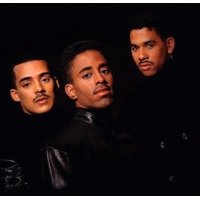
At the heart of “Maria” is TKA’s lead vocalist, whose impassioned delivery elevates the track from a mere dance tune to a heartfelt narrative. The lyrics tell the story of longing and heartbreak, with “Maria” embodying an unattainable love. The vocal performance is marked by both power and vulnerability, striking a balance that resonates deeply with listeners.
The melody of the vocals is intricately woven into the song’s arrangement. It soars over the dense instrumental backdrop, riding the peaks and valleys of the synthesizers and percussion. The vocal phrasing emphasizes the song’s Latin roots, with melismatic flourishes and emotive inflections that reflect the passion of the lyrics. The call-and-response dynamic between the lead vocal and backing harmonies adds another layer of complexity, reinforcing the sense of dialogue and longing inherent in the song’s narrative.
Verse-Chorus Framework
“Maria” adheres to the classic verse-chorus structure, a staple of pop and freestyle music. The verses establish the narrative, with the lyrics painting a vivid picture of the protagonist’s yearning for Maria. The instrumentation during the verses is slightly restrained, allowing the story to take center stage.
The chorus, by contrast, is an explosion of sound and emotion. The synthesizers swell, the percussion intensifies, and the vocals soar, creating a moment of catharsis. The simplicity and repetition of the chorus—“Maria! Maria!”—make it instantly memorable and primed for audience participation on the dancefloor.
Building to the Climax
The arrangement is designed to build momentum, layer by layer, as the song progresses. In the bridge, a slight breakdown occurs, with the instrumentation pulling back to highlight a stripped-down beat and vocal improvisation. This moment of restraint makes the return of the full arrangement in the final chorus all the more impactful. Subtle changes in dynamics, such as the gradual introduction of additional synth layers and percussive elements, create a sense of progression and anticipation throughout the track.
Seamless Transitions
The transitions between sections are impeccably smooth, a hallmark of great freestyle production. Synthesizer swells and drum fills act as bridges, guiding the listener from verse to chorus and back again without any jarring shifts. These transitional elements ensure that the song maintains its flow and energy, keeping dancers on their feet and listeners emotionally engaged.
While “Maria” is undeniably a dance track, its emotional depth lies in its lyrics. The universal theme of unrequited love gives the song a relatable quality that transcends its genre. Lines like “Why can’t you stay with me?” convey the pain of yearning and loss, tapping into the listener’s own experiences of heartache.
The use of “Maria” as the titular name is significant. Maria is a common name in many Latin cultures, and its inclusion speaks to the song’s roots in Latin rhythm and identity. The name also evokes a sense of familiarity and universality, making the narrative feel personal yet inclusive.
Impression
TKA’s “Maria” is more than just a hit song; it’s a masterclass in the orchestration of sounds, melody, and lyrics. From its intricately layered synthesizers and precision-engineered beats to its impassioned vocals and seamless transitions, every element of the track works in harmony to create an unforgettable listening experience.
The song’s ability to blend the past and present—honoring the Latin rhythms of its cultural heritage while embracing the futuristic sounds of synthesizers and drum machines—cements its place as a timeless classic. “Maria” not only captures the essence of Latin freestyle but also stands as a testament to the genre’s enduring appeal, a vibrant reminder of a time when the dancefloor was a place of emotion, connection, and storytelling.
Related Articles

A Sleeping Tiger Has Been Riding Out Brooklyn Rush Hour Since 2019
María Berrío’s 14-panel mosaic reopened a rebuilt Fort Hamilton Parkway station in 2019 with a […]