DRIFT AUDIO
Listen to this story
Choose a voice, then press play.
The NBA family mourns the passing of Stacey King, a three-time NBA champion and longtime Chicago Bulls television analyst. Stacey made his mark on the game as a player, coach, and commentator. For more than 20 years on Bulls broadcasts, his passion, knowledge, and unmistakable energy resonated with gens of fans. We extend our deepest condolences to Stacey’s family and friends and the Bulls organization.
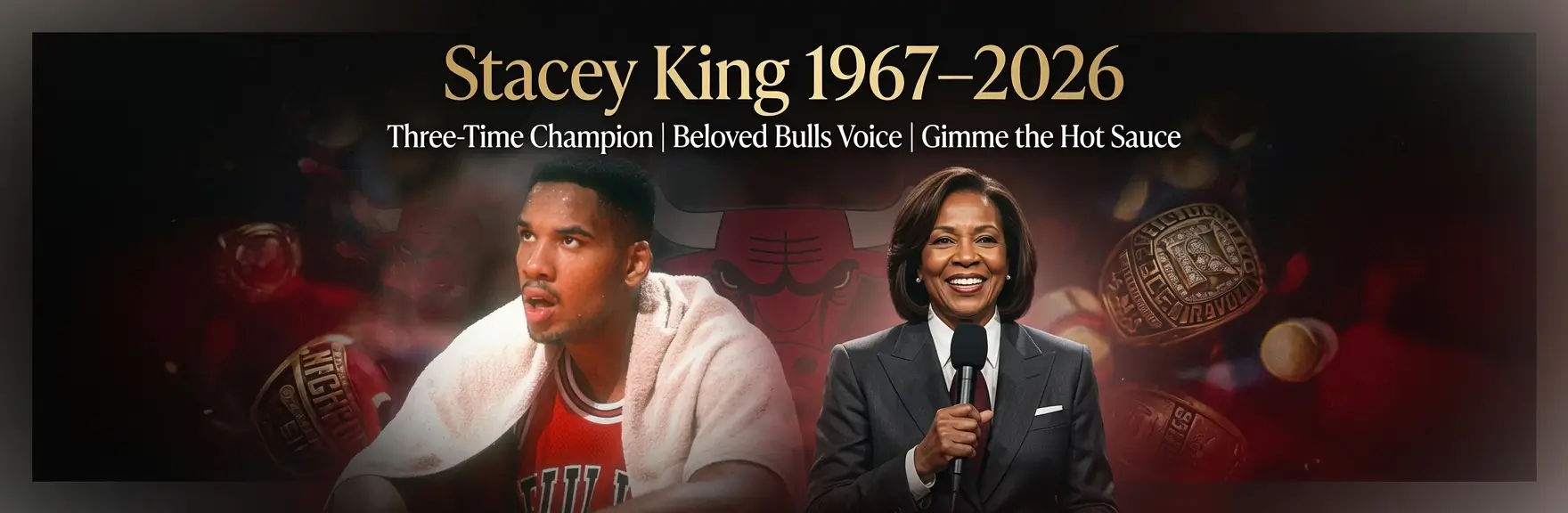
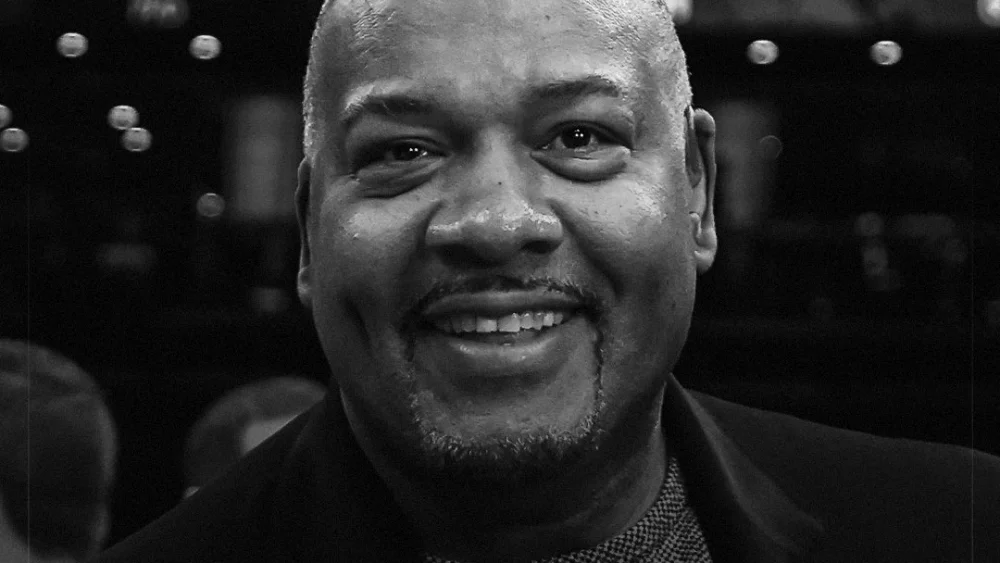
On June 7, 2026, Chicago lost one of its most vibrant sports voices. Ronald Stacey King, born January 29, 1967, in Lawton, Oklahoma, passed away at age 59 in River Forest, Illinois. Reports indicate he died following a fall at his home, with further details pending autopsy. The news hit like a missed buzzer-beater—abrupt, jarring, and leaving an arena full of memories echoing in the silence.
For readers who live at the intersection of fashion, design, culture, and sport, King’s story transcends box scores. He was part of the Jordan-era Bulls dynasty that didn’t just win titles; it shaped global style, shoe culture, and the view lang of modern basketball. His later broadcasting career turned routine games into culture events, blending athletic insight with play charisma that mirrored the bold, expressive aesthetics of streetwear and sports fashion.
stir
King’s journey began on the hardwood of the University of Oklahoma. A consensus first-team All-American in 1989, Big Eight Player of the Year, and Sporting News Player of the Year, he brought size (6’11”), skill, and swagger to the college game. The Chicago Bulls selected him sixth overall in the 1989 NBA Draft, slotting him into a roster already building toward greatness.
In his rookie season, King started 61 games, averaging 8.9 points and 4.7 rebounds. He earned NBA All-Rookie Second Team honors and showed flashes of the versatility that would make him a valuable piece in Phil Jackson’s triangle offense. Playing alongside emerging stars Michael Jordan and Scottie Pippen, King learned the art of championship basketball from the inside.
His playing style—strong interior presence, reliable rebounding, and timely scoring—fit the physical, team-oriented ethos of the early ’90s NBA. While not the flashiest name on those rosters, King contributed meaningfully during the first three-peat (1991-1993). He appeared in 344 games over five seasons with the Bulls, posting career averages of 6.6 points and 3.3 rebounds in Chicago.
Later stints with the Minnesota Timberwolves, Miami Heat, Boston Celtics, and Dallas Mavericks extended his playing career to eight seasons, but Chicago always remained home. He retired in 1997 after helping define an era when basketball uniforms, shoes, and team branding became global fashion statements. The Bulls’ red, black, and white palette—clean, iconic, aggressive—mirrored the minimalist yet powerful design ethos that still influences streetwear today.
We are devastated by the passing of 3x NBA Champion and beloved broadcaster Stacey King. pic.twitter.com/NSyeopd880
— Chicago Bulls (@chicagobulls) June 7, 2026
flow
King’s three championship rings (1991, 1992, 1993) placed him in the mid of one of sport’s greatest dynasties. Those Bulls teams weren’t just dominant on the court; they redefined how athletes presented themselves off it. Jordan’s Air Jordan line exploded shoe culture into a billion-dollar industry. Pippen’s tailored suits and bold personal style pushed boundaries. The team’s aesthetic—sharp, confident, larger-than-life—became a blueprint for sports-fashion crossovers that we all celebrate.
As a role player, King embodied the unselfish ethos that made those teams special. He battled through personal challenges, including family illness and adjustments to professional life, yet delivered in crucial moments. His playoff contributions, such as stepping up for an injured Pippen in 1990, highlighted his reliability.
In the broader culture landscape, the ’90s Bulls represented more than basketball. They symbolized excellence, resilience, and the blend of athletic performance with view storytelling—elements that echo in today’s collisions between brands like Nike, Adidas, and high-fashion houses. King’s presence on those squads, even in a supporting role, contributed to the mythos that continues to inspire designers and creators.
scope
After retiring, King briefly coached before shifting to media. He started as a studio analyst for Comcast SportsNet in 2004, then joined Bulls television broadcasts full-time in the 2006-07 season as color commentator. For nearly two decades, he partnered with play-by-play voices, bringing insider knowledge and infectious enthusiasm to living rooms across Chicago and beyond.
King’s broadcasting style was electric. He didn’t just call games—he performed them. His catchphrases became legendary:
- “Gimme the hot sauce!” for big shots or dunks.
- Vivid nicknames like “Windy City Assassin” for Derrick Rose, “Red Velvet” for certain players, or play riffs that turned highlights into memorable moments.
Fans adored lines like “Too big, too strong, too fast, too good,” “Strollin’ on a Sunday afternoon,” or dramatic exclamations during Rose’s explosive drives. His energy made blowouts entertaining and close games cinematic. An Emmy winner, King earned praise for blending analysis with humor and genuine love for the game.
This charisma translated culturally. In an era where athletes and commentators influence fashion and social media trends, King’s larger-than-life persona fit perfectly. His podcast, “Gimme the Hot Sauce,” extended that voice, offering unfiltered takes that kept him connected to fans.
The NBA family mourns the passing of Stacey King, a three-time NBA champion and longtime Chicago Bulls television analyst. Stacey made his mark on the game as a player, coach and commentator. For more than 20 years on Bulls broadcasts, his passion, knowledge and unmistakable… pic.twitter.com/9UpbvZwmBG
— NBA (@NBA) June 7, 2026
culture
Stacey King’s influence extended into Chicago’s fabric. As a three-time champion turned broadcaster, he bridged gens—from Jordan-era fans to those following modern Bulls squads. His voice narrated highs (playoff runs) and lows (rebuilding years) with consistent passion, making him a stabilizing force in the city’s sports narrative.
In fashion and design terms, King’s era amplified basketball’s role in pop culture. The Bulls’ branding, from jerseys to merchandise, influenced streetwear’s rise. Players’ off-court style—oversized jackets, bold accessories, premium shoes—paved the way for today’s athlete-designer collisions. King, who once dabbled in clothing lines and appreciated the view side of the game, embodied that crossover spirit.
Tributes poured in quickly. Bulls owner Jerry Reinsdorf called him “a cherished member of the Bulls family and one of the truly unique personalities in our organization’s history.” President Michael Reinsdorf noted, “Stacey loved being a Bull.” Colleagues, former teammates, and even rivals like Trae Young shared stories of his warmth and energy.
The Chicago Cubs held a moment of silence. Social media filled with highlight reels and personal anecdotes. Fans recalled how King’s calls made ordinary nights special, turning broadcasts into communal experiences.
leg
King is survived by his four sons and other loved ones. He spoke often of balancing career demands with family time, stepping away from coaching partly for that reason. Friends described him as genuine, caring, and fun-loving—qualities that shone through in his work.
His life reflected themes of perseverance and joy. From Oklahoma roots to NBA stardom, broadcasting fame, and community presence, King lived with energy and authenticity. In a high-pressure sports world, his humor and passion offered a model for embracing the moment—much like the bold, expressive designs that define contemporary culture.
endure
Stacey King’s passing at 59 feels too soon. Yet his legacy endures in championship banners at the United Center, in countless game calls replayed online, and in the culture DNA of basketball as entertainment and style influencer.
For all attuned to design and culture, King reminds us how sport shapes aesthetics and identity. The Bulls dynasty’s view power—iconic jerseys, dynamic movement, star charisma—continues to inspire collections and campaigns. King’s broadcasting added narrative flair, turning games into stories rich with personality.
As the NBA and Chicago Bulls move forward, they do so with King’s voice in their collective memory. His passion elevated broadcasts, his presence enriched the franchise, and his spirit captured what makes sports culture vital: connection, excitement, and unapologetic energy.
Rest in peace, Stacey King. Gimme the hot sauce one last time—Chicago’s champion, broadcaster, and culture voice will never be forgotten. His three rings shine eternally, and his broadcasts replay in the mids of fans who found joy in every call.
n
From the DRIFT archive: Jodie Foster Narrates Morgan Neville’s Breakdown: 1975: A Cultural Autopsy of the Most Radical Year in American Cinema · No Me Quiero Ir De Aquí — The Story of Bad Bunny and FRSH Company’s Puerto Rican Streetwear Moment
Related Articles

American Horror Story Opens the Vault for a Thirteen-Episode Reunion of Its Own Ghosts
Three half-hour episodes land September 24 on FX and Hulu, with Jessica Lange, Sarah Paulson […]