
DRIFT AUDIO
Listen to this story
Choose a voice, then press play.
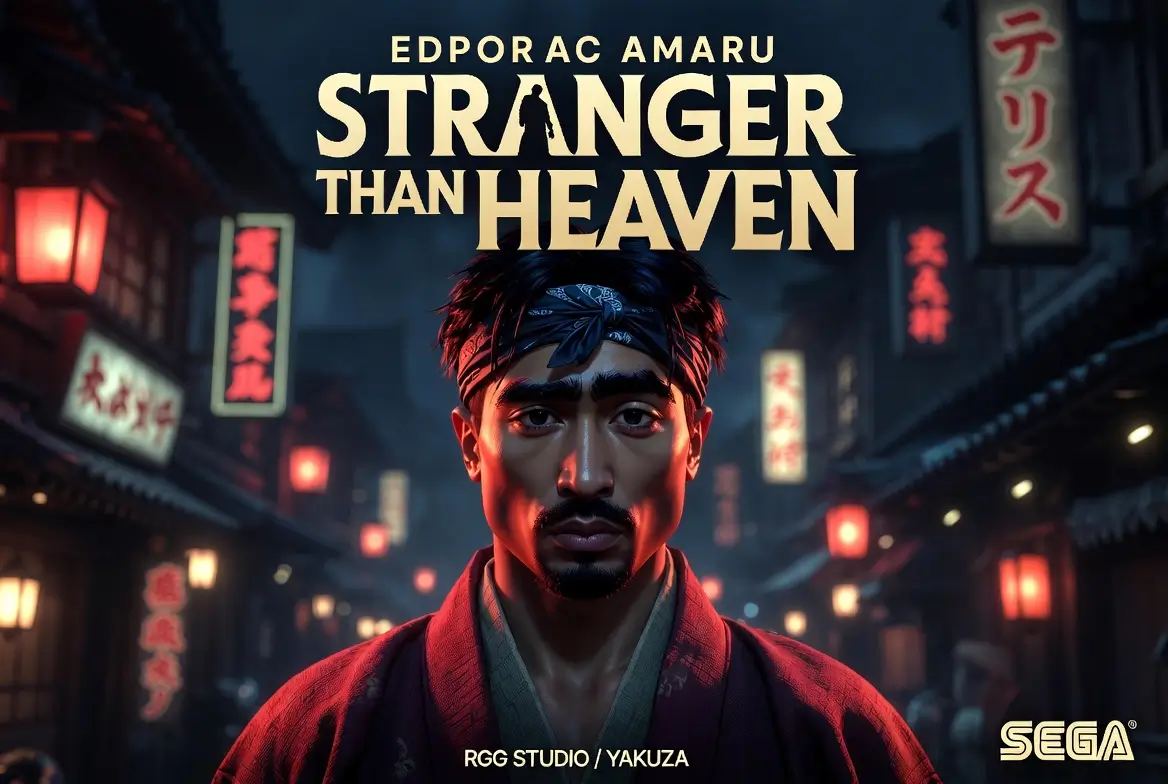
In one of the most audacious cross-culture moments in gaming history, Sega and Ryu Ga Gotoku (RGG) Studio have unveiled Stranger Than Heaven, a sweeping action-adventure prequel to the Like a Dragon (formerly Yakuza) series. Set for release on January 15, 2027, the game made global headlines at Summer Game Fest 2026 with the surprise reveal of Tupac Shakur as a character named Amaru—fully approved and supervised by his estate, Amaru Entertainment. Snoop Dogg, who portrays a key role and helped facilitate the collision, delivered the announcement onstage, underscoring themes of legacy, resilience, and culture mix that define the project.
Digesters who track fashion, music, and culture intersections with streetwear and design, this announcement resonates far beyond pixels. It represents a bold synthesis of hip-hop’s raw authenticity with RGG Studio’s signature blend of over-the-top action, heartfelt drama, and meticulous world-building. Tupac’s inclusion isn’t mere cameo; it’s a respectful integration into a 50-year saga exploring identity, ambition, and the underworld’s evolution in 20th-century Japan.
stir
Stranger Than Heaven (previously codenamed Project Century) serves as a distant prequel, tracing the roots of the Tojo Clan—the fictional yakuza organization central to the Like a Dragon universe. Players follow protagonist Makoto Daito, a Japanese-American outcast of mixed heritage, across five distinct historical eras and cities in Japan: 1915 in Kokura/Fukuoka, 1929 in Kure, 1943 in Osaka’s Minami district, 1951 in Atami, and 1965 in Tokyo’s Shinjuku (echoing Kamurocho).
The narrative begins in 1915 as young Makoto, reeling from personal loss in America, stows away on a ship bound for Japan alongside Yu Shinjo (voiced by Dean Fujioka), another half-Japanese dreamer. They encounter Orpheus (Snoop Dogg), a charismatic smuggler who becomes a mentor figure, drawing them into a world of survival, show business, and organized crime. Over decades, Makoto rises from outsider to influential showman and eventual founder of the Tojo Clan, navigating war, cultural shifts, prejudice, and the blurred lines between performance and power.
RGG Studio’s hallmark style—deep character-driven storytelling, absurdly fun side activities, and cinematic brawls—gets amplified here. Combat incorporates music-driven elements, reflecting the era-spanning soundtrack and showbiz themes. Expect dynamic fights blending traditional martial arts with period-specific flair, alongside management sim aspects as Makoto builds his entertainment empire amid yakuza intrigue. The multi-era structure allows players to witness Japan’s transformation through Makoto’s eyes, from Taisho-era tensions to post-war recovery and 1960s modernity.
This ambition aligns with RGG’s evolution. After the turn-based shift in Like a Dragon, Stranger Than Heaven returns to real-time action roots while expanding scope dramatically. Masayoshi Yokoyama, RGG Studio head, has described it as a “tremendous secret” unfolding across time, promising emotional depth rivaling Yakuza 0.
straddle
The standout revelation is Tupac Shakur’s portrayal as Amaru. Named after the rapper’s own middle name (Tupac Amaru Shakur, inspired by the 18th-century Peruvian revolutionary Túpac Amaru II), the character is a CGI recreation crafted with utmost care. RGG Studio emphasized no AI was used; the design draws directly from archival footage, photographs, and close collaboration with Amaru Entertainment. The estate provided ongoing supervision to honor Tupac’s likeness, voice (details pending), and spirit.
Snoop Dogg’s onstage comments at Summer Game Fest highlighted the personal connection: “The Tupac estate and my son and myself, we work very closely together. So it just made sense to put him in this game, because his likeness and his spirit still lives on.” Snoop’s son Cordell Broadus also appears, adding familial layers.
Amaru’s exact role remains under wraps, but the reveal trailer suggests integration into the multi-era narrative—possibly as a powerful ally, rival, or symbolic figure bridging American cultural influence with Japan’s underworld. In a game exploring identity and outsider status, Tupac’s archetype—poet, activist, warrior—fits seamlessly. His presence evokes themes of resistance, artistic rebellion, and transcendence, mirroring Makoto’s journey from American shores to Japanese reinvention.
This isn’t the first posthumous Tupac appearance (hologram concerts, biopics), but the estate’s active involvement and RGG’s respectful approach set it apart. It avoids exploitation, instead celebrating enduring impact. For hip-hop and gaming fans, it’s a landmark: one of the most high-profile integrations of a music icon into interactive storytelling.
muse
Tupac joins an eclectic ensemble. Snoop Dogg as Orpheus brings charisma and streetwise mentorship. Other highlights include:
- Dean Fujioka as Yu Shinjo, Makoto’s friend and rival.
- Satoshi Fujihara (Official Hige Dandism) as Takashi, a music-loving yakuza.
- Tori Kelly as Suzy Day, an aspiring singer.
- Additional Japanese actors like Takashi Ukaji, Yasukaze Motomiya, Takaya Kuroda (Kiryu’s voice), and more.
Music is central. The theme song “Stranger Than Heaven” features Snoop Dogg, Satoshi Fujihara, Ado, and Tori Kelly—a fusion of hip-hop, J-pop, and soul that mirrors the game’s cultural collisions. Expect licensed tracks and original compositions spanning eras, enhancing immersion in showbiz and street life.
flow
Stranger Than Heaven launches on PlayStation 5, Xbox Series X|S, and PC (Steam), day one on Xbox Game Pass. Pre-orders include standard and deluxe digital editions, plus physical Collector’s Editions with vinyl records, SteelBook cases, art, and DLC.
Gameplay promises RGG’s signature depth: main story brawls, substories full of humor and heart, minigames, and era-specific activities. The 50-year span introduces evolving mechanics—perhaps shifting combat styles or management systems as Makoto’s status grows. Visuals leverage modern tech for detailed historical recreations and hyper-realistic character models, including Amaru’s striking likeness.
culture
Tupac’s inclusion taps into broader 2020s trends: gaming’s embrace of music icons (e.g., previous RGG celebrity cameos) and hip-hop’s global influence on fashion, design, and narrative. Streetwear enthusiasts will appreciate how the game weaves American cultural exports—music, attitude, resilience—into Japanese heritage, much like collabs between brands like Carhartt WIP or Timberland x nonnative blend utility with expression.
It raises thoughtful questions about representation, legacy, and digital immortality. By prioritizing estate collaboration and archival fidelity, RGG avoids pitfalls of AI-generated content, focusing on human storytelling. In an era of digital fatigue, Stranger Than Heaven offers tangible emotional weight—characters who fight, dream, and evolve across turbulent history.
Critics and fans reacted with excitement and curiosity at SGF. The trailer’s blend of gritty period drama, explosive action, and surprise celebrity reveals generated massive buzz, positioning the game as a potential 2027 standout.
fin
More details on Amaru’s storyline, full gameplay mechanics, and additional cast will likely drop in the coming months. RGG Studio’s track record suggests meticulous polish, rich side content, and multiple endings or New Game+ modes.
For any audience, this title exemplifies culture crossover at its finest: high-end production values meeting authentic artistic voices. Tupac as Amaru isn’t just a marketing win—it enriches a narrative about finding home, forging identity, and leaving a mark against odds. In Makoto’s world of showmen and gangsters, Tupac’s spirit feels right at home.
Stranger Than Heaven arrives January 15, 2027. Pre-order now and prepare for a journey stranger—and more heavenly—than expected. Whether you’re a Yakuza veteran, hip-hop head, or fashion-culture observer, this promises layers of story, style, and substance worth experiencing.
n
From the DRIFT archive: Jodie Foster Narrates Morgan Neville’s Breakdown: 1975: A Cultural Autopsy of the Most Radical Year in American Cinema · No Me Quiero Ir De Aquí — The Story of Bad Bunny and FRSH Company’s Puerto Rican Streetwear Moment