Taylor Sheridan to Script Paramount’s Live-Action “Call of Duty” Film Adaptation

November 1, 2025
intro
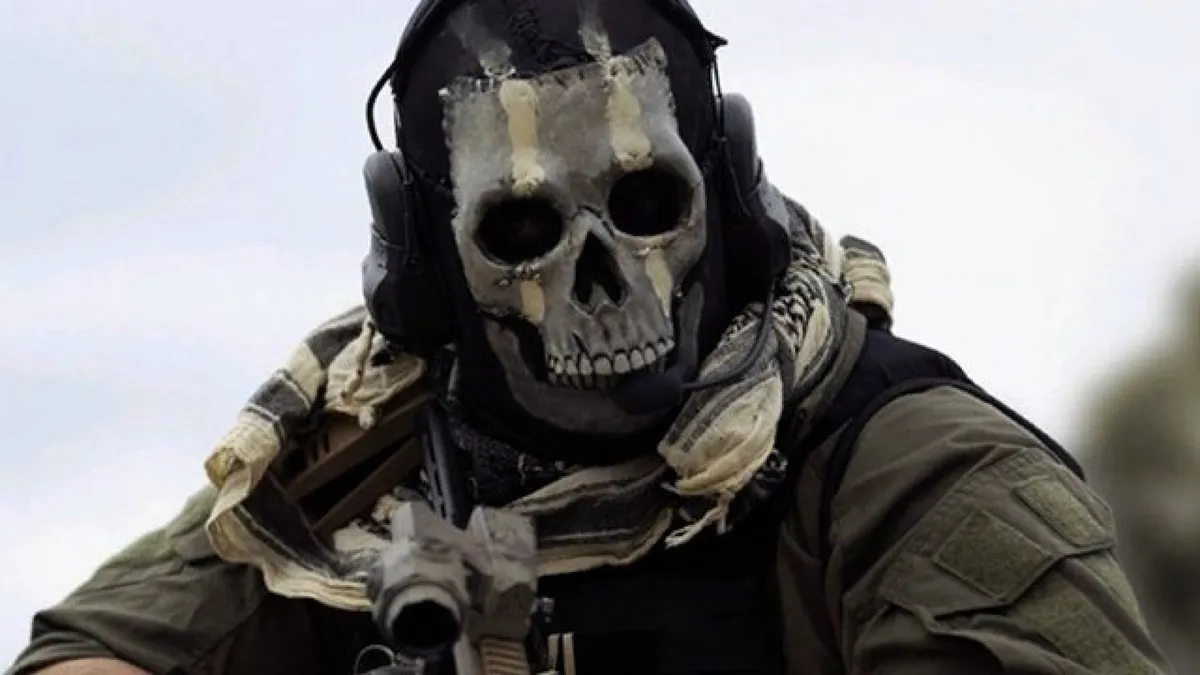
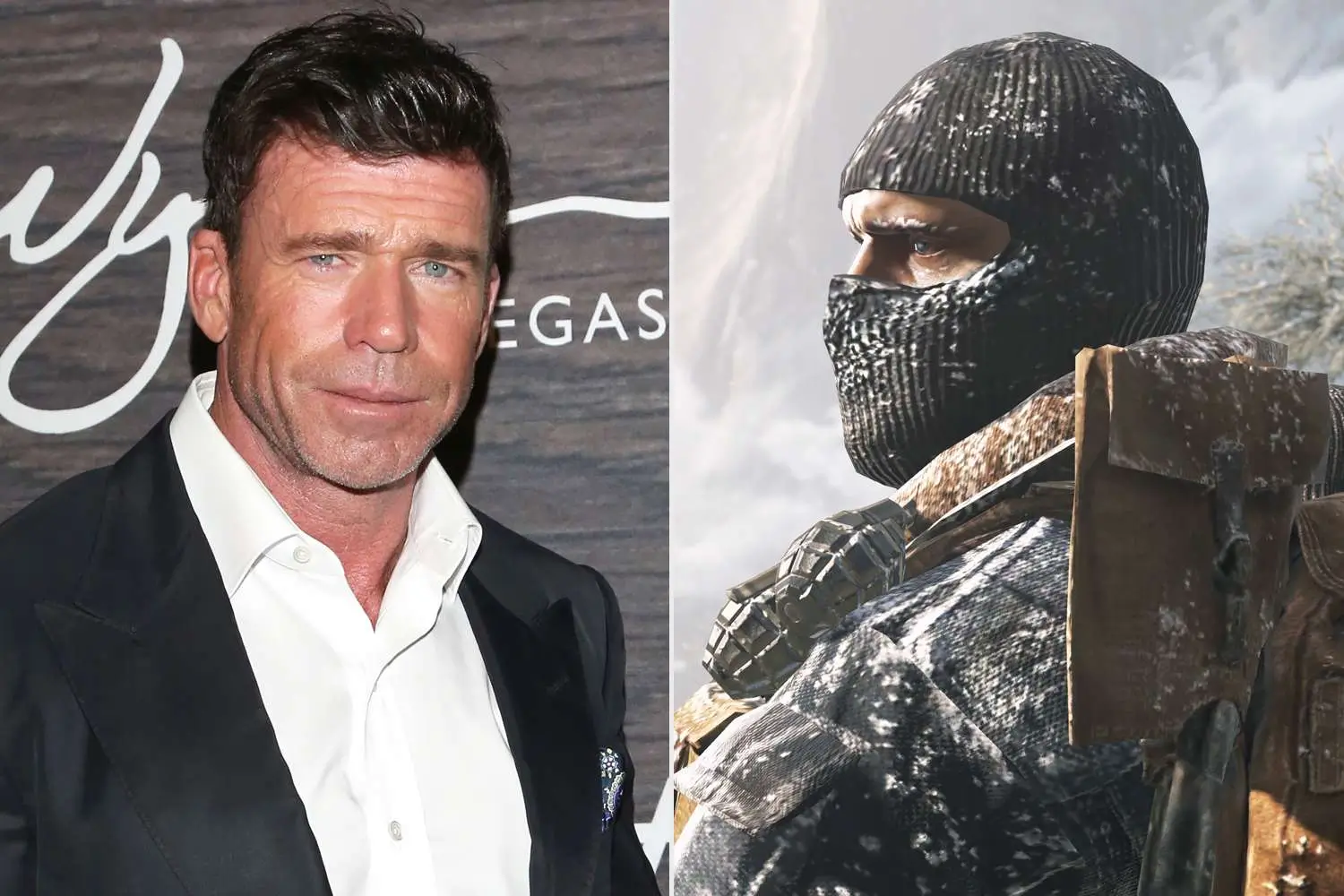
Paramount Pictures has officially confirmed that Taylor Sheridan will write the adaptation of the live-action feature film based on the Call of Duty video game franchise. The announcement, made Thursday, marks one of the most significant crossovers between gaming and Hollywood in recent memory. The project unites Sheridan—best known as the creator of Yellowstone and writer of Sicario and Wind River—with director Peter Berg, the action filmmaker behind Lone Survivor and Deepwater Horizon.
Together, they are set to bring one of gaming’s largest military universes to the big screen, a challenge and opportunity that could redefine the boundaries of video game adaptations. The news signals a strategic move for Paramount and Activision Blizzard, aiming to convert one of the world’s most successful entertainment franchises into a cinematic tentpole.
franchise
Since its debut in 2003, Call of Duty has become synonymous with first-person military realism. Across its twenty-plus installments—spanning World War II, the Cold War, modern combat, and speculative near-future warfare—it has sold over half a billion copies globally. What began as a PC-based shooter evolved into a culture touchstone, shaping how modern audiences imagine war through the lens of digital immersion.
The franchise’s narratives have shifted with history: early entries paid homage to Saving Private Ryan, while later titles such as Modern Warfare mirrored the anxieties of post-9/11 geopolitics and covert operations. More recent iterations like Black Ops Cold War and Modern Warfare II (2022) blurred the lines between cinematic spectacle and gaming interaction. The cinematic ambitions were already visible—multi-camera storytelling, A-list voice actors, and motion-capture performances that rival film production budgets.
Bringing Call of Duty to film has been rumored for more than a decade, but until now, the pieces never aligned. Activision once flirted with a shared universe approach, teasing interconnected military stories across multiple films. What Sheridan and Berg offer, however, is focus: an authentic, character-driven vision that can balance the adrenaline of the franchise with grounded human emotion.
taylor sheridan
Taylor Sheridan’s ascent from actor to one of Hollywood’s defining storytellers of the 21st century is already the stuff of industry lore. His writing has consistently revolved around morality under pressure—men and women caught in the tension between law, land, and loyalty. From Sicario’s silhouette border wars to Hell or High Water’s modern outlaw morality, Sheridan’s work has explored violence not as spectacle but as consequence.
Call of Duty gives him new terrain to explore: the morality of soldiers within the machinery of modern warfare. His writing thrives on ambiguity, and the military context—where duty and doubt often coexist—offers rich material. Sheridan’s ability to humanize hardened characters suggests that this adaptation will not simply be a festival of explosions. Expect a script that examines the cost of command, the trauma of survival, and the thin line between heroism and guilt.
His ongoing relationship with Paramount makes the pairing natural. Sheridan’s universe of shows under the Paramount umbrella—Yellowstone, 1923, Tulsa King, Mayor of Kingstown—has revitalized the studio’s television identity.
peter berg
If Sheridan provides the moral compass, Peter Berg supplies the visceral punch. Berg’s filmography reads like a dossier of American endurance: Lone Survivor, Patriots Day, Deepwater Horizon, and Hancock each explore individuals under impossible circumstances. His direction combines military precision with emotional intimacy, placing audiences amid chaos without losing sight of humanity.
His prior collab with Sheridan—though indirect—demonstrates a shared sensibility for realism and restraint. Both reject glossy spectacle in favor of texture: dust, sweat, and silence. Berg’s experience with real-life military stories gives him credibility among veterans and audiences alike.
why
For years, the “video game movie” was shorthand for cinematic disaster. Attempts to translate interactive worlds into film often collapsed under the weight of poor storytelling or misplaced tone. Yet, in the past five years, the landscape has changed. Series like The Last of Us and Arcane proved that gaming narratives can yield prestige-level drama when treated seriously.
Call of Duty represents a different challenge: it isn’t a single story but a sprawling anthology of conflicts. The question is which era the film will adapt. Insiders suggest a Modern Warfare-style scenario—contemporary geopolitics, covert operations, and moral ambiguity. That setting allows Sheridan’s writing to breathe: interrogating the ethics of drone warfare, intelligence agencies, and the blurred borders between allies and enemies.
Paramount’s timing is also strategic. With the studio’s recent successes in large-scale action (Top Gun: Maverick, Mission: Impossible – Dead Reckoning), the appetite for high-quality military realism is strong. The combination of a known IP and auteur-driven storytelling positions Call of Duty as a prestige blockbuster rather than a novelty adaptation.
flow
The film is expected to lean heavily into Sheridan’s brand of realism. That means practical effects over digital excess, military consultation for authenticity, and a cast that prioritizes performance over star spectacle. Expect the tone to echo Black Hawk Down or Zero Dark Thirty more than Transformers.
One likely direction is a team-based narrative—an ensemble of soldiers on a mission that spirals into moral conflict. The Call of Duty games often balance individual heroics with squad dynamics; on film, this could translate into character interplay reminiscent of Band of Brothers. Sheridan’s dialogue thrives on subtle defiance and weary camaraderie, traits that suit the soldier’s psyche.
Cinematically, Berg will bring his handheld intensity: camera shakes, close-range gunfire, and moments of sensory overload that dissolve into quiet despair. If executed well, it could produce a war film that feels immediate yet reflective, capturing both the chaos of combat and the silence that follows.
View this post on Instagram
alignment
Paramount’s decision to partner with Activision is as much about cultural relevance as financial potential. The studio understands that gaming is no longer a niche—it’s the dominant medium for global youth culture. By adapting Call of Duty, Paramount gains access to a built-in audience of millions while repositioning itself as a studio capable of merging Hollywood tradition with digital-age franchises.
Activision, for its part, has long sought a credible cinematic adaptation. The company’s strategy extends beyond simple brand expansion—it aims to legitimize Call of Duty as a storytelling universe, not just a product line. Sheridan’s involvement sends that message: this isn’t a quick-cash spin-off, but a serious creative endeavor.
Both entities recognize the film’s potential to serve as a bridge between generations: older audiences who consume war dramas and younger fans who grew up playing them. The project’s global reach is enormous. Call of Duty resonates across continents, from American veterans to esports players in Seoul or São Paulo. A successful adaptation could perform powerfully in international markets where military narratives have universal emotional pull.
culture
Part of Call of Duty’s success lies in how it mythologizes warfare. Its immersive design lets players experience heroism and fear simultaneously. The upcoming film will inevitably wrestle with that contradiction. How do you portray the allure of combat without glorifying violence? How do you honor soldiers’ sacrifice without endorsing perpetual war?
Sheridan’s history suggests he won’t shy from such tension. In his best work, violence is both magnetic and tragic. Expect Call of Duty to function less as a recruitment poster and more as a reckoning—a mirror held up to a culture fascinated by conflict. His scripts often hinge on moral exhaustion, where victories come at emotional cost. That tone may redefine what a video game film can be: not escapist fantasy but reflective drama.
style
The Call of Duty film enters a crowded landscape of adaptations. Sony continues to mine its PlayStation catalog (Uncharted, Ghost of Tsushima), while Netflix and Amazon are developing series from Gears of War, Assassin’s Creed, and Bioshock. The success of The Last of Us has set a high bar for fidelity and depth, and Paramount’s project will inevitably be compared against it.
Unlike narrative-heavy games, Call of Duty doesn’t rely on a fixed protagonist or linear plot. Its identity lies in tone and immersion. That freedom could be liberating: Sheridan and Berg can craft an original story within the franchise’s aesthetic universe without being shackled to fan-favorite characters. Yet, it also poses a challenge—how to make it unmistakably Call of Duty without simply reproducing the gameplay.
anticipation
Among fans, the announcement has sparked cautious optimism. After years of failed adaptations, the attachment of serious filmmakers signals a turning point. The gaming community, long skeptical of Hollywood’s treatment of their stories, sees Sheridan’s involvement as validation that their medium deserves cinematic respect.
Critics, too, recognize the symbolic importance. If Call of Duty succeeds artistically and commercially, it could usher in a new generation of auteur-driven adaptations—treating game narratives not as novelty, but as legitimate mythologies of the modern world.
legacy
The film’s success should open the door to an entire cinematic universe. Call of Duty’s sub-brands—Modern Warfare, Black Ops, World at War—each contain rich narrative ecosystems that could sustain sequels or streaming series. Paramount could replicate Marvel’s franchise model within a military-realist framework: interconnected stories spanning eras and theaters of war.
There’s also cross-media potential. A coordinated release with a new game installment, immersive VR experiences, or behind-the-scenes documentaries could create a multimedia event. The timing aligns with Activision’s long-term strategy to expand the franchise beyond consoles and e-sports.
Ultimately, Call of Duty on film represents more than entertainment—it’s a cultural convergence point where digital myth meets cinematic tradition.
impression
The announcement that Taylor Sheridan will write Paramount’s Call of Duty film feels less like another adaptation and more like a declaration. It acknowledges how storytelling has evolved: the emotional power once reserved for cinema now thrives in gaming, and the cinematic ambition once confined to theaters now fuels interactive worlds.
Sheridan and Berg stand at that intersection. Their collab promises not just a war movie, but a redefinition of what “military storytelling” can be in the 21st century—anchored in realism, haunted by consequence, and propelled by human courage.
If successful, Call of Duty could become the bridge between two entertainment empires—Hollywood and gaming—each reshaping the other. For Paramount, it’s a bet on relevance; for Sheridan, a test of authorship; and for audiences, perhaps, the chance to experience war cinema reborn through the language of pixels and prose.
Related Articles

France Just Banned Social Media for Kids Under 15, and the Fight Over Anonymity Is Only Getting Started
France becomes the first EU nation to bar under 15s from social platforms, and critics […]