DRIFT

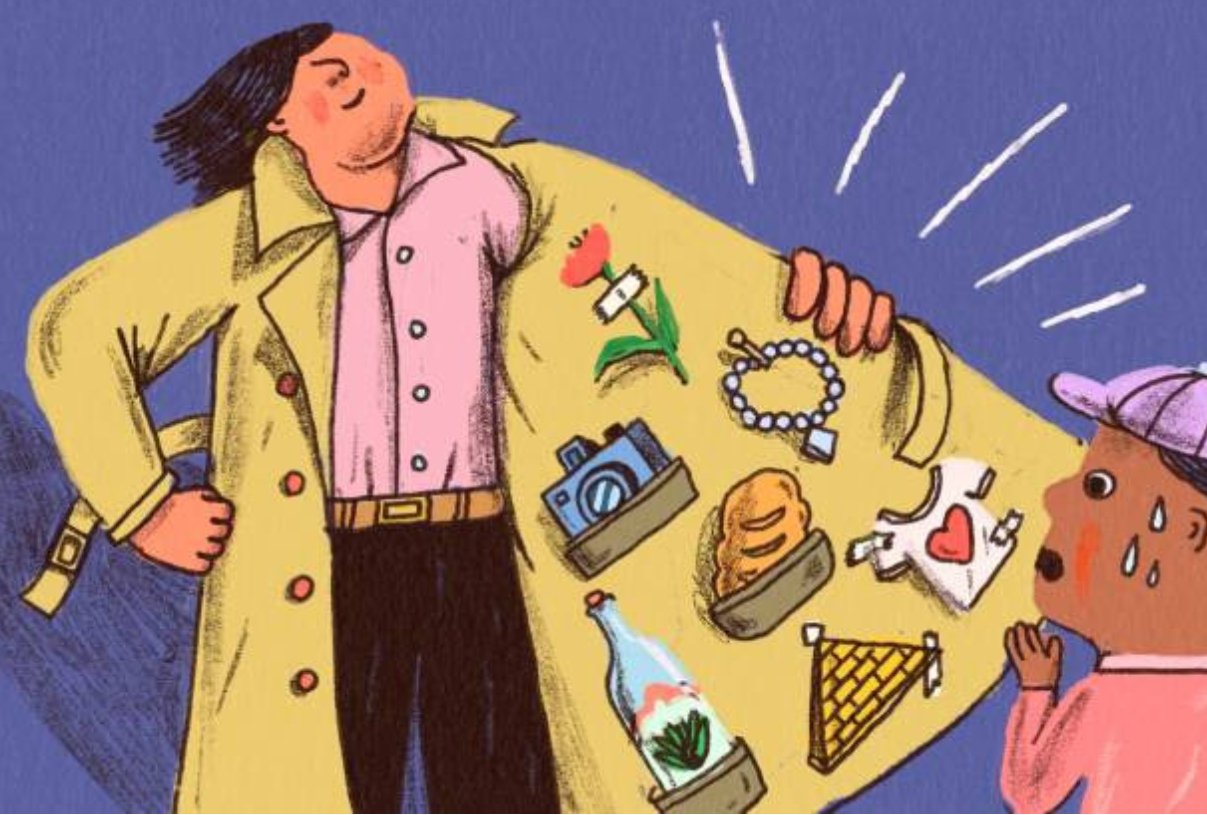
These days, it’s not enough to crush it at your 9-to-5. If you’re not using your evenings and weekends to build a second income stream—or at least post about trying—you’re behind. The rise of the “5-to-9” hustle culture has turned spare time into a marketplace, hobbies into gigs, and passion into product. But is this just entrepreneurial spirit evolved—or a symptom of burnout capitalism?

What started as a clever name for productivity videos on TikTok has now become a blueprint for living. Influencers push monetization tutorials. Finfluencers break down affiliate links and e-commerce margins. And average people—baristas, teachers, accountants, students—are clocking extra hours to launch Etsy shops, ghostwrite newsletters, flip furniture, sell digital downloads, or manage microbrands from their bedrooms.

In this editorial, we take a long, sharp look at the modern side hustle. What’s everyone doing on the side, and what are they really getting out of it? We break down the economics, the psychology, the community, and the unspoken toll behind the hustle boom.

The Rise of the Hustle: From Survival to Identity

Side hustles used to be about survival. Driving Uber to cover rent. Selling crafts to pay student loans. Now they’re often framed as a path to self-actualization. But survival never really left the picture—it just got rebranded.

More than 44% of working adults in the U.S. have some form of side hustle, according to recent surveys. That number is higher among Gen Z and Millennials, many of whom came into adulthood during economic chaos: recession, pandemic, inflation, housing crises, tech layoffs. The message has been clear: your job might not be enough. So make something extra. Make something yours.

This leads to a tricky cocktail of ambition, anxiety, and aspiration. The hustle becomes not just a money move, but a personality trait. You’re not just someone who sells vintage T-shirts online. You’re a founder. You’re building a brand. Your Google Sheet budget is color-coded. Your Amazon storefront is curated. You’ve got goals. And a vision board. And burnout. But you keep going—because stopping feels like falling behind.

Who’s Hustling—and How?

The side hustle landscape in 2025 is more crowded and diverse than ever. Here’s a breakdown of common lanes people are operating in:

Digital Microbusinesses

Think Canva templates, Notion planners, Lightroom presets, Substack newsletters, and downloadable workout guides. The overhead is low, the platforms are accessible, and the potential audience is global. Passive income? Sort of. You’ve still got to market, maintain, and sometimes reinvent the product.

Content Creation

From niche YouTube channels to TikTok tutorials to OnlyFans accounts, content is currency. Many turn hobbies—gaming, cooking, beauty, commentary—into income via sponsorships, ad revenue, or subscriptions. But the mental grind of constant visibility is real.

E-commerce & Flipping

Reselling on Depop, Etsy, eBay, Facebook Marketplace, and Poshmark is booming. Some thrift and flip. Others design and drop-ship. Either way, it’s a logistics-heavy hustle that rewards aesthetics and SEO as much as product.

Freelancing & Consulting

Writers, designers, coders, marketers, and career coaches offer services on Upwork, Fiverr, or independently. Side gigs in this lane often blur into full-blown careers. But juggling freelance with a full-time job can wear you thin.

Gig Economy Apps

Instacart, TaskRabbit, Rover, DoorDash—the app-based gig economy still thrives. It’s flexible, relatively quick to start, and tangible. But it’s also physically draining and often pays below minimum wage once you factor in expenses.

The Psychology Behind the Hustle

Let’s get real: Not everyone wants to be an entrepreneur. But many feel like they have to be. There’s a creeping fear that if you’re not turning your free time into money, you’re wasting it—or worse, wasting your potential.

That pressure is especially intense in an economy where wages haven’t kept pace with inflation, and the dream of homeownership feels out of reach for millions. Side hustles are often romanticized as empowering, but they can also be exhausting. The line between work and life blurs, and “time off” becomes “time to catch up.”

Therapists report seeing a spike in clients dealing with productivity guilt—feeling ashamed for resting or not monetizing a hobby. Social media adds fuel. You’re not just watching someone’s side hustle—you’re watching their highlight reel, metrics included.

Yet for many, side hustles do provide meaning and agency. Building something from scratch, finding a niche, connecting with an audience, or just seeing proof that your work has value beyond your day job—it’s a powerful antidote to corporate anonymity.

The Economics: Does the Math Add Up?

Here’s where the fantasy hits reality.

According to a 2025 Pew report, the median monthly income from side hustles in the U.S. is around $300. Only a small percentage make thousands or scale to full-time status. And the effort required? Significant. Many side hustlers report working 10–20 extra hours per week.

And that’s before taxes, platform fees, or burnout.

But the flip side is just as important: For many, that extra $300 matters. It covers groceries. It fuels a savings account. It pays for therapy or childcare or debt. In an era where “just getting by” often feels precarious, side hustles are how people are building cushion—and sometimes survival.

The ones who scale? They’re usually combining skills, marketing savvy, consistent content, and a willingness to learn platforms like Shopify, SEO, TikTok, and email funnels. In other words: it’s not “extra cash.” It’s another job.

Side Hustle Culture: Empowering or Exploitative?

This is the tension at the heart of the 5-to-9 era. Are side hustles liberating people from broken systems—or are they making people work more for less?

There’s pride in the hustle. But also fatigue. Burnout. Loneliness. And a sneaking suspicion that if things were fairer—if wages were higher, rent lower, healthcare universal—maybe we wouldn’t have to hustle so hard just to stay afloat.

Some call it empowerment. Others call it economic failure dressed in optimism.

Both can be true.

Success Stories (And What They Don’t Tell You)

The internet is full of “I made six figures from my side hustle” posts. But what’s often left out is:

  • Time – It didn’t happen overnight. It took months (or years) of trial, error, and consistency.
  • Privilege – A safety net helps. Savings. Free rent. Health insurance through a spouse. These factors change the game.
  • Burnout – Many successful hustlers end up scaling out of their hustle once it starts to resemble full-time labor.
  • Luck – Algorithm breaks, viral posts, or the right trend at the right time can make or break a hustle.

The real story is usually more layered. Hustling isn’t just about grinding. It’s about navigating complexity.

Community, Connection, and Culture

One upside of side hustle culture? People are finding each other. Online communities, creator economy forums, Discord groups, and local maker markets are popping up everywhere. The loneliness of freelance is being balanced by peer support, accountability groups, and real friendships.

There’s also a cultural reclamation happening—especially among marginalized groups. For many BIPOC, queer, disabled, and immigrant creators, side hustles provide a space to build platforms and income outside of traditional (and often exclusionary) workplaces.

Hustle culture is evolving, too. There’s a slow push toward “slowpreneurship”—sustainable, intentional business building that centers rest, balance, and purpose. It’s still niche. But it’s growing.

The Future of the Side Hustle

What happens when everyone has a side hustle?

We may be reaching a saturation point. Audiences are inundated. Algorithms are competitive. Time is scarce. But creativity, adaptability, and digital tools continue to evolve. AI is changing workflows. Niche markets keep growing. And hybrid career models are here to stay.

In the next few years, we’ll likely see a divide:

  • Side hustles as income – Tactical, low-lift gigs to fill financial gaps.
  • Side hustles as entrepreneurship – Scalable, branded ventures with real growth goals.
  • Side hustles as identity – Creative expressions and digital reputations that intersect with selfhood.

Knowing why you hustle may become more important than what you hustle.

Final Word: Is the Hustle Worth It?

Only you can answer that.

For some, side hustles are lifelines. For others, they’re ladders. For many, they’re pressure cookers wrapped in Pinterest boards.

What’s clear is this: the 9-to-5 alone no longer feels secure, or even sufficient, for millions. So people are filling the gaps—with skills, sweat, and side gigs. They’re turning bedrooms into studios, notebooks into startups, and downtime into runway.

It’s messy. It’s exhausting. It’s inspiring. It’s complicated.

But it’s also where the future of work is being built—one 5-to-9 at a time.

Related Articles
Modern data center facility with a solar-panel-clad exterior, bright green administrative offices, and secure perimeter fencing, showcasing sustainable digital infrastructure and renewable energy integration

Lombardy’s Data Center Boom: Balancing Digital Ambition with Environmental Responsible

Lombardy has emerged as Italy’s primary hub for new digital infrastructures, particularly data centers—vast complexes […]

In a highly anticipated reunion after 24 years, Adidas Originals and Coca-Cola have joined forces once again to celebrate the FIFA World Cup 2026™. The collaboration revives their iconic 2002 partnership from the Japan-South Korea tournament, now reimagined for the biggest global sporting event of 2026, co-hosted by the United States, Canada, and Mexico. Set to launch on June 6, 2026, this collection masterfully blends Adidas' streetwear heritage with Coca-Cola's timeless branding, creating a vibrant fusion of football culture, nostalgia, and modern style. The drop arrives at a perfect moment. With the World Cup kicking off on June 11, 2026, fans worldwide are gearing up for a summer of football excitement. This collaboration isn't just merch—it's a cultural statement that merges two legendary brands under the banner of "Originals are the Real Thing," a clever twist on Coca-Cola's famous slogan. Historical Context: A Reunion 24 Years in the Making Adidas and Coca-Cola first collaborated during the 2002 FIFA World Cup, producing limited-edition pieces that captured the era's energy. That partnership helped define early 2000s football-streetwear crossover culture. Fast-forward to 2026, and the brands are back with fresh energy, leveraging Adidas' deep FIFA ties (as an official partner) and Coca-Cola's long-standing sponsorship of the tournament. The 2026 edition promises to be historic as the first 48-team World Cup, spanning three countries and generating unprecedented global hype. This collab taps into that momentum, offering fans wearable pieces that celebrate both brands' legacies while looking forward to the future of football fashion. Collection Overview and Design Philosophy The Adidas Originals x Coca-Cola collection fuses 2000s street style with classic sporting aesthetics. Expect bold reds, creams, whites, and silver accents inspired by Coca-Cola's iconic packaging—think classic script logos, droplet detailing, and can-inspired motifs. The lineup spans footwear, apparel, and accessories, divided into two visual directions: one logo-heavy and graphic-forward, the other drawing from vintage advertising aesthetics. Designs pay homage to Coca-Cola's visual language while staying true to Adidas Originals' archival roots. High-quality materials, attention to detail, and versatile silhouettes make these pieces suitable for both match-day wear and everyday street style. The campaign, featuring young football star Lamine Yamal and a diverse cast in everyday scenes building anticipation for the tournament, reinforces themes of originality and shared cultural moments. Footwear Highlights Footwear takes center stage in this collaboration, with reimagined takes on iconic 2000s Adidas silhouettes: Samba and Superstar Models: These classics get Coca-Cola treatment with white/cream/red colorways and prominent script branding. The Samba blends street heritage with football roots, while the Superstar II features weathered bases and bold side panels. Expected pricing around $110–$130. Adistar Control 5: A standout with droplet detailing mimicking condensation on a cold Coke can. This model brings performance-inspired design into lifestyle territory. Predator Sala: Indoor/hybrid style with silver-and-red accents, nodding to predatory precision on the pitch and Coca-Cola's bold energy. Climacool 1: Revived with breathable tech and Coke-inspired graphics, perfect for warm summer days. Megaride F50: A highlight paying tribute to the iconic Coca-Cola glass bottle, with unique contours and refreshing design cues. Each pair incorporates thoughtful details like embroidered logos, custom insoles, and packaging that mimics vintage Coke crates or cans. These shoes are built for durability and comfort, appealing to sneakerheads, football fans, and casual wearers alike. Apparel and Accessories Beyond kicks, the collection offers a full lifestyle range: Track Tops and Jerseys: Standout jerseys fuse retro Coca-Cola advertising from different eras into cohesive football designs. Track jackets feature signature three stripes alongside Coke branding, in vibrant reds and classic whites. Shorts and T-Shirts: Relaxed fits with graphic prints, ideal for casual wear or layering. Expect motivational football motifs blended with refreshing beverage references. Accessories: A bright red airliner bag stands out as a functional statement piece. Additional items may include caps, socks, and tote bags carrying the collaborative spirit. The apparel emphasizes comfort with premium cotton blends, mesh panels for breathability, and oversized silhouettes popular in contemporary streetwear. Unisex sizing and inclusive fits make the collection accessible to a broad audience. Cultural Impact and Fan Appeal This collaboration resonates on multiple levels. For football fans, it represents national pride and global unity ahead of the 2026 tournament. Sneaker enthusiasts will appreciate the nostalgic 2000s revival mixed with modern execution. Streetwear collectors see it as a prime example of how heritage brands can innovate through partnerships. In an era where sports and fashion increasingly intersect, Adidas and Coca-Cola deliver pieces that transcend the pitch. Wear them to watch matches at home, attend watch parties, or hit the streets in any host city—New York, Los Angeles, Toronto, or beyond. The designs are versatile enough for gym sessions, festivals, or daily commutes. The timing aligns perfectly with rising interest in football in North America, boosted by the co-hosting nations. Young talents like Lamine Yamal in the campaign help bridge generational gaps, attracting newer fans while satisfying longtime supporters. Where to Buy and Release Details The collection launches globally on June 6, 2026, via: Adidas CONFIRMED app (for early access and raffles) Adidas.com Select retailers and flagship stores worldwide Some regions may see staggered drops, with Japan and other markets getting early access. Prices are expected to range from $50–$150 depending on the item, making it relatively accessible compared to ultra-limited drops. Pro Tips for Copping: Enable notifications on the CONFIRMED app. Check local stock at Adidas stores in major cities. Monitor resale platforms post-drop for exclusive colorways, but be wary of markups. Size up slightly for oversized apparel fits. Given the World Cup hype, popular items like the Sambas and jerseys are likely to sell out quickly. International shipping is available, but factor in potential customs delays. Styling Suggestions Match Day Look: Pair a collaborative jersey with classic black shorts and Samba sneakers for effortless fan style. Streetwear Rotation: Layer a track top over a graphic tee with wide-leg pants and the Megaride F50 for a bold urban ensemble. Casual Summer: White Superstar with denim shorts and the airliner bag for a refreshing, vacation-ready vibe. These pieces mix seamlessly with existing Adidas or neutral wardrobes, maximizing versatility. Broader Context in 2026 Fashion and Sports The Adidas x Coca-Cola drop is part of a larger wave of high-profile collaborations tied to the World Cup. Adidas continues its dominance in football kit design, while Coca-Cola leverages its sponsorship with collectibles, bottles, and experiential activations like the Trophy Tour. In the sneaker industry, this collab exemplifies the ongoing trend of lifestyle reinterpretations of performance silhouettes. It also highlights how global brands use major events to drive cultural conversations around unity, originality, and joy—core values for both companies. Sustainability notes (based on Adidas' broader initiatives) suggest some pieces may incorporate recycled materials, aligning with modern consumer expectations. Looking Forward: Legacy and Excitement As the countdown to kickoff continues, this collection serves as the perfect prelude to an unforgettable summer of football. Whether you're a die-hard supporter, a fashion-forward collector, or someone seeking motivation through style, the Adidas Originals x Coca-Cola FIFA World Cup 2026 lineup delivers. Expect potential restocks, special event exclusives in host cities, and continued campaign content featuring more athletes. This isn't just clothing—it's a ticket to participate in the global celebration of the beautiful game. Mark your calendars for June 6, 2026. Refresh your wardrobe, lace up those Sambas, and get ready to cheer on your team in style. The "Real Thing" meets the Originals in what promises to be one of the most talked-about releases of the year. This collaboration captures the essence of football's universal appeal: bringing people together through shared passion, iconic brands, and unforgettable moments. As the world prepares for 2026's expanded tournament, Adidas and Coca-Cola remind us that some partnerships are truly timeless.

Adidas Originals x Coca-Cola Collection: FIFA World Cup 2026

In a highly anticipated reunion after 24 years, Adidas Originals and Coca-Cola have joined forces […]

Loewe shoulder bag crafted in brown and black leather with minimalist lion face detailing and a matching fur tail charm

180 Years Unfolded: The Full Story Behind Loewe’s New Campaign

The year was 1846. Queen Victoria was on the British throne and the telephone, the […]