DRIFT AUDIO
Listen to this story
Choose a voice, then press play.
This latest release, arriving under The Whitaker Group’s “Do Not Duplicate” initiative, reflects adidas’s growing confidence in archival experimentation while maintaining fidelity to its heritage language. Releasing on May 8, 2026 through the adidas Confirmed app and select retailers for $120, the BW Run arrives at a moment when retro runners and military-derived footwear dominate both luxury-adjacent styling and everyday sneaker culture. Rather than feeling like a forced crossover, the BW Run reads as a natural progression: part Bundeswehr precision, part vintage running nostalgia.
configure
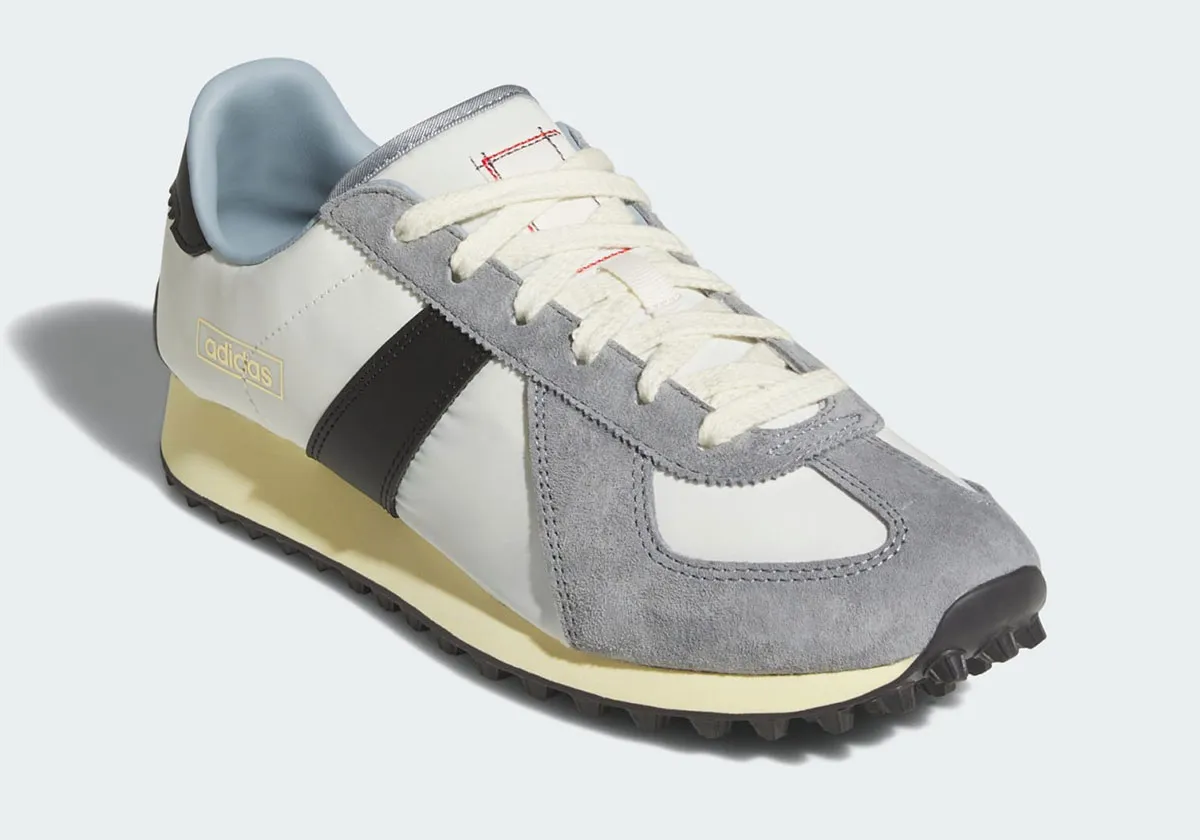
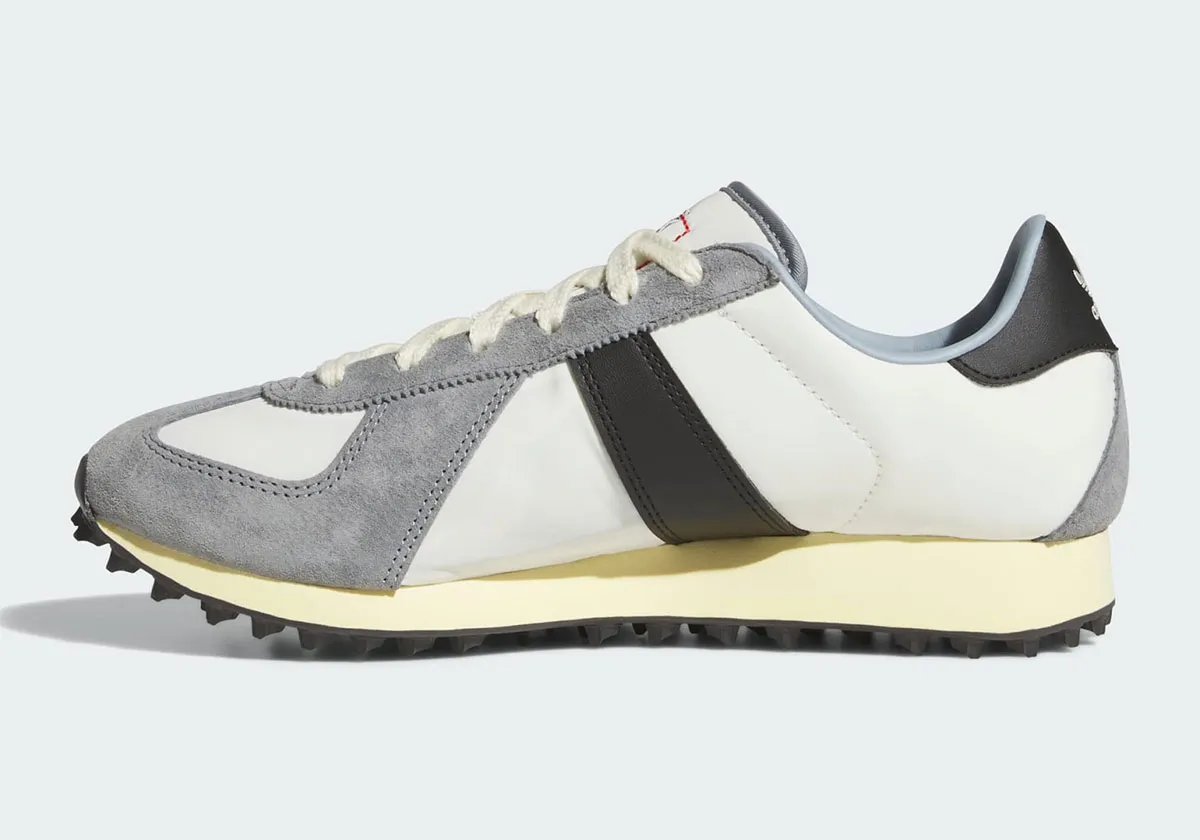
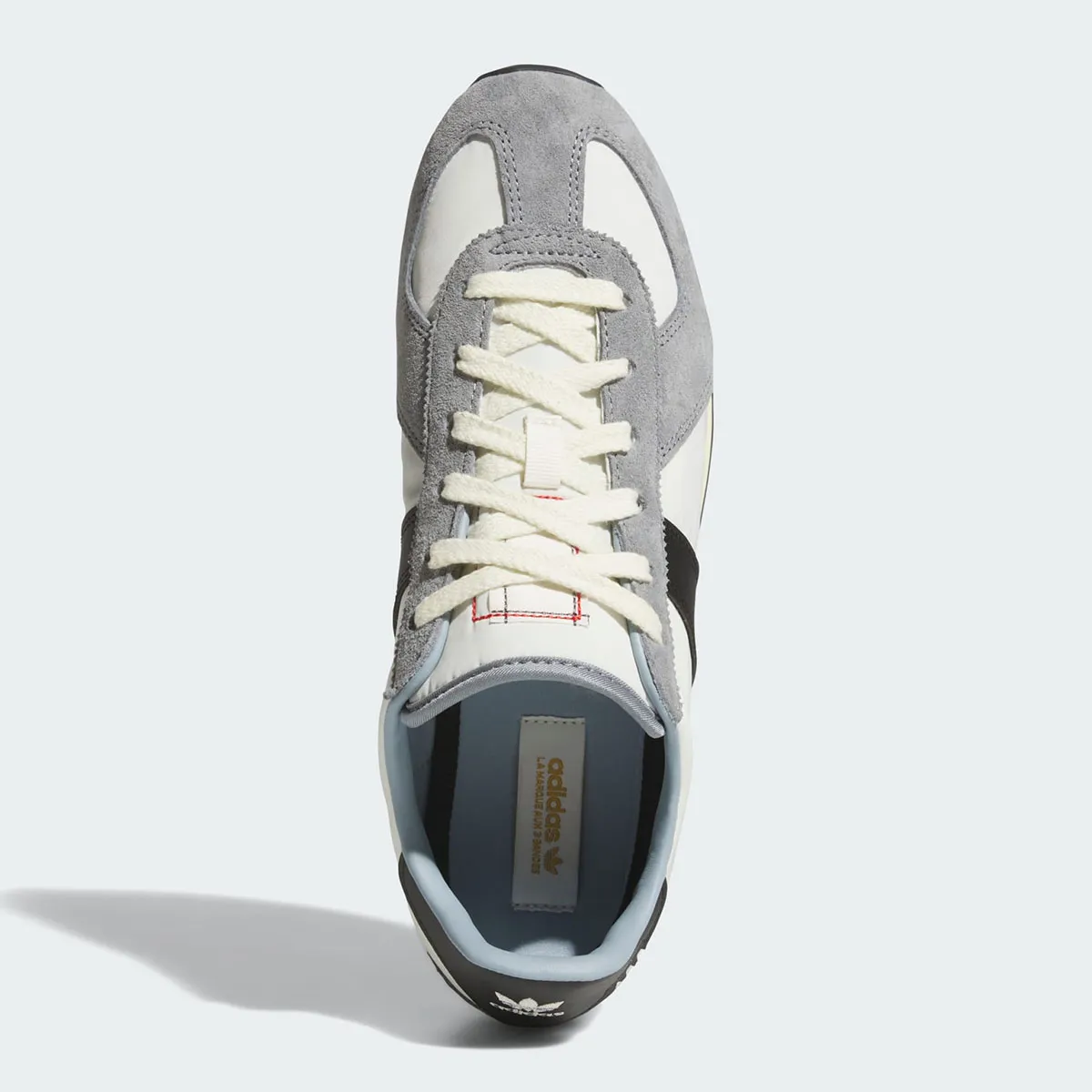
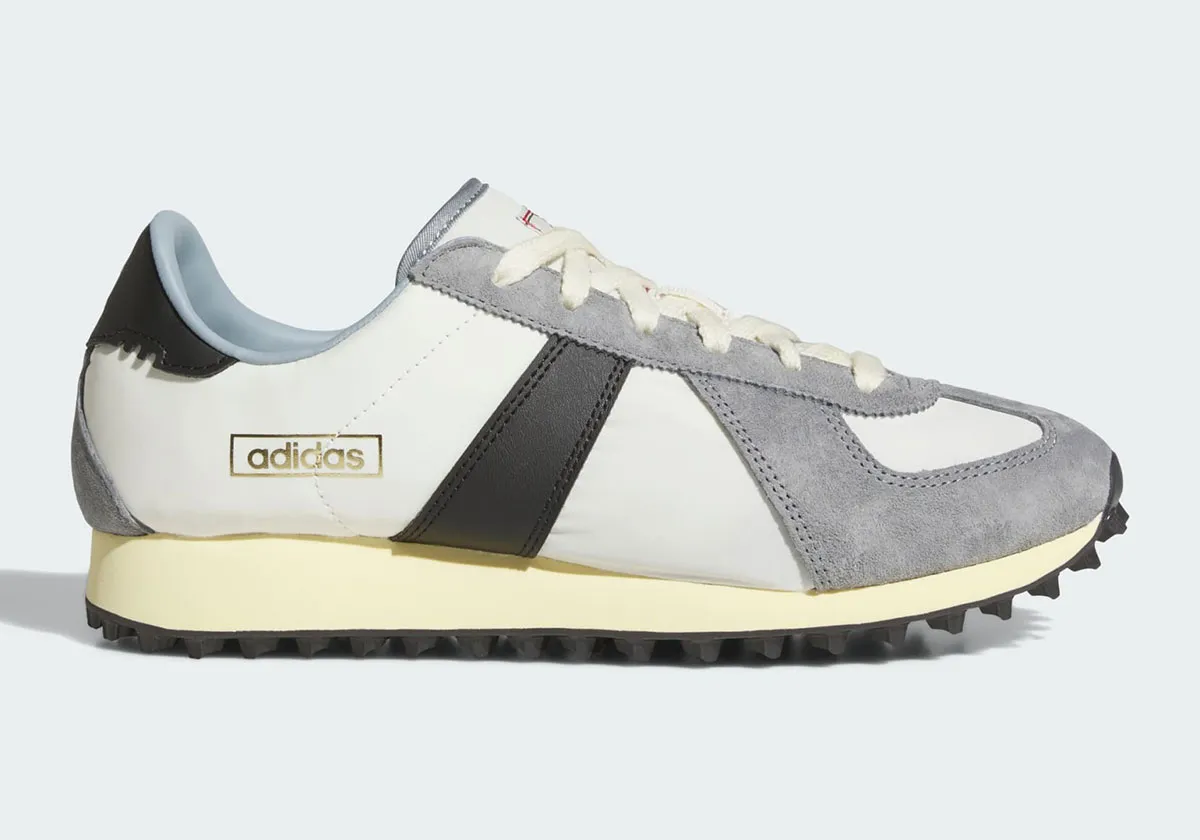
At its foundation, the BW Run preserves the essential architecture that made the BW Army resonate so strongly. The familiar T-toe construction remains intact, alongside subtle suede overlays and clean sidewall paneling that preserve the shoe’s disciplined visual identity. adidas wisely avoids excessive branding, allowing material composition and proportion to carry the design language. Premium leather mixes with suede and nylon inserts, introducing a softer technical dimension that subtly references archival running silhouettes without overwhelming the military roots of the shoe.
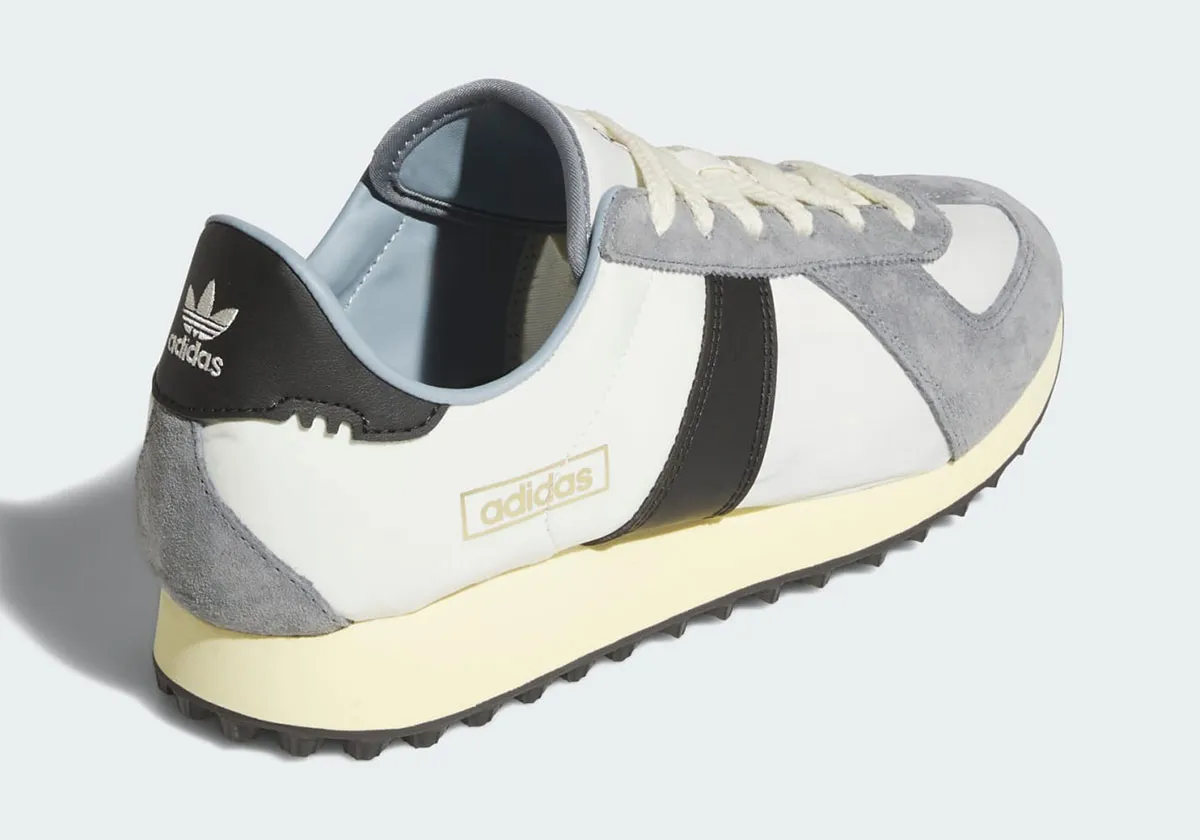
The heel receives one of the model’s most distinctive updates through a serrated backtab featuring three understated notches, while the blank tongue tag reinforces the cryptic, anti-mass-production ethos of the “Do Not Duplicate” series. These details feel intentional rather than decorative. They operate within the broader philosophy currently shaping fashion and footwear: luxury through reduction rather than embellishment.
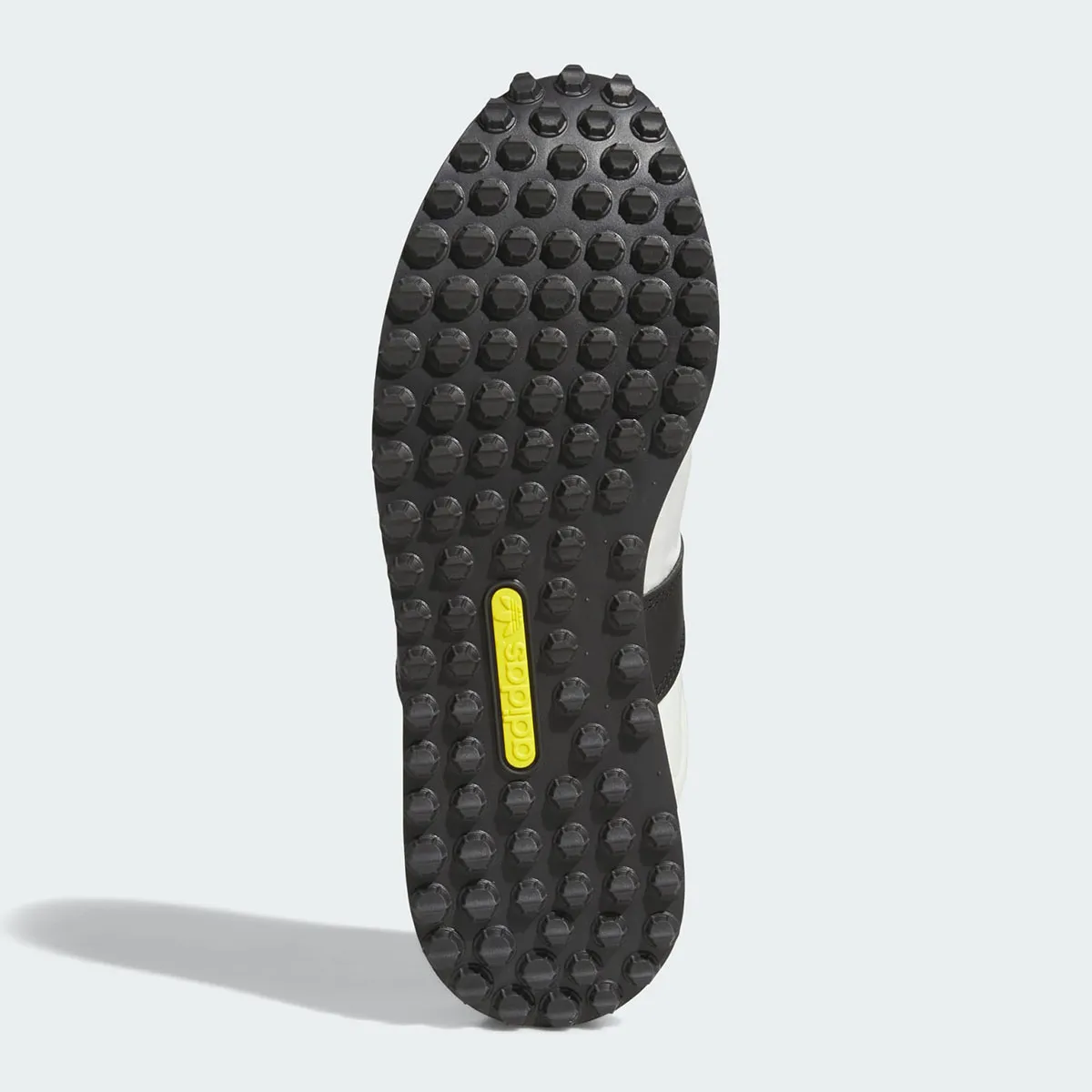
The most dramatic evolution occurs beneath the upper. The traditional gum cupsole associated with classic GAT silhouettes disappears entirely, replaced by a retro runner platform drawing clear inspiration from the adidas SL-72 and broader late-1970s athletic footwear. Foam cushioning paired with a treaded rubber outsole introduces a more propulsive and comfort-oriented ride while preserving the grounded restraint that defines the BW lineage. The outsole pattern borrows from vintage waffle-style running traction systems, blending linear grooves with subtle texturing to avoid unnecessary visual heaviness.
What makes this transition compelling is that it never feels like adidas is abandoning the BW Army’s identity. Instead, the brand expands its functionality. The BW Run exists in the space between lifestyle minimalism and archival sportswear revival, which increasingly defines contemporary sneaker culture in 2026. It feels lighter, more adaptive, and more wearable for extended everyday use while maintaining the understated elegance that made the original BW Army culturally relevant again.
tincture
The launch palette leans heavily into retro-athletic sensibilities while maintaining tonal sophistication. Initial offerings include Off-White/Grey, Grey/Blue, Collegiate Red/Grey, and a standout Grey Strata variant featuring Morse code-inspired detailing tied directly to The Whitaker Group’s recurring visual language. Rather than relying on loud contrast blocking, these colorways emphasize layered neutrality and soft transitions between suede, nylon, and leather textures.
This restraint is precisely what allows the BW Run to function across styling categories. The Off-White version naturally complements oversized shirting, raw denim, or technical trousers. Collegiate Red introduces a sharper retro-athletic energy without becoming overly aggressive. Meanwhile, the Grey Strata colorway rewards closer inspection through its subtle Morse code detailing, offering sneaker enthusiasts something more intimate and referential beneath the surface minimalism.
There is also an important material conversation occurring here. The BW Run’s layered suede and nylon composition intentionally recalls an era when runners were engineered for lightweight practicality rather than maximalist visual performance. Over time, these materials promise visible aging and wear patterns that enhance the shoe’s archival personality rather than diminish it. That evolving patina becomes part of the appeal.
Upcoming
adidas BW Run
They have been sighted in the USA with a launch date of the 8th of May
Incorporating BW Army panelling across the belong uppers, a chunky midsole is fused with the LA Trainer outsole, to create this new shoe
It does have branding on the shoe that is… pic.twitter.com/VP1dT5iLvd
— The Dassler (@The_Dassler) May 5, 2026
consider
The BW Army resurgence cannot be separated from the broader rise of quiet luxury and military-influenced minimalism. Following years dominated by oversized logos, aggressive techwear, and heavily engineered sneaker designs, consumers increasingly gravitated toward products communicating discernment through subtlety rather than spectacle. Maison Margiela’s Replica GAT helped ignite this movement years earlier, but adidas’s renewed focus on the BW Army gave the aesthetic wider accessibility and cultural momentum.
The silhouette’s Cold War-era Bundeswehr origins contribute significantly to its authenticity. Unlike many retro-inspired designs manufactured purely for nostalgia, the BW Army emerges from actual military functionality: durable, efficient, and stripped of unnecessary ornamentation. That authenticity resonates strongly within contemporary fashion, particularly among consumers drawn toward heritage products with credible historical grounding.
By 2026, the BW Army had already evolved beyond simple reissue status. Collaborations, premium leather executions, and reinterpretations expanded the silhouette into an adaptable platform. The Whitaker Group’s “Do Not Duplicate” direction pushes that experimentation further. Earlier iterations like the bulkier BW 2000 explored skate-influenced proportions, while the BW Run shifts toward vintage athletic heritage. This mirrors broader industry movements, where brands increasingly mine archival running catalogs to satisfy demand for slimmer, more wearable retro footwear.
The BW Run ultimately succeeds because it understands restraint. In a market saturated with maximalist collaborations, oversized foam constructions, and hyper-technical silhouettes, adidas delivers something quieter yet equally contemporary. The shoe does not attempt to dominate attention. Instead, it integrates itself into a wardrobe and lifestyle naturally, rewarding long-term wear and repeated styling rather than short-term spectacle.
day
Although positioned primarily as a lifestyle sneaker, the BW Run performs surprisingly well in everyday settings. The foam-assisted sole unit provides noticeably more cushioning than the flatter traditional BW Army, making it far more suitable for extended walking, commuting, or casual all-day wear. The mixed-material upper also improves breathability, particularly during warmer months, thanks to the integration of nylon panels alongside suede overlays.
Fit reportedly remains true to size, supported by a secure midfoot lockdown and lightly padded collar construction. What distinguishes the BW Run from many contemporary hybrids is that it avoids overengineering. Comfort enhancements exist, but they never disrupt the streamlined proportions that define the silhouette’s appeal.
Its versatility remains perhaps its greatest strength. The silhouette adapts equally well to tailored streetwear, relaxed European-inspired styling, or sport-influenced contemporary fits. It functions with wide-leg cargos, cropped trousers, washed denim, or technical outerwear without appearing forced within any single aesthetic category. That adaptability is increasingly rare in modern sneaker design.
scale
At $120, the BW Run occupies an especially strategic price point. It undercuts many premium GAT-inspired alternatives while still offering elevated materials, archival storytelling, and experimental design language. Early reception across sneaker platforms and social media suggests particularly strong interest among fans of retro runners like the SL-72 as well as long-time BW Army enthusiasts.
More importantly, the BW Run demonstrates adidas’s growing confidence in the BW franchise itself. Rather than treating the BW Army as a temporary nostalgia cycle, the brand appears committed to developing it into a long-term platform capable of evolving across categories without losing its identity. The original BW Army remains commercially strong, while the BW Run expands the concept outward into more athletic territory.
The adidas BW Run succeeds because it understands the emotional core of the BW Army phenomenon. It preserves the military-derived precision and understated sophistication that made the silhouette culturally relevant while introducing enough evolution to feel genuinely contemporary. The result is neither pure retro reproduction nor forced modernization. It is a measured continuation of a design language that increasingly defines modern footwear culture itself.
n
From the DRIFT archive: Adidas By AVAVAV Women’s Superstar Shoes: Redefining The Icon In Distorted Form · A Cult Classic in Orbit: The Tecnica Moon Boot Icon Nylon Boots Reimagined for Modern Winter
Related Articles
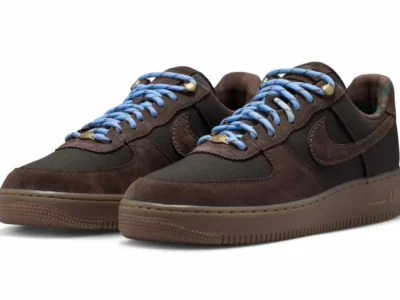
The Air Force 1 Goes Canvas For Fall
Air Force 1 ’07 Low. IZ4702-235. Canvas and Baroque suede. Gold hardware. Army blue rope. […]