The Changing Landscape of New York’s Elite High Schools: An Analysis of Increased Black and Latino Admissions

August 30, 2024
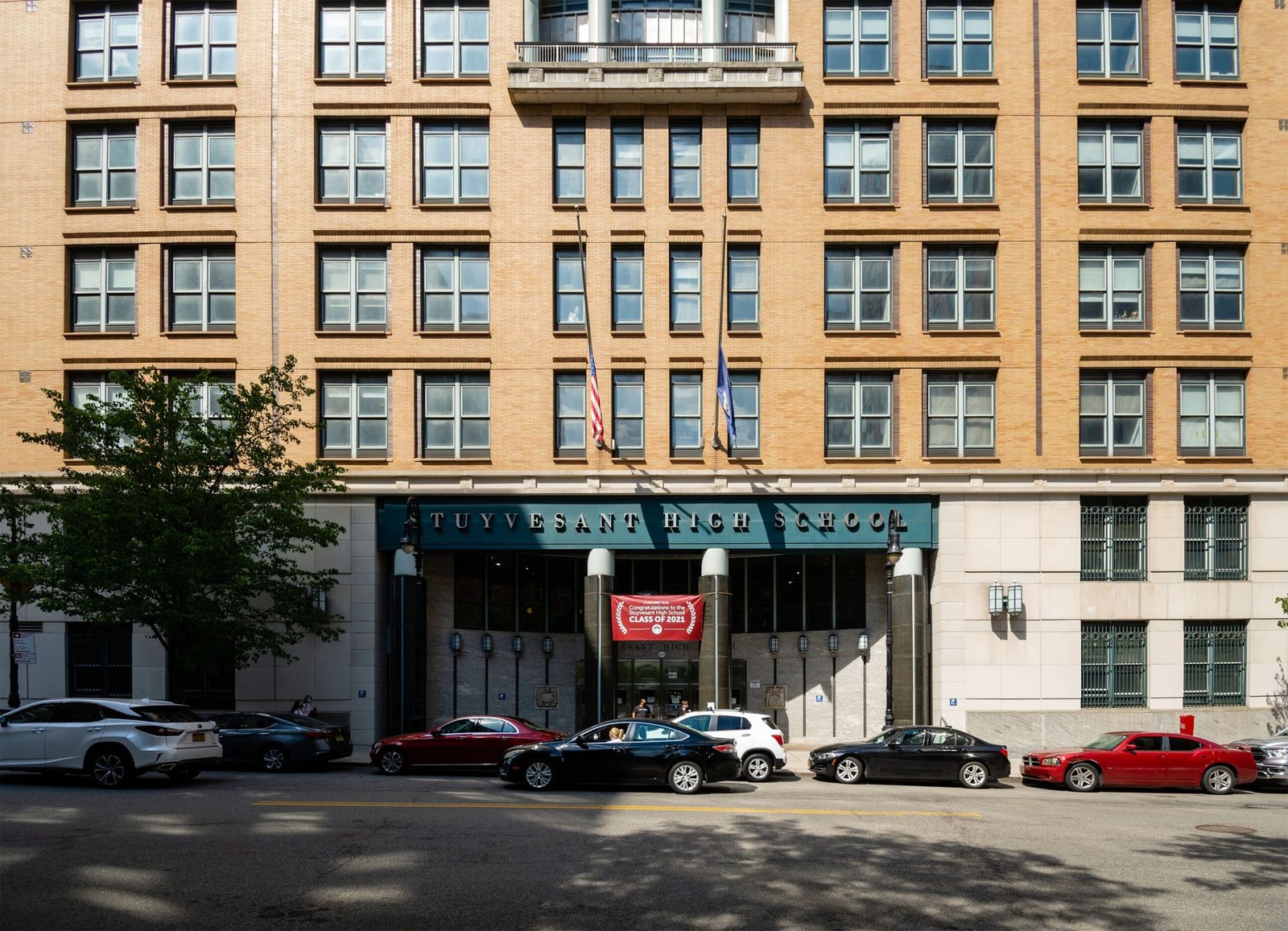
New York City’s elite high schools, such as Stuyvesant High School, Bronx Science, and Brooklyn Tech, have long been regarded as bastions of academic excellence. These schools are celebrated for their rigorous curricula, exceptional faculty, and track records of propelling students into top-tier universities. However, they have also been criticized for their lack of diversity, particularly with regard to the underrepresentation of Black and Latino students. The recent increase in the admission of Black and Latino students to these prestigious institutions, including charter schools, marks a significant shift in the demographic landscape. Here critically examining the imply of this change, exploring the challenges, opportunities, and broader social context surrounding the evolving admissions landscape.
A Historical Overview: The Diversity Gap in Elite High Schools
For decades, New York City’s elite high schools have been plagued by a glaring diversity gap. Despite being located in one of the most diverse cities in the world, schools like Stuyvesant High School have historically had a disproportionately low number of Black and Latino students. In recent years, the percentage of these students admitted to Stuyvesant and similar institutions has often hovered in the single digits, starkly contrasting with the city’s overall demographic makeup.
The Specialized High Schools Admissions Test (SHSAT) has been at the center of the controversy. Critics argue that the SHSAT, the sole criterion for admission to these schools, disadvantages students from underrepresented communities who may not have access to the same test preparation resources as their more affluent peers. Proponents of the SHSAT, on the other hand, maintain that the test is a fair and objective measure of academic ability.
This long-standing debate has led to various efforts to reform the admissions process, including proposals to eliminate the SHSAT or supplement it with other criteria, such as middle school grades or extracurricular achievements. While these efforts have met with varying degrees of success, the recent increase in Black and Latino admissions suggests that change is finally taking root.
*The Role of Charter Schools in Shaping the Admissions Landscape
Charter schools have emerged as significant players in the push to diversify New York City’s elite high schools. These schools, which operate independently of the traditional public school system, have been particularly effective in preparing students from underrepresented communities for the rigors of the SHSAT. Charter schools such as Success Academy and KIPP have invested heavily in test preparation programs, academic enrichment, and college readiness initiatives, all of which have contributed to the improved performance of their students on the SHSAT.
The success of these charter schools in increasing the number of Black and Latino students admitted to elite high schools cannot be overlooked. By providing students with the resources and support they need to excel on the SHSAT, these schools are helping to level the playing field. However, the rise of charter schools also raises important questions about equity and access within the broader public education system. While charter schools have demonstrated their effectiveness, they are not accessible to all students, and their expansion has often come at the expense of traditional public schools.
Challenges Facing Black and Latino Students in Elite High Schools
The increase in Black and Latino admissions to elite high schools is undoubtedly a positive development, but it is not without its challenges. Once admitted, these students often face a range of obstacles that their peers may not encounter. These challenges can include cultural isolation, implicit bias, and a lack of representation among the faculty and administration.
Cultural isolation is a significant concern, as Black and Latino students may find themselves in environments where they are among a very small minority. This can lead to feelings of alienation and can make it difficult for these students to fully integrate into the school community. Furthermore, implicit bias from teachers and peers can negatively impact the educational experience of these students. Even in academically rigorous environments, Black and Latino students may be subject to lower expectations or unfair treatment, which can hinder their academic and personal development.
Another challenge is the lack of representation among the faculty and administration at these schools. Research has shown that students benefit from having role models who share their racial or ethnic background, yet the teaching staff at New York’s elite high schools remains predominantly white and Asian. This lack of diversity among educators can contribute to a sense of disconnect between students and the school environment, further complicating the educational experience for Black and Latino students.
The Broader Social Context: Inequities in the Education System
The issues faced by Black and Latino students in New York’s elite high schools are reflective of broader systemic inequities within the U.S. education system. These inequities begin long before students reach high school, manifesting in the form of unequal access to resources, experienced teachers, and extracurricular opportunities. Schools in predominantly Black and Latino neighborhoods are often underfunded and understaffed, leading to significant disparities in educational outcomes.
The SHSAT has been a focal point in discussions about these inequities, but it is merely one aspect of a much larger problem. The test itself does not create disparities; rather, it reflects the existing inequalities within the education system. Students from affluent families are more likely to attend well-funded schools with ample resources for SHSAT preparation, while students from low-income families often lack these opportunities.
Addressing these inequities requires a holistic approach that goes beyond the admissions process. It involves improving the quality of education in underfunded schools, providing equitable access to test preparation resources, and ensuring that all students, regardless of their background, have the opportunity to succeed. The recent increase in Black and Latino admissions to elite high schools is a step in the right direction, but it is only one piece of the puzzle.
Opportunities for Growth and Innovation
The increase in Black and Latino admissions presents an opportunity for New York’s elite high schools to become more inclusive and representative of the city’s diverse population. However, this requires intentional efforts to create a supportive and welcoming environment for all students. Schools must go beyond simply admitting more students of color; they must also implement policies and practices that address the unique needs and challenges of these students.
One potential area of innovation is the development of mentorship programs that pair Black and Latino students with older peers or alumni who can provide guidance and support. These programs can help students navigate the challenges of being in a highly competitive academic environment while also fostering a sense of community and belonging. Additionally, schools should consider professional development opportunities for teachers that focus on cultural competence and implicit bias. By equipping educators with the tools they need to support diverse student populations, schools can create a more equitable learning environment.
Another opportunity lies in curriculum reform. Elite high schools have the potential to be leaders in creating inclusive curricula that reflect the diverse histories and experiences of all students. Incorporating courses on African American, Latino, and other marginalized histories and cultures can provide a more well-rounded education and help all students develop a deeper understanding of the world around them. This approach not only benefits Black and Latino students but also enriches the educational experience for the entire student body.
The Role of Policymakers and Community Leaders
Policymakers and community leaders play a crucial role in shaping the future of New York’s elite high schools. Ensuring that the recent gains in diversity are sustained and expanded requires ongoing advocacy and policy changes. This includes revisiting the SHSAT as the sole criterion for admission and considering a more holistic admissions process that takes into account a variety of factors, such as academic performance, extracurricular involvement, and personal essays.
Policymakers must also address the root causes of educational inequity by investing in underfunded schools and providing resources for students who need them the most. This includes expanding access to gifted and talented programs, which have been shown to improve outcomes for students of color but are often concentrated in more affluent neighborhoods. By providing equitable opportunities for all students from an early age, policymakers can help bridge the gap and create a more level playing field.
Community leaders and organizations can also play a vital role by advocating for their communities and holding schools accountable. This can involve partnering with schools to create outreach programs that engage Black and Latino families and provide them with the information and resources they need to navigate the admissions process. Additionally, community organizations can work with schools to create support networks for students once they are admitted, helping them to succeed academically and socially.
The Future of Diversity in Elite Education
The increased admission of Black and Latino students to New York’s elite high schools is a positive development, but it is not the end of the story. The future of diversity in elite education depends on the continued commitment of schools, policymakers, and communities to addressing the systemic issues that have long excluded students of color from these institutions. This includes not only improving access but also ensuring that once admitted, students have the support they need to thrive.
As the demographic landscape of these schools continues to evolve, it is essential to remain vigilant in monitoring the effects of these changes. Are Black and Latino students feeling supported and included? Are they succeeding academically and going on to attend top-tier universities? Are schools implementing the necessary policies and practices to ensure that diversity is not just a numbers game but a meaningful and transformative experience for all students?
The recent increase in Black and Latino admissions to New York’s elite high schools is a welcome development that reflects a growing awareness of the need for greater diversity and inclusion. However, this progress must be sustained and expanded through continued efforts to address the systemic inequities that have long plagued the education system. By working together, schools, policymakers, and communities can create a more equitable and inclusive future for all students, one that truly reflects the diversity and vibrancy of New York City.
Related Articles

France Just Banned Social Media for Kids Under 15, and the Fight Over Anonymity Is Only Getting Started
France becomes the first EU nation to bar under 15s from social platforms, and critics […]