DRIFT AUDIO
Listen to this story
Choose a voice, then press play.
The American Revolutionary War was not just a clash of armies; it was a collision of cultures and ideas that reshaped the landscape of a burgeoning nation. Among the many casualties of this conflict were invaluable pieces of art and culture. One notable instance is the destruction of Princeton’s art collection during a pivotal battle. This article explores the events leading up to this loss, the battle itself, and the aftermath that left an indelible mark on American cultural heritage.
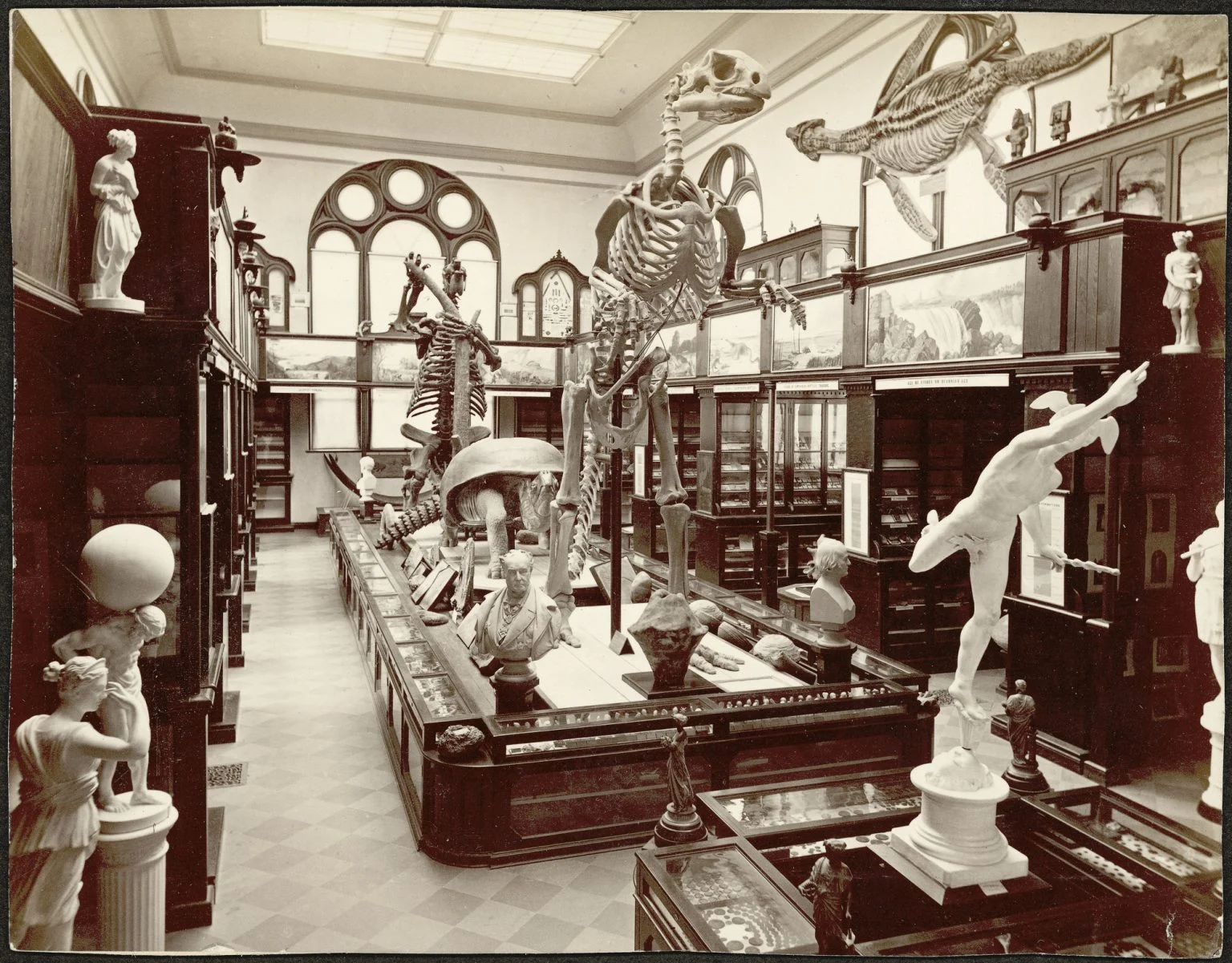
Princeton, New Jersey, in the late 18th century, was a town of burgeoning intellectual and cultural significance. Princeton University, then known as the College of New Jersey, was a hub of enlightenment thought, attracting scholars and students from across the colonies. The university’s art collection, although modest by European standards, was a treasured repository of paintings, sculptures, and other artifacts that reflected both the classical and contemporary tastes of the time.
The Strategic Importance of Princeton
During the Revolutionary War, Princeton’s strategic location between Philadelphia and New York made it a focal point for both the Continental and British armies. Its proximity to key transportation routes and its relatively defensible position meant that control of Princeton was crucial for either side. As the war dragged on, both armies recognized the symbolic and strategic value of holding this important town.
The Battle of Princeton
On January 3, 1777, the Battle of Princeton took place, a turning point in the American Revolutionary War. After a surprise attack on Trenton, General George Washington’s Continental Army faced off against British forces led by Lieutenant Colonel Charles Mawhood. The battle was fierce and chaotic, with both sides sustaining significant casualties.
As the fighting raged, the College of New Jersey became a battleground. Nassau Hall, the university’s main building, was used as a barracks and later as a defensive position by British troops. The intense combat and subsequent American artillery barrage took a heavy toll on the building and its contents. Amidst the smoke and fire, much of Princeton’s cherished art collection was destroyed or irreparably damaged.
The Aftermath
In the wake of the battle, Nassau Hall lay in ruins. The once-proud edifice, which had housed a significant portion of the university’s art collection, was scarred by cannonballs and musket fire. The destruction of the art collection was a devastating blow to the intellectual and cultural life of the college. Paintings, manuscripts, and other artifacts that had been painstakingly acquired and preserved were lost forever.
The loss was felt keenly by the academic community, but it also served as a poignant reminder of the broader cultural costs of the war. While the Continental Army emerged victorious from the battle, the destruction of Princeton’s art collection underscored the profound sacrifices and irreversible losses that war entails.
In the years following the battle, efforts were made to rebuild Princeton and restore its cultural and intellectual heritage. Nassau Hall was repaired and eventually restored to its former glory. New art collections were established, and the university continued to grow and thrive as a center of learning and culture.
The story of the destruction of Princeton’s art collection during the Revolutionary War serves as a powerful reminder of the fragility of cultural heritage in times of conflict. It also highlights the resilience of institutions and communities in the face of adversity. Today, Princeton University stands as a testament to the enduring spirit of scholarship and the importance of preserving our cultural treasures for future generations.
The Revolutionary War was a time of great upheaval and transformation for America. The Battle of Princeton, while a significant military engagement, also had profound cultural implications. The destruction of the university’s art collection is a stark example of the collateral damage inflicted by war. Yet, the resilience shown by Princeton in the aftermath of this loss is equally important, illustrating the enduring value of cultural and intellectual pursuits even in the face of devastating conflict. As we reflect on this chapter of history, we are reminded of the need to protect and cherish our cultural heritage, recognizing its crucial role in shaping our identity and understanding of the past.
Related Articles
Modigliani’s Limestone ‘Tête’
Carved from a single block of limestone in Montparnasse more than a century ago, one of Modigliani's rare stone heads goes to auction for the first time…