DRIFT

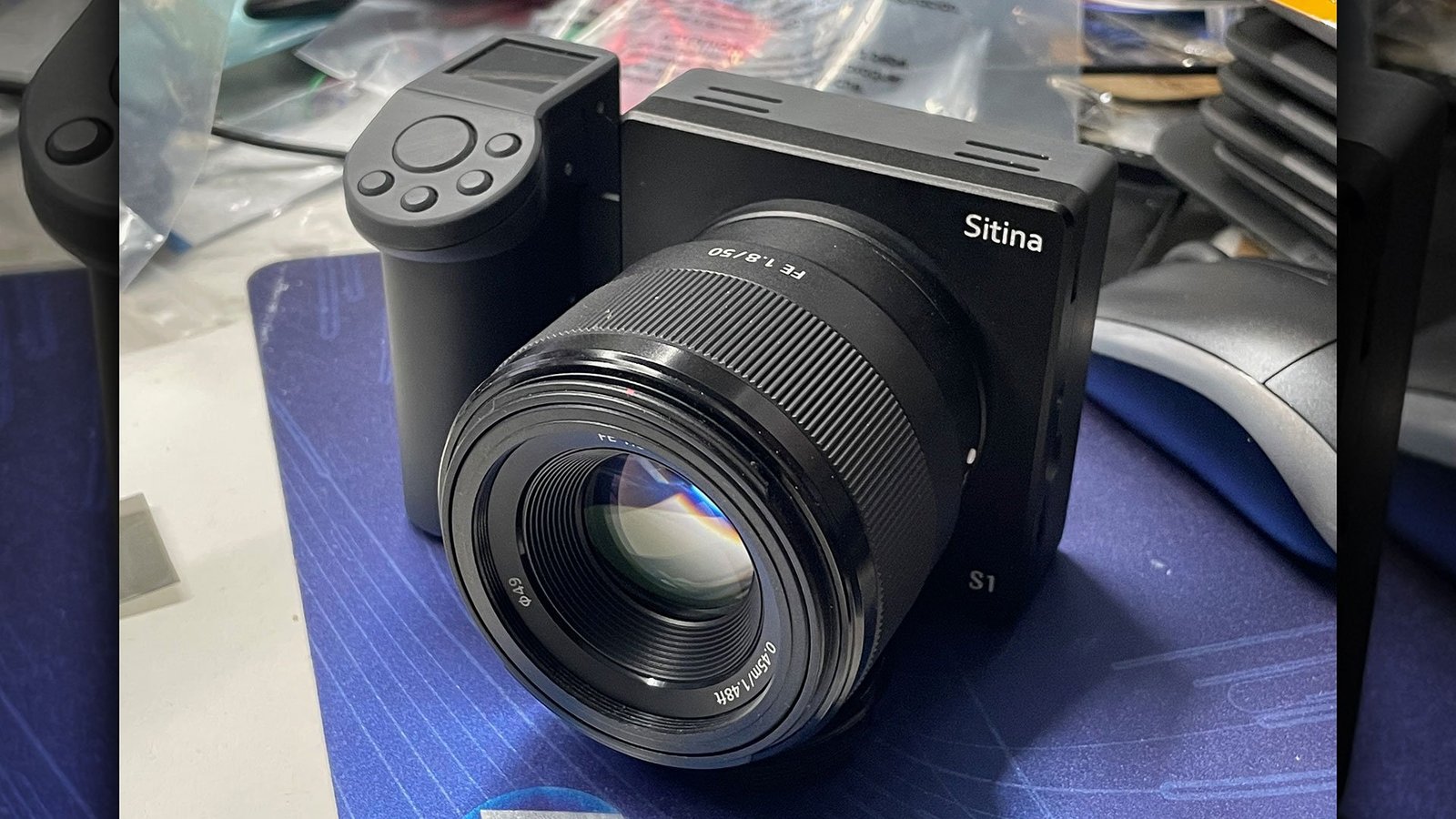
The world of photography and camera technology has traditionally been dominated by large corporations with closed ecosystems and proprietary designs. Yet, amidst the predictable cycles of yearly releases and incremental updates, a groundbreaking project has emerged that challenges the industry’s status quo—the “Sitina 1”, an open-source full-frame mirrorless camera. Created by engineer Wenting Zhang, the Sitina 1 represents a unique blend of innovation, community engagement, and the spirit of DIY electronics. This 35mm camera, entirely open-source in hardware and software, is making waves for its transparency, flexibility, and potential to disrupt the traditional camera market.

The Birth of an Idea: From Analog to Digital

The Sitina 1 began its journey not as a standalone camera but as a project to convert analog SLR cameras into digital ones. Wenting Zhang, a passionate DIY enthusiast with a background in electronics and software development, envisioned creating a digital back that could be retrofitted onto classic film cameras. This initial idea aimed to breathe new life into beloved analog cameras by offering photographers the option to shoot digitally while retaining the unique characteristics of their favorite film bodies.

However, as the project evolved, Zhang’s ambitions grew. Realizing the potential for a fully customizable and modular camera, he expanded the project into what is now known as the Sitina 1—a complete full-frame mirrorless camera with interchangeable lenses, built from the ground up with transparency and openness in mind. The design ethos was simple yet revolutionary: to empower users to understand, modify, and improve their camera, unencumbered by the restrictions of proprietary technology.

Technical Specifications: Building a Camera from Scratch

The Sitina 1 is packed with features that rival those of established brands, despite its DIY origins. At the heart of the camera is a 35mm interline CCD sensor, offering a sensor size of 36.0×24.0 mm with an effective resolution of 10.7 megapixels. The sensor itself is sourced from Kodak/ONsemi, providing high image quality and color accuracy. While 10.7 MP might seem modest compared to modern 50 MP sensors, it is more than adequate for most photographic applications and strikes a balance between resolution and file size.

The Sitina 1’s processing capabilities are driven by a Xilinx Zynq 7010 System on Chip (SoC), which includes a dual-core ARM Cortex-A9 CPU and FPGA (Field Programmable Gate Array). This configuration allows for real-time image processing and low-power consumption, making it suitable for extended shooting sessions. Complementing the SoC is 512MB of DDR3 RAM, providing sufficient memory for handling image data and camera operations.

One of the standout features of the Sitina 1 is its lens mount system. The camera uses an active E-mount, making it compatible with a wide range of lenses from Sony and third-party manufacturers. This choice of mount ensures that photographers have access to a diverse selection of high-quality optics, further enhancing the camera’s versatility.

In terms of connectivity, the Sitina 1 includes a USB Type-C port, an SD card slot, and a flash sync terminal. While it currently lacks video recording capabilities, it supports still image capture in DNG (RAW) and JPEG formats, offering flexibility for post-processing and editing.

The Open-Source Philosophy: Empowering Users and Creators

What sets the Sitina 1 apart from other cameras is its commitment to the principles of open-source development. The entire hardware design and software source code have been published on GitLab, allowing anyone with the technical know-how to build their own Sitina 1, modify its functionality, or even contribute to its development. This transparency is a stark contrast to the closed ecosystems of major camera manufacturers, who tightly control their hardware and software.

The open-source nature of the Sitina 1 means that it has the potential to become a platform for innovation. Users are free to experiment with new features, such as custom firmware, alternative sensor modules, or unique grip designs. This flexibility encourages collaboration and community-driven improvements, making the camera an ever-evolving project that can adapt to the needs and preferences of its users.

Zhang’s decision to make the Sitina 1 open-source was motivated by his passion for DIY electronics and his desire to share his work with others. As he mentioned in an interview, “This project is the most time-consuming one I’ve ever done, and it’s also the hardest to mass-produce and monetize. Frankly, it doesn’t seem like a very smart choice. But I did it for fun. I’m into DIY photography and electronics, so I thought it would be fun to make my own camera”.

The Challenges of Building and Mass-Producing the Sitina 1

While the Sitina 1 is an impressive technical achievement, it also faces significant challenges. First and foremost is the issue of mass production. Building a camera from scratch is a complex and labor-intensive process, requiring expertise in electronics, mechanics, and software development. As a one-person project, Zhang’s ability to scale production is limited, and the camera remains a niche product for hobbyists and enthusiasts rather than a mass-market competitor.

Another challenge is the cost and availability of components. Unlike established camera manufacturers who have access to custom-made parts and economies of scale, Zhang relies on commercially available components, which can be expensive and difficult to source. This limitation affects the final price of the Sitina 1, making it less competitive against other cameras in the same performance category.

Moreover, the lack of video recording capabilities and advanced autofocus systems, which are standard features in modern cameras, might deter potential users who expect a more comprehensive feature set. However, for photographers who prioritize still image quality and appreciate the DIY aspect of the Sitina 1, these limitations are secondary.

Implications for the Camera Industry: A New Paradigm?

The Sitina 1’s open-source nature has profound implications for the camera industry. It challenges the traditional model of proprietary technology and closed ecosystems, suggesting a future where users have greater control over their devices. If the Sitina 1 gains traction, it could inspire other developers and enthusiasts to create their own open-source cameras or modify existing designs.

Furthermore, the Sitina 1’s emphasis on transparency and user empowerment resonates with broader trends in technology, where open-source software and hardware are becoming more prominent. Projects like Raspberry Pi and Arduino have demonstrated the potential of open-source development to drive innovation and education. The Sitina 1 could be the start of a similar movement in photography, encouraging a new generation of tinkerers and creators to explore the possibilities of camera design.

A Camera Built for Creativity and Connection

The Sitina 1 is more than just a piece of hardware—it’s a testament to the power of creativity, curiosity, and community. While it may never reach the production numbers or feature sets of mainstream cameras, it has already made a significant impact by challenging conventions and offering a glimpse of what an open-source camera can be. As the project continues to evolve, it will be fascinating to see how the Sitina 1 influences the future of camera technology and inspires others to take a more active role in shaping the tools they use to capture the world.

For those willing to embrace the spirit of experimentation and collaboration, the Sitina 1 is a camera worth exploring—a reminder that sometimes, the best innovations come not from corporate labs, but from the workshop of a passionate individual who simply loves to create.

Related Articles
Modern data center facility with a solar-panel-clad exterior, bright green administrative offices, and secure perimeter fencing, showcasing sustainable digital infrastructure and renewable energy integration

Lombardy’s Data Center Boom: Balancing Digital Ambition with Environmental Responsible

Lombardy has emerged as Italy’s primary hub for new digital infrastructures, particularly data centers—vast complexes […]

In a highly anticipated reunion after 24 years, Adidas Originals and Coca-Cola have joined forces once again to celebrate the FIFA World Cup 2026™. The collaboration revives their iconic 2002 partnership from the Japan-South Korea tournament, now reimagined for the biggest global sporting event of 2026, co-hosted by the United States, Canada, and Mexico. Set to launch on June 6, 2026, this collection masterfully blends Adidas' streetwear heritage with Coca-Cola's timeless branding, creating a vibrant fusion of football culture, nostalgia, and modern style. The drop arrives at a perfect moment. With the World Cup kicking off on June 11, 2026, fans worldwide are gearing up for a summer of football excitement. This collaboration isn't just merch—it's a cultural statement that merges two legendary brands under the banner of "Originals are the Real Thing," a clever twist on Coca-Cola's famous slogan. Historical Context: A Reunion 24 Years in the Making Adidas and Coca-Cola first collaborated during the 2002 FIFA World Cup, producing limited-edition pieces that captured the era's energy. That partnership helped define early 2000s football-streetwear crossover culture. Fast-forward to 2026, and the brands are back with fresh energy, leveraging Adidas' deep FIFA ties (as an official partner) and Coca-Cola's long-standing sponsorship of the tournament. The 2026 edition promises to be historic as the first 48-team World Cup, spanning three countries and generating unprecedented global hype. This collab taps into that momentum, offering fans wearable pieces that celebrate both brands' legacies while looking forward to the future of football fashion. Collection Overview and Design Philosophy The Adidas Originals x Coca-Cola collection fuses 2000s street style with classic sporting aesthetics. Expect bold reds, creams, whites, and silver accents inspired by Coca-Cola's iconic packaging—think classic script logos, droplet detailing, and can-inspired motifs. The lineup spans footwear, apparel, and accessories, divided into two visual directions: one logo-heavy and graphic-forward, the other drawing from vintage advertising aesthetics. Designs pay homage to Coca-Cola's visual language while staying true to Adidas Originals' archival roots. High-quality materials, attention to detail, and versatile silhouettes make these pieces suitable for both match-day wear and everyday street style. The campaign, featuring young football star Lamine Yamal and a diverse cast in everyday scenes building anticipation for the tournament, reinforces themes of originality and shared cultural moments. Footwear Highlights Footwear takes center stage in this collaboration, with reimagined takes on iconic 2000s Adidas silhouettes: Samba and Superstar Models: These classics get Coca-Cola treatment with white/cream/red colorways and prominent script branding. The Samba blends street heritage with football roots, while the Superstar II features weathered bases and bold side panels. Expected pricing around $110–$130. Adistar Control 5: A standout with droplet detailing mimicking condensation on a cold Coke can. This model brings performance-inspired design into lifestyle territory. Predator Sala: Indoor/hybrid style with silver-and-red accents, nodding to predatory precision on the pitch and Coca-Cola's bold energy. Climacool 1: Revived with breathable tech and Coke-inspired graphics, perfect for warm summer days. Megaride F50: A highlight paying tribute to the iconic Coca-Cola glass bottle, with unique contours and refreshing design cues. Each pair incorporates thoughtful details like embroidered logos, custom insoles, and packaging that mimics vintage Coke crates or cans. These shoes are built for durability and comfort, appealing to sneakerheads, football fans, and casual wearers alike. Apparel and Accessories Beyond kicks, the collection offers a full lifestyle range: Track Tops and Jerseys: Standout jerseys fuse retro Coca-Cola advertising from different eras into cohesive football designs. Track jackets feature signature three stripes alongside Coke branding, in vibrant reds and classic whites. Shorts and T-Shirts: Relaxed fits with graphic prints, ideal for casual wear or layering. Expect motivational football motifs blended with refreshing beverage references. Accessories: A bright red airliner bag stands out as a functional statement piece. Additional items may include caps, socks, and tote bags carrying the collaborative spirit. The apparel emphasizes comfort with premium cotton blends, mesh panels for breathability, and oversized silhouettes popular in contemporary streetwear. Unisex sizing and inclusive fits make the collection accessible to a broad audience. Cultural Impact and Fan Appeal This collaboration resonates on multiple levels. For football fans, it represents national pride and global unity ahead of the 2026 tournament. Sneaker enthusiasts will appreciate the nostalgic 2000s revival mixed with modern execution. Streetwear collectors see it as a prime example of how heritage brands can innovate through partnerships. In an era where sports and fashion increasingly intersect, Adidas and Coca-Cola deliver pieces that transcend the pitch. Wear them to watch matches at home, attend watch parties, or hit the streets in any host city—New York, Los Angeles, Toronto, or beyond. The designs are versatile enough for gym sessions, festivals, or daily commutes. The timing aligns perfectly with rising interest in football in North America, boosted by the co-hosting nations. Young talents like Lamine Yamal in the campaign help bridge generational gaps, attracting newer fans while satisfying longtime supporters. Where to Buy and Release Details The collection launches globally on June 6, 2026, via: Adidas CONFIRMED app (for early access and raffles) Adidas.com Select retailers and flagship stores worldwide Some regions may see staggered drops, with Japan and other markets getting early access. Prices are expected to range from $50–$150 depending on the item, making it relatively accessible compared to ultra-limited drops. Pro Tips for Copping: Enable notifications on the CONFIRMED app. Check local stock at Adidas stores in major cities. Monitor resale platforms post-drop for exclusive colorways, but be wary of markups. Size up slightly for oversized apparel fits. Given the World Cup hype, popular items like the Sambas and jerseys are likely to sell out quickly. International shipping is available, but factor in potential customs delays. Styling Suggestions Match Day Look: Pair a collaborative jersey with classic black shorts and Samba sneakers for effortless fan style. Streetwear Rotation: Layer a track top over a graphic tee with wide-leg pants and the Megaride F50 for a bold urban ensemble. Casual Summer: White Superstar with denim shorts and the airliner bag for a refreshing, vacation-ready vibe. These pieces mix seamlessly with existing Adidas or neutral wardrobes, maximizing versatility. Broader Context in 2026 Fashion and Sports The Adidas x Coca-Cola drop is part of a larger wave of high-profile collaborations tied to the World Cup. Adidas continues its dominance in football kit design, while Coca-Cola leverages its sponsorship with collectibles, bottles, and experiential activations like the Trophy Tour. In the sneaker industry, this collab exemplifies the ongoing trend of lifestyle reinterpretations of performance silhouettes. It also highlights how global brands use major events to drive cultural conversations around unity, originality, and joy—core values for both companies. Sustainability notes (based on Adidas' broader initiatives) suggest some pieces may incorporate recycled materials, aligning with modern consumer expectations. Looking Forward: Legacy and Excitement As the countdown to kickoff continues, this collection serves as the perfect prelude to an unforgettable summer of football. Whether you're a die-hard supporter, a fashion-forward collector, or someone seeking motivation through style, the Adidas Originals x Coca-Cola FIFA World Cup 2026 lineup delivers. Expect potential restocks, special event exclusives in host cities, and continued campaign content featuring more athletes. This isn't just clothing—it's a ticket to participate in the global celebration of the beautiful game. Mark your calendars for June 6, 2026. Refresh your wardrobe, lace up those Sambas, and get ready to cheer on your team in style. The "Real Thing" meets the Originals in what promises to be one of the most talked-about releases of the year. This collaboration captures the essence of football's universal appeal: bringing people together through shared passion, iconic brands, and unforgettable moments. As the world prepares for 2026's expanded tournament, Adidas and Coca-Cola remind us that some partnerships are truly timeless.

Adidas Originals x Coca-Cola Collection: FIFA World Cup 2026

In a highly anticipated reunion after 24 years, Adidas Originals and Coca-Cola have joined forces […]

Loewe shoulder bag crafted in brown and black leather with minimalist lion face detailing and a matching fur tail charm

180 Years Unfolded: The Full Story Behind Loewe’s New Campaign

The year was 1846. Queen Victoria was on the British throne and the telephone, the […]