The Transparent Electric Motorcycle: A New Era in Design Echoing the Nintendo GameCube

October 13, 2024
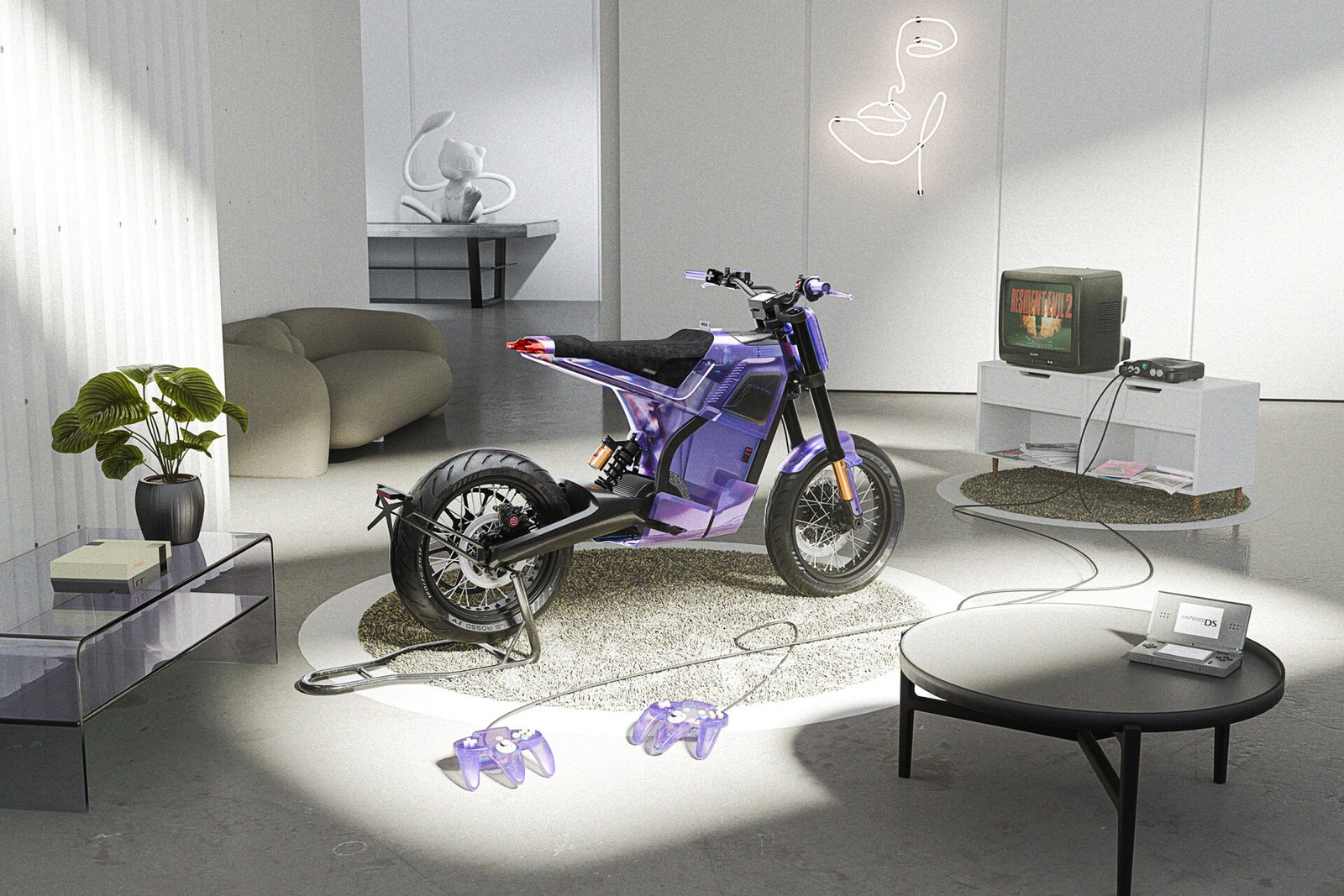
In recent years, the world of electric vehicles (EVs) has expanded rapidly, transforming everything from cars to bicycles with sleek designs and cutting-edge technology. One of the most striking developments in this space is the transparent electric motorcycle, an innovative vehicle that has captured the attention of tech enthusiasts and design lovers alike. With its translucent body and modern aesthetic, many have drawn comparisons between this motorcycle and the Nintendo GameCube, a gaming console that redefined home entertainment in the early 2000s.
The transparent electric motorcycle’s unique design has ignited discussions about the future of electric vehicle aesthetics, functionality, and sustainability. In this critical blog, we’ll dive into how this remarkable vehicle blends futuristic technology with nostalgia, why its design is reminiscent of the iconic GameCube, and what this means for the future of motorcycles and electric vehicles as a whole.
The Transparent Revolution: A Bold Step in EV Design
At first glance, the transparent electric motorcycle immediately stands out for its unconventional design. Unlike traditional motorcycles, which are often built with opaque materials and metal exteriors, this vehicle’s body is entirely see-through, offering a view of its inner mechanics and battery system. This transparency is not just a design gimmick; it reflects the broader movement in electric vehicle design toward honesty and clarity in engineering.
Much like how minimalism in product design has swept across industries, from smartphones to household appliances, the transparent motorcycle strips away unnecessary components to showcase the core elements of the vehicle. For many, this transparency serves as a metaphor for the environmental goals behind electric vehicles: they’re designed to be cleaner, more efficient, and more straightforward than their gas-powered counterparts. The visual clarity of the motorcycle, exposing its engine and wiring, mirrors the transparency in its eco-friendly mission.
While the transparent motorcycle is a bold innovation in the electric vehicle market, it also evokes a strong sense of nostalgia for those who grew up with early 2000s technology. The clear, plastic-like material used in the bike’s design draws comparisons to the translucent trend in tech from that era, most notably the Nintendo GameCube. This nostalgic callback invites a reexamination of how technology and design intersected two decades ago, when the world was transitioning into the digital age.
The Nintendo GameCube: A Design Icon of the Early 2000s
Released in 2001, the Nintendo GameCube made waves with its compact, colorful, and distinctly cubic design. While its competitors, the Sony PlayStation 2 and the original Xbox, went for sleek, dark, and serious aesthetics, Nintendo took a risk with the playful, almost toy-like appearance of the GameCube. The translucent materials used in some versions of the console—particularly the Indigo and Jet Black models—gave users a partial view of the hardware inside, creating a sense of connection between the user and the technology.
The GameCube’s transparent features also contributed to the console’s aesthetic appeal, emphasizing its playful and user-friendly image. Unlike earlier gaming systems that were large, heavy, and designed to be hidden away in cabinets, the GameCube was designed to be proudly displayed. Its portability, combined with its transparent elements, made it a design object as much as a gaming console. The ability to see parts of the machine’s internal mechanisms tapped into the curiosity of users, creating a sense of intrigue about how the machine worked.
This design approach mirrored broader trends in early 2000s technology, where transparency in tech design was equated with accessibility and openness. The GameCube’s clear plastic shell signaled that technology was no longer something to be hidden away or kept under the hood; instead, it was something to be appreciated and understood by the user. In a way, this design ethos is very much alive in today’s transparent electric motorcycle, which offers a similar sense of openness and accessibility to its riders.
Why the Transparent Electric Motorcycle Feels Like the GameCube
Much like the GameCube, the transparent electric motorcycle is not just a vehicle, but a statement piece. Its clear exterior draws people in, inviting curiosity and admiration for the engineering beneath the surface. Both the GameCube and the motorcycle share an emphasis on simplicity and functionality, while also embracing a visually striking design that separates them from their more conventional counterparts.
One key parallel between the two is the idea of *user engagement*. For the GameCube, the transparent case allowed players to feel closer to the technology powering their games. For the electric motorcycle, the clear design lets riders engage with the machinery in a similarly intimate way. By making the inner workings of the motorcycle visible, designers are acknowledging the role of curiosity and education in the future of electric vehicles. Riders can see how their motorcycle operates, where the power comes from, and how the components work together—creating a stronger connection between machine and rider.
Another striking similarity lies in how both products push boundaries in their respective industries. The GameCube broke away from traditional gaming console designs, offering a more whimsical, approachable aesthetic. Similarly, the transparent motorcycle shatters expectations of what a motorcycle should look like, offering a design that’s far removed from the traditional chrome-heavy, rough-and-tough image of most motorcycles. The motorcycle’s clean, minimalist lines and futuristic materials are a sharp contrast to the industrial, mechanical appearance of most bikes on the road today.
Lastly, both the GameCube and the motorcycle reflect a desire to reimagine utility in a way that merges technology with personal expression. For gamers, the GameCube wasn’t just a console, it was an extension of their personality—compact, colorful, and fun. Likewise, the transparent electric motorcycle allows riders to express their identity through a sleek, forward-thinking vehicle that is as much an art piece as it is a mode of transportation.
The Future of Motorcycle Design: A Shift Toward Transparency and Sustainability
The transparent electric motorcycle is more than just a novelty—it signals a broader shift in how motorcycles are designed and perceived. As the world moves toward more sustainable and eco-conscious modes of transportation, electric motorcycles are leading the charge in terms of innovation. The focus on transparency in design goes hand-in-hand with this movement, as manufacturers strive to build vehicles that are not only environmentally friendly but also visually appealing and innovative.
One of the major advantages of electric motorcycles is their reduced environmental impression compared to traditional gas-powered bikes. By eliminating the need for fossil fuels, electric motorcycles produce zero emissions, making them a far greener alternative. The transparent design of this particular bike emphasizes this eco-friendliness, giving riders a direct view of the clean, efficient technology powering their ride. The clear casing sends a strong message: this motorcycle is built for the future, with sustainability at its core.
Additionally, the transparency in the motorcycle’s design can also be seen as a statement about the future of consumer technology. As consumers become more educated and interested in the technology they use, there’s an increasing demand for transparency—not just in a literal sense, but in terms of understanding how things work. The transparent electric motorcycle answers that demand, allowing riders to see the components that make up their bike, from the battery to the electric motor. This level of visibility helps demystify electric vehicles, making them more approachable for consumers who may be hesitant to switch from gas-powered engines.
Beyond the eco-friendly benefits, the transparent motorcycle also represents a new level of customization in vehicle design. In an era where consumers increasingly seek out products that reflect their personal tastes and identities, the see-through design offers a unique opportunity for riders to feel a sense of ownership over the bike’s inner workings. Whether it’s the visible battery, the electric motor, or the wiring, every element of the motorcycle becomes part of its aesthetic, giving riders the chance to engage with their vehicle on a deeper level.
Impression
While the transparent electric motorcycle is undeniably forward-thinking, its resemblance to the Nintendo GameCube raises interesting questions about the role of nostalgia in tech design. Many of today’s tech innovations are influenced by the past, particularly the early 2000s, when companies like Nintendo, Apple, and Sony were experimenting with translucent designs in their products.
The GameCube was not alone in its approach to transparent design. Apple’s iMac G3, with its colorful, translucent shell, and Sony’s PlayStation 2 memory cards, with their clear plastic casings, also embraced this trend. These products were part of a broader movement to make technology feel more accessible and less intimidating. By revealing the inner workings of these devices, companies encouraged users to feel more connected to the technology they used.
The transparent electric motorcycle taps into this same nostalgic desire for visible, understandable tech. In an era when much of our technology is hidden behind sleek, black boxes or touchscreens, there’s something comforting about being able to see the physical components of a device. It’s a reminder that, beneath the layers of software and digital interfaces, our technology is still built on mechanical parts that work together to create something greater than the sum of its parts.
The transparent electric motorcycle is not just a striking piece of design—it’s a symbol of where the electric vehicle industry is headed. By embracing transparency, both in design and philosophy, this motorcycle represents a new era of openness, sustainability, and innovation in transportation. It blends the best of the past, with its nostalgic nod to early 2000s tech like the Nintendo GameCube, with the cutting-edge technology of the future.
As we continue to push the boundaries of electric vehicles, it’s clear that design will play an increasingly important role in shaping how we perceive and interact with our transportation. The transparent electric motorcycle is a glimpse into that future, where form and function are seamlessly intertwined, and where the vehicles we ride are not just tools, but expressions of our identities and our values.
Related Articles

France Just Banned Social Media for Kids Under 15, and the Fight Over Anonymity Is Only Getting Started
France becomes the first EU nation to bar under 15s from social platforms, and critics […]