DRIFT

Two decades after its release, V for Vendetta remains one of the most culturally persistent works of 21st-century cinema. What began as an adaptation of V for Vendetta and David Lloyd evolved into something larger: a cinematic language for dissent, a visual shorthand for resistance, and a paradoxical studio film that challenged the very structures that produced it.

To revisit the film at 20 years is to trace not just its making, but its transformation—from controversial release to enduring symbol. This oral history reconstructs that journey through the voices of those who shaped it: the Wachowskis, director James McTeigue, and actors Natalie Portman, Hugo Weaving, Stephen Rea, and Natasha Wightman—alongside the production realities that defined its tone, risks, and legacy.

flow

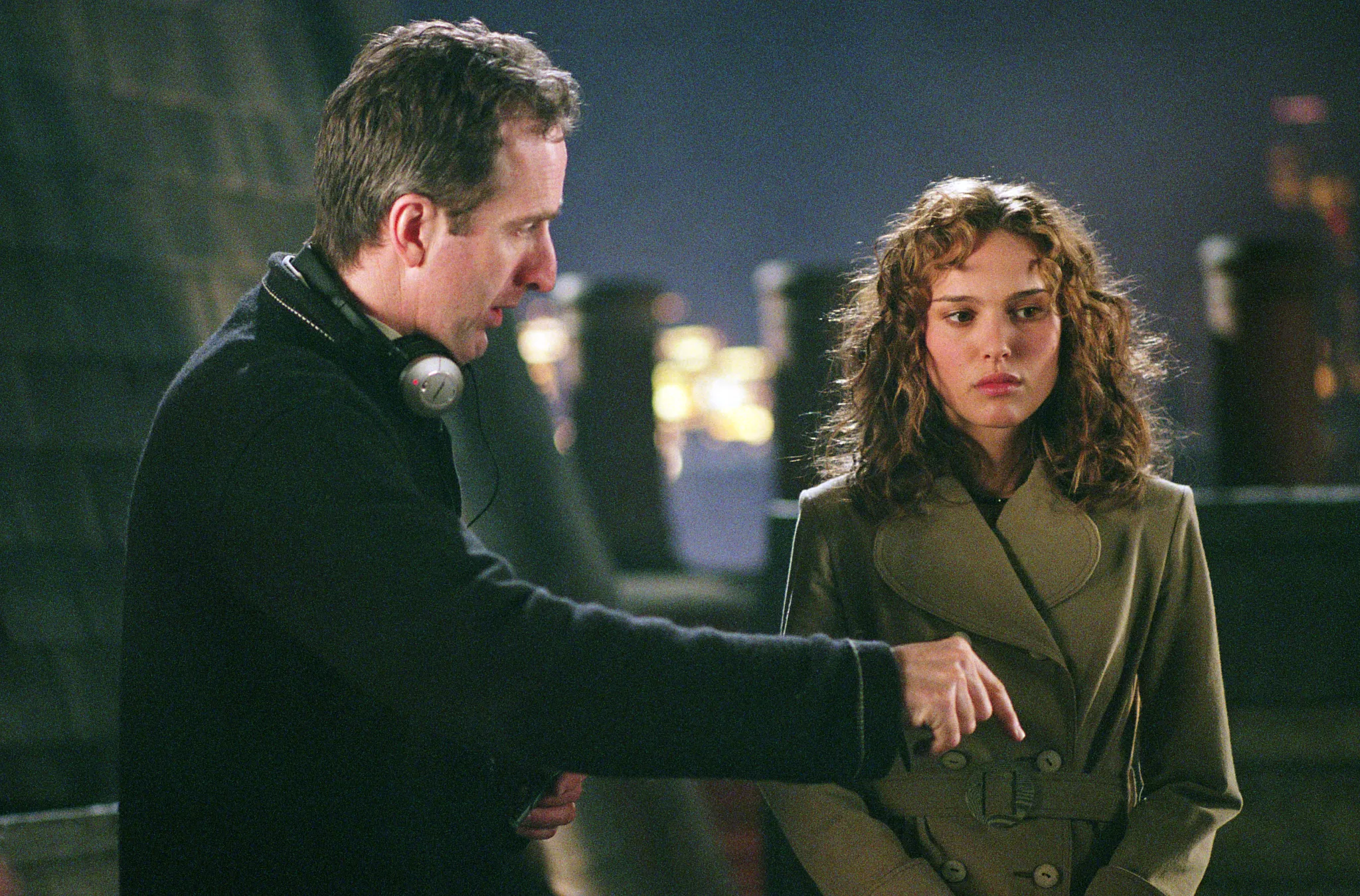
James McTeigue (Director)
“When I first came onto the project, it was already clear this wasn’t a straightforward adaptation. The graphic novel is dense, political, unapologetically British. The question wasn’t how to replicate it—it was how to translate its spirit without losing its edge.”

The Wachowskis, fresh off redefining sci-fi with The Matrix, approached V for Vendetta less as an adaptation and more as a reinterpretation. Their screenplay distilled the sprawling narrative into a focused arc centered on identity, authoritarianism, and transformation.

The Wachowskis (Writers, Producers)
“We weren’t interested in making something safe. The book is about power—who has it, who resists it, and what it costs. That’s universal, but it needed a contemporary lens.”

Set against a near-future Britain ruled by a fascist regime, the film was developed in the early 2000s—a period marked by post-9/11 geopolitics, surveillance anxieties, and escalating debates around civil liberties. These contexts quietly informed the script, even as the film avoided direct allegory.

evey

Natalie Portman (Evey Hammond)
“I was drawn to Evey because she isn’t a hero at the start. She’s scared, reactive. Her journey is about confronting fear—about becoming someone who can stand for something.”

Portman’s performance anchors the film’s emotional core. Her transformation from hesitant citizen to ideological participant mirrors the film’s broader themes of awakening and resistance.

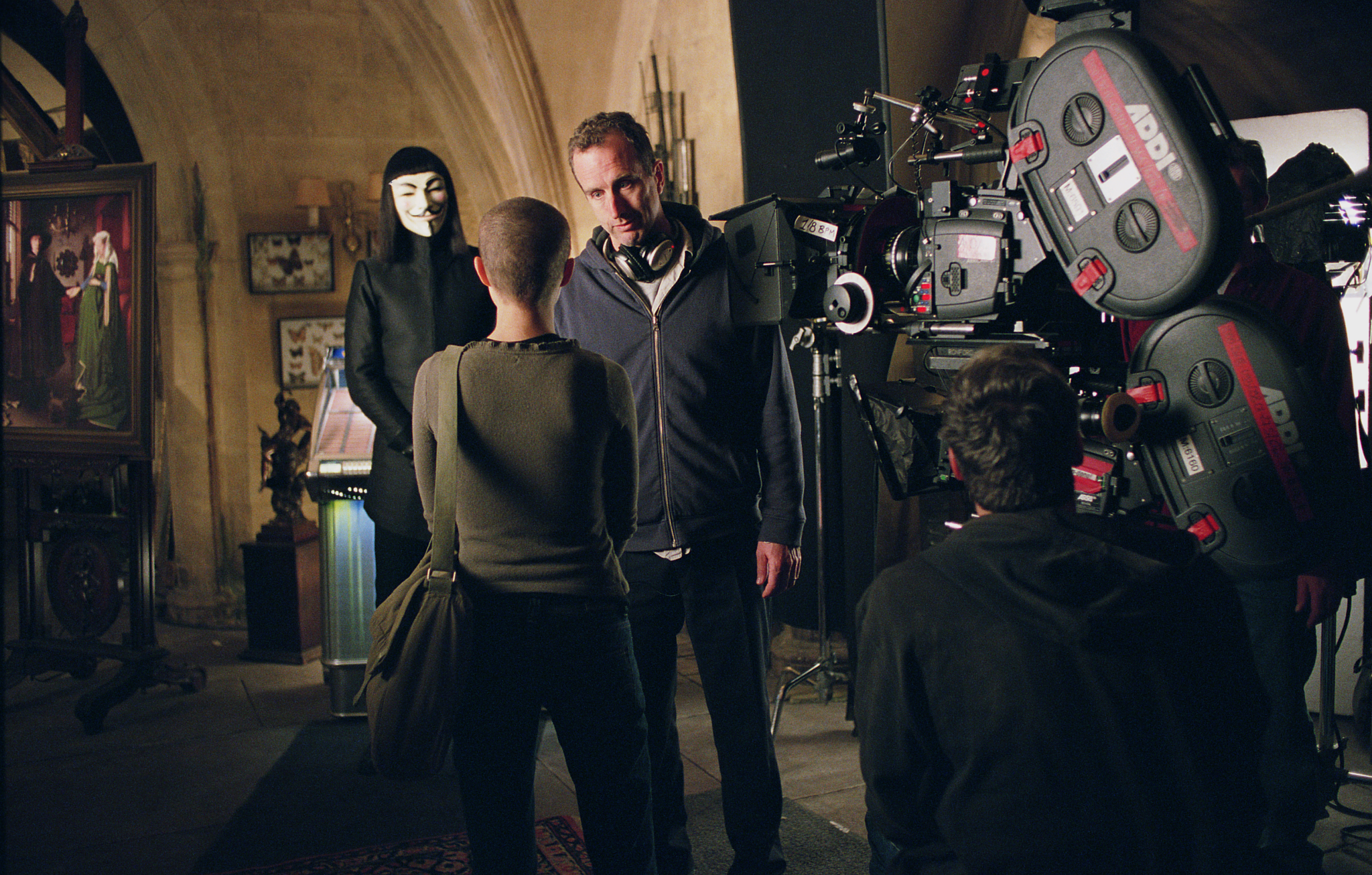
One of the most discussed aspects of her role remains the head-shaving scene—performed on camera in a single take.

Natalie Portman
“There was no cutting away. It had to be real. It wasn’t just physical—it was about surrendering control. That’s what Evey experiences. You see it happen.”

The scene became emblematic of the film’s commitment to authenticity, even within its stylized framework.

cast

Replacing James Purefoy with Hugo Weaving early in production was one of the film’s most pivotal decisions. Purefoy departed due to creative differences, particularly around performing behind the mask.

James McTeigue
“The role of V is incredibly specific. You’re acting without your face, without conventional expression. It demands precision in voice, posture, rhythm.”

Weaving, who recorded much of his dialogue in post-production, transformed the challenge into a defining feature.

Hugo Weaving (V)
“The mask frees you and restricts you at the same time. You have to project everything through voice and body. It becomes almost theatrical.”

The now-iconic Guy Fawkes mask—originally a historical symbol, later popularized through the graphic novel—was redesigned for the film to balance anonymity with expressiveness.

The Wachowskis
“The mask had to be a character. It couldn’t just sit there—it had to feel alive.”

That balance proved crucial. Over time, the mask transcended the film, becoming a global emblem of protest movements—from Anonymous to Occupy.

rea

Stephen Rea (Inspector Finch)
“Finch isn’t a villain. He’s a man inside a system, trying to understand it. That’s what makes him interesting—he’s not certain.”

Rea’s performance adds nuance to the film’s depiction of authority. Rather than presenting a monolithic antagonist, V for Vendetta explores the internal contradictions within oppressive systems.

Stephen Rea
“There’s a moment where Finch realizes the system is built on fear. That realization changes him. It’s subtle, but it’s everything.”

the resist/memory

Perhaps the film’s most emotionally resonant sequence is the Valerie Page letter—a monologue recounting the life and persecution of a lesbian woman under the regime.

Natasha Wightman (Valerie Page)
“That scene wasn’t just about storytelling. It was about dignity. About preserving identity in the face of erasure.”

The sequence, adapted from the graphic novel, faced scrutiny during production.

James McTeigue
“There were conversations—especially from the studio—about whether it was too much, too direct. But we felt it was essential. It’s the heart of the film.”

The Wachowskis
“You can’t tell a story about oppression and then soften it. Valerie’s story is what gives Evey—and the audience—a reason to believe in resistance.”

The scene remains one of the film’s most powerful moments, often cited as a turning point in Evey’s transformation.

rel

Produced by Warner Bros., the film existed in a delicate balance between mainstream distribution and subversive content.

Originally slated for a late 2005 release, V for Vendetta was delayed until March 2006—partly due to sensitivities around its themes.

James McTeigue
“There was definitely concern about how audiences would receive it. It’s not a typical blockbuster. It asks questions that don’t have easy answers.”

Despite these concerns, the film found a receptive audience, grossing over $130 million worldwide and gradually building a devoted following.

theme

The film’s visual identity—sterile, controlled, yet eerily familiar—was central to its impact.

James McTeigue
“We wanted the world to feel plausible. Not exaggerated, not futuristic—just close enough to reality to be unsettling.”

Shot primarily in Berlin, the production utilized real locations and practical sets to ground the narrative.

The contrast between V’s hidden lair—filled with art, music, and cultural artifacts—and the regime’s cold, minimalist environments reinforces the film’s thematic dichotomy: individuality versus control.

complex

Although McTeigue directed, the Wachowskis’ influence is unmistakable.

James McTeigue
“They were involved at every stage—writing, editing, shaping the tone. It was a true collaboration.”

Their approach emphasized clarity of theme over fidelity to source material, resulting in a film that diverges from the graphic novel while preserving its ideological core.

recept

Upon release, V for Vendetta received mixed critical responses. Some praised its ambition; others questioned its political messaging.

Over time, however, its reputation shifted.

The Guy Fawkes mask became a global symbol of protest. Lines like “People should not be afraid of their governments” entered the cultural lexicon. The film’s themes—surveillance, authoritarianism, resistance—proved increasingly relevant.

Hugo Weaving
“You don’t make something expecting it to become a symbol. That’s something audiences decide.”

leg

Twenty years later, the film’s influence extends far beyond cinema.

It exists in street protests, digital culture, fashion, and political discourse. Its imagery has been recontextualized countless times, often detached from its original narrative yet retaining its symbolic power.

Natalie Portman
“It’s strange, seeing how it’s lived on. It means different things to different people—that’s what makes it powerful.”

 film

What makes V for Vendetta endure is not just its aesthetics or performances, but its refusal to offer simple answers.

It presents resistance as both necessary and complicated. It explores identity as something constructed, challenged, and ultimately chosen. It acknowledges the cost of change without diminishing its importance.

The Wachowskis
“The idea was never to tell people what to think. It was to ask them to think.”

sum

At 20 years old, V for Vendetta feels less like a relic and more like a living text—one that continues to evolve as the world around it changes.

Its journey—from controversial adaptation to cultural touchstone—reflects the very themes it explores: transformation, resistance, and the enduring power of ideas.

Or, as V himself puts it:
“Beneath this mask there is more than flesh. Beneath this mask there is an idea… and ideas are bulletproof.”

Related Articles
Modern data center facility with a solar-panel-clad exterior, bright green administrative offices, and secure perimeter fencing, showcasing sustainable digital infrastructure and renewable energy integration

Lombardy’s Data Center Boom: Balancing Digital Ambition with Environmental Responsible

Lombardy has emerged as Italy’s primary hub for new digital infrastructures, particularly data centers—vast complexes […]

In a highly anticipated reunion after 24 years, Adidas Originals and Coca-Cola have joined forces once again to celebrate the FIFA World Cup 2026™. The collaboration revives their iconic 2002 partnership from the Japan-South Korea tournament, now reimagined for the biggest global sporting event of 2026, co-hosted by the United States, Canada, and Mexico. Set to launch on June 6, 2026, this collection masterfully blends Adidas' streetwear heritage with Coca-Cola's timeless branding, creating a vibrant fusion of football culture, nostalgia, and modern style. The drop arrives at a perfect moment. With the World Cup kicking off on June 11, 2026, fans worldwide are gearing up for a summer of football excitement. This collaboration isn't just merch—it's a cultural statement that merges two legendary brands under the banner of "Originals are the Real Thing," a clever twist on Coca-Cola's famous slogan. Historical Context: A Reunion 24 Years in the Making Adidas and Coca-Cola first collaborated during the 2002 FIFA World Cup, producing limited-edition pieces that captured the era's energy. That partnership helped define early 2000s football-streetwear crossover culture. Fast-forward to 2026, and the brands are back with fresh energy, leveraging Adidas' deep FIFA ties (as an official partner) and Coca-Cola's long-standing sponsorship of the tournament. The 2026 edition promises to be historic as the first 48-team World Cup, spanning three countries and generating unprecedented global hype. This collab taps into that momentum, offering fans wearable pieces that celebrate both brands' legacies while looking forward to the future of football fashion. Collection Overview and Design Philosophy The Adidas Originals x Coca-Cola collection fuses 2000s street style with classic sporting aesthetics. Expect bold reds, creams, whites, and silver accents inspired by Coca-Cola's iconic packaging—think classic script logos, droplet detailing, and can-inspired motifs. The lineup spans footwear, apparel, and accessories, divided into two visual directions: one logo-heavy and graphic-forward, the other drawing from vintage advertising aesthetics. Designs pay homage to Coca-Cola's visual language while staying true to Adidas Originals' archival roots. High-quality materials, attention to detail, and versatile silhouettes make these pieces suitable for both match-day wear and everyday street style. The campaign, featuring young football star Lamine Yamal and a diverse cast in everyday scenes building anticipation for the tournament, reinforces themes of originality and shared cultural moments. Footwear Highlights Footwear takes center stage in this collaboration, with reimagined takes on iconic 2000s Adidas silhouettes: Samba and Superstar Models: These classics get Coca-Cola treatment with white/cream/red colorways and prominent script branding. The Samba blends street heritage with football roots, while the Superstar II features weathered bases and bold side panels. Expected pricing around $110–$130. Adistar Control 5: A standout with droplet detailing mimicking condensation on a cold Coke can. This model brings performance-inspired design into lifestyle territory. Predator Sala: Indoor/hybrid style with silver-and-red accents, nodding to predatory precision on the pitch and Coca-Cola's bold energy. Climacool 1: Revived with breathable tech and Coke-inspired graphics, perfect for warm summer days. Megaride F50: A highlight paying tribute to the iconic Coca-Cola glass bottle, with unique contours and refreshing design cues. Each pair incorporates thoughtful details like embroidered logos, custom insoles, and packaging that mimics vintage Coke crates or cans. These shoes are built for durability and comfort, appealing to sneakerheads, football fans, and casual wearers alike. Apparel and Accessories Beyond kicks, the collection offers a full lifestyle range: Track Tops and Jerseys: Standout jerseys fuse retro Coca-Cola advertising from different eras into cohesive football designs. Track jackets feature signature three stripes alongside Coke branding, in vibrant reds and classic whites. Shorts and T-Shirts: Relaxed fits with graphic prints, ideal for casual wear or layering. Expect motivational football motifs blended with refreshing beverage references. Accessories: A bright red airliner bag stands out as a functional statement piece. Additional items may include caps, socks, and tote bags carrying the collaborative spirit. The apparel emphasizes comfort with premium cotton blends, mesh panels for breathability, and oversized silhouettes popular in contemporary streetwear. Unisex sizing and inclusive fits make the collection accessible to a broad audience. Cultural Impact and Fan Appeal This collaboration resonates on multiple levels. For football fans, it represents national pride and global unity ahead of the 2026 tournament. Sneaker enthusiasts will appreciate the nostalgic 2000s revival mixed with modern execution. Streetwear collectors see it as a prime example of how heritage brands can innovate through partnerships. In an era where sports and fashion increasingly intersect, Adidas and Coca-Cola deliver pieces that transcend the pitch. Wear them to watch matches at home, attend watch parties, or hit the streets in any host city—New York, Los Angeles, Toronto, or beyond. The designs are versatile enough for gym sessions, festivals, or daily commutes. The timing aligns perfectly with rising interest in football in North America, boosted by the co-hosting nations. Young talents like Lamine Yamal in the campaign help bridge generational gaps, attracting newer fans while satisfying longtime supporters. Where to Buy and Release Details The collection launches globally on June 6, 2026, via: Adidas CONFIRMED app (for early access and raffles) Adidas.com Select retailers and flagship stores worldwide Some regions may see staggered drops, with Japan and other markets getting early access. Prices are expected to range from $50–$150 depending on the item, making it relatively accessible compared to ultra-limited drops. Pro Tips for Copping: Enable notifications on the CONFIRMED app. Check local stock at Adidas stores in major cities. Monitor resale platforms post-drop for exclusive colorways, but be wary of markups. Size up slightly for oversized apparel fits. Given the World Cup hype, popular items like the Sambas and jerseys are likely to sell out quickly. International shipping is available, but factor in potential customs delays. Styling Suggestions Match Day Look: Pair a collaborative jersey with classic black shorts and Samba sneakers for effortless fan style. Streetwear Rotation: Layer a track top over a graphic tee with wide-leg pants and the Megaride F50 for a bold urban ensemble. Casual Summer: White Superstar with denim shorts and the airliner bag for a refreshing, vacation-ready vibe. These pieces mix seamlessly with existing Adidas or neutral wardrobes, maximizing versatility. Broader Context in 2026 Fashion and Sports The Adidas x Coca-Cola drop is part of a larger wave of high-profile collaborations tied to the World Cup. Adidas continues its dominance in football kit design, while Coca-Cola leverages its sponsorship with collectibles, bottles, and experiential activations like the Trophy Tour. In the sneaker industry, this collab exemplifies the ongoing trend of lifestyle reinterpretations of performance silhouettes. It also highlights how global brands use major events to drive cultural conversations around unity, originality, and joy—core values for both companies. Sustainability notes (based on Adidas' broader initiatives) suggest some pieces may incorporate recycled materials, aligning with modern consumer expectations. Looking Forward: Legacy and Excitement As the countdown to kickoff continues, this collection serves as the perfect prelude to an unforgettable summer of football. Whether you're a die-hard supporter, a fashion-forward collector, or someone seeking motivation through style, the Adidas Originals x Coca-Cola FIFA World Cup 2026 lineup delivers. Expect potential restocks, special event exclusives in host cities, and continued campaign content featuring more athletes. This isn't just clothing—it's a ticket to participate in the global celebration of the beautiful game. Mark your calendars for June 6, 2026. Refresh your wardrobe, lace up those Sambas, and get ready to cheer on your team in style. The "Real Thing" meets the Originals in what promises to be one of the most talked-about releases of the year. This collaboration captures the essence of football's universal appeal: bringing people together through shared passion, iconic brands, and unforgettable moments. As the world prepares for 2026's expanded tournament, Adidas and Coca-Cola remind us that some partnerships are truly timeless.

Adidas Originals x Coca-Cola Collection: FIFA World Cup 2026

In a highly anticipated reunion after 24 years, Adidas Originals and Coca-Cola have joined forces […]

Loewe shoulder bag crafted in brown and black leather with minimalist lion face detailing and a matching fur tail charm

180 Years Unfolded: The Full Story Behind Loewe’s New Campaign

The year was 1846. Queen Victoria was on the British throne and the telephone, the […]