




DRIFT AUDIO
Listen to this story
Choose a voice, then press play.
In an era where fashion often races toward the next viral drop, novelty for novelty’s sake, and algorithmic hype, a connection between two very different Spanish entities feels like a deliberate pause. Victoria, the century-old shoemaking institution rooted in tradition and sustainability, has teamed up with SALPI, a Barcelona-based brand founded by 74-year-old Avi Gus alongside a collective of young creatives. Their limited-edition vulcanised boot, launching on 14 May 2026 at Victoria’s Barcelona store and 15 May online via SALPI, arrives not simply as another footwear collide, but as a meditation on repair, memory, craftsmanship, and emotional durability.
stir
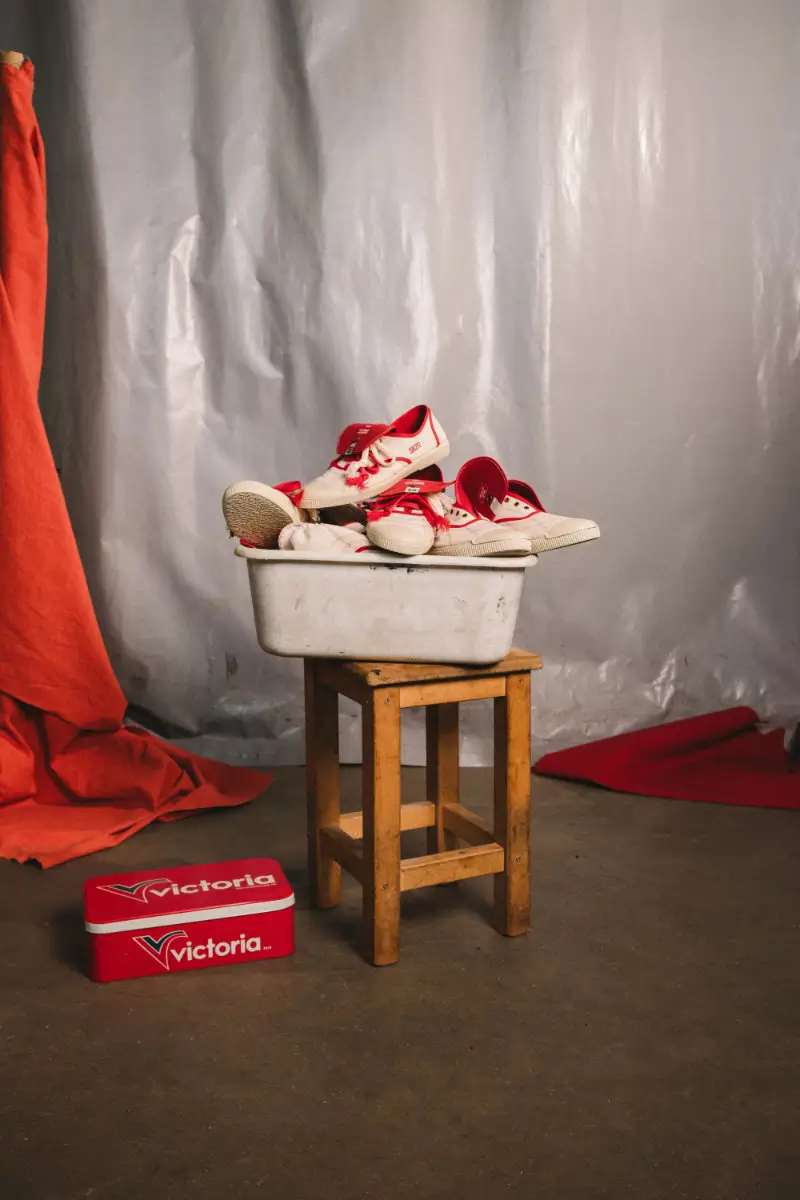
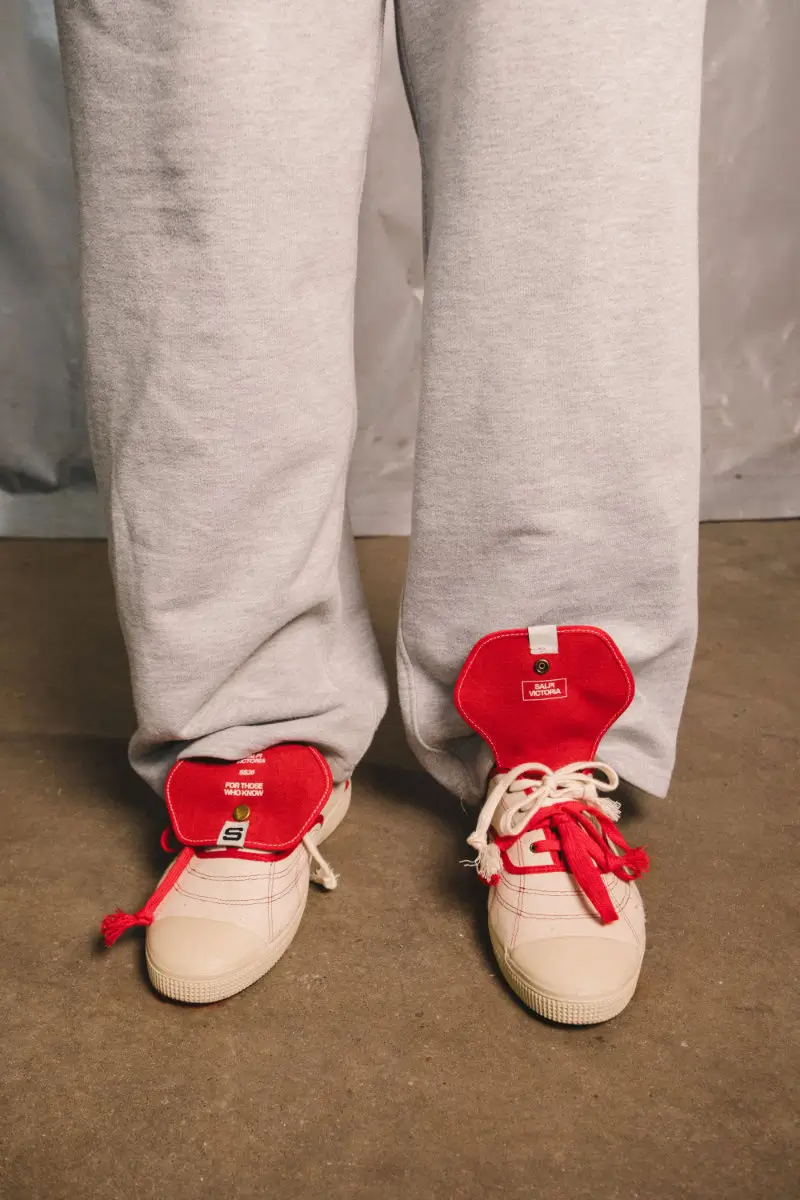
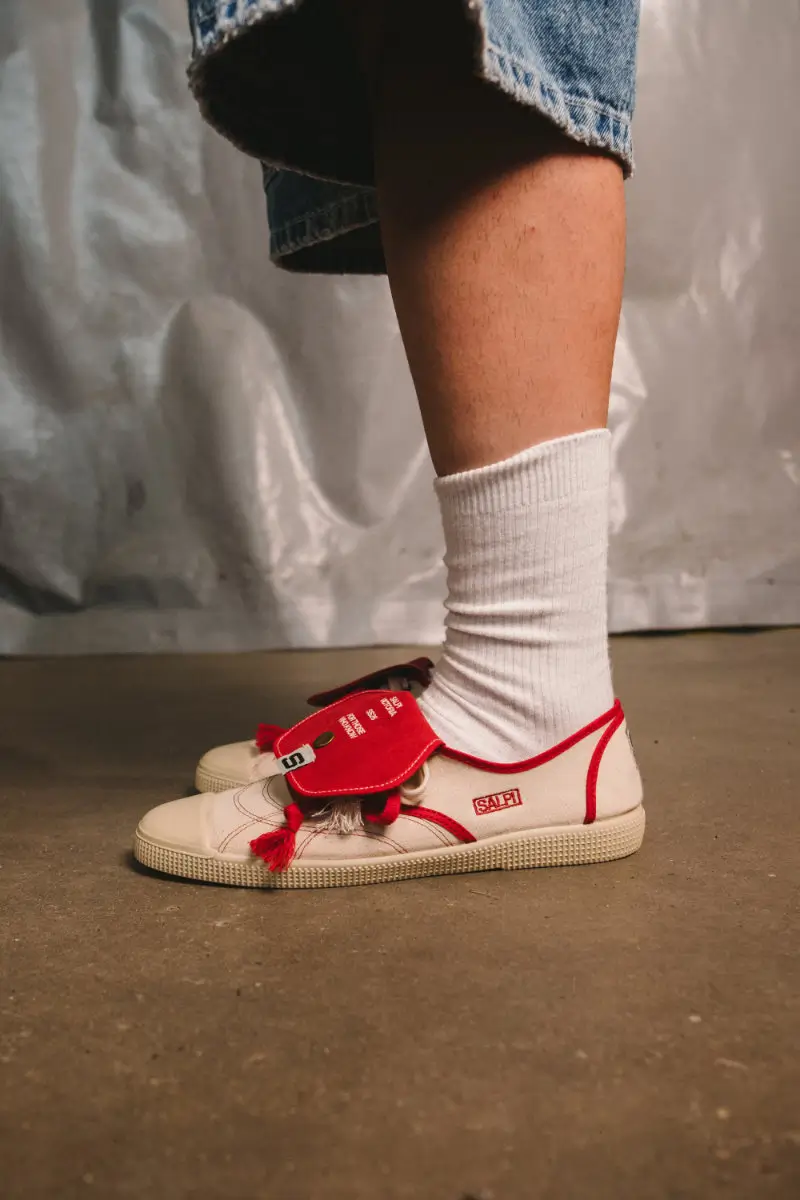
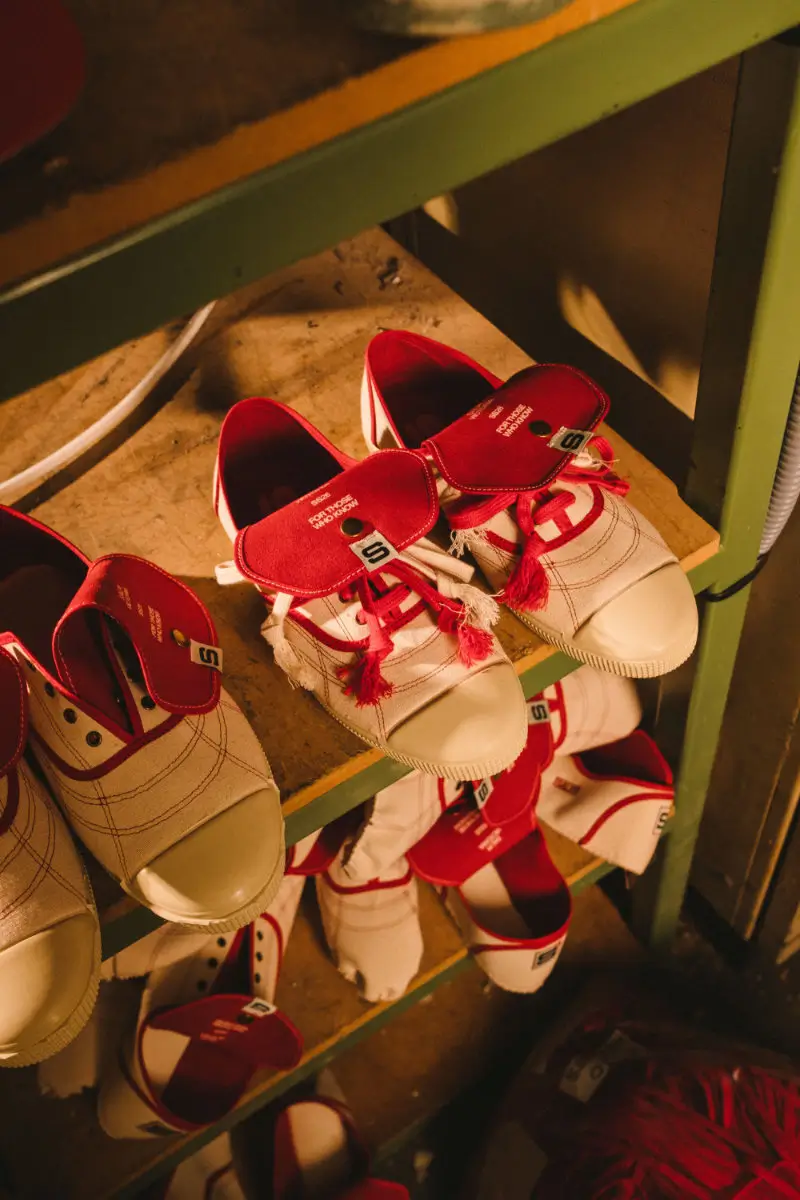
At the mid of the collision sits Victoria’s iconic vulcanised boot silhouette, reinterpreted through SALPI’s philosophy of lived-in authenticity. Rather than radically redesigning the original form, the project introduces thoughtful interventions that make the shoe feel almost archaeological in spirit. Visible stitching remains exposed instead of concealed. Washed red accents appear softly faded, as though weathered by years of wear. Double laces create layered visual tension, while the overlapping tongue evokes the sensibility of repaired workwear and hand-modified archive footwear.
The result exists somewhere between contemporary product and inherited object. It feels intentionally imperfect. Instead of fetishising pristine luxury, the collaboration embraces wear, restoration, and continuity. That distinction matters. Fashion frequently manufactures artificial distressing as aesthetic shorthand, but Victoria and SALPI approach aging differently. Their boot feels prepared for a future shaped by actual use rather than simulated nostalgia.
This know gives the shoe emotional weight. Scuffs become documentation. Fading becomes evidence. Repair becomes identity.

flow
Founded in 1915, Victoria occupies a unique place within Spanish footwear history. Emerging during a period when vulcanisation transformed everyday footwear production, the company helped establish durable canvas shoes and boots as democratic essentials across Spain. The process itself — bonding rubber to fabric under heat and pressure — allowed for flexibility, longevity, and resilience that earlier constructions struggled to achieve.
Over decades, Victoria refined this language into something unmistakably its own. Gum-rubber soles, lightweight yet sturdy canvas uppers, and understated proportions became signatures recognised across generations. The shoes moved naturally between schoolyards, city streets, coastal towns, and working environments. They were never designed to shout. Their strength came from reliability.
That legacy remains especially relevant now. As fast fashion cycles accelerate and disposable sneaker culture dominates large parts of the market, Victoria represents a slower philosophy. Shoes are meant to age. Soles can be repaired. Materials soften over time. Ownership becomes cumulative rather than temporary.
The collaboration with SALPI therefore feels organic rather than opportunistic. It is not heritage used merely as branding leverage. Instead, it becomes a shared language between generations of makers.
View this post on Instagram
shh
SALPI has cultivated a distinct identity within contemporary European fashion by resisting overexposure. Founded in Barcelona by Avi Gus alongside younger collaborators, the label operates through carefully paced “chapters” rather than relentless seasonal output. Its tagline — “For those who know” — captures the brand’s understated confidence and refusal to flatten itself into mass-market accessibility.
Avi Gus himself has become central to SALPI’s narrative. Beginning a new creative venture in his seventies reframes assumptions surrounding age and innovation within fashion culture. Rather than positioning youth as the industry’s sole source of relevance, SALPI suggests that experience, patience, and perspective carry their own cultural value.
The brand’s garments similarly emphasize tactility over spectacle. Washed fabrics, subtle tailoring, and understated construction details reinforce an intimacy with material rather than trend acceleration. That sensibility translates naturally into footwear. Instead of applying surface-level branding to Victoria’s silhouette, SALPI approached the vulcanised boot as an object already carrying history.
narr
The boot’s most compelling qualities emerge through small decisions. The visible stitching foregrounds labor rather than hiding it beneath seamless industrial perfection. Washed red accents introduce warmth without overwhelming the neutral structure. Double laces create both functional and symbolic layering. The overlapping tongue disrupts symmetry in a way that recalls repaired military boots or long-preserved utilitarian footwear.
Each intervention contributes to the illusion that the shoe already possesses memory before reaching the wearer. Yet unlike artificially distressed luxury products, the design leaves space for genuine aging afterward. Owners are encouraged to continue the narrative rather than preserve the shoe in untouched condition.
That distinction aligns with broader cultural shifts among younger consumers increasingly skeptical of hyper-consumerist fashion cycles. Durability, provenance, and emotional connection now carry greater importance. Objects are expected to accumulate meaning rather than merely deliver novelty.
The Victoria x SALPI boot succeeds because it understands this change intuitively rather than treating sustainability as marketing vocabulary.
show
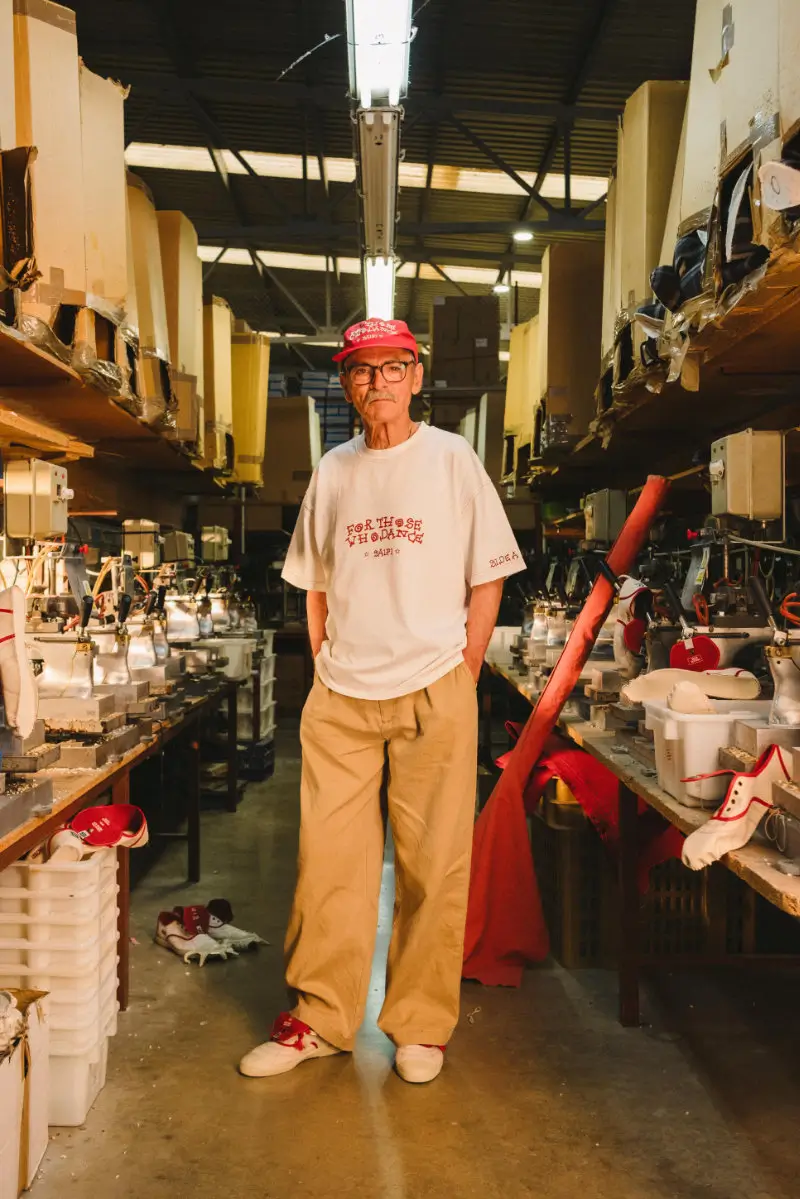
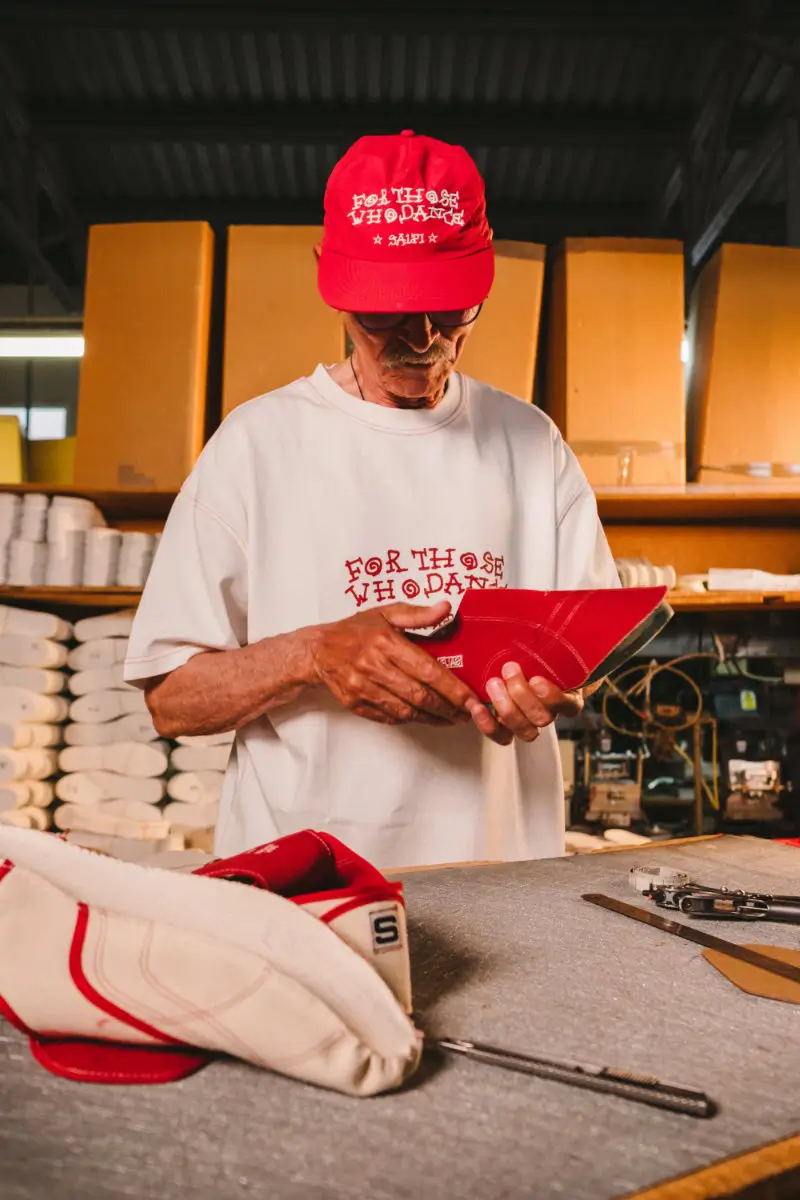
The collide’s campaign further reinforces these themes through documentary-style imagery centered on process and environment. Instead of hyper-polished fantasy, the visuals linger on workshop textures, natural light, artisans’ hands, and the quiet mechanics of production.
Close-up photography highlights canvas grain, rubber surfaces, and taut stitching threads. Factory interiors appear lived-in rather than sterilized. Tools, materials, and human gestures become as important as the finished product itself.
This approach reflects a wider movement within contemporary fashion imagery where transparency and process increasingly replace unattainable perfection. Consumers want to understand how objects are made, who makes them, and why certain materials or techniques matter. Victoria and SALPI answer those questions visually without overexplaining.
The campaign also reinforces the collaboration’s emotional pacing. In a digital environment optimized for speed and distraction, these images encourage viewers to slow down and pay attention to texture, construction, and time.
craft
Spain’s influence on footwear design remains profound yet sometimes under-discussed internationally. From Mallorca’s espadrille traditions to Menorca’s leather sandal production and Barcelona’s industrial design culture, the country maintains a deep relationship with material craft and practical elegance.
Victoria embodies that heritage through over a century of manufacturing continuity. Meanwhile, Barcelona provides SALPI with a creative environment shaped by architecture, street culture, Mediterranean warmth, and interdisciplinary design traditions. The collaboration feels inseparable from its geography. Its textures, colors, and visual pacing all carry a distinctly Spanish sensibility.
Importantly, the project avoids romanticizing heritage for nostalgia alone. Instead, it positions tradition as adaptable infrastructure capable of supporting contemporary interpretation. The old and the new coexist without competing.
why
Fashion currently faces mounting scrutiny surrounding overproduction, waste, and emotional disposability. Consumers increasingly question why so many products feel culturally empty despite constant novelty.
Victoria x SALPI offers an alternative framework. The collaboration is limited, materially thoughtful, narratively coherent, and grounded in actual manufacturing history. It prioritizes longevity over hype velocity. More importantly, it understands that authenticity cannot simply be styled into existence after the fact. It has to emerge from process, intention, and consistency.
For Victoria, the project reaffirms the enduring relevance of vulcanised footwear traditions. For SALPI, it expands the brand’s philosophy into an object designed to evolve physically alongside its wearer. For Avi Gus specifically, the collaboration becomes symbolic of creative endurance itself — proof that cultural contribution does not expire with age.
fin
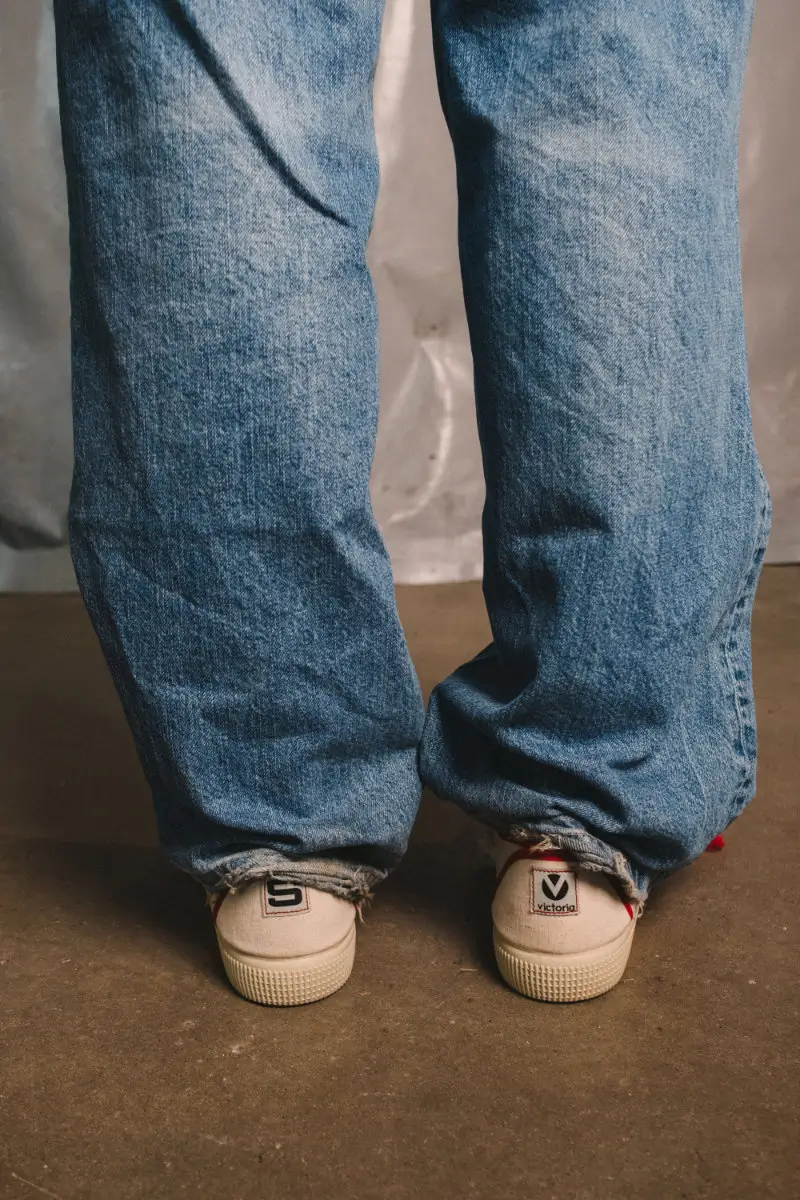
Stylistically, the boot remains versatile precisely because it avoids trend-chasing excess. It can sit comfortably beside raw denim, wide tailoring, oversized outerwear, or relaxed summer dressing. The muted palette and tactile construction allow the shoe to integrate naturally into wardrobes without demanding constant attention.
But its greatest strength may be psychological rather than aesthetic. The boot invites attachment. Wear becomes desirable. Repairs become evidence of lived experience rather than flaws to conceal.
That mindset feels increasingly radical within contemporary fashion culture.
Ultimately, the Victoria x SALPI collaboration succeeds because it deepens the soul of an existing classic instead of reinventing it beyond recognition. It proposes that the future of fashion may depend less on endless acceleration and more on rediscovering permanence, care, and material honesty.
In a market saturated with noise, this collaboration chooses quiet conviction instead. That may be precisely why it lingers.
From the DRIFT archive: A Cult Classic in Orbit: The Tecnica Moon Boot Icon Nylon Boots Reimagined for Modern Winter · Adidas By AVAVAV Women’s Superstar Shoes: Redefining The Icon In Distorted Form
Related Articles
Nike A’Two “Potion No. 22” Gives A’ja Wilson a Mismatched Horror Double Bill
Two shoes, two monsters: A’ja Wilson’s Halloween A’Two splits blood splatter and honeycomb across a […]