Vintage Snapshots: Cars & Eateries in the 1970s — A Look Back at an Iconic Decade

October 10, 2024
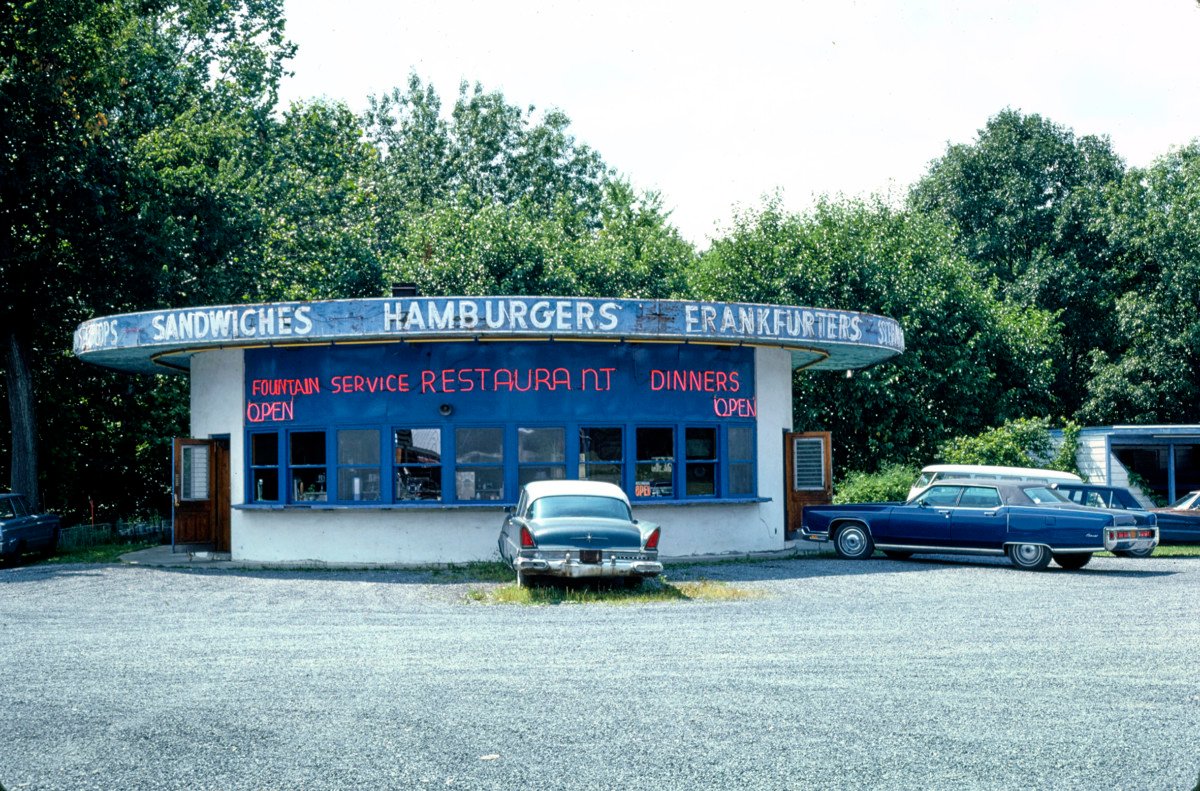
The 1970s stand out as a transformative era, especially when it comes to cars and eateries, two cornerstones of American culture that together shaped the landscape of daily life. This decade was a confluence of style, innovation, and changing tastes that reflected broader societal shifts. As people navigated the fallout from the countercultural movements of the 1960s, a new sense of identity and leisure emerged, manifesting most vividly in the vehicles they drove and the places they gathered to eat.
This essay takes a closer look at how the cars and eateries of the 1970s became cultural icons in their own right, representing not just modes of transportation or dining, but reflections of American values, desires, and the ever-changing concept of what it meant to live the “good life.”
The Golden Age of American Automobiles
The 1970s were an era of contrasts for the automotive industry. It began with the tail end of what many consider the golden age of American muscle cars—vehicles that symbolized power, speed, and freedom. Cars like the Ford Mustang, Chevrolet Camaro, and Dodge Challenger were not just modes of transport but symbols of status and identity. Young people, especially, were drawn to these cars, which promised excitement and a sense of rebellion that echoed the spirit of the ‘60s.
However, as the decade progressed, the automotive landscape began to change drastically. The 1973 oil crisis, which saw the price of gasoline skyrocket and long lines form at gas stations, prompted a shift in consumer priorities. People began to consider fuel efficiency and practicality over horsepower and flash. As a result, American automakers were compelled to rethink their designs. The large, gas-guzzling vehicles that had defined the 1960s became less popular, making way for more compact models that catered to a growing sense of environmental awareness and economic prudence.
One of the most significant impressions of this shift was the rise of Japanese automakers, whose smaller, more fuel-efficient cars appealed to a nation grappling with an energy crisis. Models like the Honda Civic and Toyota Corolla began to flood the market, offering reliability and affordability. These vehicles were starkly different from the American behemoths that had dominated highways and suburban driveways in the previous decade, yet they found a receptive audience.
The tension between American muscle and Japanese efficiency reflected broader anxieties of the time. As the nation dealt with the aftermath of Vietnam, the Watergate scandal, and a struggling economy, the humble reliability of a Japanese sedan seemed more appropriate than the brash excess of a muscle car. Yet, even as these new entrants gained ground, a sense of nostalgia persisted, keeping icons like the Pontiac Firebird and Chevrolet Corvette alive in the public imagination.
In terms of design, the cars of the 1970s began to incorporate more angular lines and distinct geometric shapes, moving away from the rounded, soft curves of earlier decades. The color palettes were bold, with bright oranges, yellows, and greens dominating showrooms. This aesthetic reflected the cultural shifts of the time—an embrace of bold, self-expressive styles that were also mirrored in the era’s fashion and graphic design.
Eateries and the Evolution of American Dining Culture
Parallel to the changes in automotive culture was a dramatic evolution in the dining scene. The 1970s marked the rise of fast food as a dominant force in American life. As more families began to own cars, driving to eateries became a staple of leisure and convenience. The post-war boom had given rise to an era of prosperity that made eating out an attainable pleasure for the average family, and fast food chains were quick to capitalize on this trend.
Icons like McDonald’s, Burger King, and Wendy’s expanded rapidly during this period, fueled by a combination of savvy marketing and the burgeoning car culture. These establishments became synonymous with quick, affordable meals, and their drive-thru windows turned them into destinations for families on the go. The branding strategies employed by these chains—mascots, catchy jingles, and brightly colored interiors—created a sense of familiarity and comfort that appealed to the American public.
But it wasn’t just about convenience and cost. The 1970s also saw the rise of the theme restaurant, which turned dining out into an experience. Places like the Hard Rock Café, which opened its first location in London in 1971 before expanding to the U.S., used rock memorabilia and live music to create a unique atmosphere that blended food with entertainment. Similarly, chains like TGI Fridays and Bennigan’s offered a casual dining experience with a focus on creating a vibrant social space, appealing especially to young professionals and the growing middle class.
These eateries became gathering places, where food was only part of the attraction. The décor, music, and overall vibe were just as important in drawing customers. As society became more mobile and people moved away from traditional family structures and routines, restaurants offered a place to connect, unwind, and experience something novel. The fast-casual trend, which would fully mature in the 1980s, found its roots in this decade of experimentation and innovation.
Another significant development was the increasing diversity of dining options. The 1970s witnessed the mainstreaming of ethnic cuisines, as immigrants from Asia, Latin America, and the Mediterranean opened restaurants that introduced Americans to new flavors and dining styles. Chinese, Mexican, and Italian eateries began to pop up in both cities and suburbs, offering more variety than ever before. Dishes like General Tso’s chicken, burritos, and lasagna became American favorites, reflecting a growing appetite for diverse culinary experiences.
The Intersection of Cars and Eateries: A Culture on the Move
The interplay between cars and eateries in the 1970s created a culture that was distinctively American—a culture on the move. Drive-ins, which had gained popularity in the 1950s, continued to thrive in the early part of the decade, offering a unique social space where teenagers and young adults could gather in their cars, listen to music, and enjoy burgers and milkshakes. These spaces were more than just places to eat; they were cultural hubs where the youth defined their identities and forged social bonds.
However, the energy crisis of 1973 also impacted these establishments. With gas prices soaring, the cost of driving to such venues became prohibitive for some, and the drive-in’s popularity began to wane. In its place, the drive-thru emerged as a more efficient option, allowing customers to grab food without leaving their vehicles. This shift mirrored broader changes in American life—where efficiency and speed began to overshadow leisure and socializing.
Still, the association between cars and food remained strong. The car was no longer just a means of transport; it was an extension of the diner. The concept of eating “on the go” gained traction, and eateries began to cater to this new way of living. Cup holders, trays that attached to car doors, and packaging that fit snugly in the confines of a vehicle became standard features. Eating in the car was normalized, reflecting a society that was constantly on the move.
Impression
The 1970s were a decade of shifting values and changing lifestyles, and cars and eateries were central to this evolution. The rise of the environmental movement, fueled by the energy crisis and growing concerns about pollution, led to a reimagining of what transportation could and should look like. Similarly, the diversification of the American palate reflected broader changes in the country’s demographic makeup and a willingness to embrace new cultural influences.
These changes were not without tension. The 1970s were also marked by a sense of disillusionment and uncertainty, as people grappled with economic instability and a loss of faith in institutions. This was reflected in the way cars and eateries were marketed and consumed. The car, once a symbol of American dominance and freedom, became a more subdued, practical object. Eateries, too, shifted from places of indulgence to venues of necessity, catering to a society that was increasingly focused on convenience and cost-effectiveness.
The legacy of the 1970s in the realm of cars and eateries is still felt today. Many of the design cues from 1970s automobiles—such as angular lines and minimalist interiors—have found their way back into contemporary car designs. Meanwhile, the restaurant chains that emerged during this decade have become global brands, influencing eating habits and food culture around the world.
More importantly, the 1970s set the stage for the consumer culture of the decades that followed. The shift towards efficiency and convenience that began in this era has only accelerated, leading to the proliferation of fast food chains, the dominance of SUVs and compact cars, and the integration of technology into both dining and driving experiences.
In many ways, the 1970s represent a crossroads in American cultural history. The cars and eateries of the decade were more than just products of their time—they were reflections of a society in flux, grappling with new realities and forging a new identity. The decade’s innovations in automotive design and dining culture continue to influence how Americans live, eat, and move today, making it a period that, while often overshadowed by the tumultuous 1960s and the booming 1980s, remains a defining chapter in the story of modern America.
Related Articles

France Just Banned Social Media for Kids Under 15, and the Fight Over Anonymity Is Only Getting Started
France becomes the first EU nation to bar under 15s from social platforms, and critics […]