Welcome to Hill Valley: The Timeless Appeal of “Back to the Future: The Musical”

August 29, 2024
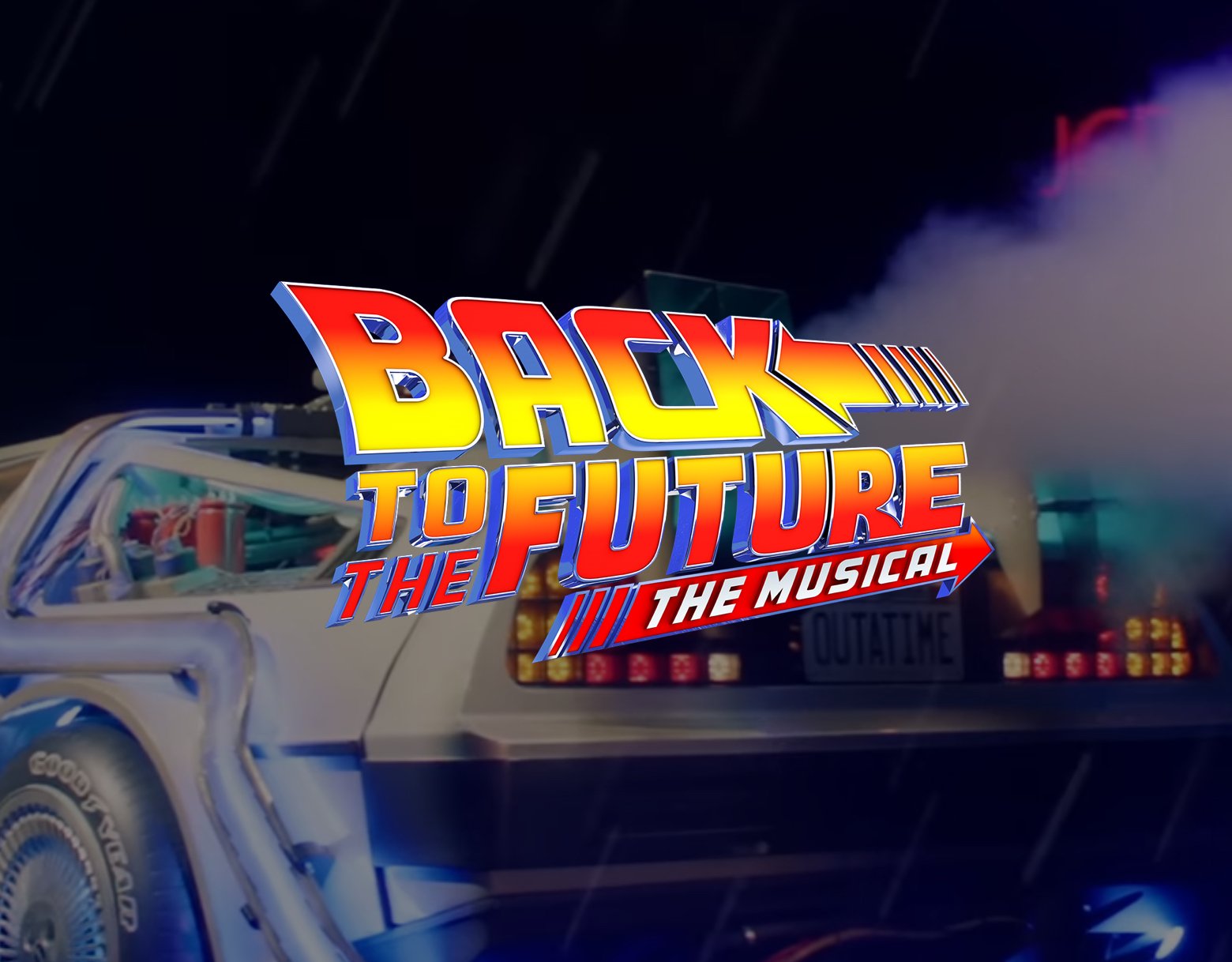
When “Back to the Future” first hit theaters in 1985, it was an instant cultural phenomenon. The film’s blend of science fiction, comedy, and heart made it a classic that has endured for decades. Now, nearly 40 years later, “Back to the Future: The Musical” invites audiences to revisit the story in a new way—through the magic of musical theater. But as with any adaptation of such a beloved film, the stakes are high. How does this musical version stack up against its iconic predecessor ?
The Legacy of “Back to the Future”
Before diving into the musical, it’s important to understand the legacy of “Back to the Future.” Directed by Robert Zemeckis and written by Zemeckis and Bob Gale, the film became a defining piece of 1980s pop culture. Its characters, dialogue, and even its DeLorean time machine became instantly recognizable icons. The film’s success led to two sequels, solidifying its place in the pantheon of great trilogies.
One of the key reasons for the film’s enduring popularity is its universal themes. At its core, “Back to the Future” is a story about the choices we make and their impact on our lives. It’s a coming-of-age tale that resonates with anyone who has ever wondered what their parents were like as teenagers or who has thought about how their actions today might shape their future. The film’s perfect blend of humor, tension, and heart made it more than just a fun sci-fi romp—it made it a story with real emotional weight.
The Challenge of Adaptation
Given the film’s iconic status, adapting “Back to the Future” into a musical was no small feat. Fans of the film had high expectations, and the creative team had to find a way to honor the original while also bringing something new to the table. This is a challenge faced by all film-to-stage adaptations, but it’s especially tricky when the source material is as beloved as “Back to the Future.”
The musical had to walk a fine line. On one hand, it needed to capture the essence of the original film—the humor, the heart, the excitement of time travel. On the other hand, it needed to justify its existence as a stage production. Simply recreating the film on stage wouldn’t be enough; the musical had to offer something that the film couldn’t, whether that was through new songs, deeper character development, or innovative staging.
The Music: An Evolution of Iconic Sounds
One of the most significant challenges in adapting “Back to the Future” for the stage was creating a musical score that could stand alongside Alan Silvestri’s original film score, which is iconic in its own right. Silvestri returned to collaborate on the musical, partnering with Glen Ballard to create a score that feels both familiar and fresh.
The musical features several original songs that help to flesh out the characters and their motivations in ways that the film couldn’t. For instance, Marty McFly’s character is given more depth through songs like “It’s Only a Matter of Time,” where he reflects on his desire to make something of himself and avoid the pitfalls of his father’s life. Similarly, Doc Brown’s eccentricity and brilliance are highlighted in songs like “The Way I See It,” where he explains his vision of the world and his love of science.
These songs add a new layer to the story, providing emotional depth that complements the high-energy plot. While the film relied heavily on its dialogue and visual effects to convey the story, the musical uses its songs to explore the inner lives of the characters, making their journeys feel more personal and relatable.
In addition to the new songs, the musical also incorporates some of the most iconic music from the film, including “The Power of Love” by Huey Lewis and the News. This blend of new and familiar music helps to bridge the gap between the original film and the stage adaptation, ensuring that fans of the movie will feel at home while also being treated to something new.
The Staging: Bringing Hill Valley to Life
One of the biggest challenges in adapting “Back to the Future” for the stage was recreating the visual spectacle of the film. The DeLorean, the clock tower, and the time travel effects are all crucial to the story, and the creative team had to find a way to bring these elements to life in a live theater setting.
The musical’s staging is nothing short of spectacular. The DeLorean is a central focus, with impressive special effects that make it appear to speed across the stage, leaving trails of light and smoke in its wake. The clock tower, too, is brought to life through a combination of set design, lighting, and projection, creating a sense of scale and danger that rivals the film’s climax.
The use of projections and other modern stage technologies allows the musical to recreate the dynamic feel of the film while also adding a unique theatrical flair. The audience is taken on a visual journey that captures the excitement of time travel, with each era—1985, 1955—brought to life in vivid detail. The sets are designed to transition smoothly between these time periods, ensuring that the pace of the show matches the fast-moving plot.
What’s particularly impressive about the staging is how it balances spectacle with intimacy. Despite the grand special effects, the focus always remains on the characters and their relationships. The staging never backgrounds the story; instead, it enhances it, creating a world that feels both immersive and grounded in the characters’ emotional journeys.
The Characters: New Dimensions to Beloved Roles
One of the most significant opportunities that the musical format offers is the chance to delve deeper into the characters. While the film had to keep the plot moving at a brisk pace, the musical takes the time to explore the inner lives of its characters in more detail.
Marty McFly, played by Olly Dobson in the original West End production, is given more emotional complexity in the musical. His relationships with his parents, especially his father, George McFly, are explored through songs that reveal his fears and desires. Marty’s journey is not just about getting back to the future; it’s about coming to terms with who he is and who he wants to be. The musical allows us to see more of Marty’s vulnerabilities, making his character even more relatable.
Doc Brown, played by Roger Bart, is another character who benefits from the musical format. While the film portrays him as the quintessential mad scientist, the musical gives him more emotional depth. His love for science and his fear of failure are explored in songs that highlight his eccentricities while also showing his humanity. The musical version of Doc Brown is still the zany inventor we know and love, but he’s also a more fully realized character with hopes, dreams, and regrets.
Even supporting characters like Lorraine Baines and George McFly are given more attention in the musical. Their courtship, which is central to the plot, is explored in greater detail, making their eventual union feel more earned and emotionally satisfying. The musical gives them more agency, allowing them to be more than just plot devices in Marty’s journey.
The Reception: Navigating Nostalgia and Innovation
Since its debut, “Back to the Future: The Musical” has received a wide range of reactions, reflecting the inherent challenges of adapting such a beloved film. On one hand, the musical has been praised for its ability to capture the spirit of the original while also bringing something new to the table. The music, staging, and performances have all been highlighted as strengths, with many critics noting that the musical manages to be both a faithful adaptation and a fresh experience.
However, there have also been criticisms, particularly from purists who feel that the musical doesn’t quite capture the magic of the original film. Some have argued that the musical’s need to expand on the story and characters sometimes leads to pacing issues, with certain scenes feeling drawn out or unnecessary. Others have pointed out that while the new songs are enjoyable, they don’t always match the iconic status of the original film’s soundtrack.
Despite these criticisms, it’s clear that “Back to the Future: The Musical” has struck a chord with many audiences. Its blend of nostalgia and innovation allows it to appeal to both longtime fans of the film and newcomers to the story. The musical’s success lies in its ability to stand on its own as a piece of theater while also paying homage to the source material.
“Back to the Future: The Musical” is a testament to the power of adaptation and the enduring appeal of a great story. By combining the beloved elements of the original film with the unique strengths of musical theater, the production offers a fresh take on a classic tale. It’s a reminder that great stories can transcend mediums, finding new life and new audiences in different forms.
As the landscape of musical theater continues to evolve, “Back to the Future: The Musical” stands as a shining example of how to approach adaptation with care, creativity, and respect for the original. It’s a journey through time that not only takes us back to a beloved past but also propels us into the future of musical theater. Whether you’re a fan of the original film or new to the story, there’s no denying that this musical is destined to become a new classic—one that will be revisited and celebrated for years to come.
In the end, “Back to the Future: The Musical” is more than just a retelling of a beloved film. It’s an exploration of what it means to adapt, to innovate, and to create something that resonates with audiences across generations. And in doing so, it proves that some stories are truly timeless.
Related Articles

The Heart Association Just Told Millions of Coffee Drinkers to Relax a Little
New guidance from the American Heart Association says up to five cups a day is […]