From Huron to High Fashion: Willy Chavarria and the Radical Act of Being Real

May 27, 2026
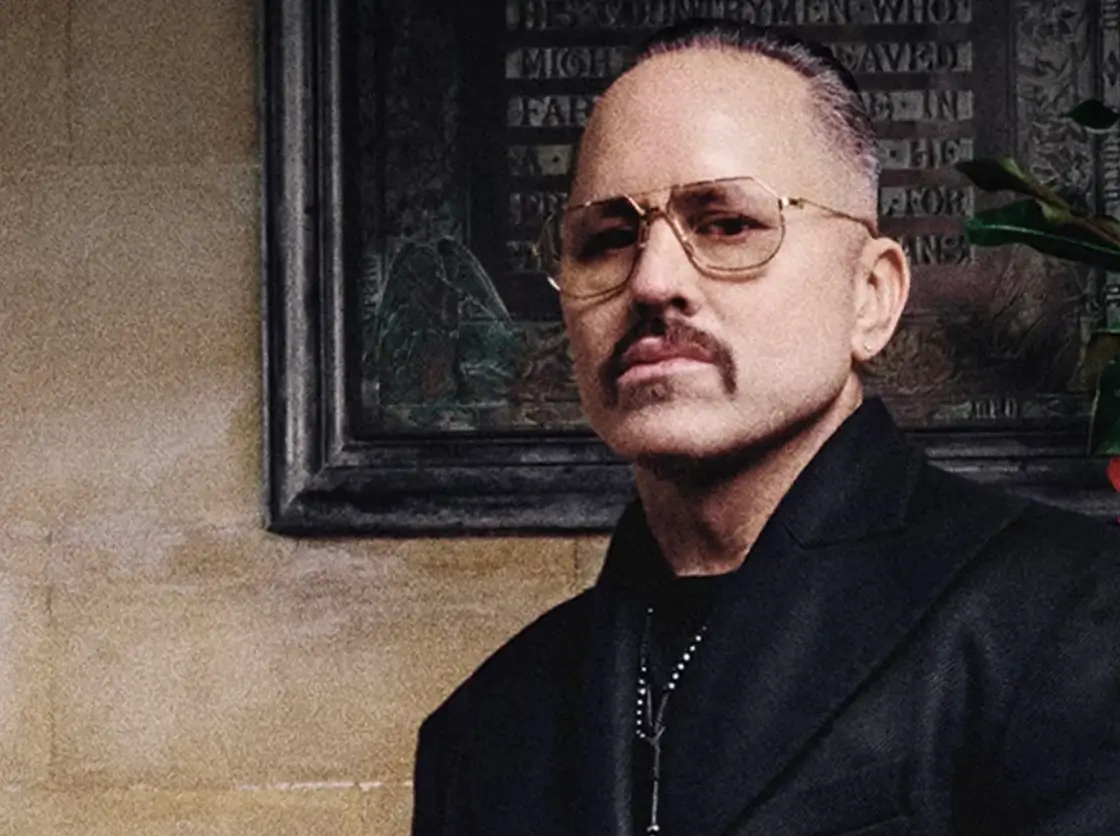
In an industry often criticized for superficiality, fleeting trends, and performative gestures, Willy Chavarria stands out as a designer who has built a thriving career on something deceptively simple yet profoundly rare: sincerity. Born in 1967 in Huron, California—a small agricultural town in the San Joaquin Valley—to a Mexican-American father and an Irish-American mother, Chavarria’s journey from the fields and working-class communities to the global fashion stage is not just a story of success. It is a testament to the enduring power of authenticity in a world that frequently rewards artifice.
His eponymous label, launched in 2015 after nearly two decades working at major brands like Ralph Lauren, American Eagle Outfitters, and eventually as Senior Vice President of Design at Calvin Klein, has become synonymous with elevating the stories of marginalized communities—particularly Chicano, Latino, queer, and working-class voices—into the realm of high fashion. Awards including the CFDA Menswear Designer of the Year (2023 and 2024), the Cooper Hewitt National Design Award (2022), and recognition as one of Time’s 100 Most Influential People underscore his impact. Yet Chavarria consistently returns to the same core idea: true resonance comes from being real.
View this post on Instagram
stir
Chavarria’s early life in California’s Central Valley shaped everything. Growing up amid immigrant farmworkers, he witnessed the dignity, resilience, and cultural richness of communities often overlooked or stereotyped. Clothes, for him, were never just fabric; they were signals of identity, affiliation, and pride. He recalls being fascinated by how people transformed everyday wear—work clothes into statements for mass, weddings, or night out.
This wasn’t the polished fantasy of Ralph Lauren’s America that he would later help design. It was the real America: baggy chinos, white tees, work boots, and the subtle (or not-so-subtle) codes of Chicano style, queer expression, and blue-collar life. After studying graphic design at the Academy of Art University in San Francisco—while working in the shipping department at Joe Boxer—Chavarria moved to New York in 1999. He climbed the corporate ladder, gaining technical expertise and business acumen, but always felt a pull toward something more personal.
In interviews, he emphasizes that his brand could not exist without his community and “found family.” There is no separation between the man and the label. This mixology of personal narrative and creative output is what Chavarria identifies as the source of sincerity’s power. “We haven’t really ever seen it,” he said of elevating Chicano and Latin culture in luxury contexts. “I think that’s one reason my brand has resonated — there’s a sincerity that’s new.”
View this post on Instagram
challenge
Chavarria’s spring 2022 collection, shown in September 2021 as fashion returned post-COVID, marked a pivotal moment. Five shirtless Latin men opened the show in exaggerated wide-leg chinos with satin boxers peeking out—silhouettes that transformed humble workwear into ball-gown-like drama. Pieces from that collection landed in the Met’s “In America: An Anthology of Fashion” exhibition. It was a bold reclamation: Chicano style, often associated with street culture or labor, presented with luxury dignity.
This approach—romanticizing masculinity while making it gentler, blending “raunch” with elegance, and refusing to dilute culture specifics—has defined his work. Collections draw from pachuco zoot suits, farmworker uniforms, queer club scenes, and family rituals. Shows like “América” and tributes to his hometown of Huron weave politics, joy, resistance, and hope. Models reflect real diversity, not tokenism. Casting often pulls from the streets or communities he celebrates.
Sincerity here is not vague idealism. It is specific, rooted, and unapologetic. Chavarria partners with organizations like the ACLU, prints pamphlets with the U.S. Constitution, and addresses issues of immigration, identity, and erasure. During times of political tension, his work becomes a platform for hope and empowerment rather than division. “Fashion is very political,” he notes. “Whether you’re trying to be or not, you are political.” Yet he frames his message around human dignity, love, and belonging—ideas hard to argue against.
flow
Critics might assume sincerity limits commercial appeal. Chavarria proves the opposite. His label has expanded globally, debuting in Paris, securing investment from the Chalhoub Group, linking with Adidas and Zara, and dressing high-profile figures like boxer David Benavidez. Plans include flagship stores in New York, Paris, LA, and Tokyo, plus deeper forays into accessories like handbags.
What drives this growth? Consumers crave connection. In an era of mass production, algorithmic trends, and greenwashing, authenticity cuts through. Chavarria’s crossover ambitions—linking fashion with music, film, art, and food—reflect this. Fashion alone cannot sustain; experiences and cultuel movements do. He admires Ralph Lauren’s global reach but reinterprets the American dream from the “penumbra,” centering those historically on the margins.
Accessibility matters too. While maintaining luxury elements, collaborations bring his message to wider audiences. “The exclusivity is more about the brand messaging than it is about being pretentious,” he explains. Owning a piece means aligning with values of identity and dignity.
His path was deliberate. Launching his label in his late 40s, after corporate experience, gave him the foundation to protect his view. He speaks of surrounding himself with good people, being kind and genuine, and letting sincerity attract the right opportunities. “If I’m putting down something very sincere in what I do, the right people come into my circle.”
View this post on Instagram
straddle
Fashion faces economic pressures, overproduction, tariffs, and shifting consumer habits. Chavarria’s recipe for longevity: 100% authenticity first, then interdisciplinary experiences. “There are only so many clothes people can consume,” he observes. The future lies in holistic cultural impact.
This sincerity extends to vulnerability. He returns to Huron for honors like “Willy Chavarria Day,” grounding success in origins. His work acknowledges grief, resistance, and joy without sanitizing reality. In Paris shows, themes of migration, detention, and resilience have sparked discussion—sometimes controversy—but always from a place of truth.
For aspiring designers, Chavarria’s message is clear: Know where you come from. Protect your realness. Use fashion as a tool for expression, justice, and connection. He romanticizes neither the industry nor his past but finds beauty in both. A tucked-in white T-shirt with pressed khakis remains a powerful silhouette for him.
fin
In a saturated market, sincerity is magnetic because it fosters trust and emotional bonds. Chavarria’s clothes do more than fit; they communicate belonging. They say: You are seen. Your story matters. Your culture has value at the highest levels.
This power is evident in his resonance across demographics. From Tokyo early adopters to Paris runways, from streetwear fans to luxury collectors, the message transcends. It challenges the industry to produce less and give more—to prioritize meaning over volume.
As Chavarria eyes 50 more years of influence, his focus remains on heart-led creation. He wants “total global domination” not for ego, but to broaden the table—to make the American (and global) dream more egalitarian. Fashion, for him, is a vehicle for empathy, pride, and change.
Willy Chavarria reminds us that the most radical act in creative fields can be simple honesty. In telling his truth—unfiltered, proud, and deeply felt—he invites others to do the same. That invitation, extended through impeccable tailoring, bold silhouettes, and culture reverence, is why his
Related Articles
Rose Byrne and Mary Bronstein Are Doing It Again, and This Time They Brought Jenna Ortega
A coach and her prodigy are about to become the most dangerous relationship in a […]